Zero Waste Through the Eyes of the Youth in Visayas
By Celine Santos
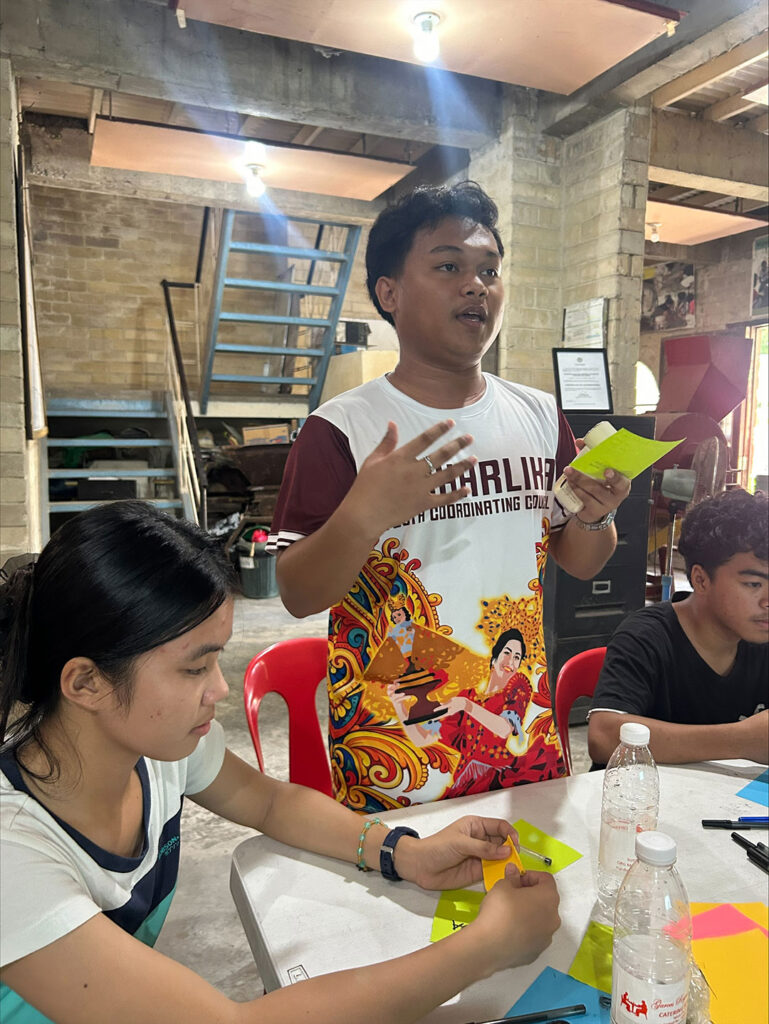
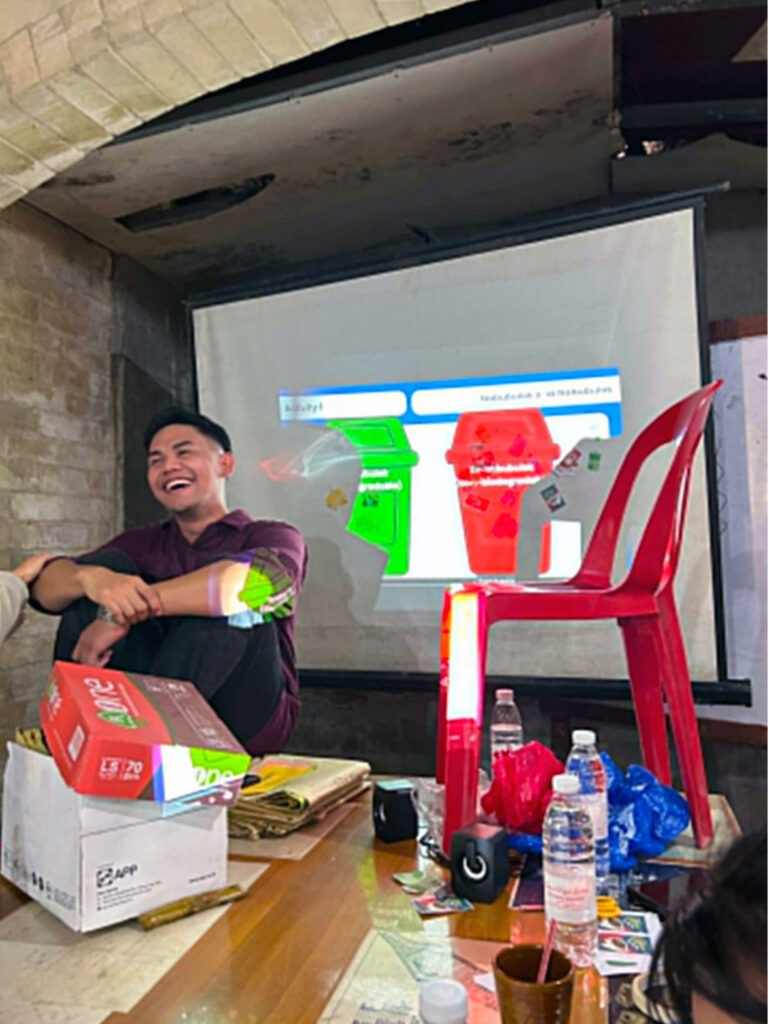
Young people’s creativity and vision know no bounds. This was on full display at a mini Zero Waste Youth workshop, which brought together young people to share their perspectives on waste, climate, and the everyday challenges facing communities in informal settlements. The workshop forms part of the Accelerating Locally-Led Responses to Climate Change in Informal Settlements and Slums programme, implemented by the Philippine Alliance and led by the Philippine Action for Community-Led Shelter Initiatives, Inc. (PACSII), in collaboration with the Homeless People’s Federation Philippines, Inc. (HPFPI).
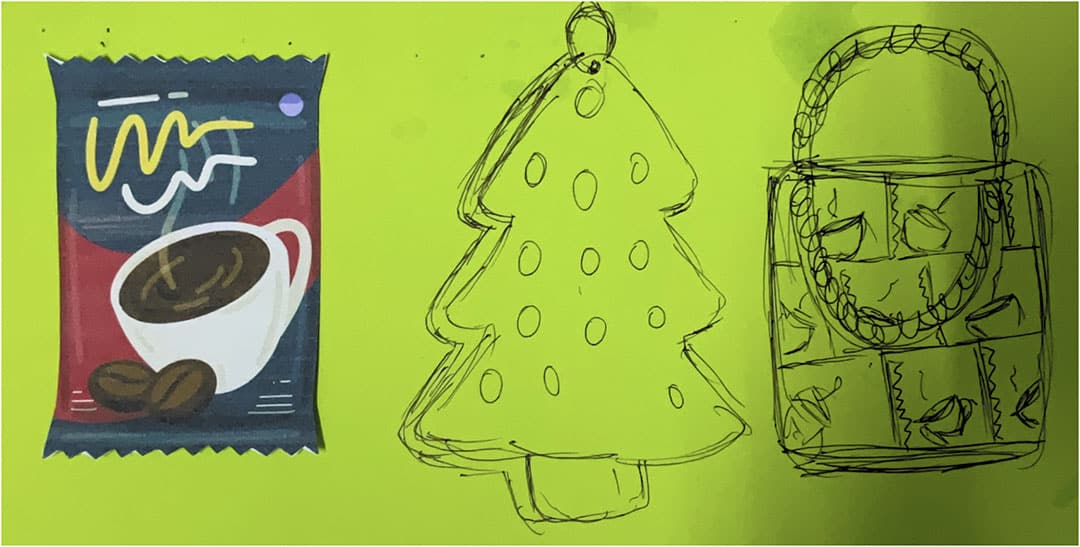
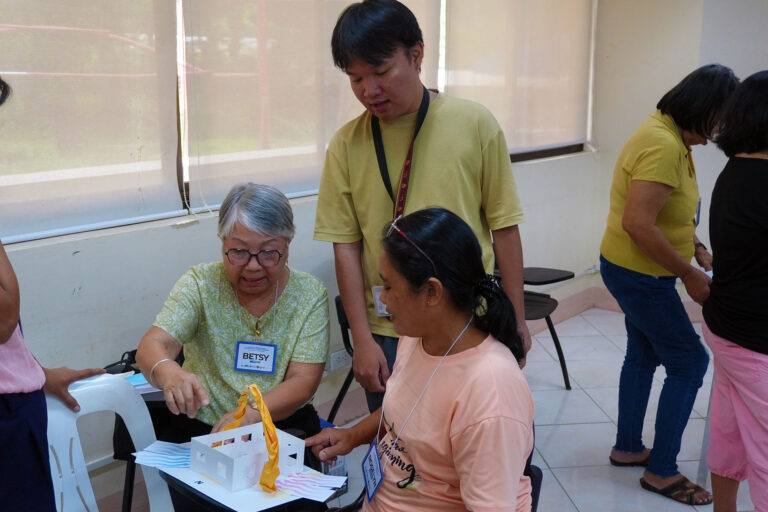
Youth participants from Visayas reimagined how everyday waste materials can be reused and upcycled. Among their outputs: bags, ornaments, seedling trays, stuffed toys, rags, and plant displays, each a practical transformation of what might otherwise be discarded. They also recognised that waste segregation must begin at the household level, and that young people have a role to play through leadership, role modelling, and community education.
Christmas Ornaments from Paper and Plastic
Felt paper and shredded plastic can be reused to create Christmas decorations by stuffing the shredded plastic into felt paper-shaped ornaments. Examples include stockings, ornaments, and other festive items. This promotes creativity while giving waste materials a new purpose.
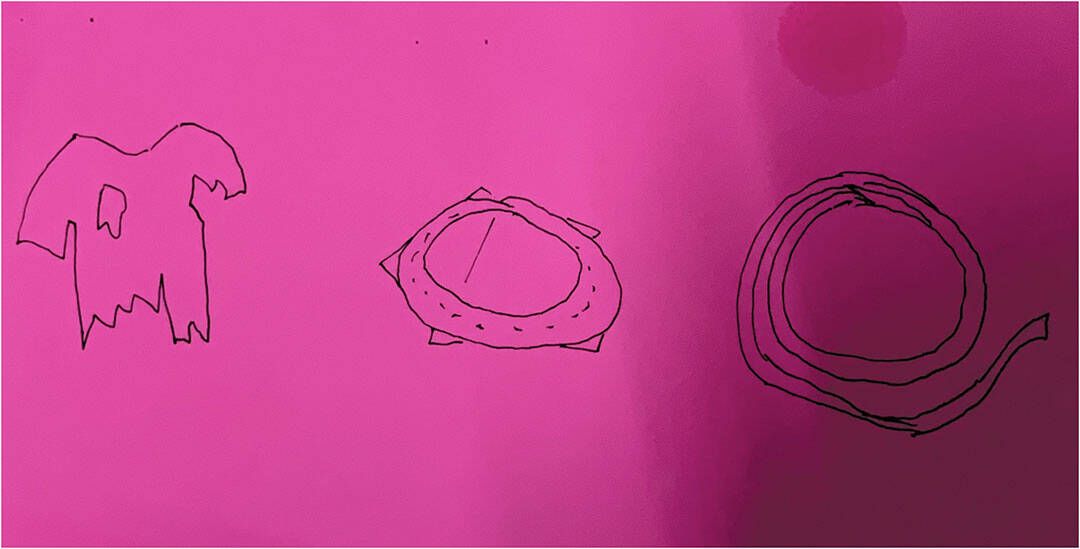
Rags or Cleaning Materials from Old Cloth
Old clothes and fabric scraps can be cut and reused as rags. The upcycled old fabrics and clothes are turned into household cleaning and maintenance products. This reduces textile waste while providing practical cleaning materials.
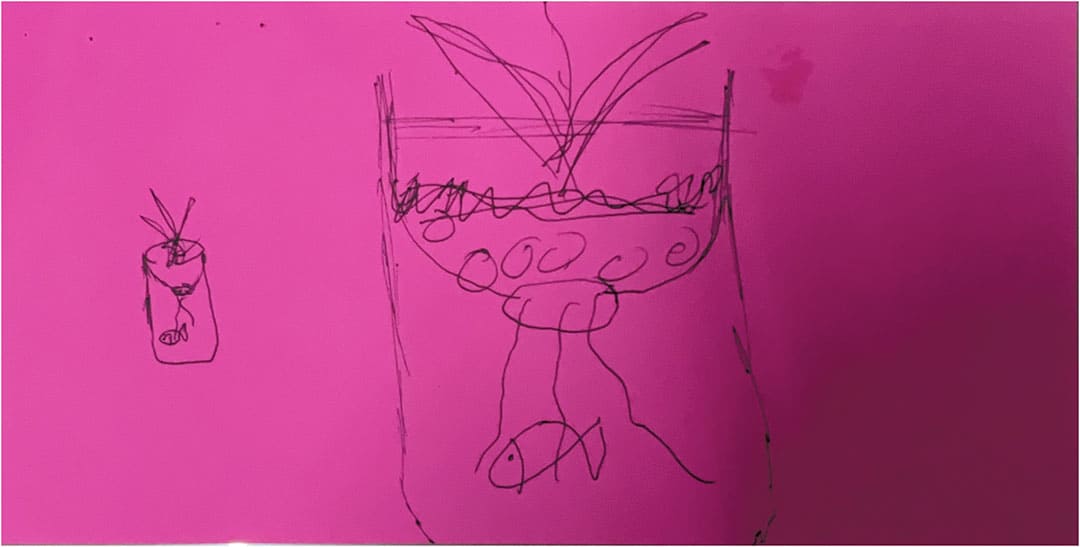
Seedling Trays from Waste Materials
Discarded containers, cartons, and other reusable materials can be repurposed into seedling trays for planting, providing a practical and low-cost alternative to commercially available trays while promoting recycling, gardening, and urban farming activities within the community.
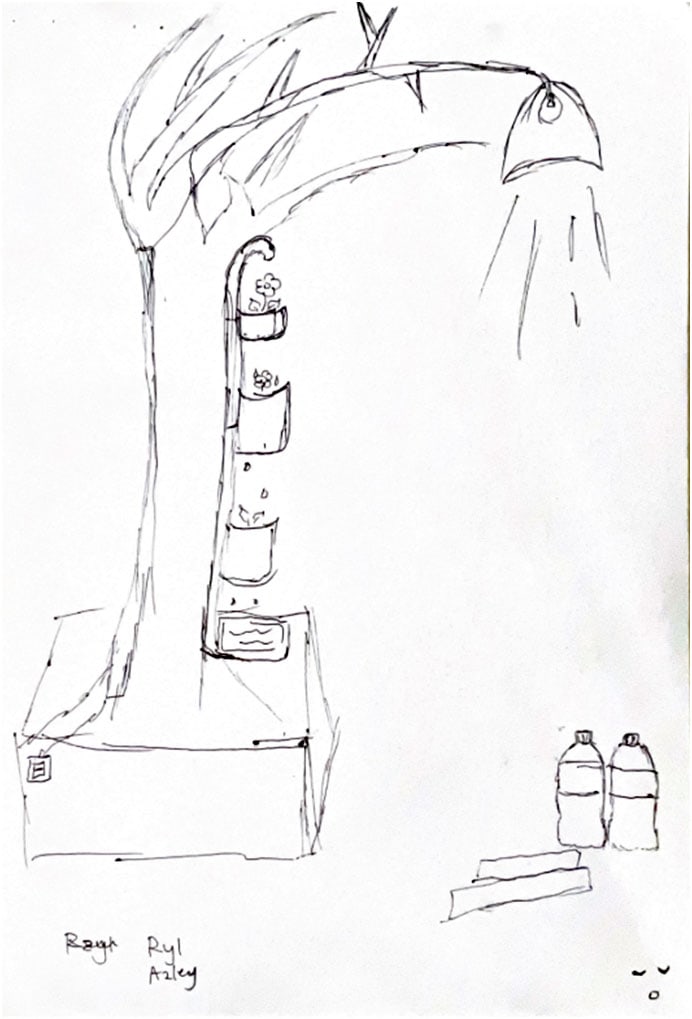
Vertical Garden or Decorative Plant Display
Old log scraps can be repurposed into a decorative lamp post integrated with hanging plastic bottles reused as plant containers. These can be arranged to create a vertical garden or decorative plant display. Additional ideas include incorporating a small water pump system and lighting to enhance both the structure’s appearance and functionality.
The overall workshop showed that youth are aware of waste issues in their communities, identifying critical challenges brought by plastics, sachets, bottles, paper, and mixed household waste (Biodegradable and Non-biodegradable). They emphasized how improper waste disposal can lead to flooding, health risks, foul odors, and dirty surroundings, which affect health and other underlying issues connected to waste. While some community systems already exist, stronger enforcement, active participation, and more learning on segregation, composting, recycling, and zero-waste practices are still needed.