By Asana Alhassan, Joan Mwinfang Aadaaryeb, Abdul Rasheed Yussif and Abdullah Salman
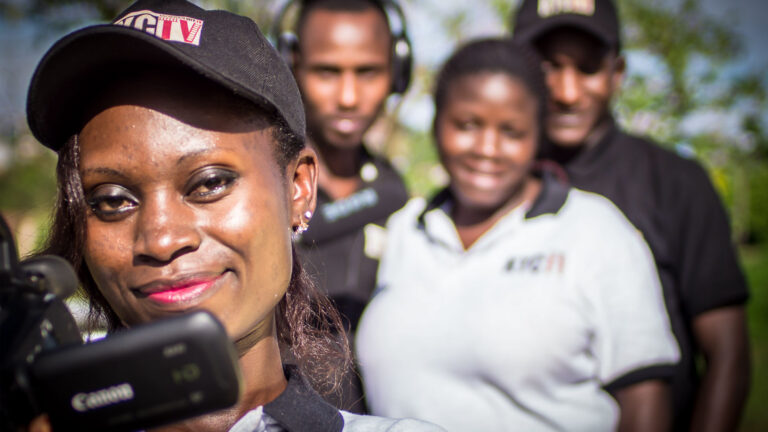
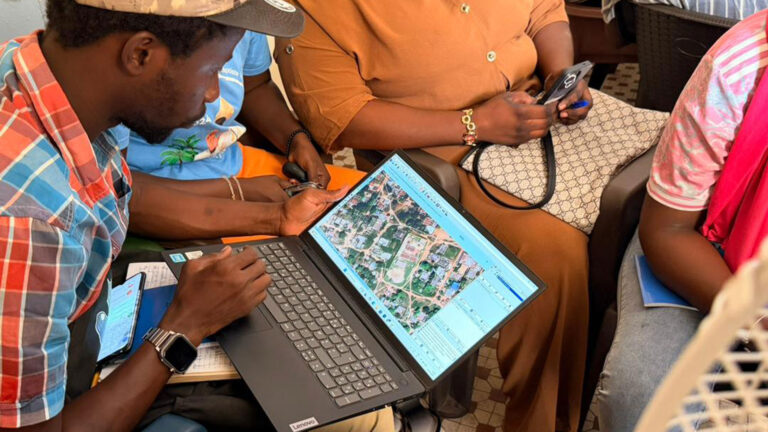
In just five days, a team of 30 trained SDI youth data collectors profiled 804 young people across the Tamale settlements of Lamashegu, Jisonaayili, and Kanvili.
Tamale is one of the fastest-growing cities in West Africa, and with that growth comes both urgent challenges and significant opportunity. Situated at the crossroads between southern Ghana and the Sahel, the city has long served as a hub for trade, migration and cultural exchange. Its population is predominantly young, bringing with it a depth of talent, creativity and energy that remains largely untapped.
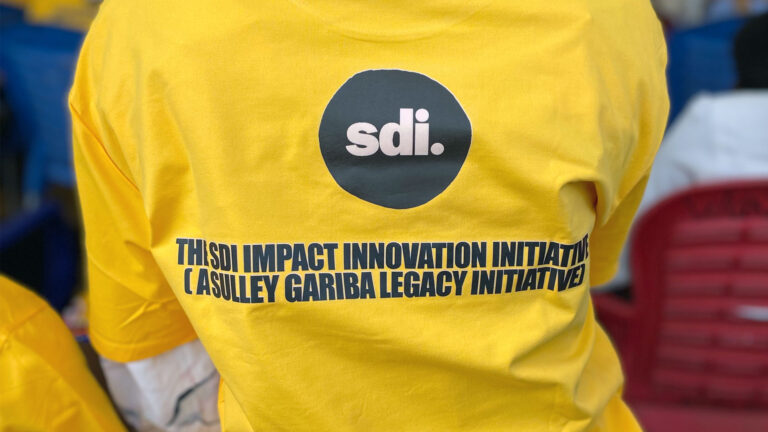
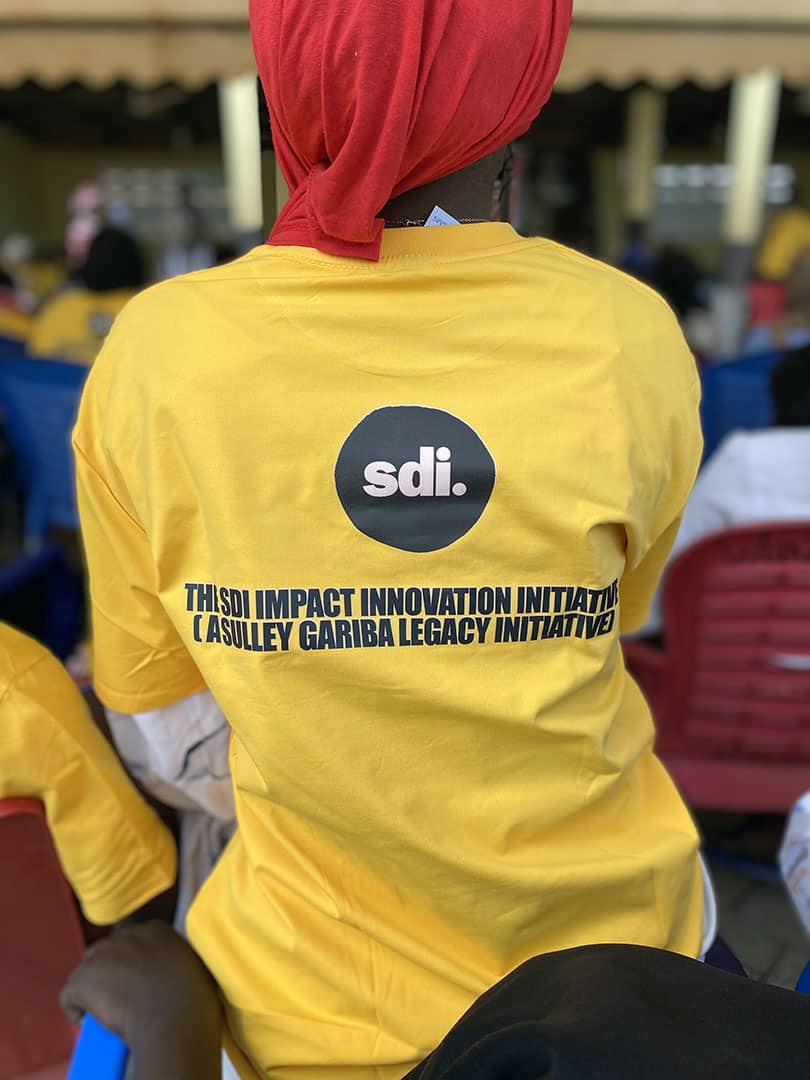
Tamale is also the birthplace of Dr. Sulley Gariba, in whose memory the SDI Impact Innovation Initiative is dedicated.
The data collection exercise provided a detailed snapshot of the realities, aspirations and opportunities among participating youth in these communities, made possible through the Impact Innovation Initiative, led by People’s Dialogue Ghana and the Ghana Federation of the Urban Poor (GHAFUP) in partnership with SDI.
While the findings do not represent all youth in Tamale, they offer valuable insights for local government, development partners, civil society partners and community leaders looking to support youth development where it matters most.
Building Legitimacy
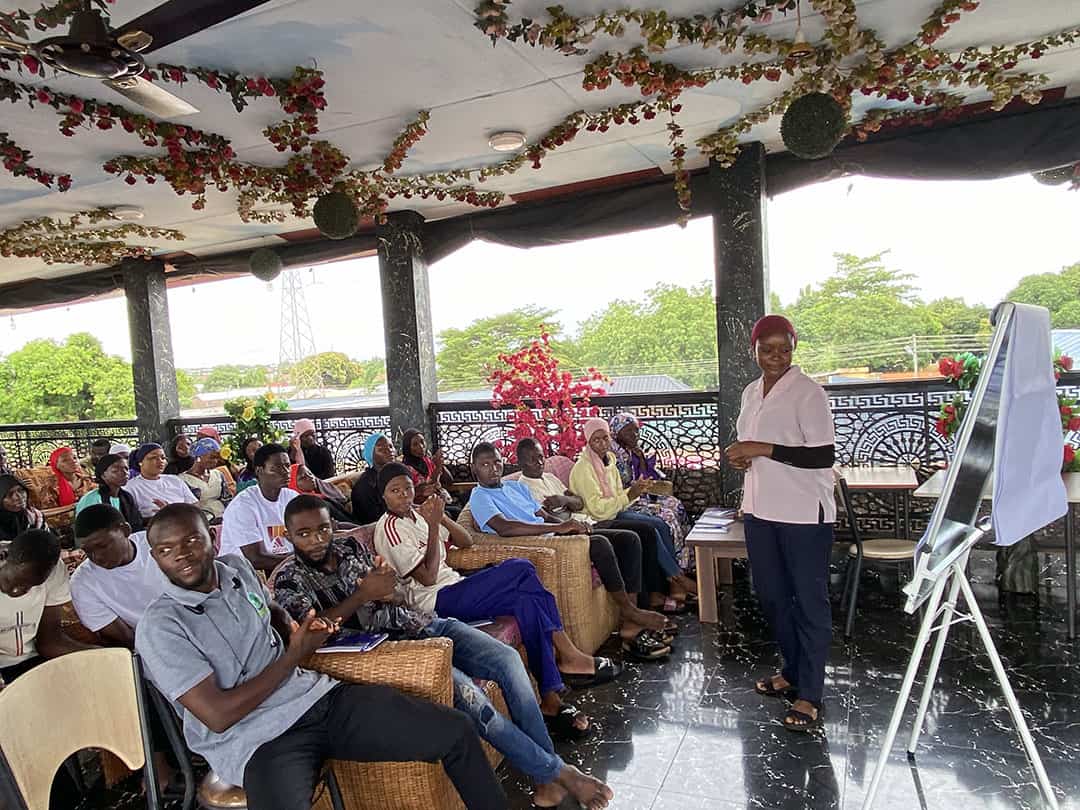
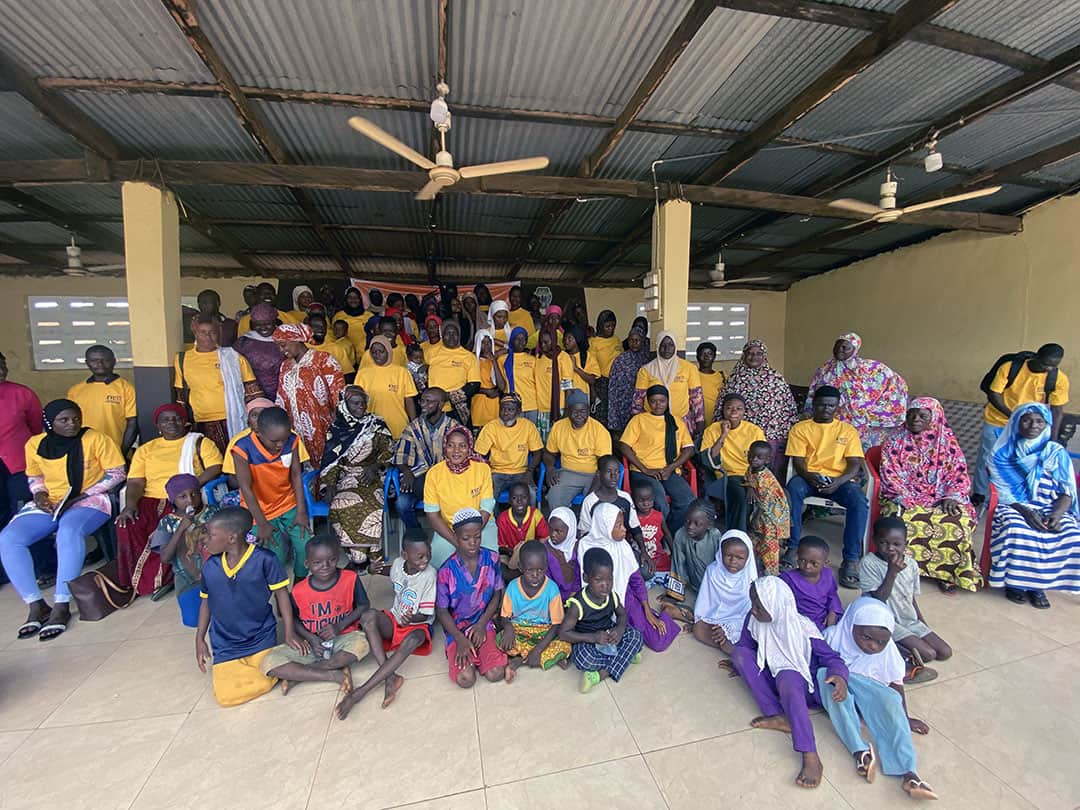
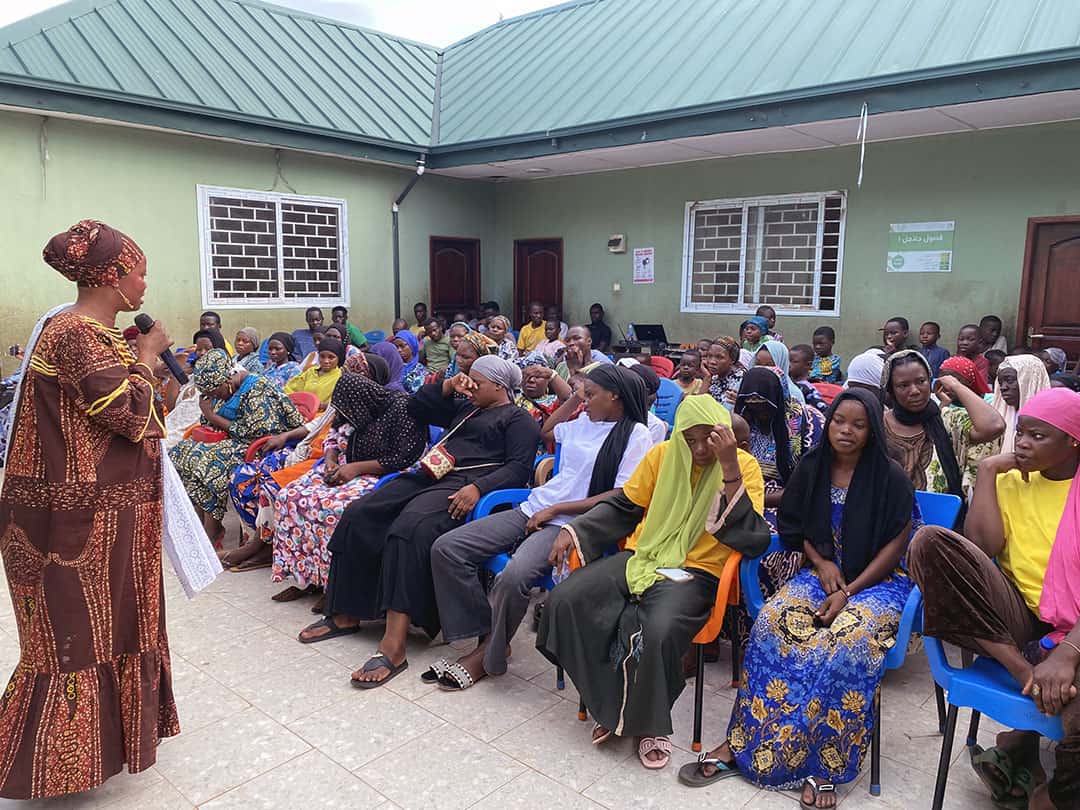
Before any data was collected, trust had to be earned. The project team began by engaging traditional authorities such as chiefs and elders whose influence shapes how communities receive and respond to any new initiative. Through a series of dialogues, the team introduced the work, clarified its objectives and made space for community concerns to be heard and addressed.
The result was a formal endorsement from traditional leaders, who did not simply grant permission but actively encouraged young people to participate. That backing ensured that the initiative was understood not as something imposed from outside, but as an effort rooted in and aligned with community priorities.
Engaging with traditional leaders, community groups and local government officials is SDI practice and vital for the sustainability of any initiatives and process.
Youth Leading the Way
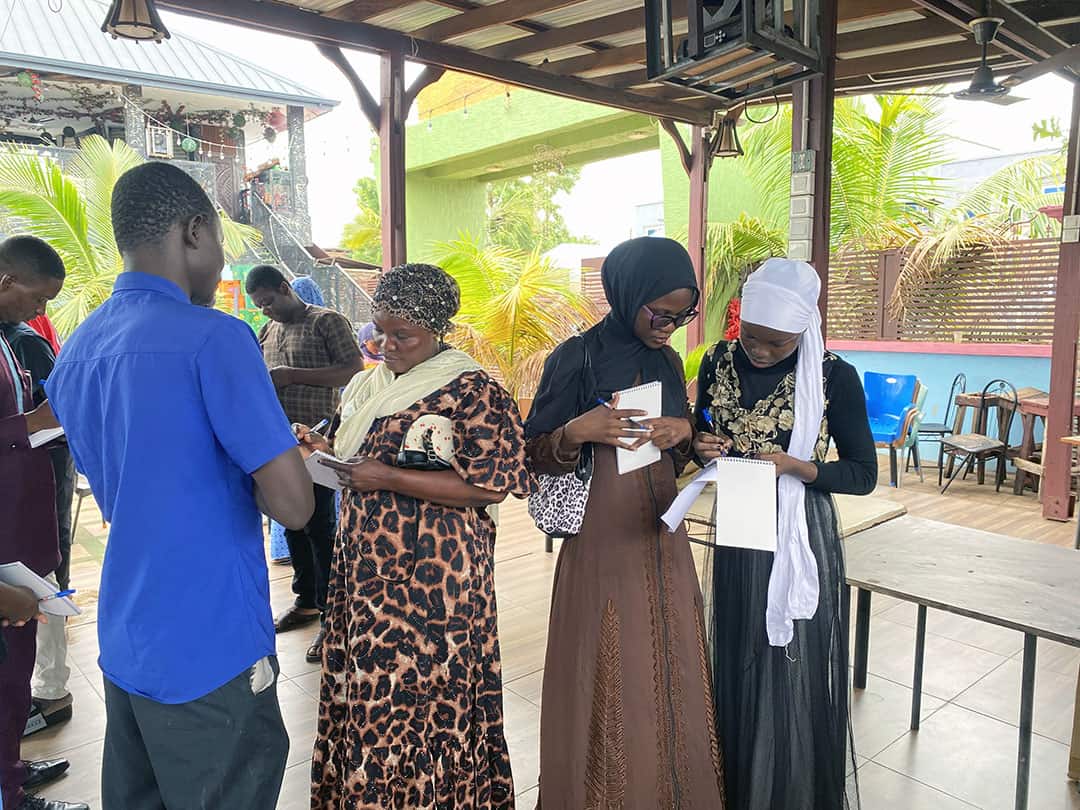
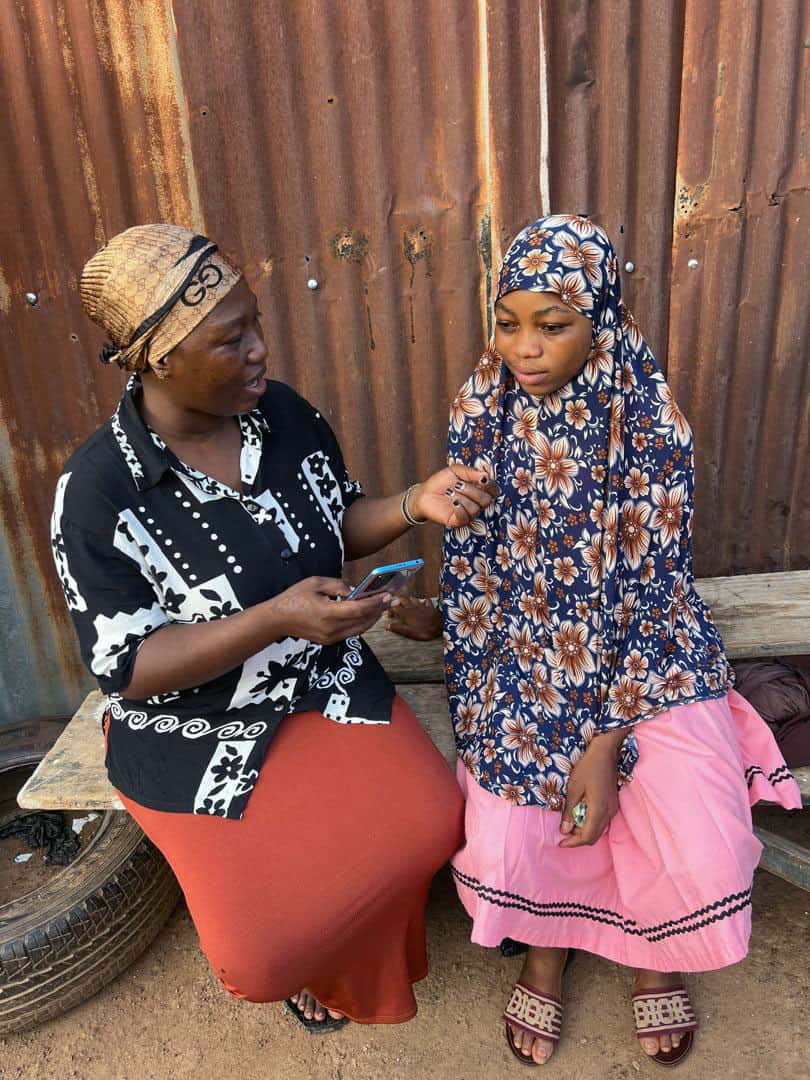
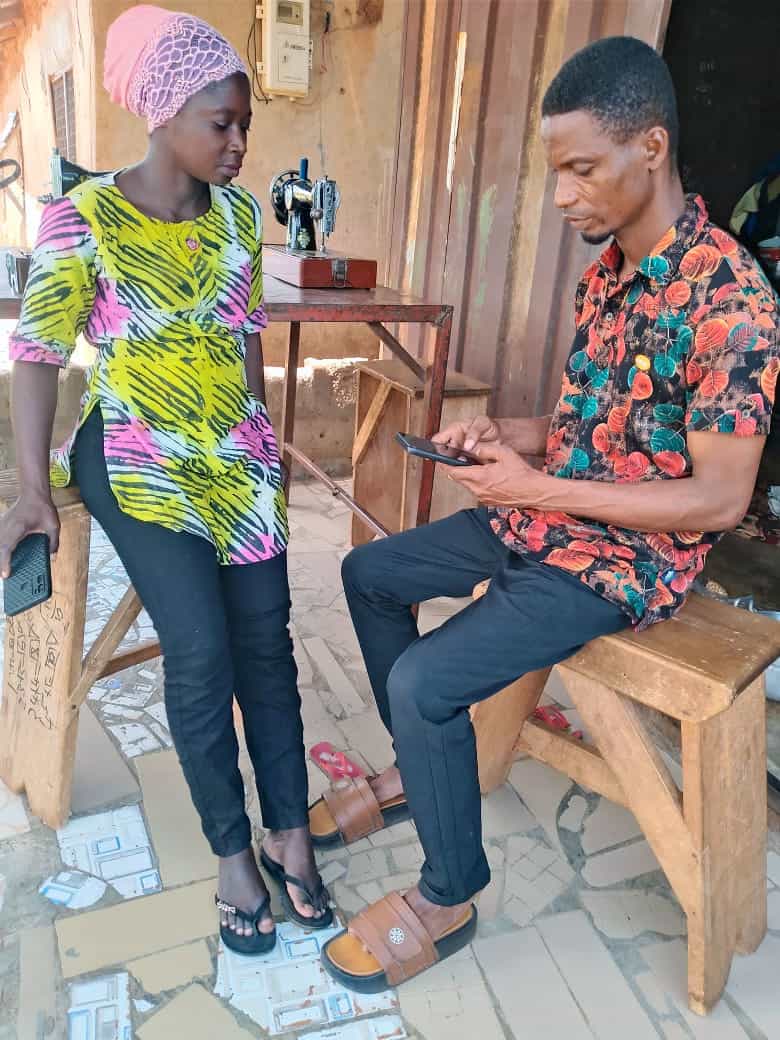
One of the most remarkable stories behind the numbers is the process itself. With community support and the endorsement of traditional leaders, young people took the lead in collecting data from their peers.
The result was a profiling exercise that reached 804 young people in only five days, demonstrating the power of youth-led action when the right resources are made available.
What the Data Tells Us
Young Women Showed Up:
53.6% of the youth profiled were female, highlighting strong participation from young women across the three settlements. This reinforces the importance of ensuring that future programmes, training opportunities and economic interventions continue to be inclusive and responsive to the needs of young women.
The Reality of Employment:
The data reveals a generation that is working hard to create opportunities for itself.
Among the youth profiled in Tamale:
- 35% are self-employed, primarily within the informal economy.
- 17.2% are unemployed.
- Only 5% reported being in formal employment
These numbers highlight both the resilience and the challenges facing young people. Many are actively finding ways to earn a living, but access to formal employment remains limited.
A Digital Opportunity
One of the most promising findings emerged from the digital landscape. While 83.3% of respondents reported familiarity with smartphones, about 48.6% identified as digital beginners, highlighting a significant opportunity for digital skills training and workforce development.
The message is clear: the challenge is no longer simply access to devices, it is access to digital skills.
Why This Matters
Africa is the world’s youngest continent. More than 60% of its population is under the age of 25. The findings from Lamashegu, Jisonaayili, and Kanvili speak directly to that reality.
Young people are participating. Young women are engaging. Smartphones are already in use. Informal businesses are thriving despite challenges. Yet gaps remain in employment opportunities and digital skills development. For local governments, development organisations, civil society actors and donors, this is an opportunity to invest where the impact can be greatest:
- Digital literacy and workforce readiness programmes
- Youth entrepreneurship and business support
- Employment creation initiatives
- Skills development tailored to local economic opportunities
- Gender-responsive youth programmes
The Bigger Message
SDI youth are showing much-needed leadership in the settlements they live and work in. The success of profiling 804 young people in just five days is remarkable by any measure. Few professional consultants or research firms could achieve this reach or depth of access in the same timeframe. This is the unique capacity of on-the-ground movements and grassroots organisations like SDI, rooted in communities, trusted by residents and able to generate data from within settlements that would be very difficult to replicate by third parties.
But who this data serves matters as much as what it reveals. Community-led data collection carries with it a degree of accountability that conventional research often does not.
It is not extracted and handed upward to funders or policymakers. It carries accountability to the settlements and to the young people who were not merely subjects of this exercise but active participants in it. This data and the innovation it drives, is meant to benefit those who made it possible in the first place.
These young leaders have embraced the power of data as a tool to navigate the challenges in their settlements and cities and by directly addressing problems in their settlements, explore livelihood opportunities for themselves.
Strengthening SDI Federations
The Impact Innovation Initiative is not only a data exercise; it is an opportunity to strengthen the SDI federations in Tamale. This is particularly significant given the lasting damage inflicted by the COVID-19 pandemic, which severely disrupted the livelihoods of women in Tamale and weakened community federations built over many years.
In response, the initiative is actively revamping SDI federation and savings groups across six settlements: Jisonaayili, Kanvili, Choggu, Sognaayili, Kalipohini, and Lamashegu. The work is twofold: rebuilding the women’s federation movement that sustained these communities before the pandemic and simultaneously nurturing a new youth movement capable of carrying that legacy forward.