By Celine Santos
As temperatures continue to rise due to climate change, urban poor communities are vulnerable to extreme heat. To address this challenge, a passive cooling infrastructure initiative was implemented as a catalytic demonstration of climate-responsive housing in the Samahan ng Matute at Soliman Homeowners Association Inc. (SAMASOL HOA) in Davao City. The initiative also strengthened the capacities of neighboring homeowners’ associations (HOAs), including those from Kidapawan and other communities across the Davao Region, through knowledge-sharing and skills development.
As part of the project, three passive-cooling retrofit houses were completed, demonstrating practical, affordable housing improvements that enhance indoor thermal comfort while reducing reliance on electricity. Capacity-building activities equipped community members and leaders with the knowledge and skills to understand the benefits of passive cooling, retrofit existing homes, and adapt household structures to changing climate conditions. These activities also strengthened participants’ competencies in planning, implementing, and maintaining green infrastructure interventions for climate adaptation, while promoting the integration of climate-responsive and green infrastructure principles into local development planning, environmental management, and community resilience initiatives.
The From Islands to Highlands: Strengthening Community-led Climate Adaptation in the Philippines project, implemented by the Philippine Action for Community-led Shelter Initiatives, Inc. (PACSII) under the Swedish International Development Cooperation Agency (SIDA) supported Accelerating Locally-Led Responses to Climate Change in Informal Settlements program of Slum Dwellers International (SDI), in partnership with the Homeless People’s Federation Philippines Inc. (HPFPI) and the Technical Assistance Movement for People and Environment, Inc. (TAMPEI), adopted a community-led approach to climate adaptation. Homeowners actively participated in the planning, design, and implementation of the passive cooling retrofits, ensuring that the interventions reflected their needs, priorities, and locally available resources. The three completed retrofit houses now serve as demonstration sites, allowing neighboring communities to observe firsthand that practical, low-cost housing improvements can enhance resilience to extreme heat, improve indoor thermal comfort, and contribute to healthier, more comfortable living conditions.
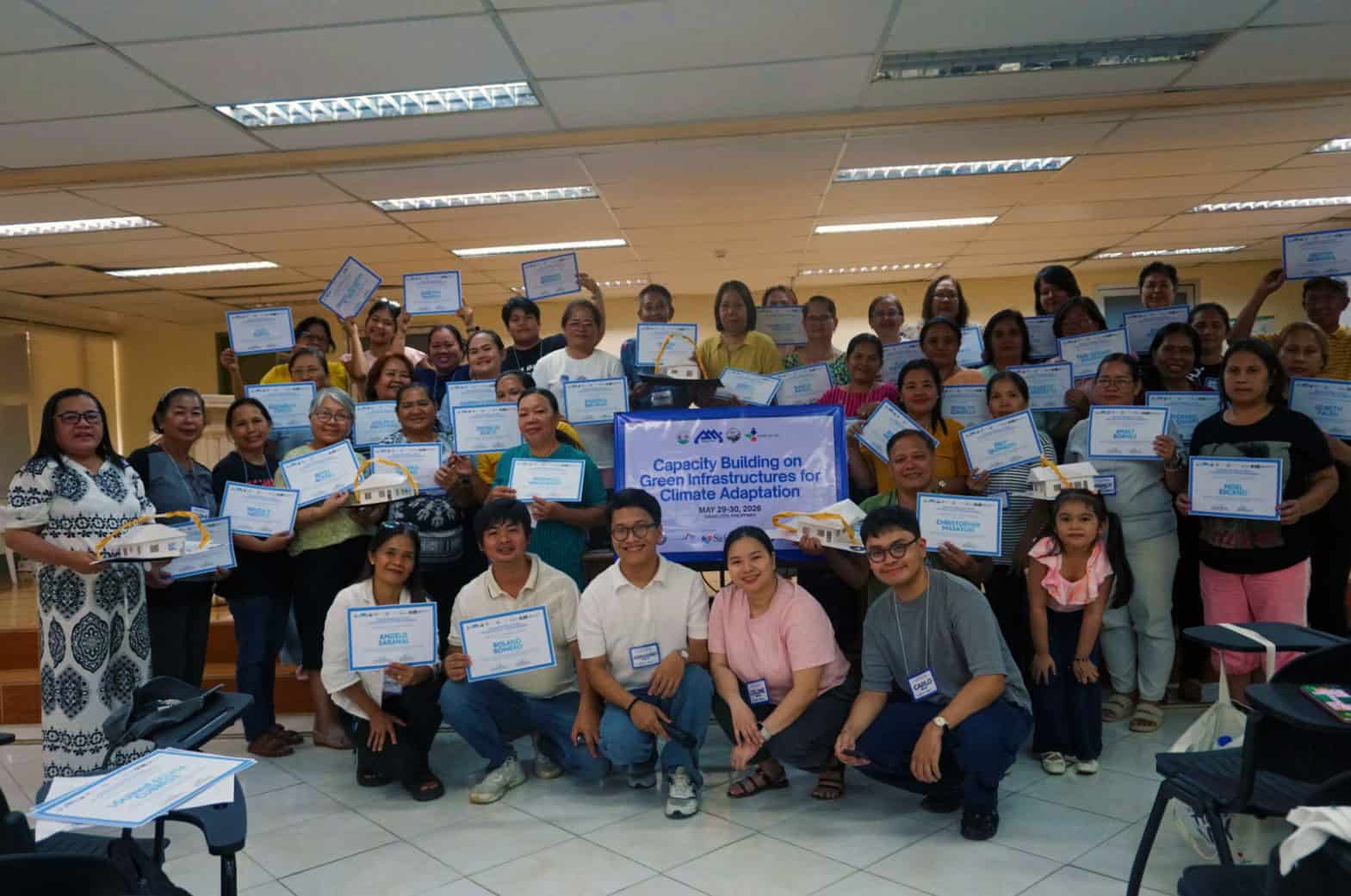
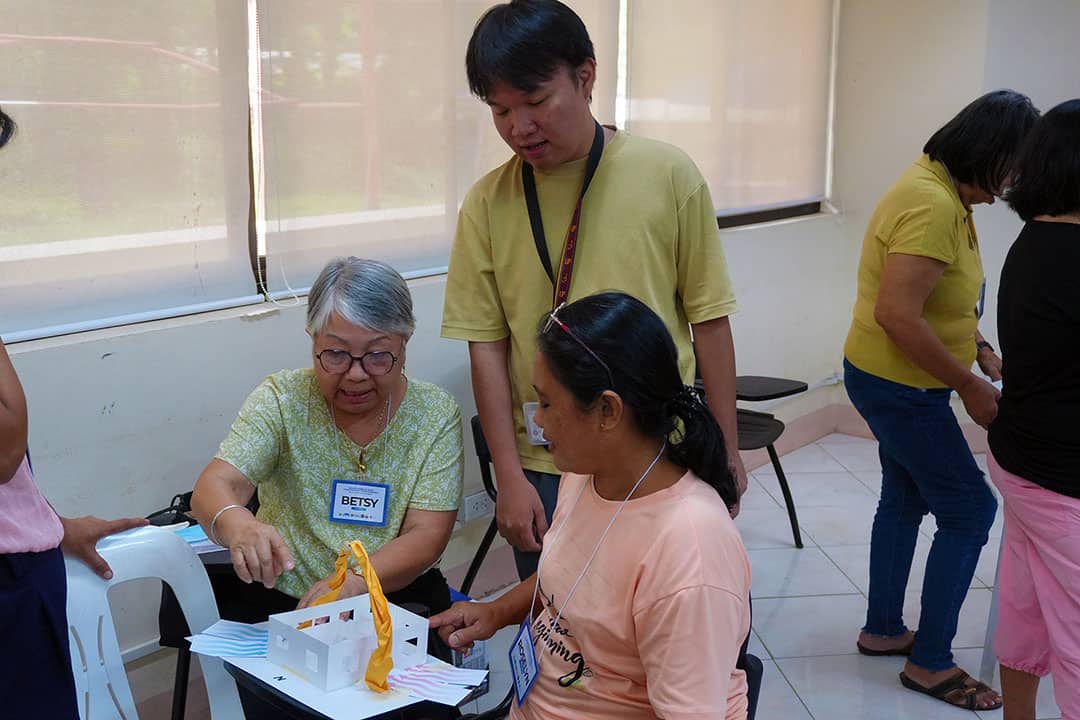
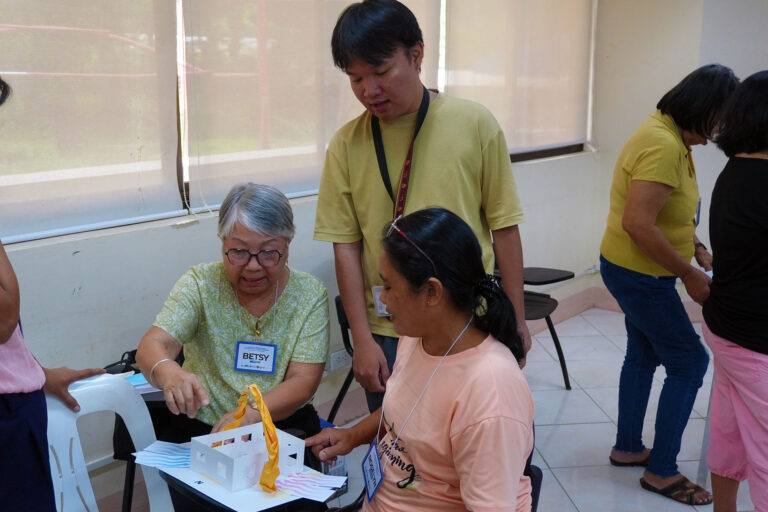
To support the scaling of these interventions, PACSII, together with TAMPEI and HPFPI, organized a Capacity Building on Green Infrastructure for Climate Adaptation, bringing together homeowners’ associations from across the Davao Region. Through technical sessions, site visits, peer learning, and participatory action planning, participants gained practical knowledge on passive cooling, climate-responsive housing, and green infrastructure. Inspired by the SAMASOL experience, participating communities developed their own action plans to replicate passive cooling and other nature-based climate adaptation solutions within their respective communities.
The success of SAMASOL Passive Cooling Infrastructure demonstrated how community-driven innovation can transform housing into a practical climate adaptation solution. By combining local knowledge, technical expertise, and strong community participation. The project has created a scalable model that contributes to healthier homes, reduced energy costs, and more climate-resilient communities. The lessons generated through this initiative will continue to inform the expansion of passive cooling and green infrastructure interventions across other project sites in Mindanao and beyond.