By Celine Santos
The Zero Waste Forum 2026: Road to Antalya brought together governments, civil society organizations, academia, the private sector, media and grassroots movements globally to advance Zero Waste as a key climate solution ahead of COP31 in Antalya, Türkiye. Held at Atatürk Airport in Istanbul, the three-day forum highlighted how Zero Waste is more than an environmental agenda; it is a pathway toward climate resilience, circular economies, healthier communities and social justice. The event featured First Lady Emine Erdoğan, whose global advocacy has positioned Türkiye at the forefront of the Zero Waste movement. The forum concluded with a gala dinner hosted by President Recep Tayyip Erdoğan, reaffirming Türkiye’s commitment to championing Zero Waste as a national and global priority.
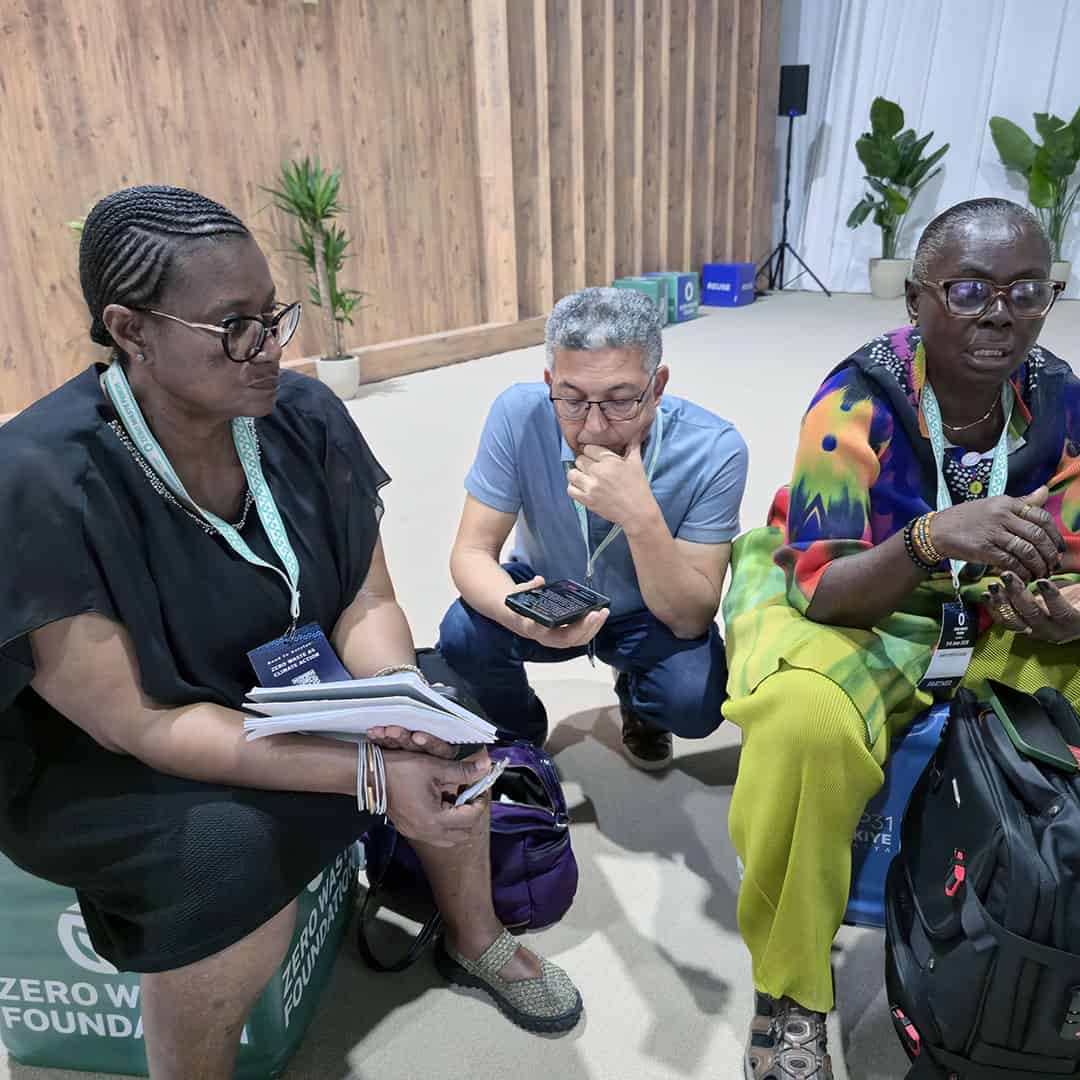
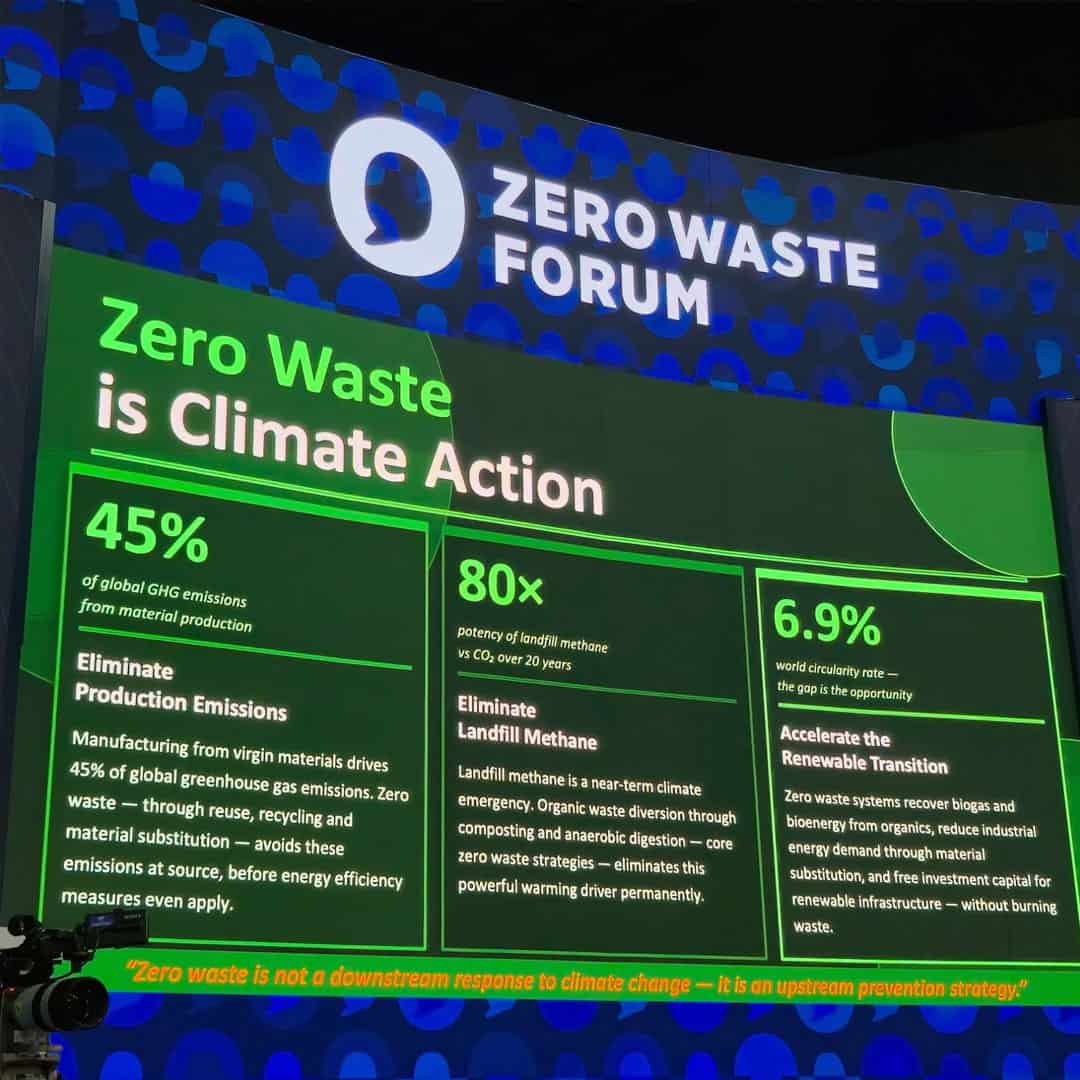

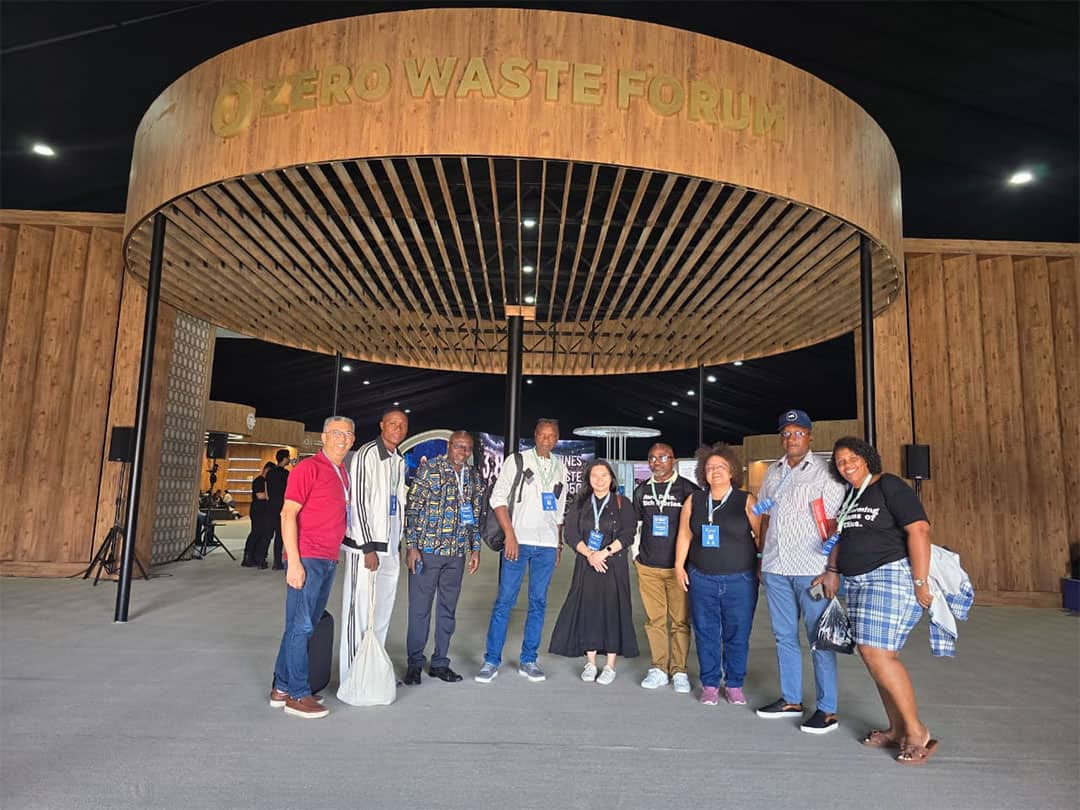
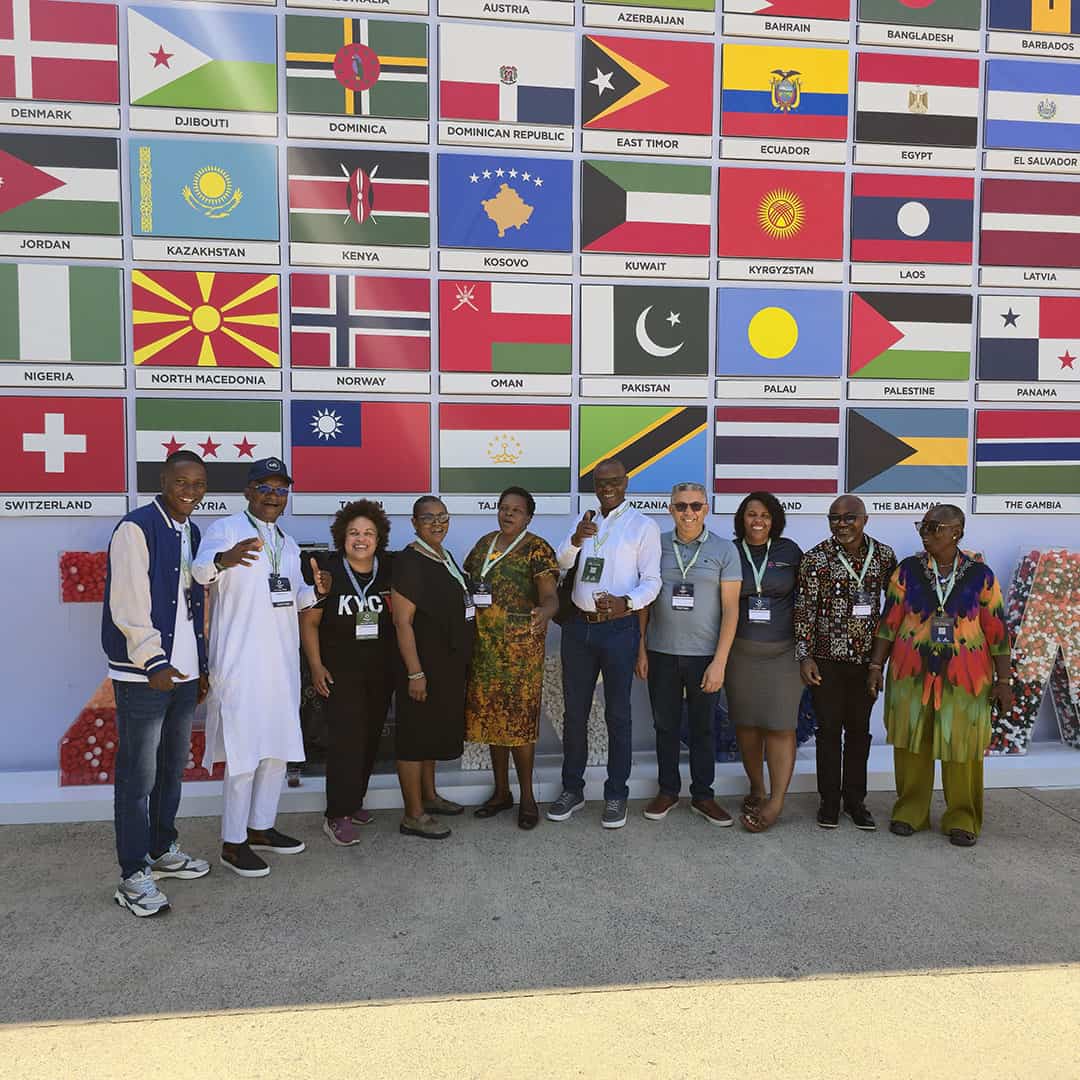
Among the participants was a strong delegation from Slum Dwellers International (SDI), representing urban poor communities across Africa, Asia, and Latin America. SDI’s participation underscored an important message: communities living on the frontlines of climate change are not merely beneficiaries of Zero Waste but the innovators, practitioners, and essential partners in building sustainable cities.
The SDI delegation brought together community leaders and practitioners actively working on community-led waste management, environmental justice, and climate resilience:
Benin
Antoine Agossou: Fédération d’Habitants des Zones de Taudis / Bidonvilles du Bénin
Brazil
Ana Mirtes Ferreira da Silva: SDI Brazil Federation
Altemir Antonio de Almeida: Rede Interação
South Africa
Esley Philander: SDI Secretariat
Nigeria
Bimbo Oshobe: Nigeria Slum/Informal Settlement Federation
Rasheed Shittu: Shantytown Empowerment Foundation
Philippines
Maria Celine Santos: Philippine Action for Community-Led Shelter Initiatives (PACSII)
Senegal
Papa Ameth Keita: UrbaSEN
Sierra Leone
Francis Anthony Reffell: Centre of Dialogue on Human Settlement and Poverty Alleviation
South Africa
Rose Molokoane: Federation of the Urban Poor (FEDUP)
Togo
Gerard Atohoun: Young Men’s Christian Association (YMCA) Togo
Uganda
Sarah Nandudu: National Slum Dwellers Federation of Uganda
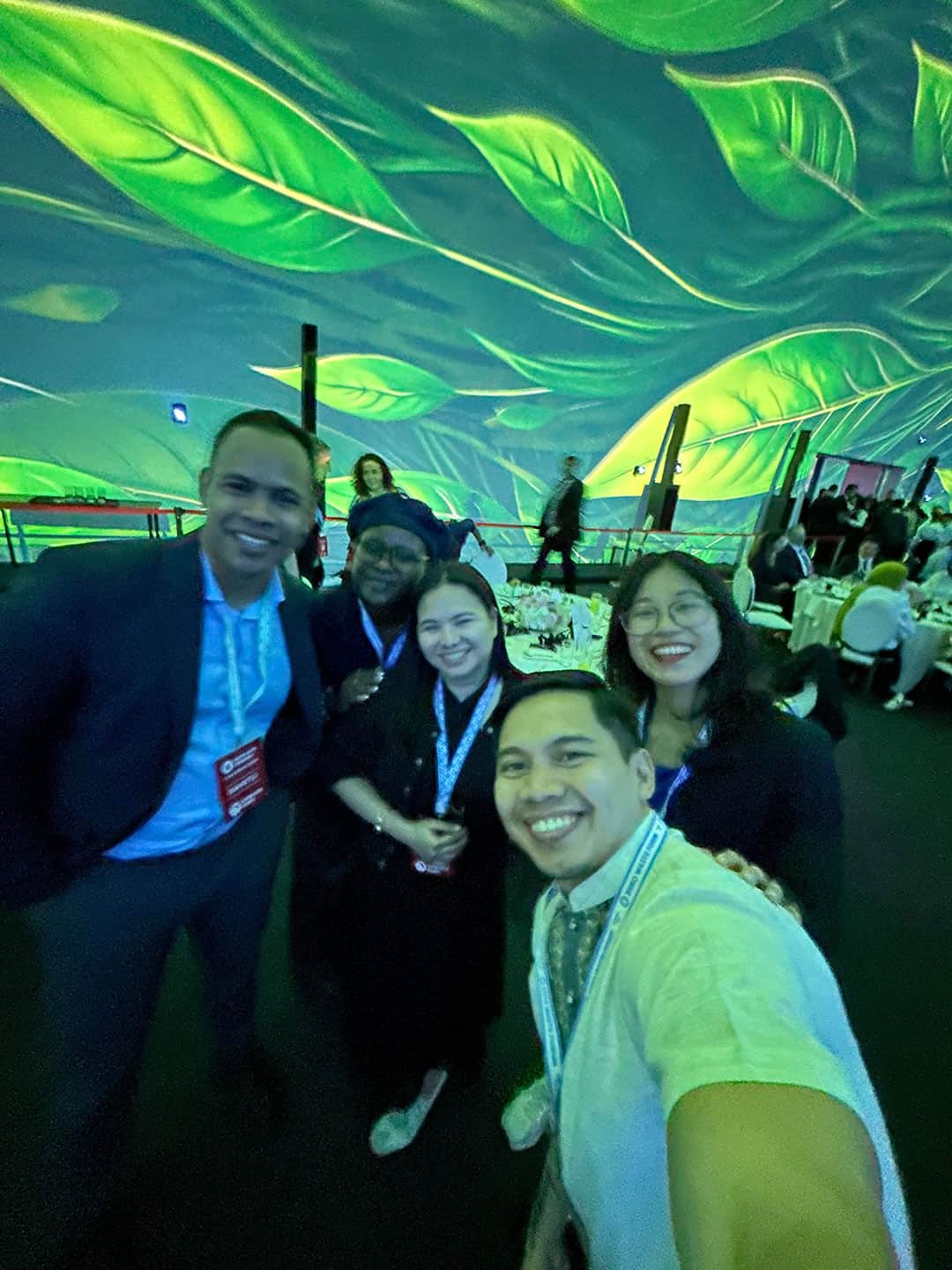
Throughout the forum, SDI delegates exchanged experiences with practitioners, local governments, development partners, and civil society organizations, exploring how community-led Zero Waste systems can strengthen climate adaptation, improve public health and create more inclusive cities.
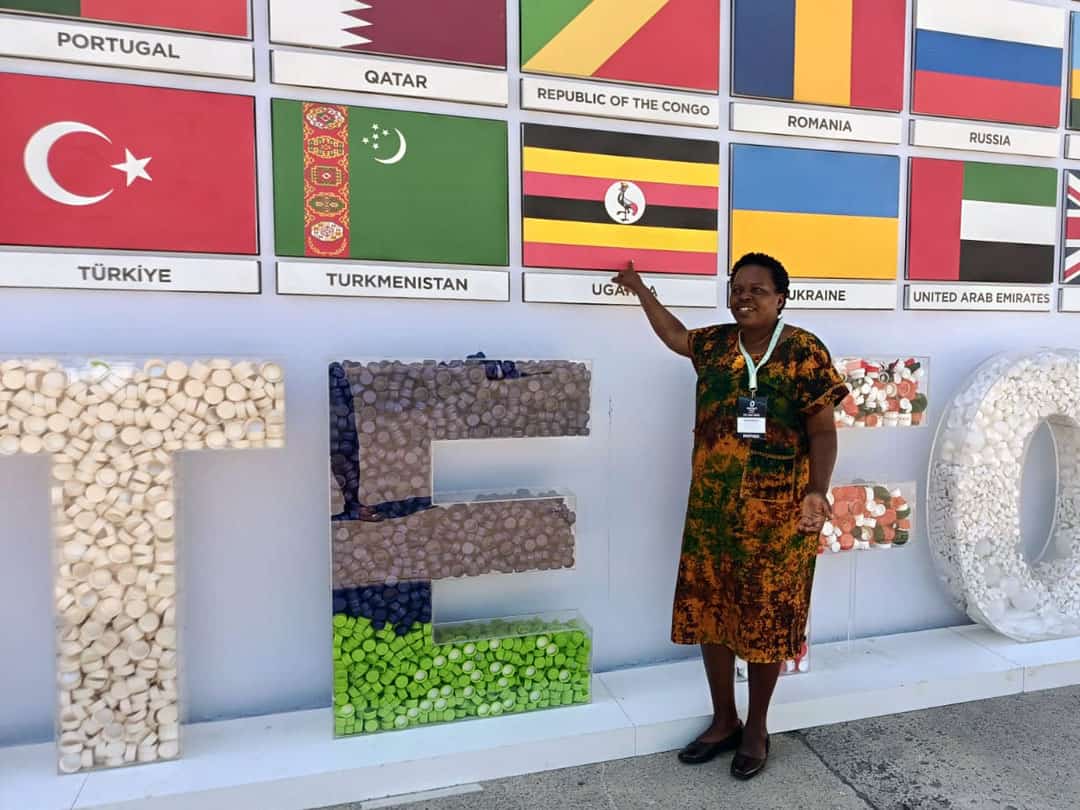
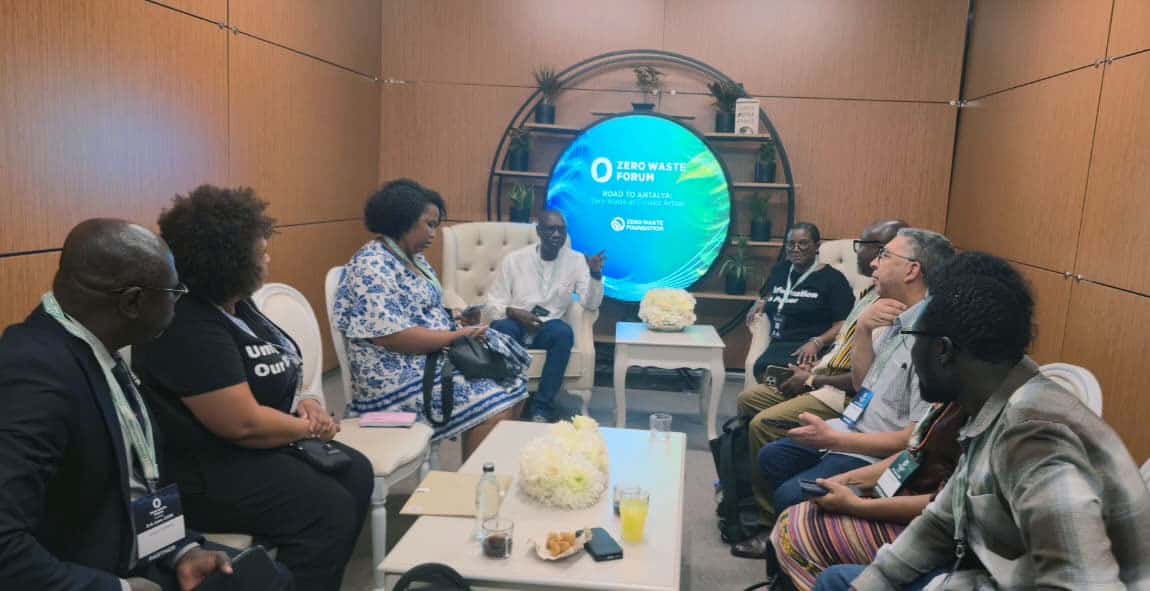
Learning from Community-Led Zero Waste Champions
The forum opened with discussions emphasizing the urgent need to transition from linear waste management systems toward circular and climate-responsive approaches. Several sessions showcased inspiring examples from the Philippines, demonstrating how local governments and communities can work together to achieve transformative environmental outcomes.
One of the sessions highlighted how communities work with the local government, the “Mayors Implementing Zero Waste,” featured the City of San Fernando, Pampanga, represented by Mayor Vilma Caluag through Mr. Froilan Grate, Executive Director of GAIA Philippines. The city is recognized by the United Nations as one of the world’s leading Zero Waste Cities. San Fernando demonstrated how strong political leadership, community participation and consistent implementation of ecological solid waste management policies have transformed its waste management system. The city now operates functional Materials Recovery Facilities (MRFs) across all 35 barangays, achieving over 80% waste diversion, 93% waste segregation and significantly reducing waste collection costs through resource recovery and citizen participation. Practical initiatives such as the Plastic-Free Ordinance, refill-and-reuse systems, and the “No Segregation, No Collection” policy illustrated how local governments can successfully combine policy reform with community action.
Communities at the Center of Climate Solutions
The second day expanded discussions beyond waste collection, focusing on waste reduction, financing, methane mitigation, and circular economy approaches. Specific attention was given to organic waste, one of the largest contributors to methane emissions globally.
By the third day, conversations shifted toward people-centered approaches, highlighting the critical roles of youth, women, informal workers and grassroots organizations in advancing Zero Waste systems.
Resonating SDI’s work was “Informal Sector as Infrastructure for Cities.” The discussion challenged conventional perceptions of informal waste workers by recognizing them as essential contributors to urban sustainability rather than marginal actors. The session reinforced the importance of integrating community-led waste systems into formal city planning while advancing a Just Transition that leaves no one behind. The forum also featured Mr. Rap Villavicencio, Program Director of the Mother Earth Foundation, who shared successful experiences from the Philippines on building inclusive and decentralized Zero Waste systems. Drawing from years of community practice, he emphasized that lasting transformation happens only when communities are involved from the very beginning through data collection, stakeholder engagement, planning, implementation, and continuous monitoring. His message resonated strongly with SDI’s own philosophy, “Sustainable Zero Waste systems must be built with communities, not merely for communities.”

Strengthening Community-Led Climate Action
For the SDI delegation, the forum was more than an opportunity to exchange technical knowledge. It is a platform for strengthening relationships among federations, learning from best practices and exploring how community-led Zero Waste systems can be adapted within informal settlements. Across many SDI affiliates, communities already practice forms of resource recovery, recycling, savings-led collective action, and neighborhood organizing. The discussions in Istanbul reinforced that these existing community structures provide a strong foundation for advancing more comprehensive Zero Waste systems that improve environmental conditions while strengthening climate resilience and local livelihoods.
The Zero Waste Forum demonstrated that achieving Zero Waste requires partnerships across governments, civil society, academia and grassroots organizations. Most importantly, it reaffirmed that urban poor communities are not passive recipients of environmental programs but are active leaders in designing practical, locally driven climate solutions.
As the global community looks toward COP31 in Antalya, the experiences shared in Istanbul provide a powerful reminder that community-led action will be indispensable in building more resilient, inclusive, and sustainable cities for the future.