Informal settlements are often described by what they lack: poor housing, no jobs, few services. But spend time in Kafue’s informal settlements and you see a different story. Behind every challenge are young people with ideas, energy, and knowledge of their own communities that no outsider can match.
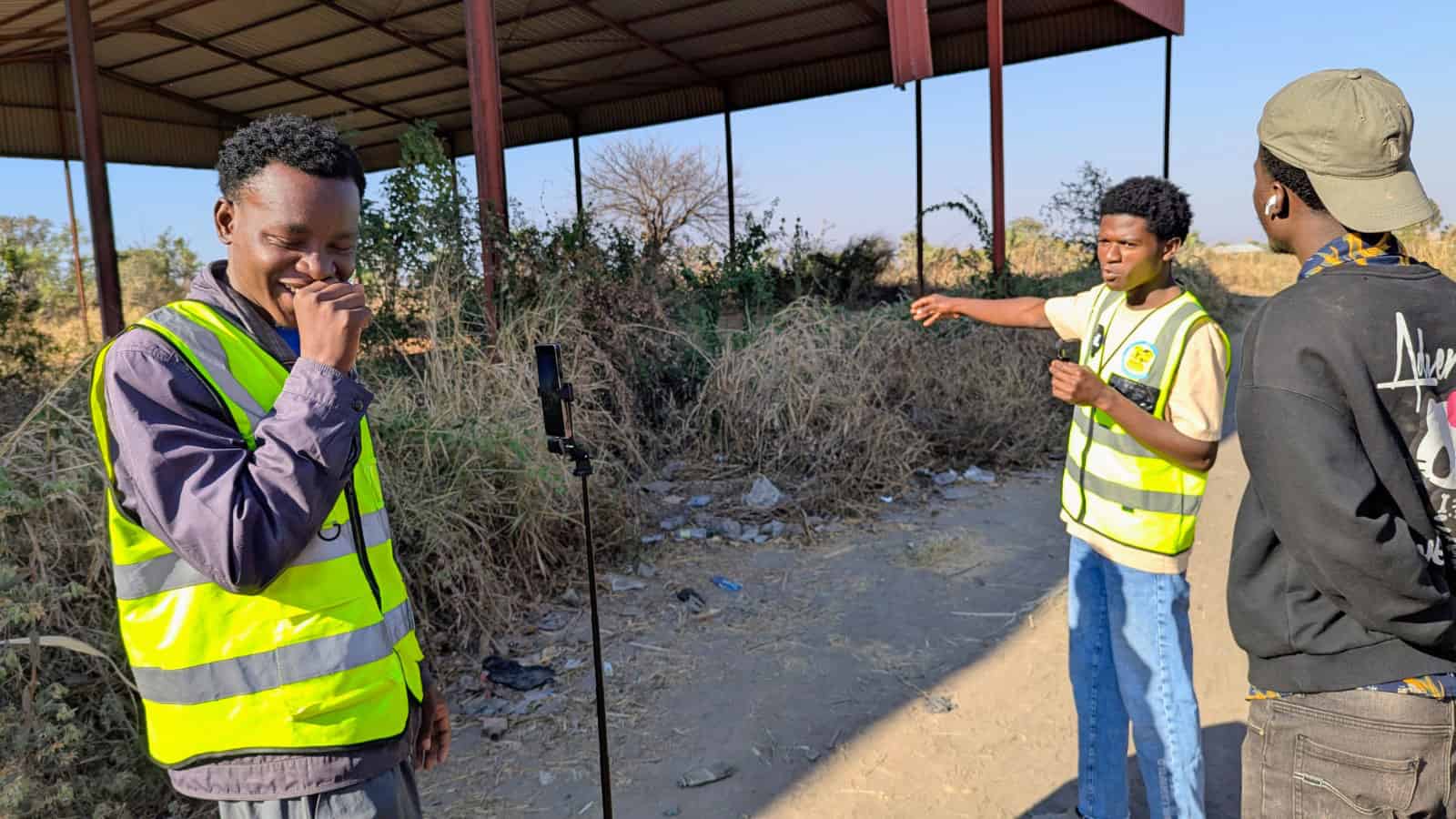
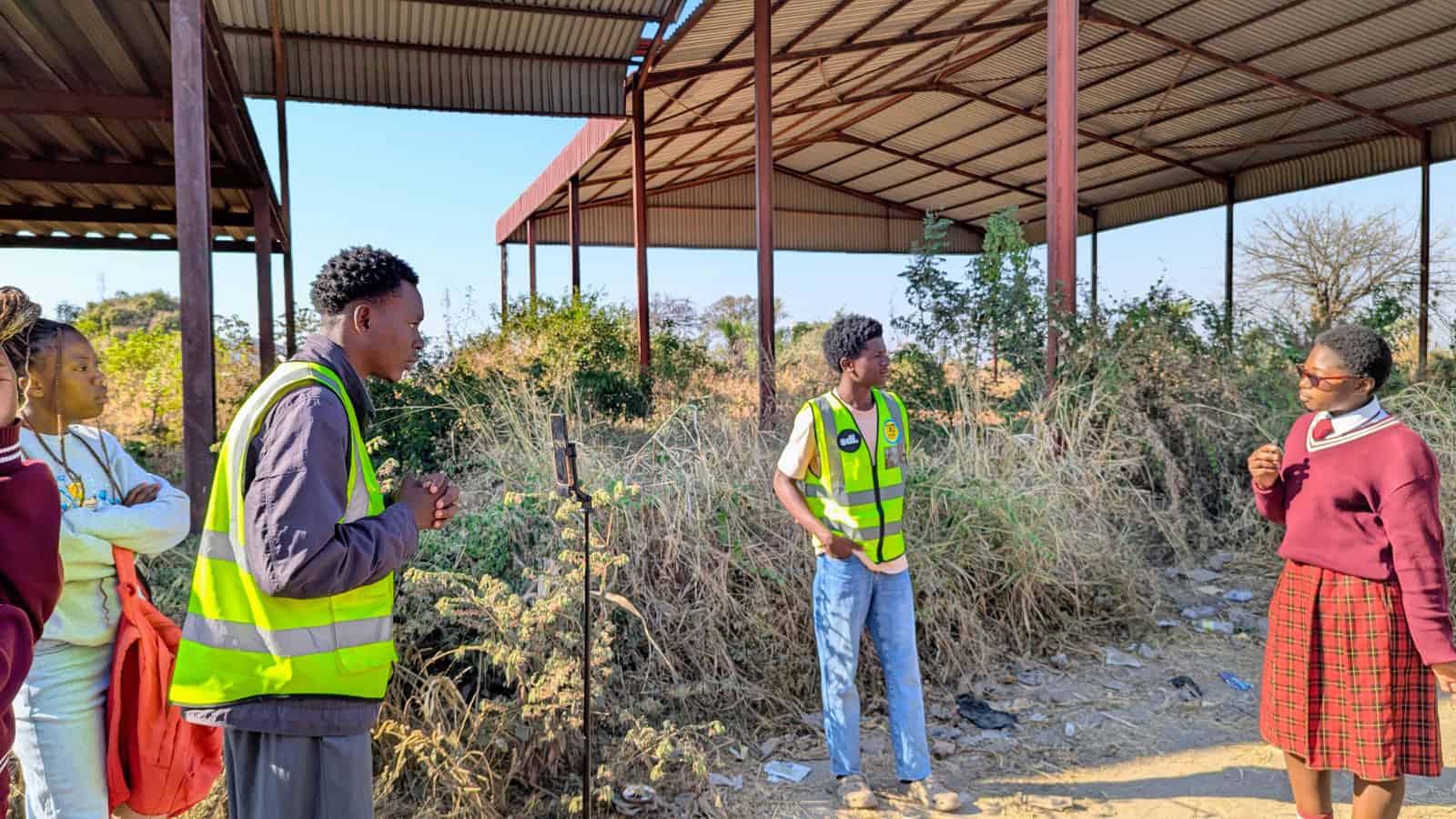
Kafue Youth Federation members livestream safety concerns to get local leaders to act.
Over the past year, 230 young people from Soloboni, Mutendere, Flashbutt, Kalundu View and Lumumba came together to form the Know Your City (KYC) Youth Collective. More than half are young women. They were trained in community profiling, digital data collection, storytelling, learning, monitoring and evaluation and ethical research practice. Many had never seen themselves as researchers or leaders before. Now, their work is helping shape the future of their settlements.
One of the biggest achievements this year was profiling 3,226 households across the five communities.
One of the biggest achievements this year was profiling 3,226 households across the five communities. The result is more than numbers on a spreadsheet. The communities now have reliable information about their living conditions, livelihoods, access to services, climate challenges and opportunities for growth. For many residents, this is the first time their reality has been documented by people who understand them.
Too often, decisions about informal settlements are made without accurate local information. Investments are based on guesswork instead of evidence. When young people from the community collect the data, the knowledge belongs to the community. That knowledge can help local authorities plan better, help partners invest wisely and give communities a stronger voice when they push for what they need.
PPHPZ Project Lead Mr. Imboela Dean Mwiyambango addresses youth following a door-to-door data collection exercise across five informal settlements in Kafue
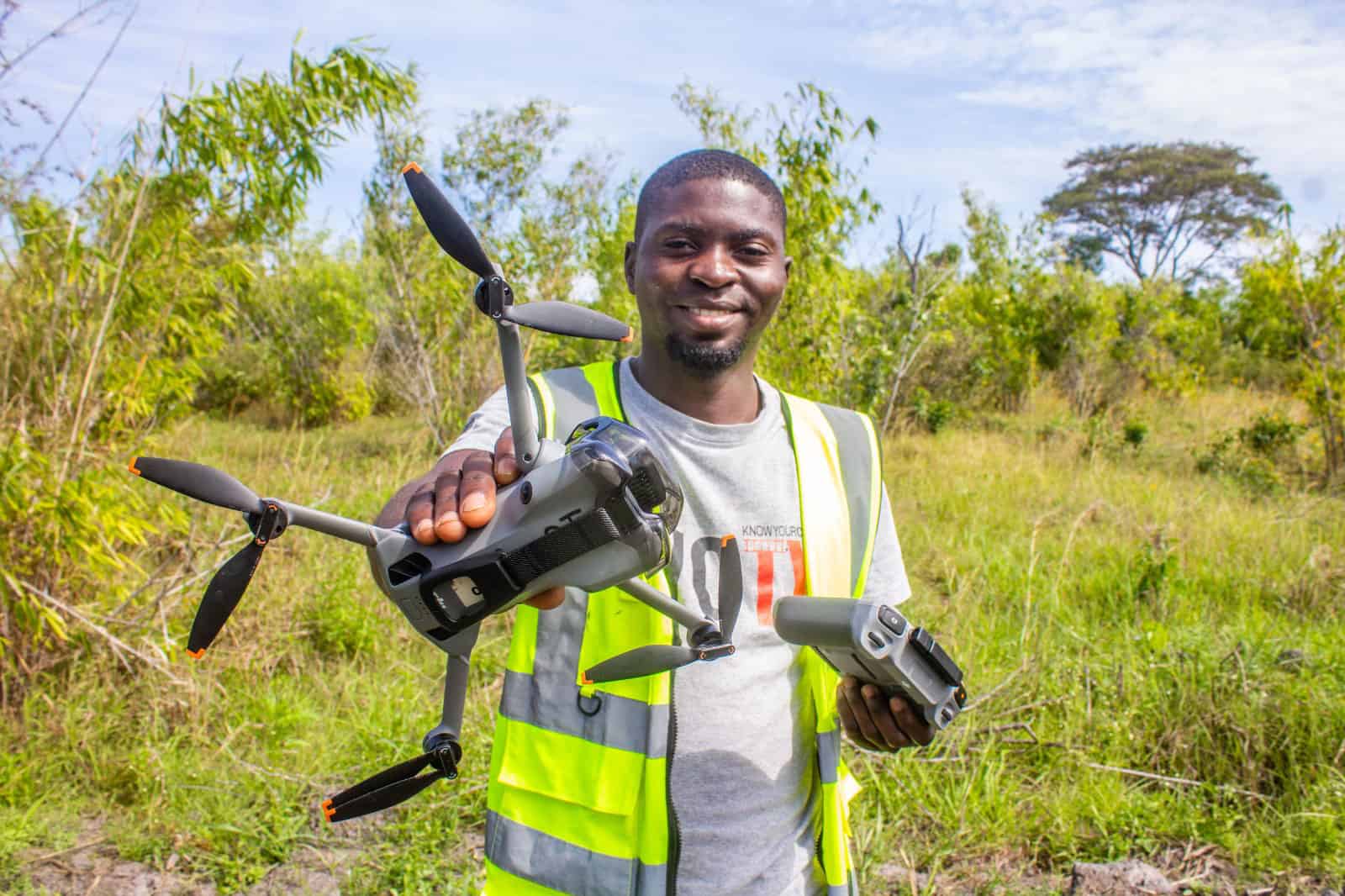
Maxwell Kaluba, a Kafue Youth Federation leader and the community's first certified drone pilot, captures aerial footage
The gains go beyond data. Young participants have gained confidence, leadership skills, and practical experience that will stay with them long after the project ends. Some who were once nervous about speaking in public are now facilitating discussions, engaging local leaders and coordinating activities in their communities. They are creating their own opportunities.
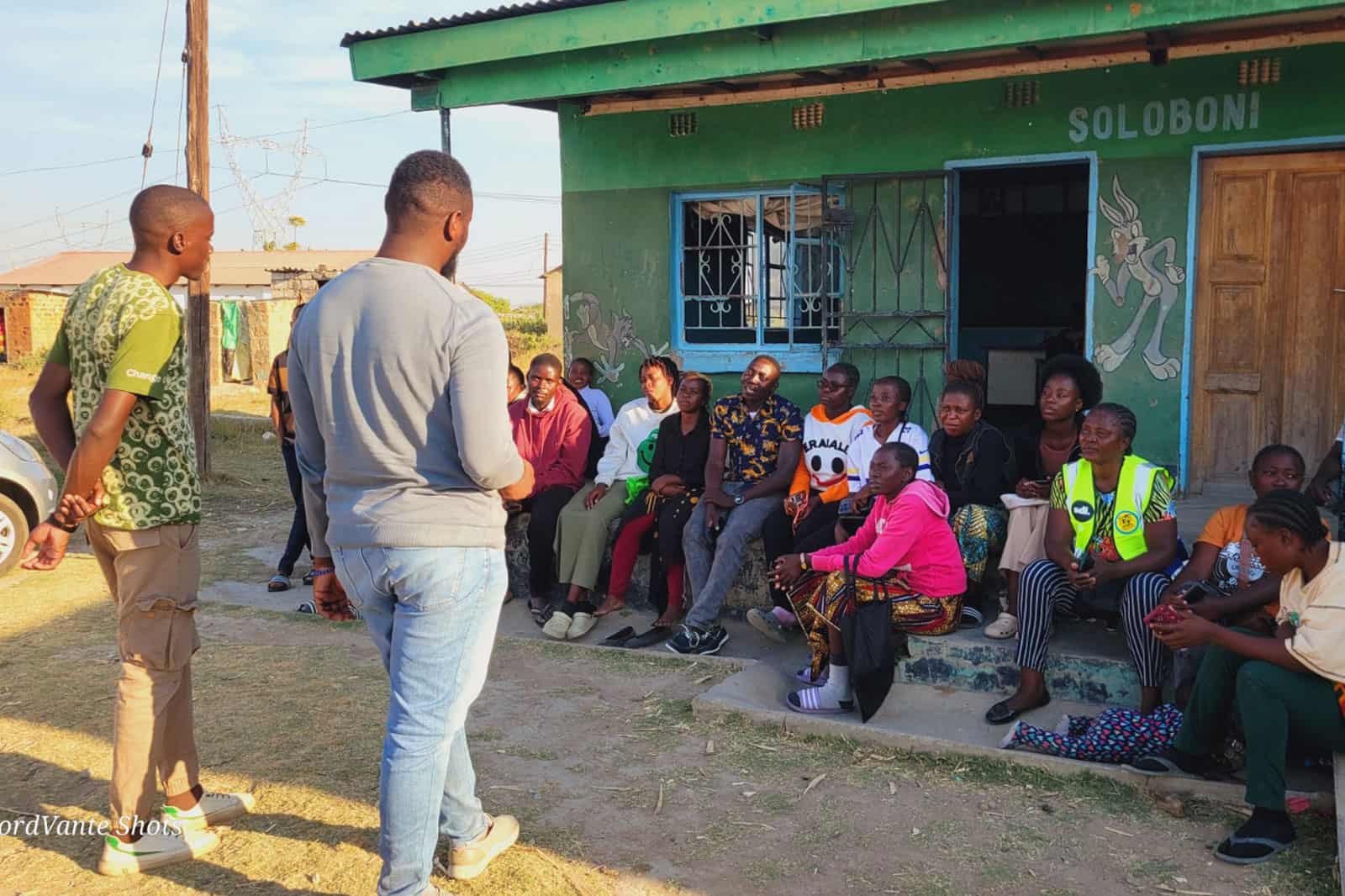
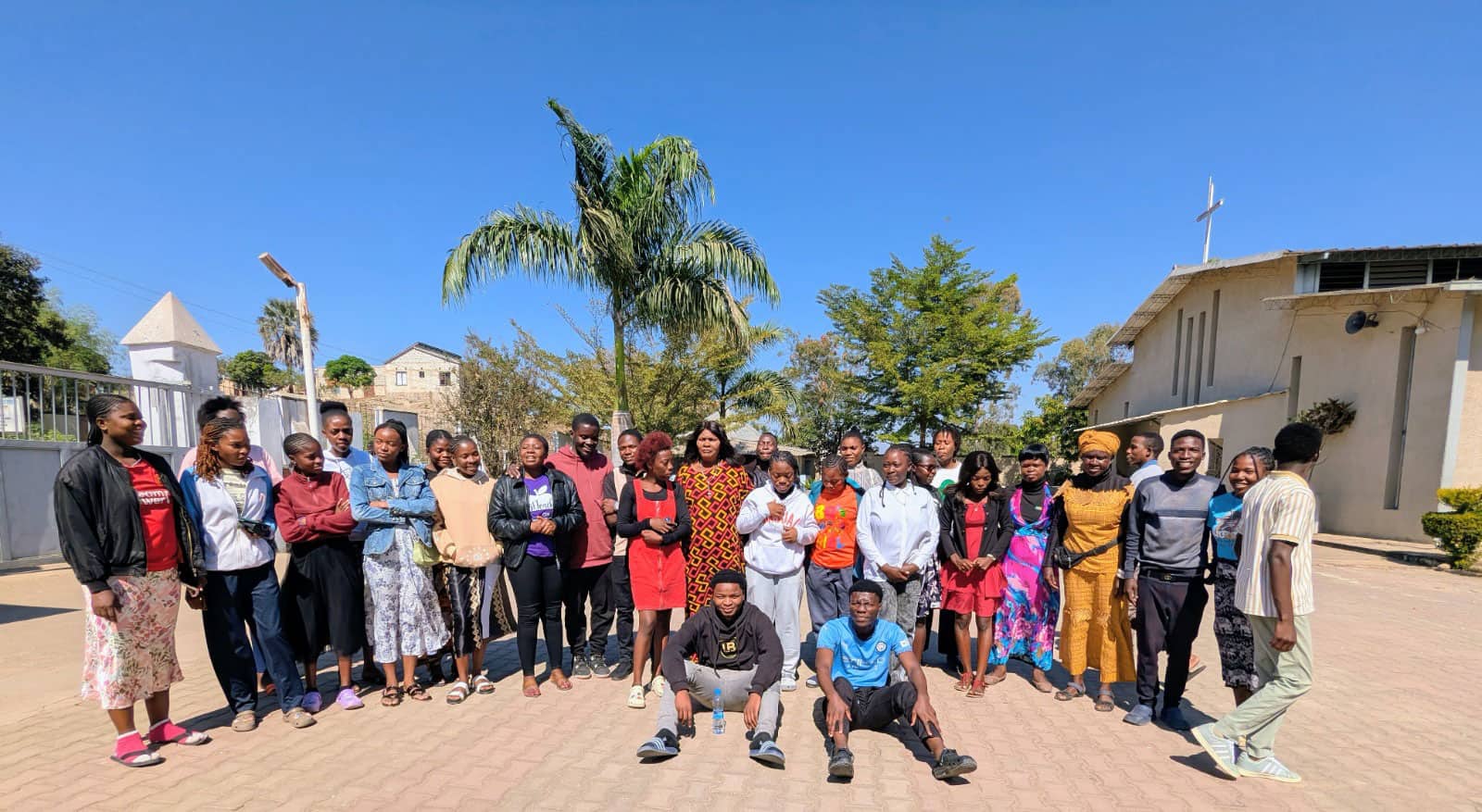
Young people from five informal settlements gather after completing Federation Savings training, led by Federation women
Youth advocate Blessed Sichalwe, with Margret Mauma, Eunice Kashweka, George Kasoka, Francis Makwayanga, and Maxwell Kaluba, leads a live broadcast for the Kafue Youth Federation Facebook page
Year One built the foundation. Year Two is where the ideas from the past twelve months start to take shape.
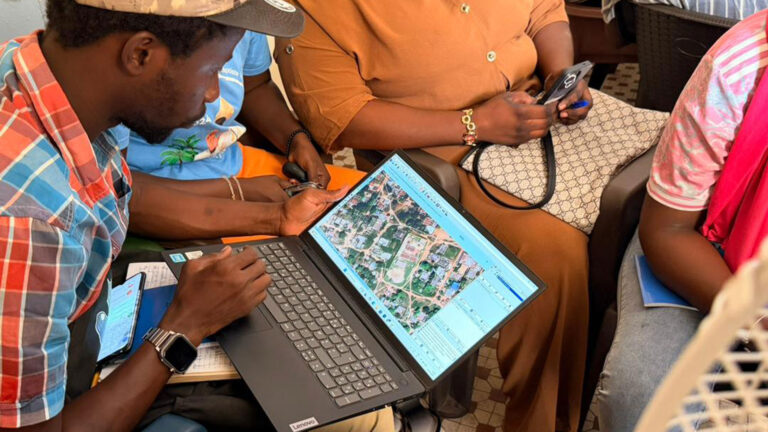
The information from thousands of households will be studied to find opportunities in youth-led business, climate-smart farming, waste management and digital work. A Youth Knowledge Hub will give young people a space to study data, produce their own knowledge, and work with partners. Learning Labs will bring together communities, government, business and organisations to test solutions built on real community priorities, not assumptions. Drone mapping and geospatial analysis will add another layer, helping communities and local authorities see settlement conditions clearly and plan better.
Youth unemployment remains one of the biggest challenges in Zambia, especially in informal settlements. But young people are not just looking for jobs. They are looking for chances to contribute, build and shape better futures for themselves and their communities. By combining local knowledge with skills, technology and partnerships, this initiative is helping young people turn information into action and ideas into opportunities.