No shelter, no sales: Otjinene street vendors and extreme weather
By Kavezembua Kotjipati, Charmaine Upingasana, Turipi Uakavi and Uazepaisa Uaseta of the On the Street crew, KYC.TV Namibia
Imagine trying to earn a living under a scorching sun or during a heavy downpour. For many street vendors, this is a daily reality as climate change makes the weather conditions more unpredictable. Overall, street vendors play a vital role in supporting livelihoods and making essential goods more accessible to the local community. They create employment for themselves and empower marginalized groups to generate income. We, the “On the Street” team of the KYC.TV youth in Namibia, are very concerned about the suffering of street vendors affected by climate change.
The current population of Otjinene is 6,272, with an annual population growth rate of 4.5%, according to the Namibian Statistics Agency. However, this agency does not count the community’s employment, so we went out to the field and counted them ourselves. In a July afternoon of 2026, we counted a total of 82 street vendors. Amongst these 82 vendors, 43 were selling clothes, 27 sold kapana, 12 sold fruits and veggies. Mr Kamati is 30 years old and a clothing vendor. He started selling clothes in 2018. He has been facing downpour rain challenges during rainy seasons. The rain damages the clothing and he ends up closing the business for two to three days in a week. When no sales are made, he cannot afford to pay rent and sometimes he starves.
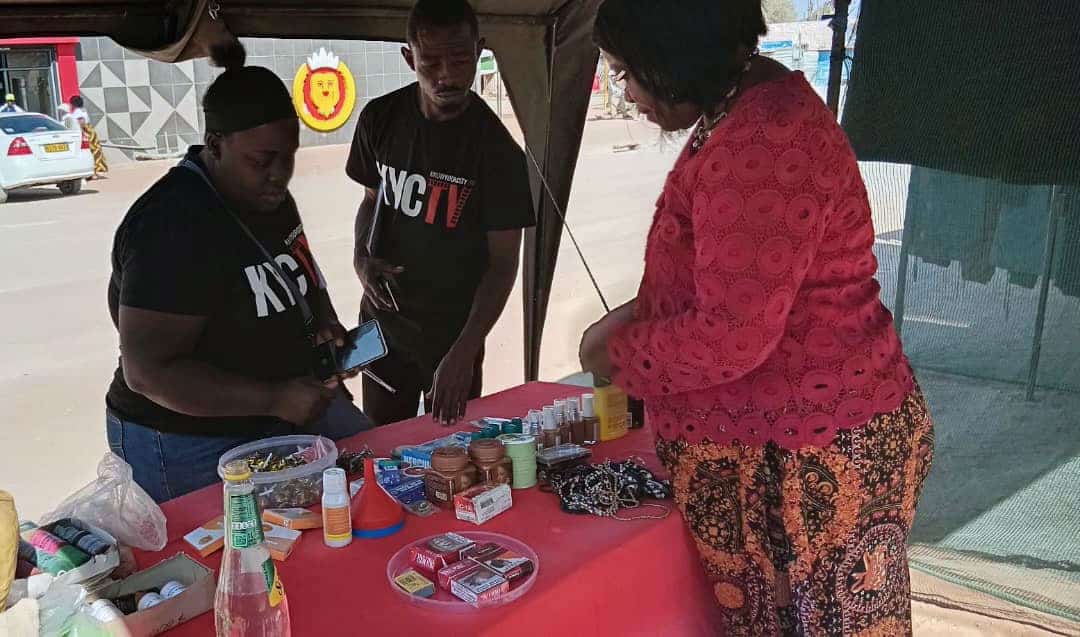
Clothing and cosmetics vendor
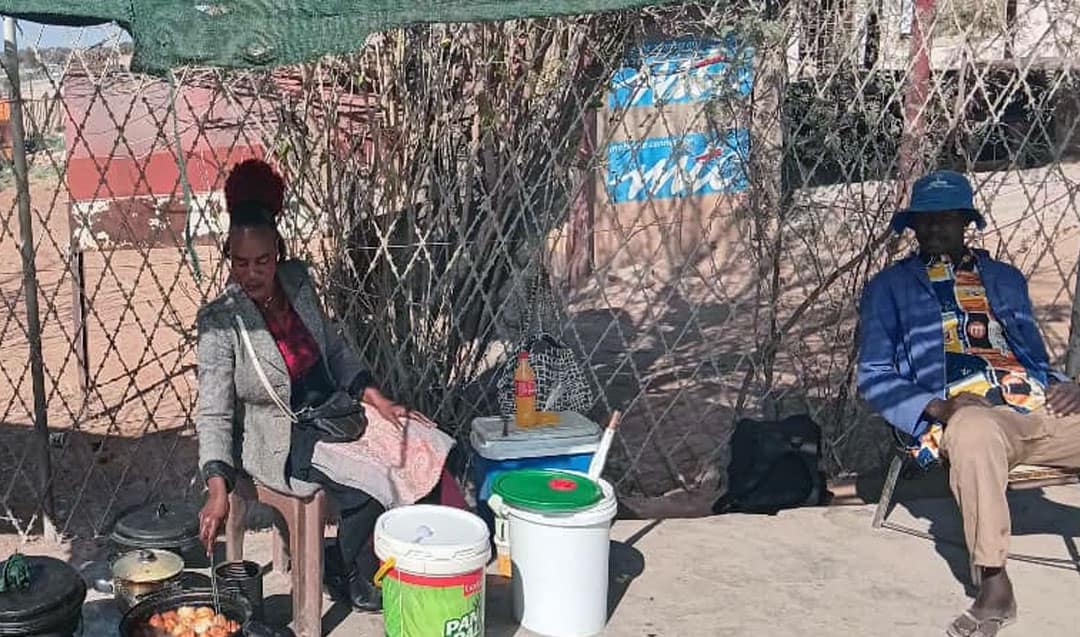
Kapana vendor making fat cakes
Miss Anna is 45 years old and a kapana seller. The word kapana simply means a public place in Namibia where food is being prepared and sold. The term originates from the Oshiwambo and Ndonga languages. Miss Anna complained about the strong winds, which lift up the sand into the food. This makes her cooked products gritty and soiled, resulting in her losing her daily income simply because customers wouldn’t buy under those conditions. She also said if she didn’t make any sales, she would go hungry. She is the bread winner of the family, and sometimes she can’t even afford to pay school fees for her children. Another street vendor added that dust affects their health, as it impacts their breathing and physically disturbs their sight. Both vendors stated that not getting any customers is threatening their way of living.
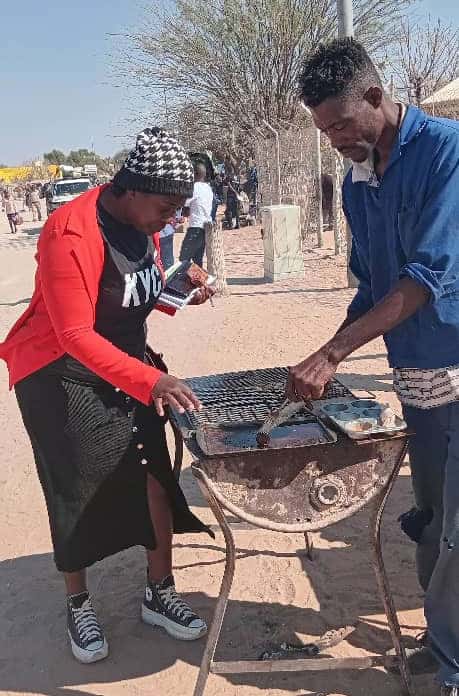
Kavezembua (KYC.TV Youth member) buying grilled meat from a kapana vendor
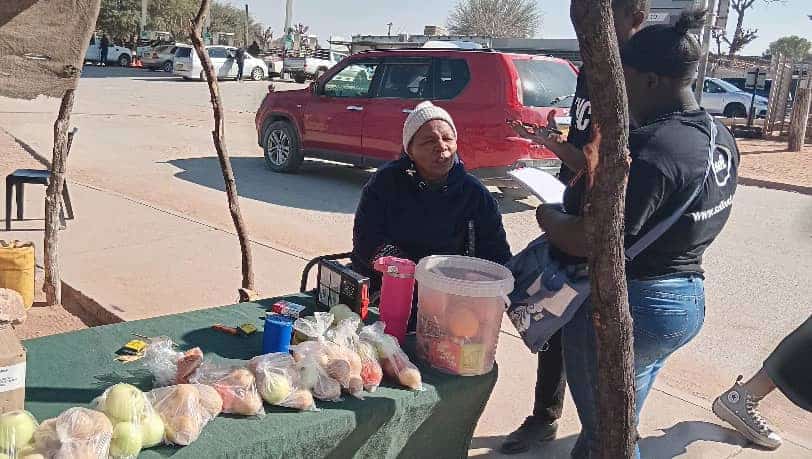
Fruits and vegetables vendor in Otjinene
To our surprise, we met a SDI Namibia federation member, Ms. Vatjizaije Karupa, who gave us details of why she started selling on the streets back in 2023. She said she experienced financial difficulties in her federation’s savings group, so she decided to start selling produce on the streets. Despite the heatwaves and scorching sun, she kept on so that she could improve her savings. “Most of the fruits and vegetable sellers suffer from heatwaves due to no proper shelters [for selling]. The product ends up rotten and contaminated,” she said.
Climate change is making life increasingly difficult for street vendors by damaging their goods, reducing their income and exposing them to dangerous conditions. Despite these challenges, they continue to provide essential goods and services to support their communities. Moreover, all of the interviewers asked to be assisted with proper shelter, chairs and tables. Some even asked for fridges and catering equipment. As our team wandered around Otjinene having conversations with the street vendors, we discovered there are some ways in which their conditions could significantly improve. Having a cooler storage could cater for all the nearby vendors, keeping their products cool while they are out selling. Also, more accessible public toilets need to be addressed, as well. Ultimately, local authorities need to be present to help out these local entrepreneurs.