The rain no longer comes at the usual time: Otjinene farmers and the drought
By Yolanda van Rooyen, Ngunoue Toromba and Himeezembi Mbaha of the Climate Action Reporters crew, KYC.TV Namibia
Climate change is one of the biggest challenges facing communities in the Otjinene Constituency in the Omaheke Region. Changing weather patterns, long droughts and unpredictable rainfall are affecting farming, livestock, wildlife and the livelihoods of many families.
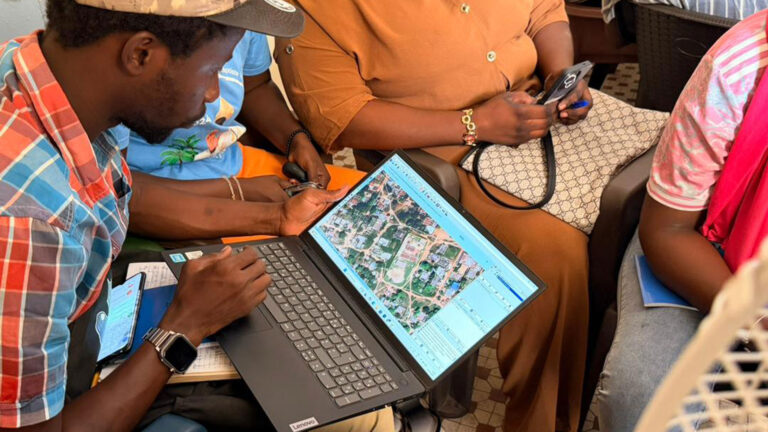
We are three KYC.TV youth members. We wanted to find out how drought is affecting farming in Otjinene, so we spoke to the local councillor, farmer Uakasuva Kaputjaza and to community member Simson Vekondja Jamuine. We planned our fieldwork by preparing interview questions and assigning roles among ourselves, such as interviewer, note taker, photographer and voice recorder.
According to the 2023 Namibia Population and Housing Census, the Otjinene Constituency has 12,415 people living across 93 villages. Livestock farming is the main way people earn a living here. The constituency has the largest cattle population of any rural constituency in Omaheke, with 99,127 cattle recorded in the 2014 livestock census. These figures show how much is at stake when there is a drought.
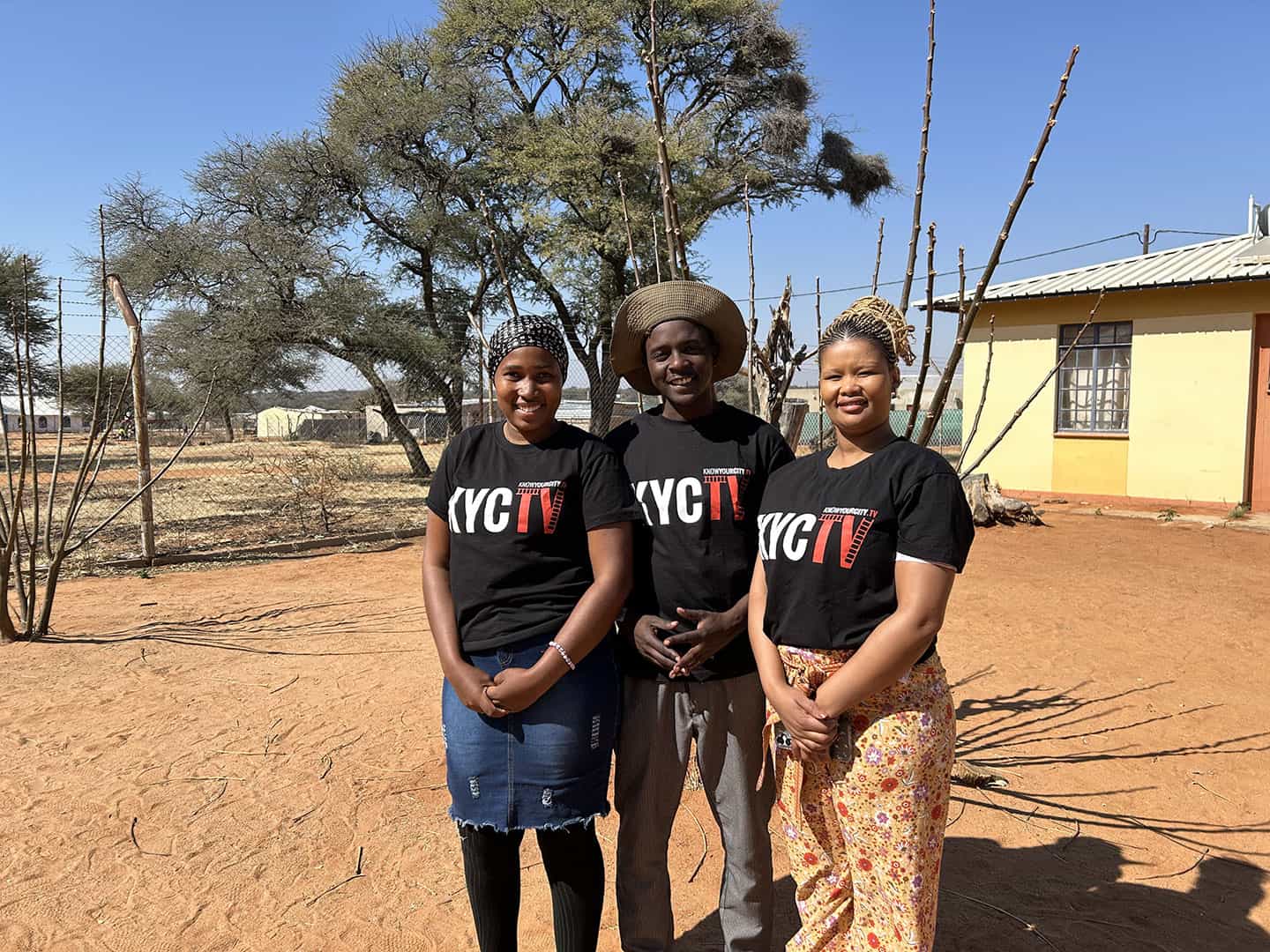
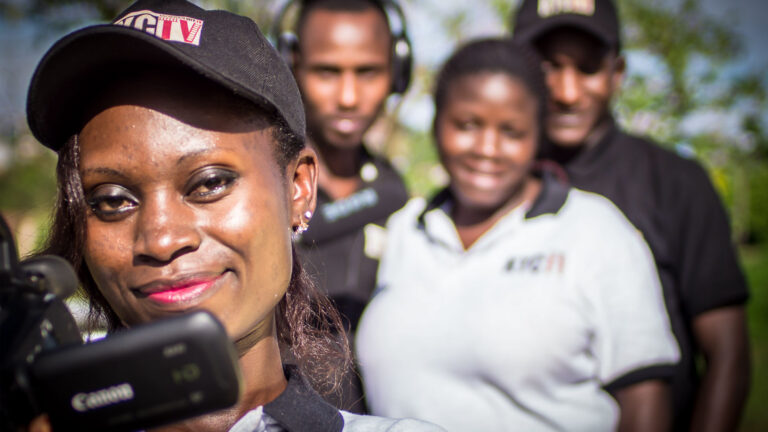
The Climate Action Reporters crew. From left: Ngunoue, Himeezembi, Yolanda.
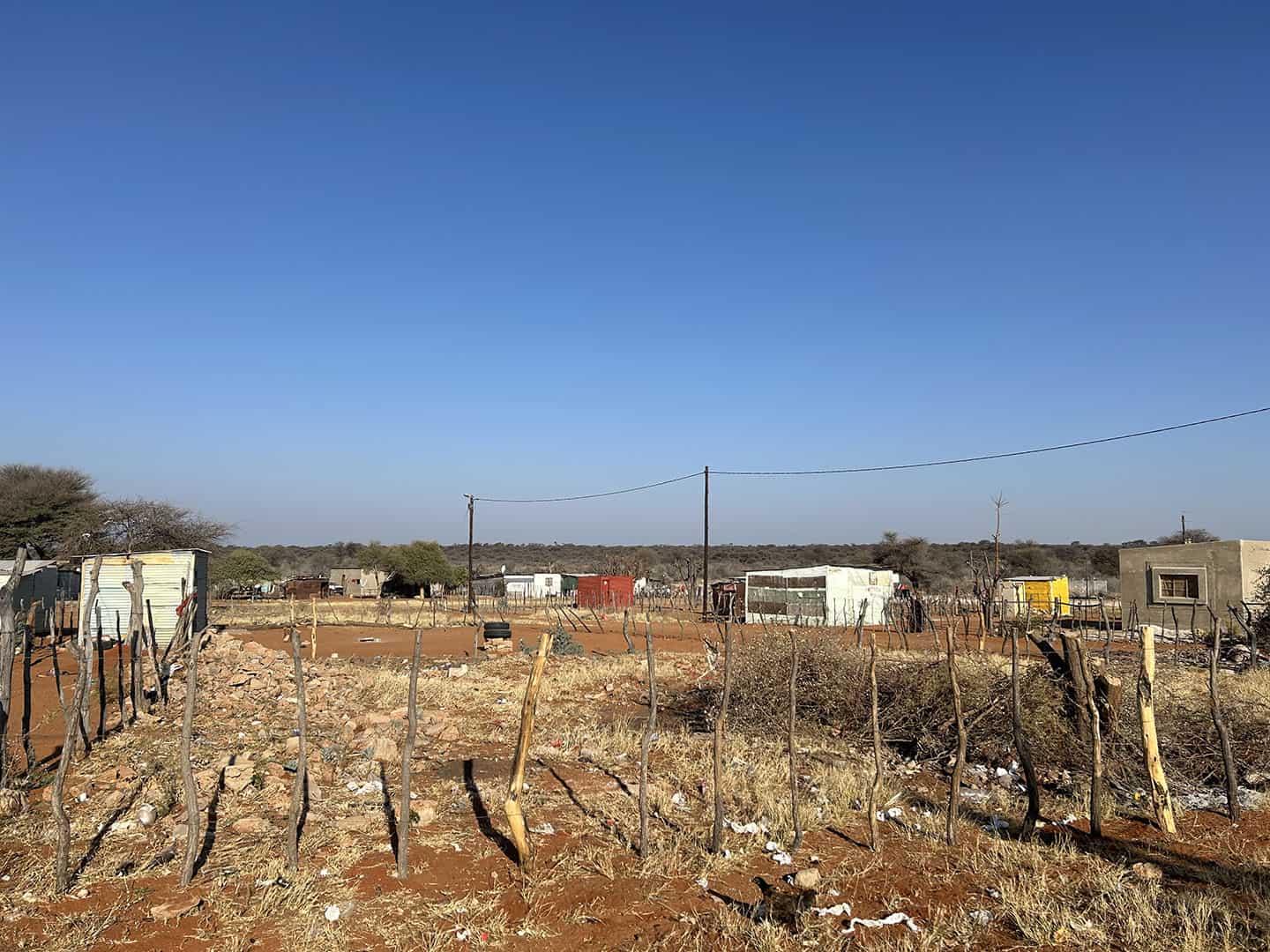
Dry red soil with little grass cover in rural Otjinene.
In an interview with the councillor, he states that many families continue to experience food shortages because of recurring droughts. “Many children and vulnerable families do not have enough food because climate change has affected our area,” the councillor says. He explains that poor rainfall has reduced crop production and grazing land, making it difficult for farmers to feed their livestock. Although the government provides drought relief, some farmers experience delays in receiving assistance because of administrative processes, he says. “Farmers should adapt by storing animal feed and planting drought-resistant crops,” he advises.
In an interview with farmer Uakasuva Kaputjaza, he describes how drought affects different types of livestock. “Goats survive better because they can eat bushes and leaves, but cattle suffer more during drought,” Kaputjaza says. He explains that recent rainfall has improved grazing conditions and livestock health. “We have received good rainfall in the past few months and our animals are healthier because there is enough grazing,” he adds. Kaputjaza encourages farmers to prepare for future droughts by storing food, planting crops that can be used as livestock feed and managing their grazing areas wisely.
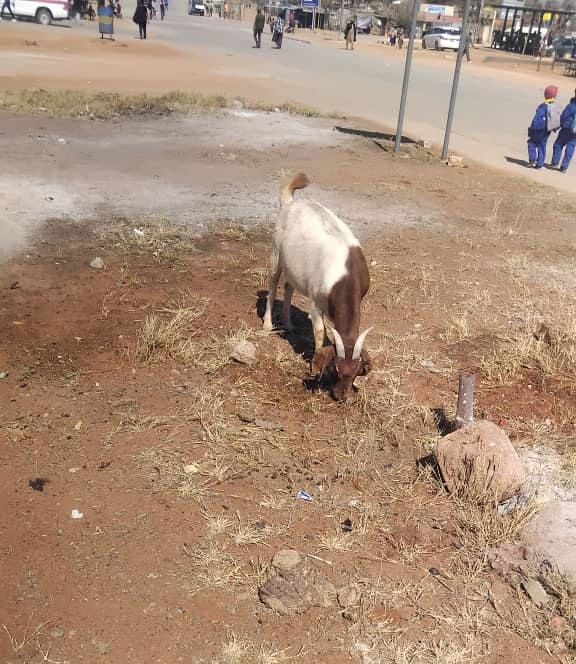
Goat eating dead grass in a drought-stricken area in Otjinene
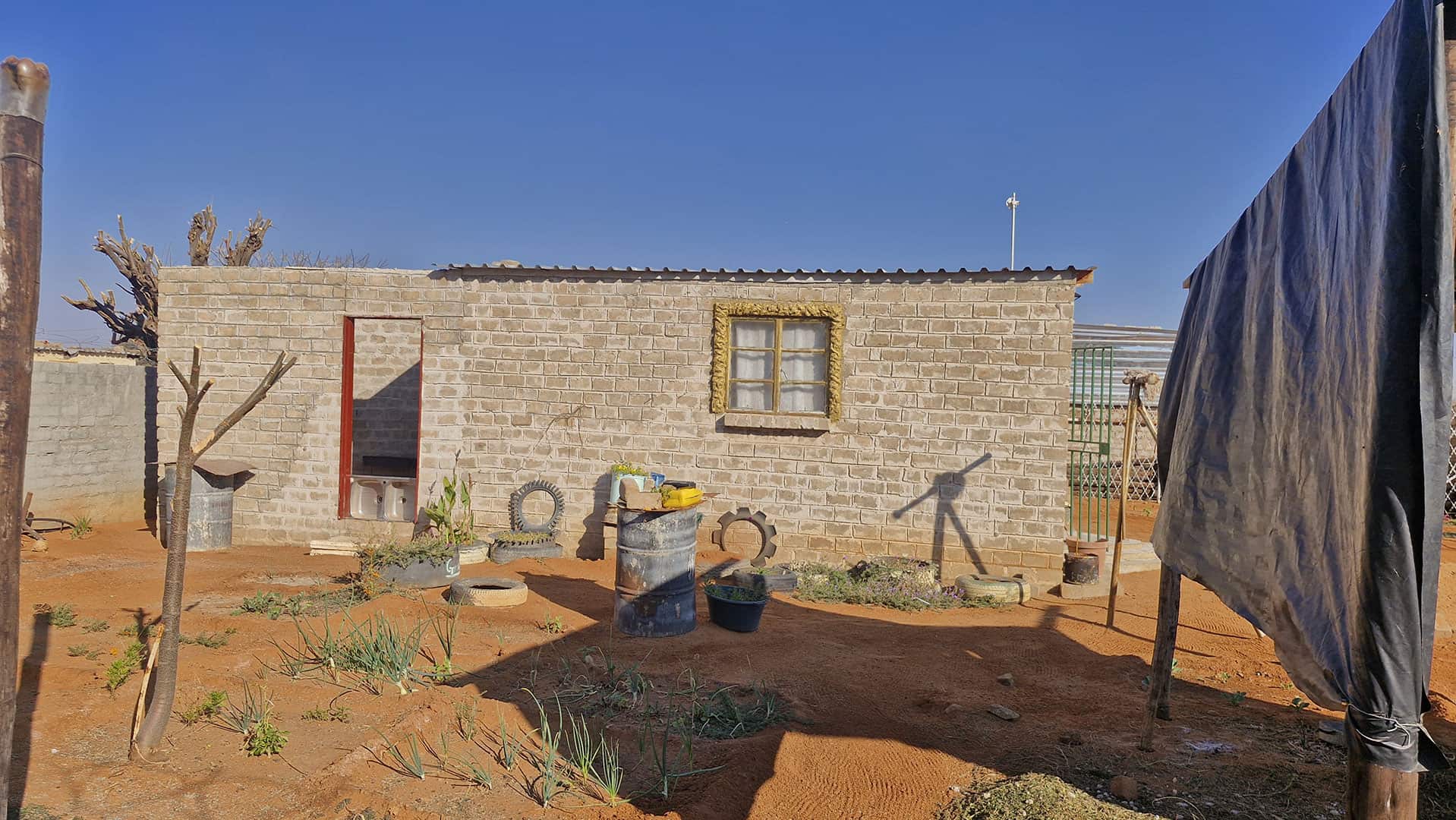
Rural dwelling with a dry garden
Simson Vekondja Jamuine says climate change is affecting both people and wildlife. “Sometimes the rain does not come and animals in the forest also suffer because of water shortages,” he says. He warns that drought forces wild animals to move long distances in search of food and water. “Some animals die while looking for food because there is not enough to eat.”
Jamuine believes that reducing the effects of climate change requires cooperation between the government and the community. “The government may assist up to 50%, but communities also need to contribute the other 50% by preparing for drought and taking responsibility for their own farming,” he says. Although this year brought better rainfall, he warns that weather patterns have changed. “This year we received enough rain, but the rain is no longer coming at the usual time,” Jamuine explains. He encourages farmers to store food, preserve crops and make full use of the government support programmes before drought strikes again.