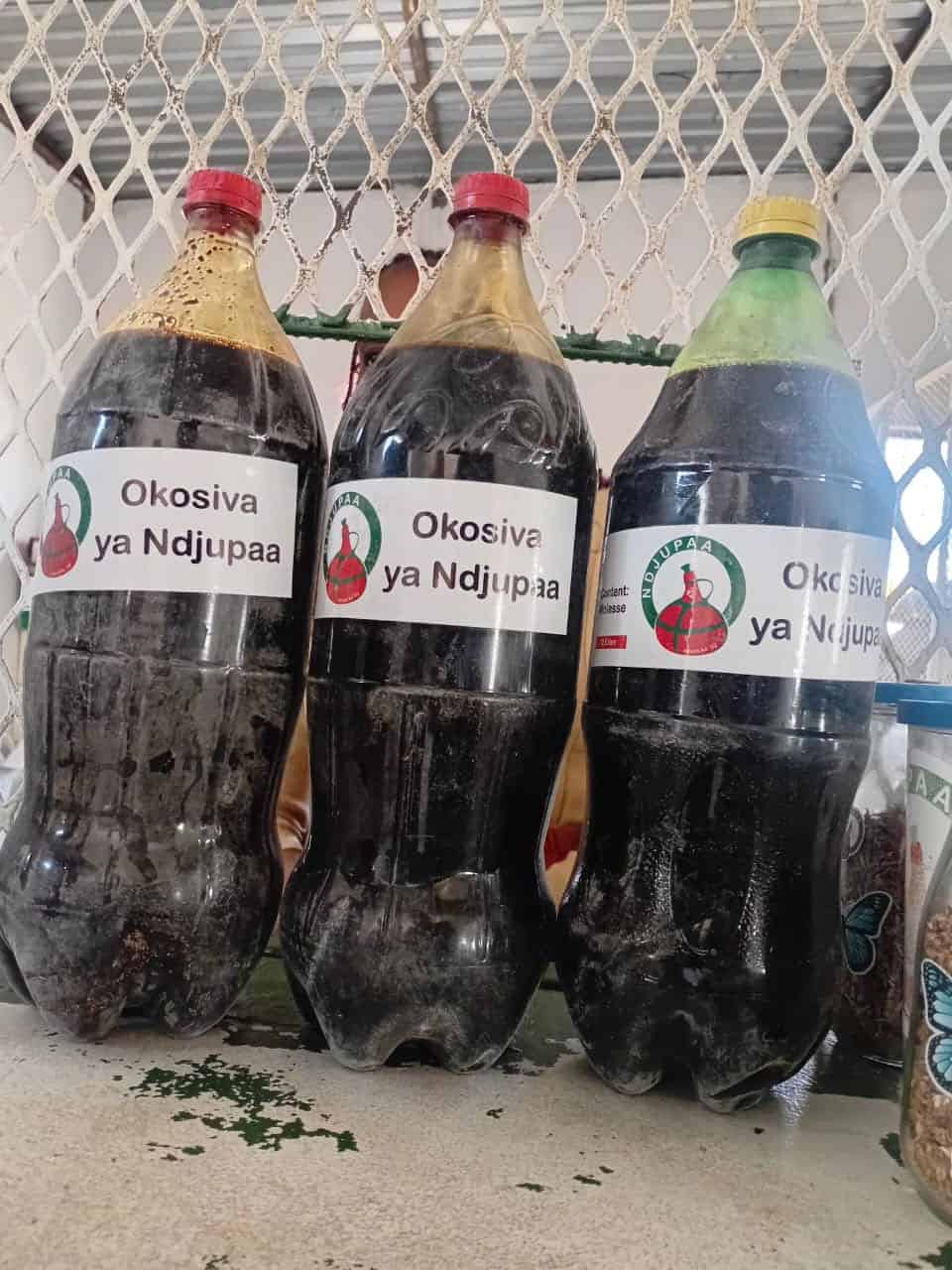
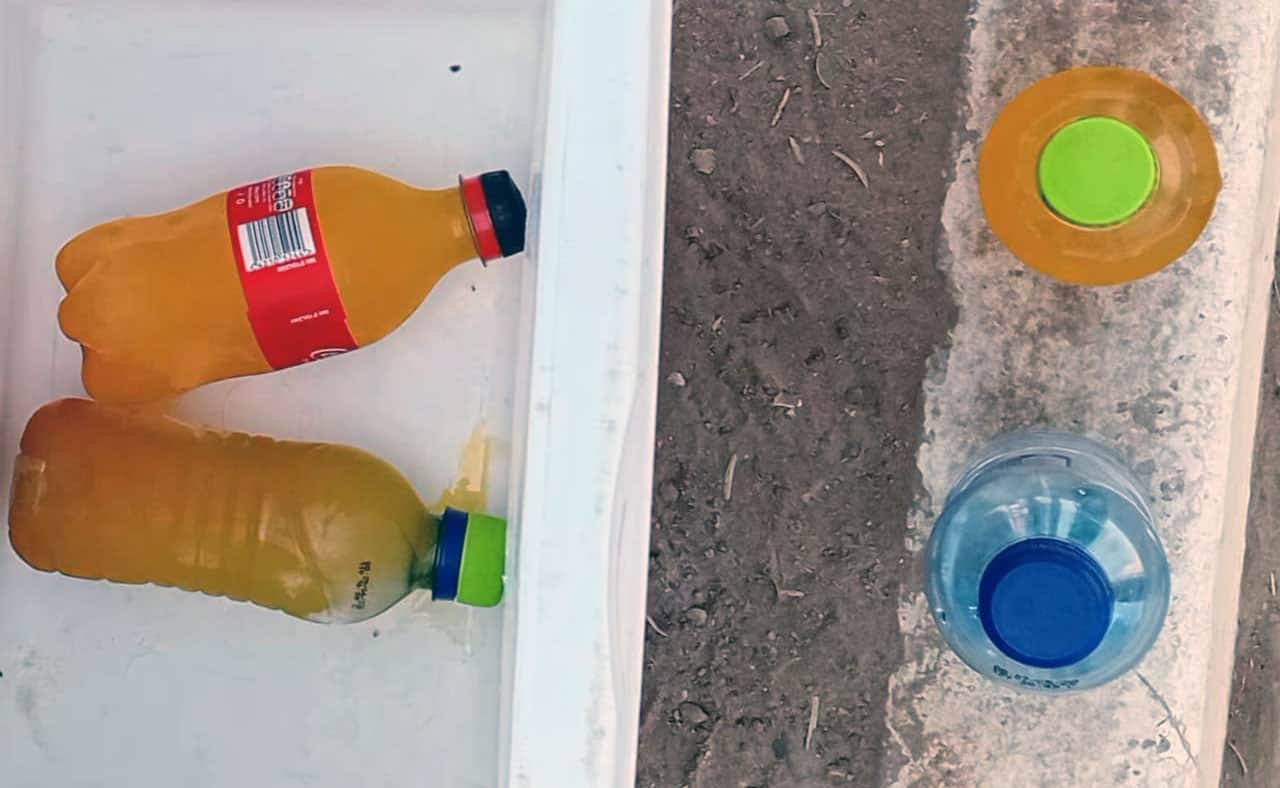
Mr. Mbamanovandu is 30 years old. He recycles plastic containers in order to store animal lick, a nutritious supplement for livestock. He said “I walk to the supermarket, during certain occasions, like when the town is overcrowded with [livestock] auctions, end of the month and more during pensioners’ grant day. During those days, I collect close to 600 plastic bottles. I collect these, clean them up and fill them up with animal lick for my farmers who cannot afford the original containers. This way, I make sure that there is bread on my table everyday. During winter, my recycling process becomes slower since it is very cold. I cannot go look for plastic bottles. [During summer,] bottles have holes due to the heavy sun exposure. I won’t give up due to seasonal [challenges] because I survive on these items.” This shows how certain weather conditions can directly impact a recycler’s collection process, but they are still willing to endure these conditions in order to make a living.
As a reflection, my teammates and I believe that the local municipality should have a stronger role in waste management by actively helping the local recyclers. For instance, placing more public dustbins on the streets would facilitate young entrepreneurs’recycling businesses, like Ms. Kandorozu’s and Mr. Mbamanovandu’s. This would help them easily find their plastic bottles without any damage from the heatwaves or heavy rain. Under these extreme climate conditions, recyclers also prefer adequate transport to better collect their material, as well as tents to cover their products.