Slum upgrading is climate action

SDI is participating in COP31 held in Antalya, Türkiye, from 9 to 20 November 2026

Residents of informal settlements demand recognition, action and resources at COP30

We are demonstrating that informal settlements are legitimate sites for investment and climate action.

Where to find us at COP31

Below is the latest SDI schedule for the COP31. Please note that this schedule may be subject to change, we will endeavor to keep this page updated with the latest information.

10 November | 10:30 to 11:30

From the grassroots to the global level: accelerating locally-led adaptation in national and sub-national plans and policy strategies, drawing on sub-national climate plans and local adaptation plans

SDI speaker: Rokhaya Fall, urbaSEN, Senegal; Anta Gueye, Senegalese Federation of Residents (FSH)

Venue: GTF/UCLG Pavilion


11 November | 10:30 to 11:30

Launch of the Locally Led Adaptation Plan to Accelerate Solutions (LLA PAS)

SDI speaker: Sikhangezile Page, Zimbabwe Homeless People’s Federation

Venue: Joint MCF Pavilion


11 November | 11:30 to 12:30

Who Holds the Knowledge? Rethinking Equity in North-South Research Partnerships for Climate and Energy Transitions

SDI speaker: Joe Muturi, President, Slum Dwellers International (SDI)

Venue: Higher Education for Climate Action Pavilion


11 November | 14:00 to 15:00

Why Climate Solutions Fail Without Women and Girls

SDI speaker: Sikhangezile Page, Zimbabwe Homeless People’s Federation

Venue: TED Countdown House


12 November

Ministerial meeting on urbanization and climate change

SDI speaker: Joe Muturi, President, Slum Dwellers International (SDI)

13 November

Community-Led Urban Water Resilience: Bridging Informal Settlements, Local Governance and Climate Adaptation Implementation

SDI speaker: Yvonne Nangoma Halwindi, Zambia Homeless and Poor People’s Federation

Venue: COP31 Water for Climate Pavilion


14 November | 15:00 to 16:00

Housing Justice is Climate Justice: Local Pathways to Safe Homes for the Most Exposed

SDI speaker: Modesta Mtambalika Kaphala, Federation of Rural and Urban Poor (FEDURP), Malawi

Venue: GTF/UCLG Pavilion


18 November | 15:30 to 16:30

Building for All: Centering Informality in a Resilient Built Environment

Venue: Resilient Cities, Buildings and Cooling Pavilion


18 November | 16:00 to 17:00

Already Adapting, Still Waiting: Getting Adaptation Finance to Where Communities Act

SDI speakers: Aziidah Nabasa, National Slum Dwellers Federation of Uganda; Anta Gueye, (Senegalese Federation of Residents (FSH)) Rokhaya Fall (urbaSEN), Senegal; Sikhangezile Page, Zimbabwe Homeless People’s Federationn

Venue: COP31 Resilience Hub


19 November | 11:30 – 13:00

Delivering Climate Action Through Housing: Financing Resilient, Low-Carbon Urban Futures

Venue: Blue Zone

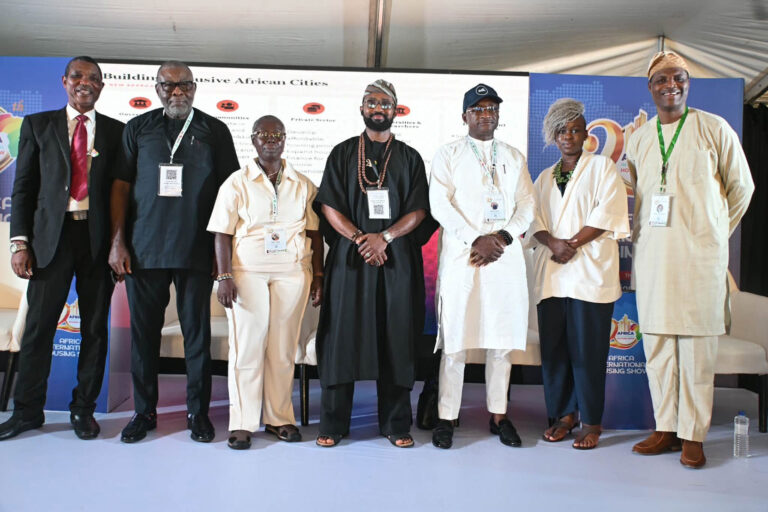
Meet our delegation

For more information, or to connect with SDI while at COP30, please contact 
Esley Philander, SDI Secretariat
Email: esley@sdinet.org
WhatsApp: +27 61 643 4249

Watch: Slum upgrading is climate action (Global)

Across the SDI network, organised communities are already adapting to a changing climate. They are turning waste into work, pooling their savings to build homes and toilets, and making sure the next flood does not hit as hard. These short films show what they are doing now, and what more is possible with the right support.

Before the Next Flood (Kenya)

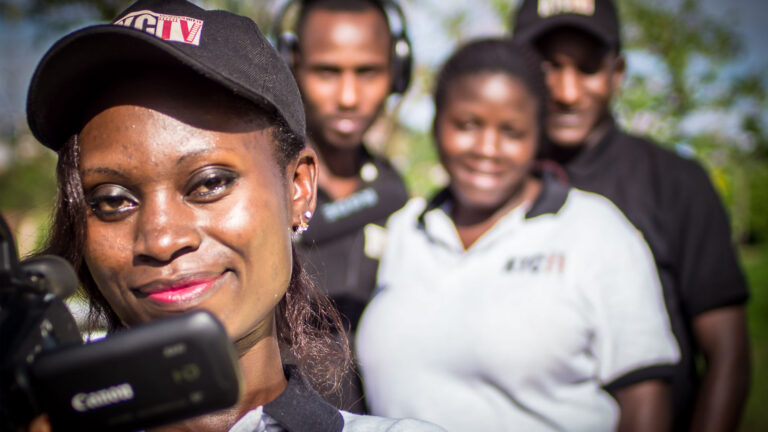
After the 2024 floods in Mathare, Nairobi, the community got organised and took action. They counted, mapped and rebuilt. They turned the riverbank into parks and gardens. Now they are building more resilient structures, safe community hubs and early warnings, and offering mental health support. Presented by Kamila Gojobe, Muungano wa Wanavijiji and KYC.TV Kenya.

Waste, work and organising in Old Fadama, Accra – Hawa’s story (Ghana)

Hawa Dawudu has lived in Old Fadama, Accra, for more than four decades. The settlement is home to over 120,000 people and one of the city’s largest fruit and vegetable markets. This film follows Hawa and her neighbours through their day, and shows how waste causes real problems but also creates work and opportunity. Made by Know Your City TV, drawing on the African Cities Research Consortium’s action research in Accra.

Gungano Urban Poor Fund: Community Led Urban Finance (Zimbabwe)

In Harare and Masvingo, Zimbabwe, families save a little every day, most of them in households led by women. Through the Gungano Urban Poor Fund, those savings pay for land, housing, toilets, markets and solar energy that banks and governments often do not provide. Made by Know Your City TV with Dialogue on Shelter and the Zimbabwe Homeless People’s Federation.

Kafue Youth Federation Briquettes Initiative (Zambia)

In Kafue, Zambia, young federation members make fuel briquettes that help to reduce deforestation while creating income-generating opportunities. Produced by the Kafue Youth Federation and  KYC. TV Zambia

Slum Dwellers International (Global)

Since 1996, SDI has brought organised slum dwellers together in a global movement of the urban poor. Today it has national affiliates in 22 countries across Africa, Asia and Latin America. This short film introduces the movement, which marks 30 years of slum upgrading this year.

SDI Media Statement

12 NOVEMBER 2025


For Immediate Release

Grassroots leaders and experts among the more than 1 billion people living in favelas and slums worldwide have demanded to be taken seriously by leaders at COP30.

The summit’s Brazilian hosts recognize that “cities are shaping the future of global climate action” while continuing the self-defeating trend of downplaying and excluding residents of vulnerable low-income and informal settlements, often referred to as slums.

In an open letter to the COP30 Presidency, the Climate Champions Group of Slum Dwellers International (SDI) says its members are tired of being “asked to provide testimony of the real-life consequences of climate breakdown” even as they are persecuted and their homes dismissed as “illegal” by authorities at home.

With evidence showing that upgrading informal settlements can provide a GDP boost for entire societies, SDI argues leaders are missing a trick by failing to adapt cities to the effects of climate change, and by failing to take advantage of the wealth of data and insights its network can provide.

Joseph Muturi, President of the Global SDI Network, said: “Informal settlements have been treated as problems to be solved by governments for decades. Our contributions are key to building and running the cities of today and of tomorrow.”

“We are arriving at COP30 demanding to be recognized as key stakeholders that hold solutions to climate change problems.” Mr Muturi is the co-chair of the Nexus Area Working Group on Empowering People Living and Working in Informality under the UNFCCC Marrakech Partnership.

Tucker Landesman, who supports the SDI Climate Champions Group as a Senior Researcher on Urban Climate Action at the International Institute for Environment and Development, said: “We have strong research demonstrating that people living in informal settlements are disproportionately more vulnerable than most to the effects of climate change like extreme heat, floods, and storms”

“Evidence is emerging across the global South that upgrading informal settlements is one of the most effective climate adaptation strategies we have. It reduces risk, improves health, and strengthens local economies.”

Nicera Wanjiru, a leader from the Kenyan national federation, Muungano wa Wanavijiji​​ reiterated that “slum upgrading is climate action.” “We are working to save our homes and livelihoods from flooding and storms, sea level rise, and extreme heat. We could do so much more if the experts sitting in government and big development organizations worked with us in real partnership.”

Slum Dwellers International (SDI) is a global network of community-based organisations of the urban poor in more than 20 countries across Africa, Asia, and Latin America. Its federations organise savings groups, collect data, and negotiate with governments to secure land, housing, and basic services, advancing inclusive urban development and locally led climate action.

[Ends]


For more information or to request an interview, contact:

Esley Philander: +27 61 643 4249, esley@sdinet.org

Mikkel Harder: mikkel@sdinet.org

Click here to download the statement as a pdf

Fill in the form below to send us an email info@sdinet.org

This field is for validation purposes and should be left unchanged.
Name
Subscribe

Get the latest news and updates

This field is for validation purposes and should be left unchanged.
Topics(Required)