Accelerating Locally-Led Responses to Climate Change in Informal Settlements
Reflections on the First Year of Implementation
Informal settlements face a combination of environmental, social and economic challenges, including poor infrastructure, limited access to land tenure security and basic services, overcrowding, and exposure to climate-related hazards such as flooding, extreme heat and landslides.
In response, SDI launched the Accelerating Locally-Led Responses to Climate Change in Informal Settlements and Slums (ALLRCISS) programme in 2025, supported by the Swedish International Development Cooperation Agency (Sida) with a three-year commitment.
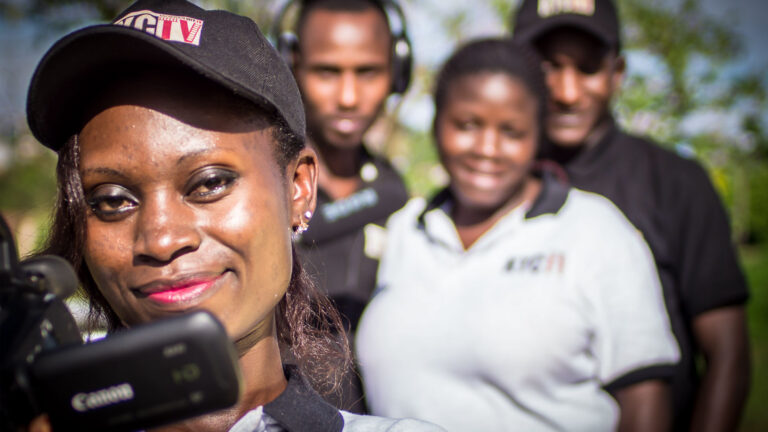
During the second Lead Authors' meeting in Mombasa (July 2025), IPCC Special Cities authors visited Tudor Muoroto and spoke with Muungano wa Wanavijiji Federation members about the intersecting vulnerabilities shaping climate risks and the adaptation emerging in response. Photo: KYC TV Kenya.
A Different Approach to Climate Action
The ALLRCISS programme supports community organisations and SDI federations to design and implement climate initiatives which reflect their priorities through locally-led climate action at community, city and national levels. The project is being implemented across six countries: Brazil, Kenya, the Philippines, Sierra Leone, Zambia and Zimbabwe. The programme is grounded in the principles of Locally Led Adaptation (LLA), which ensure that climate action is designed and driven by the communities most affected. These principles emphasise devolving decision-making power to the local level, addressing the structural inequalities that drive climate vulnerability, providing patient and flexible funding, and building on local knowledge and capacity rather than imposing external solutions.
While each country operates within a unique context and different timeframes, all participating countries have consolidated their local federation systems and produced evidence to inform climate action innovations, establishing the basis for impactful, community-led resilience initiatives.
Housing upgrades in Maheba Refugee Camp in the Northwestern Province of Zambia. Photo: Abednego 'MacTavish' Chande / KYC TV Zambia.
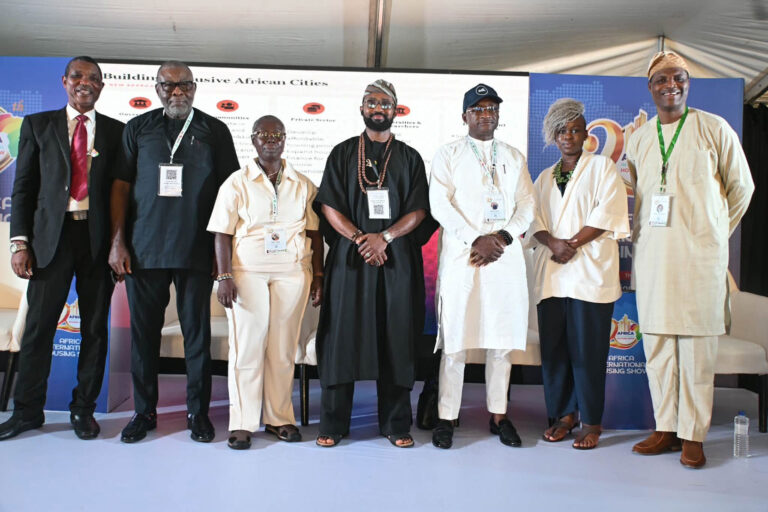
SDI President, Joe Muturi, co-chairing the in-person meeting of the Informality Working Group at COP30 in Belém, Brazil, in November 2025.
Reflections on the First Year of Implementation
Building the Evidence Base
Community engagement has been central to these achievements, with federation members, savings groups, youth teams and local leaders actively contributing through dialogue, training, data collection and participatory decision-making processes.
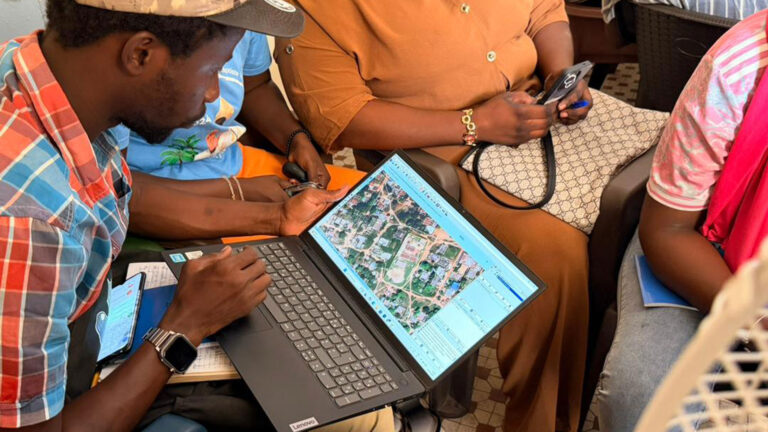
Across all six countries, over 1,400 households have been profiled and mapped, generating critical evidence to inform nature-based solutions, climate-smart agriculture, settlement upgrading and disaster risk management. Youth and women have been at the forefront of this work, leading data collection efforts, participating in advocacy, and taking on leadership roles in project activities.
Resilient Communities through Climate Action and Local Voices
Brazil engaged more than 60 participants, including federation members and youth leaders, piloting urban garden projects and training which bring climate adaptation directly into community spaces.
Participatory Resilience Action for Climate Transformation
Kenya mobilised 229 participants in community dialogues, with particularly strong youth involvement. About 143 young people contributed to household enumeration and mapping exercises with 1,023 households profiled, providing an evidence base for housing upgrades and climate action planning.
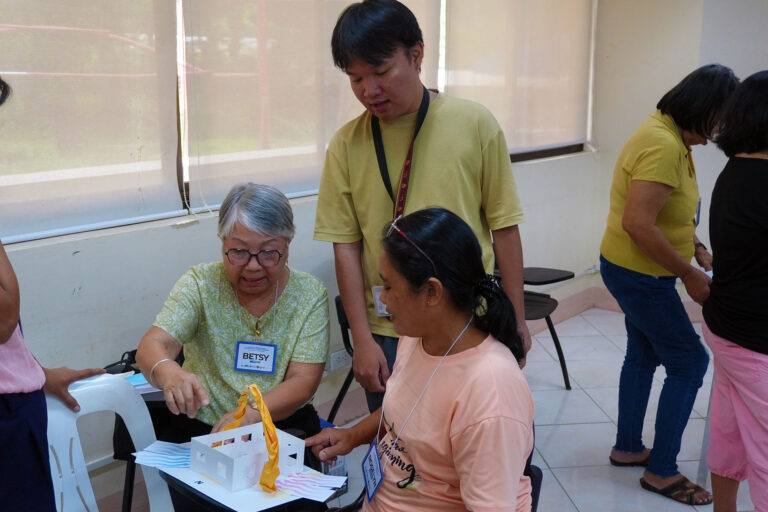
The Philippines hosted successful Disaster Risk Management Training of Trainers sessions in Quezon City and Muntinlupa City. Through Kamustahan youth sessions, young leaders are driving conversations about climate action, livelihoods and inclusivity across Metro Manila.
Enhancing Resilience through Locally-led Climate Adaptation Strategies
Sierra Leone demonstrated strong women’s participation, with 165 women and 25 men (190 total) engaged in federation activities. Four new savings groups were formed, and three settlements completed community-based risk assessments using participatory methods such as focus group discussions and community mapping.
Advancing Climate Smart Food Systems and Circular Economies
Zambia reached 430 individuals through capacity-building workshops, profiling activities and resilience meetings. The federation trained 60 members in profiling methods, while 350 residents participated directly in settlement risk assessments, demonstrating significant community buy-in.
Community Resilience through Locally-led Climate Initiatives
Meanwhile in Zimbabwe, 175 participants engaged in the programme, with youth playing a central role in data collection and community dialogues. Eight new savings groups were mobilised across Harare, Kariba, Chinhoyi and Gweru. A learning exchange brought federation members from seven cities to Bulawayo for a learning exchange about climate adaptation work, particularly hydroponic farming.
Amplifying Slum Dweller Voices Globally
This evidence from the ground strengthens slum dweller voices in global climate and development policy forums. Throughout 2025, SDI federation members placed the priorities of slum communities on the global agenda by participating at major international forums including the Community-Based Adaptation to Climate Change conference (CBA19), the Commission on the Status of Women (CSW), the High-Level Solutions Dialogue on Accelerating Early Warning and Extreme Heat Solutions, the Intergovernmental Panel on Climate Change (IPCC) Special Report on Climate Change and Cities stakeholder forums and COP30.
SDI President Joe Muturi and Richard Bockarie, Centre of Dialogue on Human Settlement and Poverty Alleviation, speaking at the 'Community-Led Data as a Tool for Power Redistribution' event, hosted by SDI in partnership with Humanitarian OpenStreetMap (HOT), IIED and Enda Energy at the Peru Resilience Hub during COP30 in Belém, November 2025.
KYC TV crew speaking with members of the Zimbabwe Homeless People's Federation in Tafara about plans for locally led settlement upgrading and climate adaptation. Photo: KYC TV Zimbabwe, July 2025.
SDI Climate Champions
In 2025, the SDI Climate Champions platform was established to guide the network’s climate-change and locally-led adaptation advocacy and policy positions. Participation includes federation leaders and support NGO representatives from the five regional hubs (Asia, East Africa, Southern Africa, West Africa-Anglophone and West Africa-Francophone). The Champions collectively steer SDI’s climate-change advocacy, communications strategy and climate-related learning exchanges.
The unifying message, Slum Upgrading is Climate Action, brings together SDI’s core strategic priorities: community-led finance, community-generated data, locally led adaptation, tenure security, Know Your City and climate resilience. This framework consolidates work undertaken across multiple projects into a single, coherent campaign that will continue to strengthen and deepen in 2026.
Representatives from SDI Kenya, Muungano wa Wanavijiji and IIED visiting the Tudor Muoroto Community Resilience Hub in Mombasa, July 2025
Women from Zambia Homeless and Poor People’s Federation on the move. Photo: KYC TV Zambia
Looking Ahead
As ALLRCISS enters its second year, the foundations laid in 2025 will support more intensive climate adaptation activities. The programme continues to demonstrate that when communities lead, climate action becomes more relevant, more sustainable and more effective.