By Celine Santos
Meaningful Youth Engagement (MYE) in informal settlements and urban poor communities is crucial, as young people are often challenged by risks such as climate-related risks, insecure housing, unemployment, limited access to services (e.g., health and education), disaster vulnerability, waste management issues and social exclusion. Through continuous technological advancements and globalization, the youth provide critical insights into their local realities, community dynamics, and innovative, realistic solutions that contribute to traditional planning and decision-making processes.
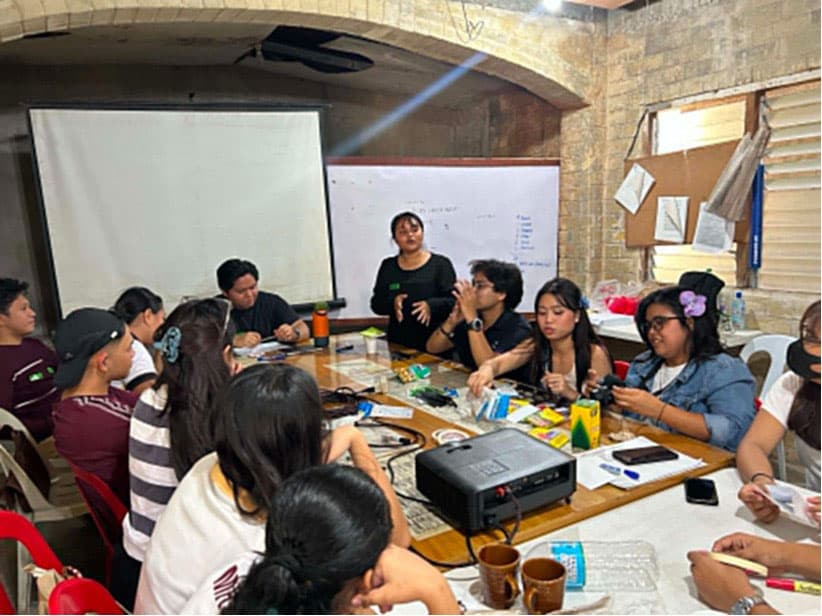
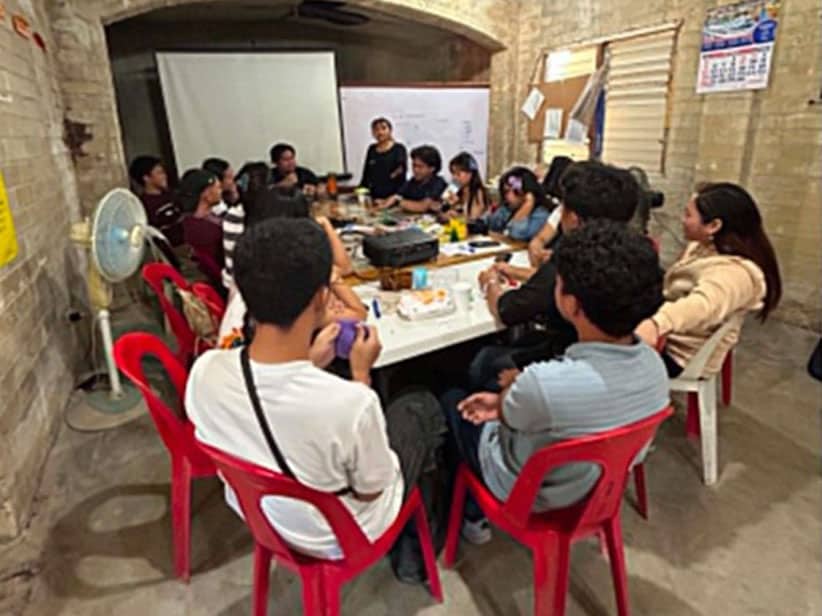
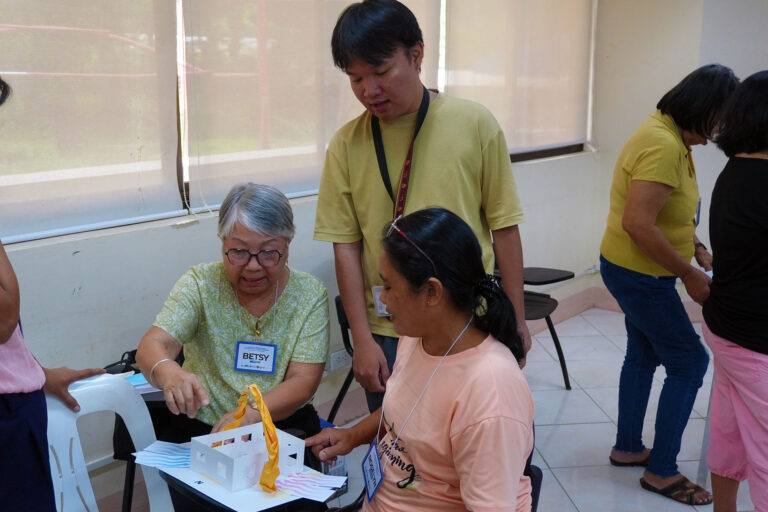
Youth Members of Homeless Peoples’ Federation Philippines Inc. (HPFPI) in Visayas Conducting their Regional Strategic Planning
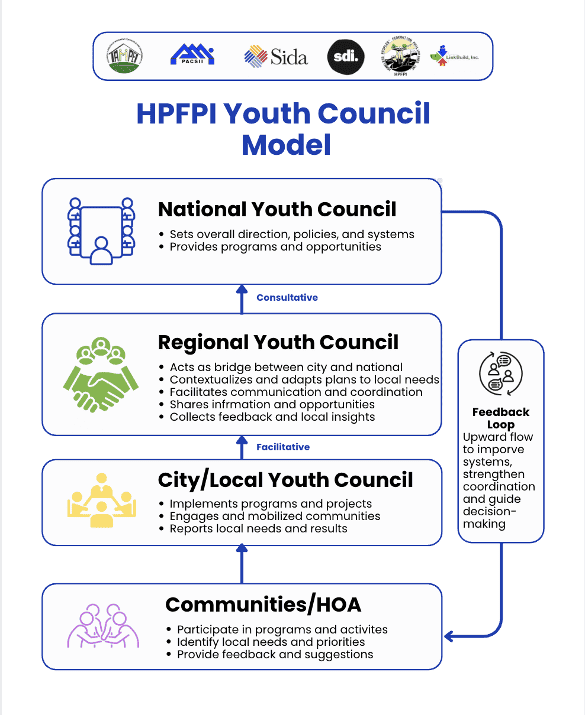
The Youth Council model begins within the individual Homeowners’ Associations (HOA), where youth participate in local programs and activities with the federation to identify needs and priorities. This entails a feedback mechanism that flows upward to help improve systems, strengthen coordination, and guide future decisions at all levels. Moving upward, the city or local youth councils, which comprise a collection of HOAs, carry out programs and directly engage communities in various activities and initiatives. The Regional Council, which is composed of the city youth councils, serves as the bridge that coordinates communication, adapts national plans to local contexts, and facilitates implementation. Lastly, the national level provides overall guidance, oversight, systems, and policies for the HPFPI Youth Council.
The city-level check-ins concluded in the first quarter of 2026, and now the Youth is on the Regional Strategic Planning (RSP) within the three major islands of the Philippines: Luzon, Visayas, and Mindanao. Moreover, the formation of Youth Councils at the Regional level of the HPFPI Youth recognizes the role of Youth as a bridge between the national network and local communities by ensuring effective communication, adapting national systems to regional needs, and facilitating coordination with city and local councils. Through exposure, mentorship, and training, the youth council is geared towards its alignment with the bigger Federation goals while maintaining agency, leadership roles, and meaningful contributions beyond simply supporting existing structures. Furthermore, strengthening youth leadership, strong information flow, local adaptation, and continuous learning are essential for building effective and sustainable council systems.