Zero Waste Begins with Communities: Reflections from the Global Zero Waste Forum Istanbul, Türkiye | 5–7 June 2026
By Celine Santos
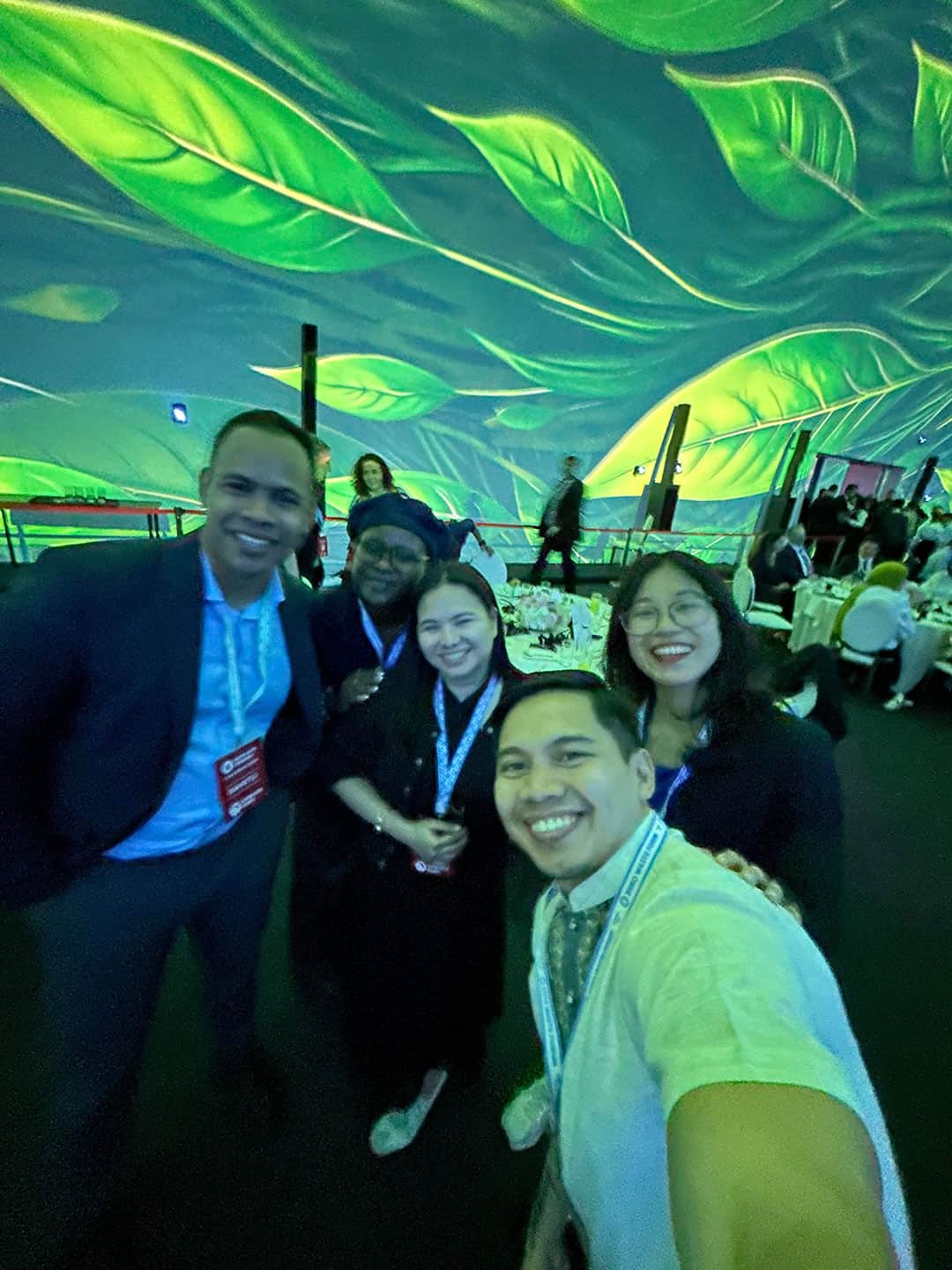
The Zero Waste Forum 2026: Road to Antalya brought together governments, civil society organizations, academia, the private sector, media and grassroots movements globally to advance Zero Waste as a key climate solution ahead of COP31 in Antalya, Türkiye. Held at Atatürk Airport in Istanbul, the three-day forum highlighted how Zero Waste is more than an environmental agenda; it is a pathway toward climate resilience, circular economies, healthier communities and social justice. The event featured First Lady Emine Erdoğan, whose global advocacy has positioned Türkiye at the forefront of the Zero Waste movement. The forum concluded with a gala dinner hosted by President Recep Tayyip Erdoğan, reaffirming Türkiye’s commitment to championing Zero Waste as a national and global priority.
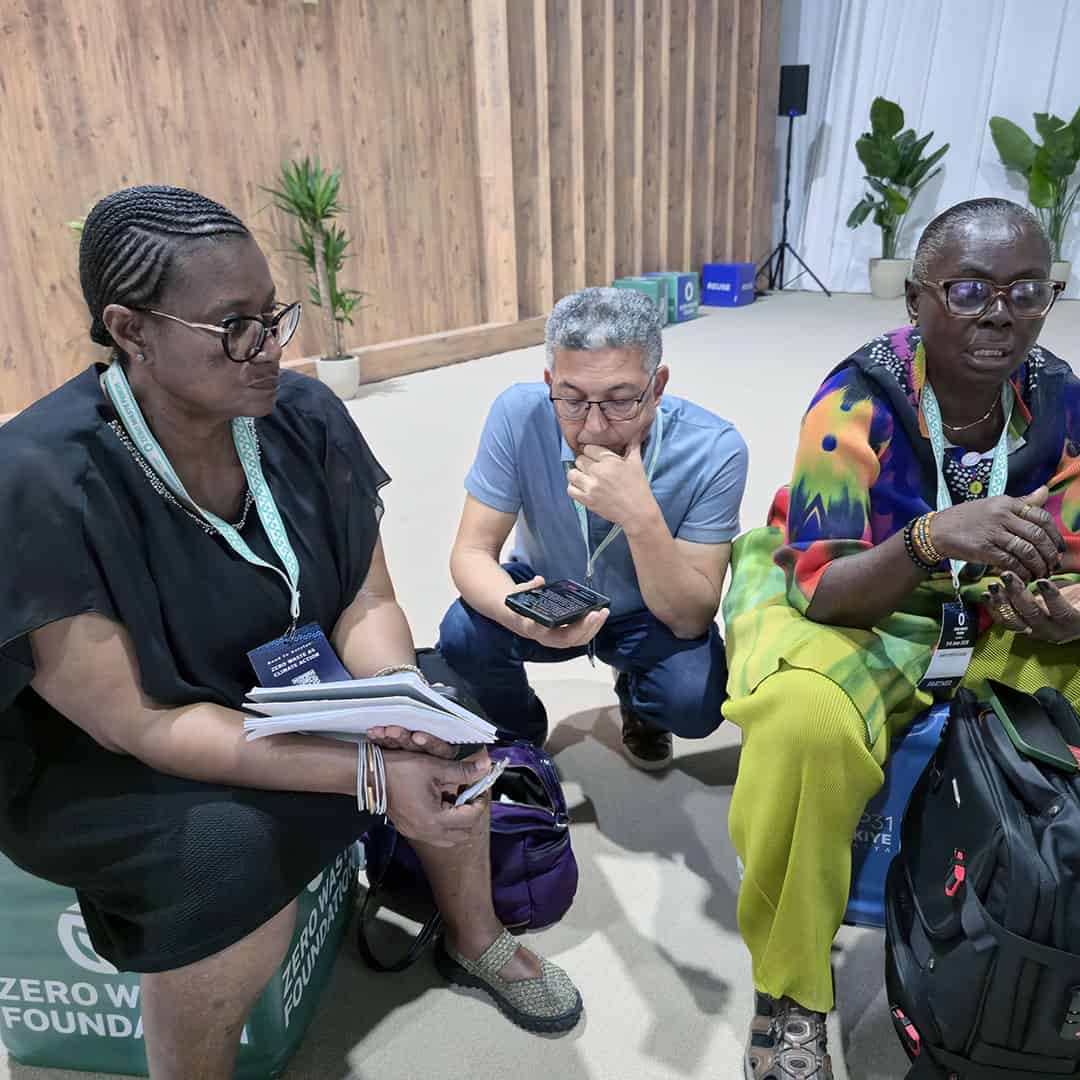

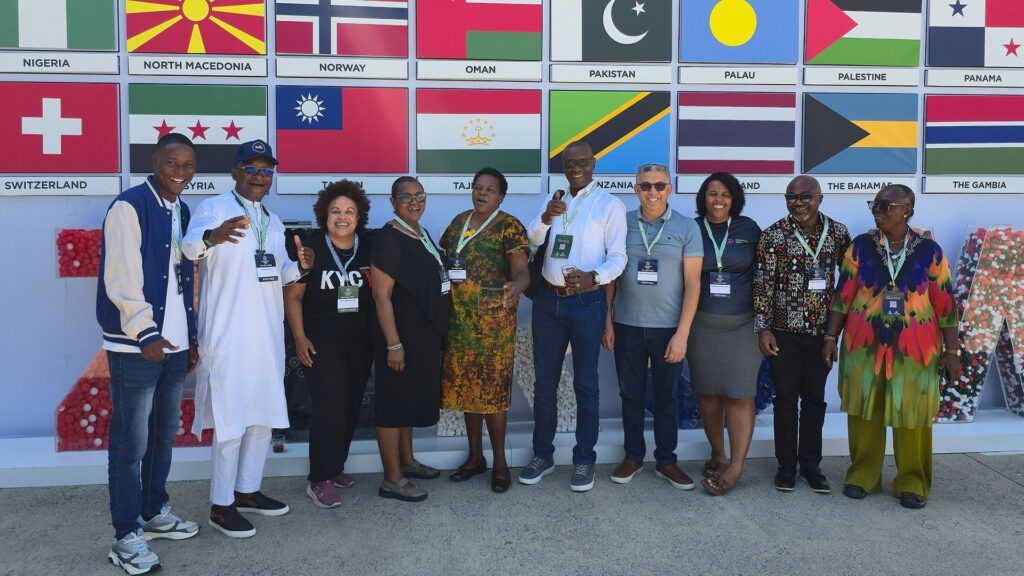
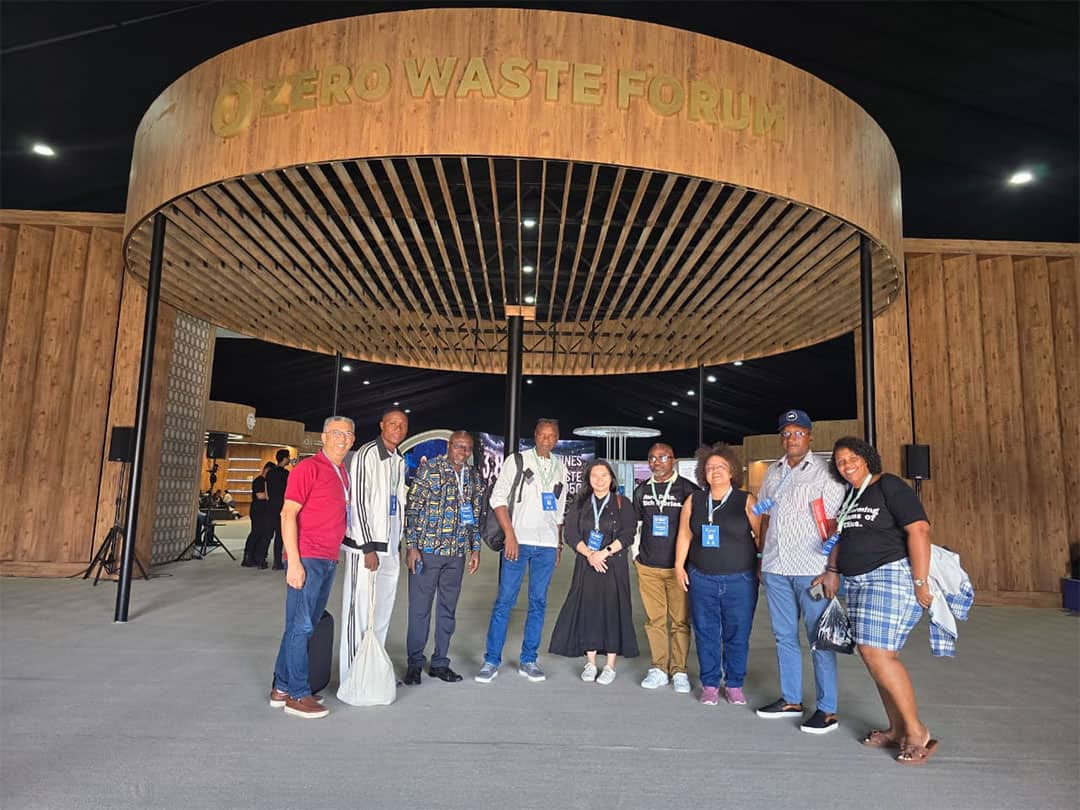
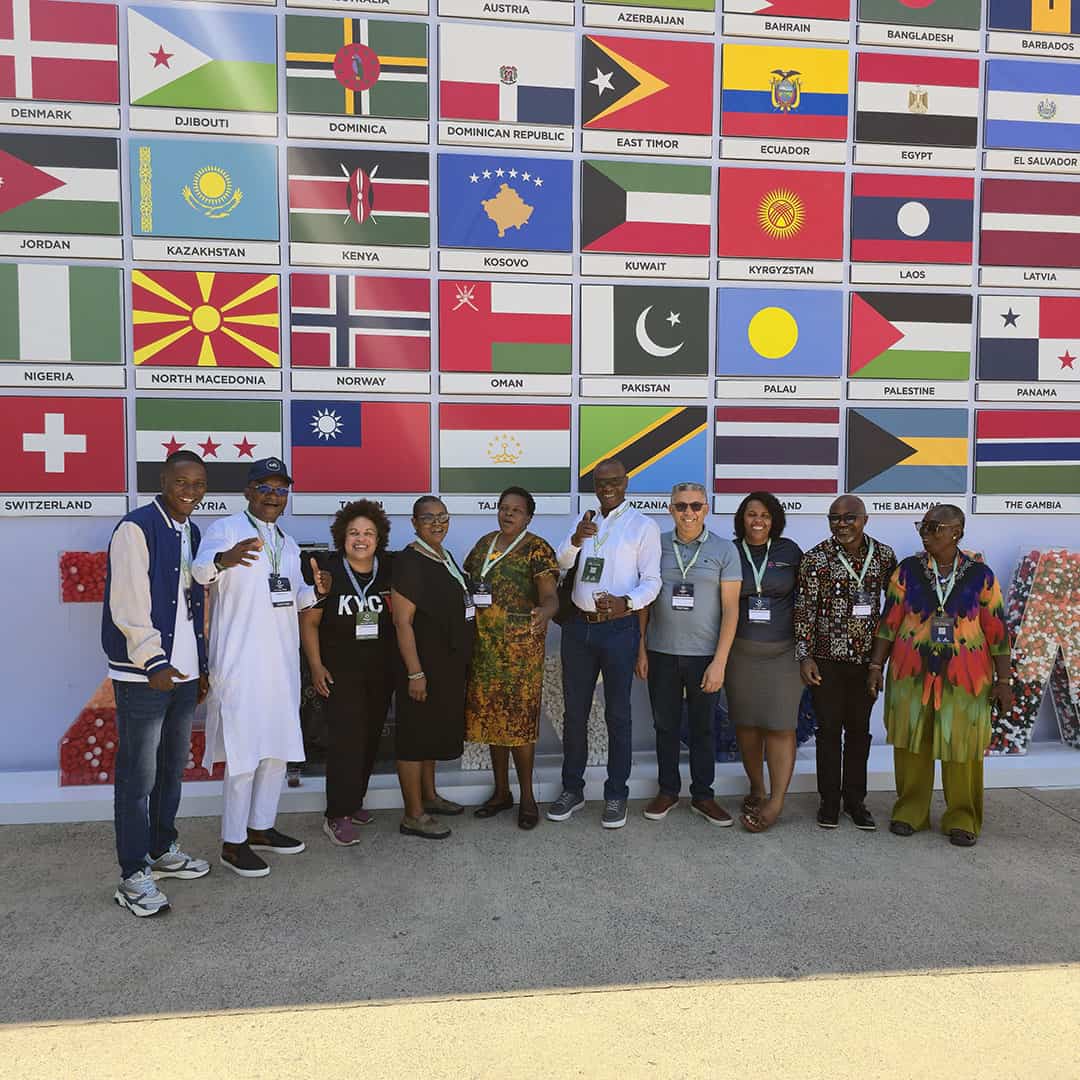
Among the participants was a strong delegation from Slum Dwellers International (SDI), representing urban poor communities across Africa, Asia, and Latin America. SDI’s participation underscored an important message: communities living on the frontlines of climate change are not merely beneficiaries of Zero Waste but the innovators, practitioners, and essential partners in building sustainable cities.
The SDI delegation brought together community leaders and practitioners actively working on community-led waste management, environmental justice, and climate resilience:
Benin
Antoine Agossou: Fédération d’Habitants des Zones de Taudis / Bidonvilles du Bénin
Brazil
Ana Mirtes Ferreira da Silva: SDI Brazil Federation
Altemir Antonio de Almeida: Rede Interação
South Africa
Esley Philander: SDI Secretariat
Nigeria
Bimbo Oshobe: Nigeria Slum/Informal Settlement Federation
Rasheed Shittu: Shantytown Empowerment Foundation
Philippines
Maria Celine Santos: Philippine Action for Community-Led Shelter Initiatives (PACSII)
Senegal
Papa Ameth Keita: UrbaSEN
Sierra Leone
Francis Anthony Reffell: Centre of Dialogue on Human Settlement and Poverty Alleviation
South Africa
Rose Molokoane: Federation of the Urban Poor (FEDUP)
Togo
Gerard Atohoun: Young Men’s Christian Association (YMCA) Togo
Uganda
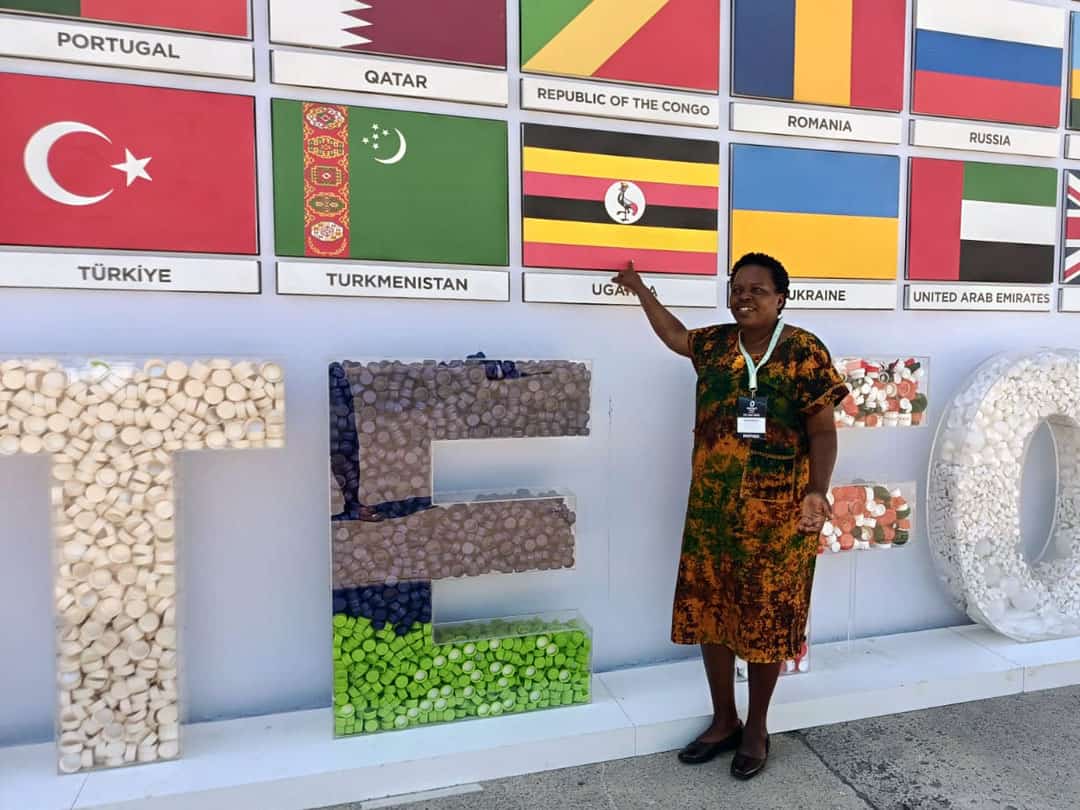
Sarah Nandudu: National Slum Dwellers Federation of Uganda
Throughout the forum, SDI delegates exchanged experiences with practitioners, local governments, development partners, and civil society organizations, exploring how community-led Zero Waste systems can strengthen climate adaptation, improve public health and create more inclusive cities.

Learning from Community-Led Zero Waste Champions
The forum opened with discussions emphasizing the urgent need to transition from linear waste management systems toward circular and climate-responsive approaches. Several sessions showcased inspiring examples from the Philippines, demonstrating how local governments and communities can work together to achieve transformative environmental outcomes.
One of the sessions highlighted how communities work with the local government, the “Mayors Implementing Zero Waste,” featured the City of San Fernando, Pampanga, represented by Mayor Vilma Caluag through Mr. Froilan Grate, Executive Director of GAIA Philippines. The city is recognized by the United Nations as one of the world’s leading Zero Waste Cities. San Fernando demonstrated how strong political leadership, community participation and consistent implementation of ecological solid waste management policies have transformed its waste management system. The city now operates functional Materials Recovery Facilities (MRFs) across all 35 barangays, achieving over 80% waste diversion, 93% waste segregation and significantly reducing waste collection costs through resource recovery and citizen participation. Practical initiatives such as the Plastic-Free Ordinance, refill-and-reuse systems, and the “No Segregation, No Collection” policy illustrated how local governments can successfully combine policy reform with community action.
Communities at the Center of Climate Solutions
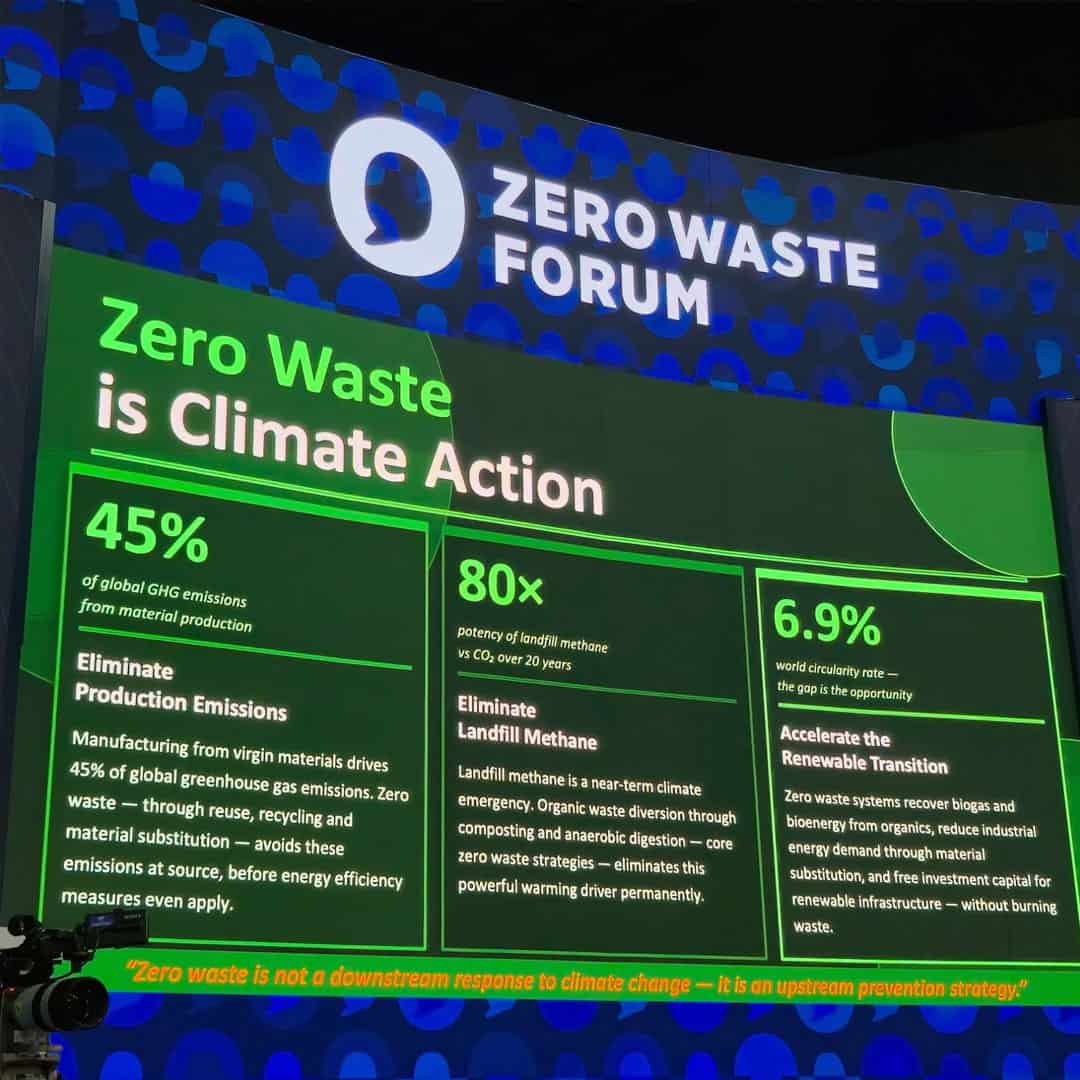
The second day expanded discussions beyond waste collection, focusing on waste reduction, financing, methane mitigation, and circular economy approaches. Specific attention was given to organic waste, one of the largest contributors to methane emissions globally.
By the third day, conversations shifted toward people-centered approaches, highlighting the critical roles of youth, women, informal workers and grassroots organizations in advancing Zero Waste systems.
Resonating SDI’s work was “Informal Sector as Infrastructure for Cities.” The discussion challenged conventional perceptions of informal waste workers by recognizing them as essential contributors to urban sustainability rather than marginal actors. The session reinforced the importance of integrating community-led waste systems into formal city planning while advancing a Just Transition that leaves no one behind. The forum also featured Mr. Rap Villavicencio, Program Director of the Mother Earth Foundation, who shared successful experiences from the Philippines on building inclusive and decentralized Zero Waste systems. Drawing from years of community practice, he emphasized that lasting transformation happens only when communities are involved from the very beginning through data collection, stakeholder engagement, planning, implementation, and continuous monitoring. His message resonated strongly with SDI’s own philosophy, “Sustainable Zero Waste systems must be built with communities, not merely for communities.”

Strengthening Community-Led Climate Action
For the SDI delegation, the forum was more than an opportunity to exchange technical knowledge. It is a platform for strengthening relationships among federations, learning from best practices and exploring how community-led Zero Waste systems can be adapted within informal settlements. Across many SDI affiliates, communities already practice forms of resource recovery, recycling, savings-led collective action, and neighborhood organizing. The discussions in Istanbul reinforced that these existing community structures provide a strong foundation for advancing more comprehensive Zero Waste systems that improve environmental conditions while strengthening climate resilience and local livelihoods.
The Zero Waste Forum demonstrated that achieving Zero Waste requires partnerships across governments, civil society, academia and grassroots organizations. Most importantly, it reaffirmed that urban poor communities are not passive recipients of environmental programs but are active leaders in designing practical, locally driven climate solutions.
As the global community looks toward COP31 in Antalya, the experiences shared in Istanbul provide a powerful reminder that community-led action will be indispensable in building more resilient, inclusive, and sustainable cities for the future.
SDI at the 13th World Urban Forum
Join Slum Dwellers International at the World Urban Forum 13
Find us at the Favela Hub, the Habitat Village or email esley@sdinet.org to connect.
skip render: ucaddon_event_list
skip render: ucaddon_event_list
skip render: ucaddon_event_list
skip render: ucaddon_event_list
skip render: ucaddon_event_list
skip render: ucaddon_event_list
skip render: ucaddon_event_list
20th International Conference on Community-Based Adaptation to Climate Change (CBA20)
11-14 May 2026 | Manila, Philippines
For over 30 years, the SDI Network has demonstrated that organised communities, in partnership with local government and with the right resources placed directly in their hands, can lead their own settlement upgrading.
This is the foundation of locally-led Climate Adaptation.
https://www.youtube.com/watch?v=AzuNCKMdGOw
Slum upgrading is Climate Action
Upgrading informal settlements, through sustainable housing, resilient infrastructure, and tenure security, directly addresses structural conditions which make us disproportionately vulnerable to extreme heat, flooding, water scarcity and severe weather.
In-situ upgrading avoids the harms of forced evictions and displacement, while providing affordable, context-specific solutions already being demonstrated across our networks. Climate resilience and local adaptation begins with secure tenure. Donors must educate themselves of our realities and recognize that upgrading is climate action, before prescribing solutions.
Work with informality, not against it
Resilient cities, inclusive development and adaptation goals cannot be achieved without engaging the realities of informal settlements. Governing officials must recognize that slum dwellers are not a barrier to achieving adaptation goals, we are integral to its success!
Agreed metrics to track the Global Goal on Adaptation must include informal settlements as priority sites of climate intervention and must respect the agency and leadership of local residents.
Institutionalise community knowledge and data
Our data and experience are valid and necessary inputs for better climate models and climate action planning, as well as scientific processes such as IPCC assessments. Our slum dweller federations gather detailed co-produced data and evidence on risks, vulnerabilities and solutions, mapping climate impacts while addressing critical data gaps overlooked by formal systems. This knowledge must be institutionalised in adaptation planning, early warning systems and global monitoring processes.
Channel climate finance directly to the ground
Climate finance must be flexible, accessible to community led organisations and aligned with local development priorities. Current restrictions and topdown mechanisms prevent resources from reaching marginalised communities such as women, the youth and people living with disabilities who are already taking action with their own scarce resources.
International actors also overlook the impact of local savings and loans schemes, such as SDI’s Urban Poor Funds and savings groups, and other community managed funds which play a critical role in supporting resilience and climate action in informal settlements. Finance must support fundamentals such as dignified housing, basic services, and tenure security while applying the principles of locally led adaptation to scale solutions and strengthen resilience. The costs of inaction are far higher than the costs of proactive investment.
We demand recognition that slum dwellers are not marginal to climate adaptation, but central to its sustainability and impact!
Devolve finance to communities
Direct, unbroken funding to community-managed funds such as the Urban Poor Funds — not through intermediary-heavy mechanisms that consume resources before they reach the ground.
Recognise citizen data
Accept community-generated evidence — VRATs, savings records, community risk maps — as credible input in national climate plans, GCF applications and adaptation finance decisions.
Count slum upgrading as adaptation
The same infrastructure such as drainage, secure tenure, resilient housing, which reduces vulnerability to floods and heat must be eligible for adaptation finance.
“We live with problems, so we must lead solutions.”
The most effective climate solutions are not imported, they are born and led by the people who live in and understand their own settlements.
Halala Federation, halala!
The SDI Network will be represented at CBA20 by affiliates from Ghana, Kenya, Senegal, South Africa, Tanzania, the Philippines, Uganda, Zambia, Zimbabwe and the SDI Secretariat.
A special thank you to the SDI Philippines Alliance, the Homeless Peoples’ Federation Philippines, Inc. (HPFPI), a national federation of the urban poor in the Philippines , and the Philippine Action for Community-Led Shelter Initiatives, Inc. (PACSII), the federation support NGO, for co-hosting CBA20.
11 May, 2026
Between data and doorsteps: bridging global science and local reality for urban climate resilience
10:30am – 11:30am (PST)
Monet ballroom 1 (2nd Floor)
Accountability roundtables: Lessons from the Generating Ambition for Locally Led Adaptation programme
11:30am – 12:30pm (PST)
Renoir (3rd Floor)
Nature-based Urban Solutions for Urban Resilience
3:30pm – 5:00pm (PST)
Monet ballroom 1 (2nd Floor)
12 May, 2026
Bridging the acceptability and accessibility gap to clean cooking in informal settlements
11:00am – 12:30pm (PST)
Versailles tent (7th Floor)
Heat, health and dignity: urban heat stress as a systemic risk amplifier
1:30pm – 3:00pm (PST)
Monet ballroom 1 (2nd Floor)
Download pdfs below:


SDI at COP30: Community-Led Data as a Tool for Power Redistribution

True climate resilience requires a radical redistribution of power, not just participation.
This was strongly emphasised at the Community-Led Data as a Tool for Power Redistribution event, hosted by SDI in partnership with Humanitarian OpenStreetMap (HOT), International Institute for Environment and Development (IIED) and Enda Energy at the Peru Resilience Hub during COP30 in Belém in November.


Speakers stressed that data collection is not merely a technical exercise. The focus must be on “actionable insights” rather than collecting data for its own sake. “Data collection is a process. It is a process that starts with community action… It is also a catalyst for engagement with the city and national authorities,” remarked SDI Network President, Joe Muturi.
Data collection drives community action, can shape local development agendas and provides actionable insights for planning and policy formation to better influence national legislation and municipal planning globally.
Community-led data provides the credibility and evidence needed to make communities visible and amplify their local adaptation and resilience strategies. The Centre of Dialogue on Human Settlement and Poverty Alleviation in Freetown, Sierra Leone, successfully influenced a national policy, the Land and Country Planning Act, which recognises informality and mandates municipal councils to provide essential services to these communities.
“Our approach goes beyond traditional data collection. We focus on collecting accurate data, generating actionable insights and influencing policy formulation,” shared Richard Bockarie, Centre of Dialogue on Human Settlement and Poverty Alleviation.
While SDI’s Know Your City approach, launched in 2012, is recognised as the gold standard for community-generated data, there is an urgent need for donors to get behind this work. The vision must be an integrated, community-led plan that all donors and different spheres of government can support, to move beyond project-by-project funding.
Watch the full video for more.
https://www.youtube.com/watch?v=iGkHpJELmYk
SDI Media Statement, 12 November 2025

SDI Media Statement
12 NOVEMBER 2025
For Immediate Release
Grassroots leaders and experts among the more than 1 billion people living in favelas and slums worldwide have demanded to be taken seriously by leaders at COP30.
The summit’s Brazilian hosts recognize that “cities are shaping the future of global climate action” while continuing the self-defeating trend of downplaying and excluding residents of vulnerable low-income and informal settlements, often referred to as slums.
In an open letter to the COP30 Presidency, the Climate Champions Group of Slum Dwellers International (SDI) says its members are tired of being “asked to provide testimony of the real-life consequences of climate breakdown” even as they are persecuted and their homes dismissed as “illegal” by authorities at home.
With evidence showing that upgrading informal settlements can provide a GDP boost for entire societies, SDI argues leaders are missing a trick by failing to adapt cities to the effects of climate change, and by failing to take advantage of the wealth of data and insights its network can provide.
Joseph Muturi, President of the Global SDI Network, said: “Informal settlements have been treated as problems to be solved by governments for decades. Our contributions are key to building and running the cities of today and of tomorrow.”
“We are arriving at COP30 demanding to be recognized as key stakeholders that hold solutions to climate change problems.” Joe Muturi serves as co-chair of the Marrakech Partnership Nexus Area Working Group on Empowering People Living and Working in Informality, together with Asma Jhina of the Global Covenant of Mayors for Climate & Energy.
Tucker Landesman, who supports the SDI Climate Champions Group as a Senior Researcher on Urban Climate Action at the International Institute for Environment and Development, said: “We have strong research demonstrating that people living in informal settlements are disproportionately more vulnerable than most to the effects of climate change like extreme heat, floods, and storms”
“Evidence is emerging across the global South that upgrading informal settlements is one of the most effective climate adaptation strategies we have. It reduces risk, improves health, and strengthens local economies.”
Nicera Wanjiru, a leader from the Kenyan national federation, Muungano wa Wanavijiji reiterated that “slum upgrading is climate action.” “We are working to save our homes and livelihoods from flooding and storms, sea level rise, and extreme heat. We could do so much more if the experts sitting in government and big development organizations worked with us in real partnership.”
Slum Dwellers International (SDI) is a global network of community-based organisations of the urban poor in more than 20 countries across Africa, Asia, and Latin America. Its federations organise savings groups, collect data, and negotiate with governments to secure land, housing, and basic services, advancing inclusive urban development and locally led climate action.
[Ends]
For more information or to request an interview, contact:
Esley Philander: +27 61 643 4249, esley@sdinet.org
Mikkel Harder: mikkel@sdinet.org

Click here to download the statement as a pdf
CBA 19: Tenure security is vital for climate adaptation

SDI’s message at the Conference on Community-Based Adaptation to Climate Change (CBA19) was clear, Slum Upgrading is Climate Action! Held from 12–16 May 2025 in Recife, Brazil, CBA19 marked the first time the conference took place in Latin America.
The event brought together community practitioners from around the world to advance community-driven climate action. The SDI delegation included representatives from Brazil, Kenya, the SDI Secretariat, Tanzania, the Philippines, Uganda, Zambia, and Zimbabwe.
It is more than just about four walls
Housing is the first line of defence against climate change, but it is about more than just about four walls. Housing inequalities and injustices drive climate vulnerability. Secure land tenure is essential for sustainable climate adaptation and long-term impact. Forced evictions, fuelled by the commodification of land, is the unjust reality for countless low-income households.
Organised communities have the collective power to negotiate land rights and lead incremental, community-driven slum upgrading efforts.

Forced Evictions: A threat to Climate Adaptation
During the session Living the LLA Principles – Women and Traditional Communities Leading Action from the Global South, Theresa Carampatana from the Homeless People’s Federation of the Philippines shared how the women-led federation secured land ownership for nearly 3,000 informal settlement residents who were threatened with evictions. Once land tenure was secured, the federation facilitated efforts to mitigate flood and fire risks through incremental upgrading of homes and the settlement.


Youth as Agents of Change
In a dialogue on coalitions for inclusive climate action, urban labs and youth-led climate planning, Lizian Onyango from SDI Kenya asked those in attendance: “We often frame urban youth as a marginalised group vulnerable to the impacts of climate change. But what if this narrative is holding us back? What if, instead of being seen solely as recipients of support, urban youth were recognised as active agents in shaping climate adaptation?”
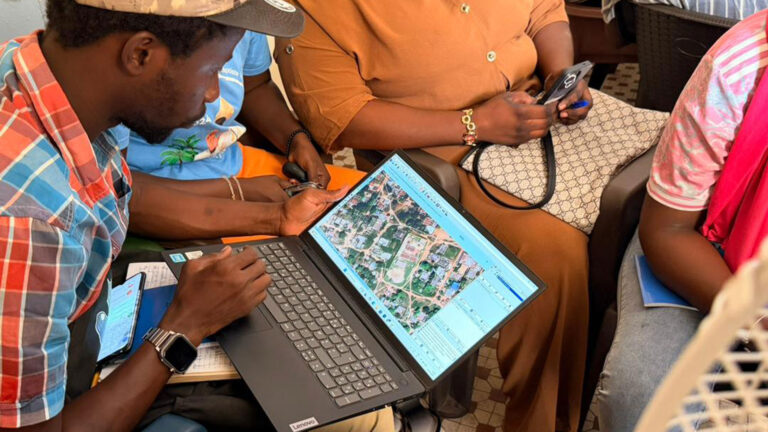
Lizian shared how SDI Kenya has engaged youth as co-researchers. Using GIS mapping, they identified key infrastructure, assessed risks, and visualised social, economic, and environmental vulnerabilities. This combination of technology and local knowledge shows how youth can drive practical, community-led adaptation.


Locally-led adaptation begins with shifting power!
Milka Kori, also from SDI Kenya, took part in a dialogue on building stronger global partnerships to support local action. Participants explored how civil society organisations can connect grassroots groups with national and international efforts.
Communities must lead and set their own priorities to design solutions that work for them. While intermediaries like NGOs can provide support, they must ensure communities remain in control.


Financing Adaptation from the Ground Up
The SDI Secretariat, together with the Centre for Community Initiatives in Tanzania, co-hosted a session showcasing SDI’s Urban Poor Funds (UPFs), savings groups, and community-led data collection (profiling and enumeration) as successful examples of grassroots-led climate finance mechanisms.
This interactive session demonstrated how pooling funds as an organised collective, combined with community-led data collection, helps address the most urgent climate risks through incremental upgrading in slum communities. It also highlighted the vital role of community-driven governance in ensuring financial management is transparent, accountable, and impactful.


LLA Supports Food Sovereignty and Livelihoods
Ian Matimba, representing the People’s Process on Housing and Poverty in Zambia (PPHPZ), was recognised at CBA19 for presenting the most inclusive solution during the “Shark Tank” – a platform where participants pitch locally-led climate adaptation ideas to a panel of experts with investment experience.
The winning initiative, Sustainable Enterprises for Urban Resilience in Zambia, focuses on scaling up hydroponics and black soldier fly farming. This innovative approach conserves water, improves soil quality, enhances access to nutritious food, supports better waste management and creates new income opportunities for local communities.
Judges commended the PPHPZ team for a well-rounded project that applies circular economy principles to improve food production and soil health in marginalised areas, using waste as a resource. They also highlighted the hydroponic system’s efficiency and its potential to be replicated in diverse contexts. The project’s contributions to water and soil conservation, food security, local livelihoods and the team’s commitment to reinvesting profits for continued growth and sustainability were welcomed.
https://www.youtube.com/shorts/-FYqqfjlXnc


SDI at CBA19 – Slum Upgrading is Climate Action!


Facebook
Instagram
Linkedin
X-twitter
Youtube
Join SDI online for updates.
For more information, please email joseph@sdinet.org
A Call to Urgent Action
Over one billion people live on the frontlines of climate change in informal settlements. This number is projected to double by 2050.
The urban poor are forced to live in climate-vulnerable settlements, using inadequate building materials and construction methods highly susceptible to climate shocks.
We are not statistics. We are people. We are a movement.
We are resilience in action.
For over 30 years, Slum Dwellers International (SDI) has practised locally-led climate adaptation in informal settlements in over 22 countries. Despite limited institutionalisation or policy support, urban poor communities are imagining their own futures through precedent setting pilots. We upgrade our communities because we cannot afford
to wait.

Cover photograph courtesy of Know Your City Zambia
Slum Upgrading is Climate Action
Despite the growing crisis, world leaders and global institutions are not treating climate action—let alone climate justice—with the urgency it demands. SDG 11, which aims for inclusive, safe, resilient, and sustainable cities, remains far from reality for our communities.
From Promises to Working Partnerships
Governments and all stakeholders must urgently honour and fast-track the implementation of the Global Action Plan (GAP) for transforming informal settlements and slums by 2030, using more appropriate and inclusive approaches.
Now is the time to turn promises into partnerships and jointly
design a #DignifiedUrbanLife that leaves no one behind.


Slum Upgrading is Climate Adaptation — from the Ground Up
We live with the problems. We must lead the solutions.
Housing is our first line of defense against climate change, but it’s more than just about four walls. Housing inequalities and injustices are driving climate vulnerability.
Basic rights, such as land tenure security, have not been widely secured. Forced evictions, driven by the commodification of land, are accelerating under climate pressure, further limiting adaptive capacity. Being organised increases our bargaining power to secure tenure and drive incremental, community-led slum upgrading. Organised communities are advocating for secure tenure to unlock resilience capacity.
We don’t wait. We act.
We feel climate risks first.
We adapt to climate changes.
We are the first to respond to climate shocks.
Equitable Financing
We invest in our own adaptation and upgrading.
Over the past 20 years, only 3.5% of global climate finance was allocated to the urban poor. This gap is likely to widen. While informal settlements lack essential infrastructure and basic services, households are forced to spend a significant portion of their already limited income on climate adaptation.
Women-led savings groups are the building blocks of our movement. Members’ savings are pooled and networked into Urban Poor Funds (UPFs), which support housing upgrades, climate adaptation, disaster response, and essential services. Urban Poor Funds (UPFs) are a community-led financing model grounded in solidarity, with a strong track record of direct accountability to their members for every cent spent, despite receiving limited support from international funders.
Community action alone isn’t enough — scaling impact requires sustained investment, institutionalisation and critical infrastructure.
Governments, donors, climate finance agencies, and all stakeholders must move beyond top-down funding mechanisms and support climate action aligned with the principles of Locally Led Adaptation (LLA). Direct investment in community-led adaptation is a high-impact, cost-effective strategy that delivers better value for money in building resilient and inclusive cities.


Know Your City
Community-led Data Collection for Slum Upgrading
Community participation in urban planning must be inclusive to be effective. SDI Federations leverage community-collected data for evidence-based advocacy, making the invisible visible, engaging governments to promote inclusive urban development and policy. This approach helps fill gaps in official data and ensures that local knowledge informs decision-making.
We map our communities. We count our homes.
We document our needs
We collect our own data, we take control of our future.
Information is our Power.
Halala SDI, halala!
SDI at CBA19
SDI is represented at CBA19 by the SDI Secretariat and the following Affiliates:
Kenya: Muungano wa Wanavijiji & SDI Kenya
Philippines: Homeless Peoples’ Federation Philippines & Philippine Action for Community-led Shelter Initiatives
Senegal: Fédération Sénégalaise des Habitants & UrbaSEN
Tanzania: Tanzania Urban Poor Federation & Centre for Community Initiatives
Uganda: National Slum Dwellers Federation of Uganda & ACTogether Uganda
Zambia: Zambian Homeless & Poor People’s Federation & People’s Process on Housing and Poverty in Zambia
Zimbabwe: Zimbabwe Homeless People’s Federation & Dialogue on Shelter
Visit SDI at the CBA19 Marketplace Stall #14 on Floor 2 and join us at the following sessions:
MONDAY 12th May 2025
Equitable finance mechanisms by the urban poor
Hosts: Center for Community Initiatives & SDI
Time: 15h30 to 17h00
Location: Sala Moxoto (Floor 3)
Living the LLA principles – women and traditional
communities leading action from the global South
Hosts: Avina Foundation; Tropenbos International; Huairou Commission & SDI
Time: 13h30 to 15h00
Location: Sala Sao Francisco (Floor 2)
THURSDAY, 15 May 2025
Coalitions for inclusive climate action – urban labs and youth-led climate planning
Hosts: IIED; SDI Kenya; World Resources Institute & United Nations University
Time: 13h30 to 15h00
Location: Sala Moxoto (Floor 3)
SDI’s participation at CBA19 forms part of the Generating Ambition for Locally Led Adaptation (GA-LLA) programme, a collaborative initiative led by the International Institute for Environment and Development (IIED) and generously supported by the Ministry of Foreign Affairs (MOFA) in the Netherlands.
SDI at COP27: Amplifying Voices of the Urban Poor for Transformative Change

By Ariana Karamallis, Programme Coordinator for Advocacy and Resilience at the SDI Secretariat
From 6 – 18 November, SDI delegates from Kenya, India, the Philippines, Malawi, Zambia, and the SDI Secretariat attended the 27th UN Climate Change Conference of the Parties (COP27) in Sharm El Sheikh, Egypt.
Over the past few years, SDI has been steadily building a strong presence in the climate adaptation and justice space – firmly rooted in community-driven climate adaptation and advocacy work carried out by our affiliates on the ground. SDI at COP27 and our participation at the event marked a milestone in our climate work, establishing SDI at COP27 as a key player in the climate space – particularly as it relates to the experiences and needs of and solutions required to address and reduce the impacts of the climate crisis in urban poor communities. COP27 served as an important platform to raise the voices of the urban poor around climate change –- particularly women and youth – showcase their work, action and achievements, and amplify the needs, priorities, and key messages emerging on the ground.
SDI served as a managing partner of this year’s COP27 Resilience Hub, co-hosting an event with GAYO titled “Amplifying Voice from Urban Informal Settlements,” (watch the video of the full session here) and moderating and providing inputs at the closing session, which featured reflections from the director of ICCCAD and Loss and Damage specialist Saleemul Huq, UN High-Level Champions Nigel Topping and Gonzalo Muñoz, and SDI’s former chair, Sheela Patel. The SDI and GAYO session provided space for rich discussions between on-the-ground practitioners and strategic global partners, including inputs from Zilire Luka, director of CCODE Malawi, and Theresa Carampatana, member of the SDI Board and President of the Homeless People’s Federation of the Philippines, Arne Janssen of Cities Alliance, Hellen Wanjohi of WRI Africa, and Christie Kieth of GAIA.
“Resilience is intimately connected to land ownership. You cannot make a settlement resilient if you don’t have a right to work on the land. This work takes time and investment — for the leaders and community and investment in them as leaders! Money isn’t enough. The community and government have to be empowered to support the issue.” – Theresa Carampatana, member of the SDI Board

“We need to acknowledge that everyone works at different scales and all of that work matters. But to build genuine partnerships between these entities is a painstaking process. Building trust isn’t easy! But it builds ownership and capacity. We have to value this.” – Hellen Wanjohi, WRI Africa
In addition to the above, SDI delegates spoke at over 25 events over the course of the two-week period, sharing experiences and reflections on topics ranging from locally-led adaptation to loss and damage to affordable resilient housing and the development of resilience indicators. No matter where SDI delegates spoke, they always brought with them the unique experience of urban poverty, giving voice to vastly underrepresented issues in climate spaces – that the consequences of the climate crisis have uniquely devastating impacts on urban poor communities, that governments and the international development community must recognise the unique role of cities in addressing the climate crisis, and that the increasing majority of urban residents are and will continue to be informal.
The good news is that when urban poor communities organise and mobilise, their capacity to catalyse transformative change is immense. But this needs to be supported, replicated and scaled by those in power in order for it to become a reality. And while it is yet to be seen whether those in power are willing to take necessary action, the scales seem to be tipping ever so slightly in favour of justice. Indeed, the agreement by member states to create a fund for loss and damage points towards the power of civil society – who have been pushing to get loss and damage on the climate agenda for decades – to effect change in these spaces, and the degree to which it is increasingly impossible to ignore either the interconnectedness of the climate crisis or the need for solutions that are not only global in nature but address the fundamental inequities of our world.
While SDI is hopeful about these developments, as well as the increasing support for and commitments to locally-led adaptation, we continue to focus our efforts on demonstrating that urban poor communities across the Global South are already implementing locally-led adaptation work, are capable of managing climate finance, and have many of the solutions required to advance climate justice in our cities. The real work of urban (and global) decision-makers now is to recognise the reality of our rapidly urbanising world and the capacity of its urban poor to effect the change required to achieve the climate-just future we need. We hope that by COP28 we see an increase in commitments from global decision-makers as well as local and national governments to support the work of local communities through increased and institutionalised participation of urban poor communities in climate adaptation planning in cities and increased finance to support locally-led climate adaptation work.
“We need governments and global partners to effectively partner with us – slum dwellers, grassroots communities, urban poor people – to finance, replicate and scale up the work we have been doing in our communities for decades. We have no choice but to adapt. We are always experiencing loss and damage. These things are our daily reality. Come to us for the answers – we want to help – our lives depend on it.” – Joseph Muturi, chair of the SDI Board

SDI at the COP27 African Regional Resilience Hub

The COP27 African Regional Resilience Hub is one of four regional hubs, which intends to offer a dynamic and diverse space at and between the UNFCCC Cops to advance inclusive and innovative action on climate adaptation and resilience.
The Resilience Hub aims to mobilise and create levels of ambition and action from across Africa on building resilience to climate change and serves as the home to the Race to Resilience campaign at COP. This represents more than 1500 non-governmental actors taking action on resilience around the world.
Aims of the COP27 African Regional Resilience Hub


Inclusive community-led climate change adaptation financing in urban and peri-urban informal settlements

Date: Wednesday, 21 September 2022
Time: 15:00-16:30 CAT/CEST
Register HERE.
For general Africa Resilience Hub queries, please email Michelle du Toit: michelle@southsouthnorth.org.
For communications-specific queries, please email Emma Baker: emma@southsouthnorth.org.
SDI Co-developed a Working Paper on Locally Led Adaptation

As part of our climate justice work, SDI co-developed a working paper entitled “Locally Led Adaptation From Principles to Practice”, highlighting the value of Locally Led Adaptation (LLA) in managing climate risks faced by local communities and Indigenous peoples.
The paper was co-developed by a consortium of global partners working together to deliver the Adaptation Action Coalition’s Locally Led Adaptation Workstream. These partners are Centro para la Autonomía y Desarrollo de Los Pueblos Indígenas (Center for the Autonomy and Development of Indigenous Peoples), the Caribbean Natural Resources Institute, ENDA, Huairou Commission, the International Centre for Climate Change and Development, the International Institute for Environment and Development, Save the Children Australia, Slum Dwellers International, SouthSouthNorth, and World Resources Institute.
Presently, LLA recognises that there is value in local knowledge and expertise in addressing climate risk and ensures that local actors on the front lines of the climate emergency have equitable access to resources to build adequate resilience.
READ |The Worlds Poorest Have the Strongest Resilience, yet Their Voices Remain Unheard
May 2022, saw more than 70 organisations and governments across the globe endorsing eight Principles for Locally Led Adaptation which provide foundational guidance for an approach to adaptation which emphasises priorities on the ground.
There is a growing focus placed on ensuring that adaptation finance is accessible by grassroots players. Simultaneously, there is a growing body of knowledge and research offering guidance for the implementation of LLA and underscoring it as a global priority.
What the working paper addresses
The working paper SDI co-developed, reviews 21 examples of approaches to implementing the Principles for LLA through interventions, programmes and policies across Africa, Asia and the Pacific, and the Caribbean and Latin America. The aforementioned paper provides real-life examples of how funders and governments can follow through on their commitments to fast-track and scale the implementation of LLA. Governance and financing processes that prioritise the agency of grassroots actors are vital for LLA. Adapting these processes to redress power imbalances and emphasise local priorities can be complex and challenging. This paper provides examples of approaches to make these shifts and demystify funders and governments’ steps to operationalise and scale adaption.
Subsequently, these approaches can be utilised to turn investments and commitments to LLA into policies, practices and actions to ensure that grassroots partners have equitable access to climate finance and are the centre of decision-making processes.
The Principles for Putting LLA into Practice
Principle 1: Devolving decision-making to the lowest appropriate level
Principle 2: Addressing structural inequalities faced by women, youth, children, people living with disabilities, the displaced, Indigenous peoples, and marginalized ethnic groups
Principle 3: Providing patient and predictable funding that can be accessed more easily
Principle 4: Investing in local capabilities to leave an institutional legacy
Principle 5: Building a robust understanding of climate risk and uncertainty
Principle 6: Flexible programming and learning
Principle 7: Ensuring transparency and accountability
Principle 8: Collaborative action and investment
Recommended Strategies for Advancing LLA
Based on the review of 21 projects, the paper found recommended strategies for advancing LLA.
Early on funders and governments should pursue opportunities to scale LLA by increasing the amount of climate finance it allocates, improving the quality of finance by making it more accessible and flexible for grassroots actors, and adjusting governance and decision-making processes to ensure that those actors have agency in adaptation planning and implementation.
Undoubtedly, the Principles for LLA must be addressed holistically to ensure that adaptation investments, policies and interventions enable and scale LLA in a multitude of ways simultaneously.
Funders and governments are to commit to advancing active learning and research on LLA processes, outcomes and impacts to continue to fill knowledge and evidence gaps and improve the collective understanding of best practices for equitable and effective LLA.
We encourage funders and governments to ensure social equity is integrated into LLA efforts. This may include building such considerations into standard practices, processes and decisions, and investing in mechanisms which are specifically designed to support groups that experience disproportional vulnerabilities.
SDI co-developed this working paper alongside incredible partners. W encourage engagement around the implementation of the Principles of LLA and its importance in pro-poor urban development and ensuring grassroots players are at the fore of climate change solutions.
Read the full report here.