Reflections from SDI at WUF

This year, a delegation from SDI’s network attended the World Urban Forum (WUF), here are our reflections from SDI at WUF.
Katowice, Poland hosted this year’s event from Sunday the 26th of June to Thursday the 30th of June.
Established in 2001 by the United Nations, WUF is the premier global conference on sustainable urbanisation. The event aims to examine one of the world’s most pressing issues today: rapid urbanisation and its impact on communities, cities, economies, climate change and policies.
Day 1 – 26th of June 2022

We attended UN Habitat‘s session focusing on ‘Grassroots Assembly’. The session highlighted the value and importance of localising Sustainable Development Goals, post-Covid-19 recovery and resilience, and building and maintaining partnerships.
[embed]https://twitter.com/sdinet/status/1541324629402390529[/embed]Day 2 – 27th June 2022

Kickstarting the day, “Building a Cities4Children alliance” and a “Global Action Plan” dialogue were the first events to start the day for SDI. The WUF11 opening ceremony presented the perfect opportunity for a display of culture meets insightful dialogue. Delegates mingled with local and international officials, presenting the perfect networking opportunities.
A panel hosted by UN-Habitat tackled the issue of “Tackling the Slum Challenge” with housing ministers from South Africa, Malawi and Zimbabwe in attendance. The session saw interesting insights and informative yet challenging inputs from the Chair of SDI’s Board Joseph Muturi.
Delegates also met with Euan Crispin about their work with UCLG. The session presented a fresh perspective on some of the work, UCLG is producing.
We hosted a session entitled, ‘Recovery and Resilience: Community-led Strategies to Build Back Better in Informal Settlements.’ The session drew attention to the need to work with organised urban poor communities to address basic needs and services such as secure tenure, housing, food security, water and sanitation to build the resilience necessary to withstand future natural and manmade shocks and stressors. SDI at WUF
Day 3 – 28th of June 2022

The day was jam-packed, ranging from events with the World Health Organisation, Cities Alliance, DreamTown NGO, Habitat Village and The International Federation of Red Cross and Red Crescent Societies.
Insights from the event highlighted the importance of the diversification of knowledge products. This may help to ensure active participation and communication between academia and communities.
[embed]https://twitter.com/ALMeincke/status/1541472132458287106[/embed]Day 4 – 29th of June 2022

The delegates from SDI at WUF attended an amazing session with Plan International, Dream Town, World Vision and SDI co-presentation on the Inter-generational dialogue. The session consisted of video commitments collected by cell phone video across the world with youth speaking their truth. Shared by youth in person and online, in conversations with key professionals at the host institutions. This session was very interactive and the youth rose to the occasion and had a lot to contribute.
[embed]https://vimeo.com/724892500[/embed]A good exchange of ideas followed, with a number of new potential thematic collaboration points.
It is clear that grassroots organisations are perhaps less well-represented at this year’s world urban forum than is ideal. Due to this, there was a lot of dialogue and exchange specifically facilitated by the co-habitat network around how to remedy this and raise the voices of grassroots CBOs.
Final Day – 30th of June 2022

Key Messaging
[gallery columns="4" link="file" size="medium" ids="13532,13533,13539,13535,13537,13538,13531,13534"]
SDI at WUF11

Join SDI at WUF11! Slum Dwellers International is excited to be attending this year’s World Urban Forum (WUF) for its eleventh session.
We are hosting an event entitled, ‘Recovery and Resilience: Community-led Strategies to Build Back Better in Informal Settlements’ and participating in a number of other events. Join SDI at WUF11!
This year’s theme is Transforming our Cities for a Better Urban Future. It is set to provide greater insights and clarity on the future of cities based on existing trends, challenges and opportunities. WUF aims to create a space for the sharing of ideas and insights to craft solutions and ways in which cities can be better prepared to address future pandemics and an array of other shocks.
WUF examines one of the most pressing issues facing the world today: rapid urbanisation and its impact on communities, cities, economies, climate change and policies.
SDI Events at #WUF11
SDI is set to host a session entitled: ‘Recovery and Resilience: Community-led Strategies to Build Back Better in Informal Settlements’
[caption id="attachment_13515" align="aligncenter" width="660"] SDI is hosting a session entitled: ‘Recovery and Resilience: Community-led Strategies to Build Back Better in Informal Settlements’[/caption]
When: Tuesday, June 28, 2022
Time: 16:30-18:00
Where: Multifunction Hall Room 17
Speakers: Beth Chitekwe-Biti, Joseph Kimani, Joseph Muturi, Melanie Chirwa, Michael Chanda, Rosę Molokoane, Sheila Magara, Theresa Carmpatana
Partner speakers: Louise Meincke – Plan International & Arne Janssen – Cities Alliance
SDI’s networking event at the upcoming WUF11 will showcase the innovative strategies implemented by SDI affiliates in 17 countries in responding to and recovering from the Covid-19 pandemic, building on and creating meaningful partnerships between organised communities of the urban poor and other stakeholders that champion and institutionalise slum-friendly policy and practice for resilient cities.
Through a partnership supported by the Swedish International Development Cooperation Agency (Sida) and Cities Alliance, SDI affiliates were supported to use their tools and methodologies to effectively and urgently respond to the Covid-19 pandemic.
The Covid-19 pandemic and pandemic responses such as government lockdowns highlighted and exacerbated the many chronic stresses urban poor communities live with and struggle against daily. As such, the strategies implemented by SDI’s urban poor federations are about more than Covid-19 response and recovery: they are about sustainable, inclusive, and pro-poor urban development that provides communities with meaningful opportunities to work with government and other stakeholders to address issues such as food security, access to livelihood opportunities, skills training, and basic services like water and sanitation, as well as the need for accurate slum data to drive government responses in times of crisis and beyond.
Speakers from SDI and key partner organisations will exchange approaches, strategies and outcomes achieved in order to highlight best practices that can guide future developments while demonstrating the power of meaningful partnerships with organised communities of the urban poor to address recovery from Covid-19 and the building of resilient communities and cities.
The session will also demonstrate that to achieve the Sustainable Development Goals and build inclusive and resilient cities; urban planners and policymakers must learn from innovative strategies employed by the urban poor to find lasting solutions.
Learn more about the session here.
Other SDI at WUF11 events
[caption id="attachment_13516" align="aligncenter" width="288"] This year’s World Urban Forum is set to be hosted in Katowice, Poland.[/caption]
Monday 27 June 2022
Want to build a Cities4Children Alliance in your city or country? Come find out how.
Time: 13:30 – 15:00 CET
Where: Multifunction Hall: Rm 19
Visioning platform for a Global Action Plan to tackle the Slum Challenge
Time: 13:30 – 15:00 CET
Where: Multifunction Hall: Rm 17
SDI representatives speaking: Joseph Muturi
Tuesday 28 June 2022
Reshaping Communities through Art
Time: 12:30 – 14:00 CET
Where: Room A (Voices for Cities event)
SDI Representatives speaking: James Tayler
Strengthening the resilience of urban communities: Our way forward
Time: 16:30 – 18:00 CET
Where: Multifunction Hall: Rm 4
SDI Representatives speaking: Christine Mutuku
Wednesday 29 June 2022
Claiming and producing housing rights: cross-regional experiences from grassroots organisations and international networks. Part 1
Time: 09:00 – 10:00 CET
Where: UrbaMonde Exhibition stand
SDI Representative speaking: James Tayler
Leave no one and no place behind: Addressing inequalities within and between cities through SDG localisation
Time: 10:45 – 12:15 CET
Where: Room A (Voices from Cities event)
SDI Representative speaking: Joseph Muturi
Dialogue w UCLG: Democratising global reporting processes: Lessons from a partnership for equality.
Time: 12:30 – 13:30 CET
Where: UCLG Booth
SDI Representative speaking: Beth Chitekwe-Biti, Joseph Muturi, James Tayler and others.
Leaving no one in cities behind: Addressing inequalities through resilient infrastructure
Time: 14:30 – 16:00 CET
Where: Multifunction Hall: Rm 18
SDI Representative speaking: Theresa Carampatana
Intergenerational dialogue on urban fragility and resilience
Time: 14:30 – 16:00 CET
Where: Multifunction Hall: Rm 2
SDI Representative speaking: James Tayler

Multi-Level action for equitable and sustainable cities
Time: 16:30 – 18:00 CET
Where: Multifunction Hall: Rm 1
SDI Representative speaking: Rose Molokoane
Thursday 30 June 2022
Claiming and producing housing rights: cross-regional experiences from grassroots organisations and international networks. Part 2
Time: 9:30 – 10:30 CET
Where: UrbaMonde Exhibition stand
SDI Representative Speaking: James Tayler
Dialogue: Transforming cities through innovative solutions and technologies
Time: 10:00 – 12:00 CET
Where: TBC
SDI Representative Speaking: Joseph Kimani
Civil Society and Grassroots Roundtable
Time: 13:30 – 15:30 CET
Where: Roundtable Room 1
SDI Representative Speaking: Melanie Chirwa, Christine Mutuku, Beth Chitekwe Biti, Joseph Kimani, Sheila Magara
Dialogue: Greener Urban Futures
Time: 10:00 – 12:00 CET
Where: Auditorium
SDI Representative Speaking: Rose Molokoane
Join SDI at WUF11! Visit WUF11 for the full programme and to register for the event virtually.
The world’s poorest have the strongest resilience, yet their voices remain unheard

*This article was originally posted on the Climate Home News Website and was written by Sheela Patel and Sohanur Rahman.
Historically, the UN’s Conferences of the Parties (Cops) on climate change have been overwhelmingly focused on cutting emissions, but Cop26 felt different with resilience taking the fore.
As Cop president, the UK made adaptation a priority, establishing a two-year Glasgow-Sharm el-Sheikh work programme on a global adaptation goal and a target to balance adaptation financing with mitigation financing by 2025. There was substantial participation on behalf of the adaptation community, albeit largely online and outside the negotiating rooms.
These conversations have carried on, for example at this week’s online Gobeshona Global Conference, creating opportunities to make progress before Cop27 in Egypt.
Read more about the Gobeshona Global Conference here.
The rising significance of adaptation is underpinned by one key fact: the impacts of climate change are here now and set to escalate. However, despite feeling hopeful at times, the most recent climate negotiations still failed to match words about loss and damage, resilience, and adaptation with actions to actually protect the most affected people and areas.
While negotiators have only belatedly started thinking about how best to create the conditions to build greater climate resilience, communities, including our own, have already been doing this for decades.
In Bangladesh, we have been forced to build our resilience by enduring yearly cyclones among other natural disasters and to develop survival techniques like growing vegetables on water, rainwater harvesting, water ambulances, floating schools, and procedures for early warning and evacuation.
Similarly, shack-dwellers globally have learned to build and rebuild their homes in the face of climate disasters. For many the question is not whether the roof over their heads will blow away, but rather when, and how often.
Discover how community-led responses to Covid-19 in informal settlements led to resilience.
The injustice of climate impacts means the strongest resilience – ‘survival resilience’ built on compound crises – is developed by the world’s poorest communities. It is often informal and deeply local. Crucially, it is not fixed or static, due to the unpredictability of climate change impacts. International agreements require mechanisms that reflect this uncertainty.
They must also ensure that practical, local techniques and indigenous practices are coupled with external intervention. With only 10% of climate finance currently supporting locally-led adaptation, and just 2% reaching the most affected communities, we remain a long way from giving those experiencing the most significant climate-related disruption what they need.
Yet, the voices of those with the most knowledge to contribute to the discussion on adaptation and resilience continue to be pushed to the fringes of the Cop process and often go unheard worldwide. How can negotiations about the future remain inaccessible to those with the biggest stake?
A summit cannot truly deliver positive outcomes for youth, women, and indigenous people without their meaningful participation, yet at Cop26 they were outside being pushed back by police while big corporations were in the delegations.
The current system, based on the burning of carbon, resource extraction, exploitation of people in informal work and settlements, and concentration of vast amounts of capital, operates by locking out those who need the system itself to change for their survival. If the voices of those people had been given as much importance as those of 500+ fossil fuel lobbyists, Cop26 might have had a very different result.
Learn more about the outcomes from Cop26 here.
But the UN’s daily subsistence allowance for delegates from poorer countries is provided only until the official final day of negotiations, forcing many to leave before talks conclude. Covid-19 further compounds the inaccessibility of climate talks for people from the global south: most of our colleagues have yet to be vaccinated and none of us could afford to be stuck for weeks if we test positive at a conference.
While the media may have labelled Cop26 ‘the most inclusive Cop yet’, that does not mean it was meaningfully inclusive. Recent reports of Egyptian hotels raising their prices for Cop27 suggest the same mistakes risk being repeated.
Finally, the lack of progress since Cop26 indicates still too little sense of urgency. The latest IPCC report reinforced the need for urgent, transformative adaptive action, yet Cop26 concluded with more delay, more long-term targets, and more climate finance directed towards mitigation than adaptation efforts.
We – the global south – have been forced into adapting now, not in a year or two. Delays of even one year mean more people lose their homes and livelihoods, fewer children go to school and more girls end up in child marriage.
Developed nations and the media must change how they talk about climate change and the people it affects. It is not just a scientific issue. It is about jobs, homes, health, and survival. It is about people fleeing their countries as climate refugees.
If there is one thing Covid-19 has demonstrated, it is that the world is capable of rapid and widespread change in the face of a crisis and that solutions start with the community. If we take this approach with climate change, we might just start moving forwards.
Sheela Patel is the founder and director of the Society for the Promotion of Area Resource Centres (Sparc) and Sohanur Rahman is a youth activist from Bangladesh.
SDI at CBA14: Claiming Space for Communities


From 21 – 24 September, a delegation of SDI slum dweller leaders and support professionals will participate in the 14th International Conference on Community-based Adaptation to Climate Change (CBA14) – “From local solutions to global action.” The conference brings together practitioners, grassroots representatives, local and national government planners, policymakers and donors working at all levels and scales to discuss how we can drive ambition for a climate-resilient future.
SDI federations and other grassroots groups use innovative approaches to address climate change in their communities, yet their unique experiences, needs, and priorities continue to be overlooked — or they are seen as the consumers or beneficiaries of other stakeholders’ planning and development, rather than important partners in the planning and development of their own communities, cities, and futures. SDI believes – and our work at all levels reflects – that effective interventions must involve representative organisations of these communities as stakeholders that lead the design, planning, implementation, evaluation and learning from the changes that are needed so urgently.
We hope that those of you planning to attend CBA14 will join SDI at some of the events listed below, where you will be sure to find community representatives speaking directly to their own needs, priorities, strategies and solutions.
CBA14 Opening Plenary | 21 September, 13:00 CET : In this opening session, the LDC Chair – Bhutan, will welcome participants to the CBA14th Virtual conference. We will use this opportunity to take stock of progress on the Global Commission on Adaptation’s Locally-Led Action track – first introduced at CBA13, asking the CBA community to help shape future milestones for locally led action. These milestones will frame discussions at CBA14 and set the stage for an engaging, interactive conference.
COVID-19 and Grassroots Responses from the Frontline| 22 September, 08:00 CET: The dialogue style session will provide an interactive platform for grassroot speakers/leaders to exchange lived experiences of responding to an immediate crisis such as COVID-19 given existing capabilities, resources and knowledge. It will create a learning opportunity to identify the patterns of community actions; navigate the challenges faced and determine ways of scaling up such locally-led responses to build a future that is more resilient to shocks and uncertainty. Through capturing their response and drawing lessons from their practices, grassroots organisations and social networks can enhance community resilience in the face of future disruptions, disasters and emergencies such as those driven by climate change. Session is capped at 35. Sign up here.
Listening to Grassroots Voices / Voices from the Ground | 22 September, 13:00 CET: This session will showcase grassroots leaders’ experiences and insights gained over years of organising to build community resilience and influence policy. Urban and rural grassroots leaders will describe how they have transferred and scaled up their efforts, claiming resources and recognition from local, national, regional and global institutions. They will share effective organising skills for addressing climate change issues through community based adaptation, including key challenges and successes in resilience-building work. Leaders will showcase the power of community data collection and mapping to negotiate with local level stakeholders to strengthen local plans and service delivery of programs. Finally, leaders will highlight the critical role of collaborative partnership to champion community-based solutions to climate change will be another key point of discussion. Session is capped at 35. Sign up here.
Preparing the next generation of youth leaders to accelerate Climate Adaptation in cities | 22 September, 16:30 CET: Climate change science requires the assessment of complex nexus issues at the intersection of natural, built and human environments. Resilience planning requires collaboration across disciplines, political boundaries and sectors to address gaps and respond to emerging and current risks from climate change. There is considerable need to support knowledge development and capacity building at all levels from science to practice in order to support scaled action on urban resilience, while addressing the divide in the educational system itself. Universities are uniquely positioned to mobilize talent, develop knowledge and experience across disciplines and continental divides. Partnerships between universities, community organizations, city governments and the private sector can drive inclusive and resilient urban development. Session is capped at 35. Sign up here.
Impacting Policies – perspectives, trends, challenges and success factors | 23 September, 08:00 CET: Grassroots movement building and leadership in community based adaptations have played a significant role in shaping policy debates on climate change adaptation. Despite this, barriers remain in the decentralisation of power and decision making, flow of financial resources, and policy support towards community based adaptation efforts. This session will bring together grassroots leaders and policy makers, calling attention to the influence of social movements on global policies, highlighting the current policy trends, shifts in local and national budgets, accomplishments, and roadblocks experienced in attempting to bring more policy incentives and financial resources to urban and rural grassroots communities. Session is capped at 35. Sign up here.
Putting Money Where It Matters | 24 September, 08:00 CET: Financing for climate adaptation and disaster risk reduction (DRR) is not getting where it matters, neither to the countries nor communities that need it most. This session first presents findings from new research showing donor funding for adaptation and DRR financing has not targeted the most climate vulnerable countries, and when funding does reach the countries that need it most, local actors are currently unlikely to access it. The session then looks forward, offering an opportunity to collaborate around advocating for greater adaptation financing and co-develop practical principles for better climate adaptation and DRR financing with the CBA community – so that it is more effectively helping the most vulnerable countries and communities. Session is capped at 35. Sign up here.
Responding to COVID-19 in a high-density low-income district in Mumbai

A representative from a grassroots federation in Mumbai describes how the community is self-organising for an effective COVID-19 response. This text is drawn from an interview with Selvi Manivanan Devandra conducted by Sharmila Gimonkarpril. Selvi is a community leader with Mahila Milan, a federation of women’s savings groups, active in housing and basic service issues. Indian Oil is the name of their cluster of tenements. Sharmila has been working with Sparc for the past 30 years.

My name is Selvi. For four years I have lived in Indian Oil building No. 8/C, room No. 304. Most residents of Indian Oil are people who were displaced by city and state government projects, including many pavement dwellers. Previously, I was staying in slums near Kokari Agar.
I have three children. One daughter is married, and my other two children are college students. My husband works as a security guard. I have been working with Sparc and Mahila Milan (MM) for the last 9 years.
Coordinating and communicating through WhatsApp
With the outbreak of COVID-19, all MM leaders took on responsibility for planning relief work in the area and to coordinate with Shekar from the National Slum Dwellers Federation and local politicians (Aktar Khureshi and Abbu Azmi). Most buildings have an MM leader, and each leader is in touch with a central committee. Previously, we were not involved with the central committee since we didn’t like the way they worked, and we worked to our own guidelines. But now with the challenge of COVID-19, we all agreed to come together and work for the people. We created a communal WhatsApp group, and whatever the committee decides, we come to know about it.
First we set about helping the many people who hang around because they don’t have any work. When the police visit our area, all these people run into the various tenement buildings. We decided to open the building gates at given times i.e. 8.00 to 11.30 in the morning and 6.00 to 8.00 in the evening. Now, with permission to enter buildings at certain times these people avoid running into trouble with police who are monitoring the area.

Supporting the vulnerable to self-isolate
Next we set about helping families in greatest need. This includes families that have been unable to pay maintenance charges for the last two months or so, those who are handicapped, medically unfit and senior citizens. Also those who share accommodation and have small children, and to such people and families, we give preference. Through the WhatsApp groups, we sent the list of these families to Shekar sir and the local councillor so the families can be registered as needing help. To minimise the chance of virus transmission we asked people, using WhatsApp, to stay in their houses and explained we would bring goods to their doorstep. The building president also takes responsibility for sharing all the information.
Approximately 10,000 families reside in Indian Oil, making up a huge population of around 25,000 people. The councillor provides only 200 packets per day; this is distributed to those families on the list provided by the society leaders. My son has been given an ID card (required to access subsidized food rations) and goes to Shivaji Nagar to get cooked food packets in the afternoon and at night. It is mostly families that live here. Of course, there were many men who used to stay alone here but now they have gone home, back to their families.
Shutting the local market was a priority: people were gathering around the shops or vegetable vendors and so risking the virus spreading. We asked the city government and police department to help us to shift the market to an open space nearby. It would open at specific times and the MM leaders would help check that people are maintaining a safe distance between each other.
A local politician (corporator) arranged for masks and for cooked food to be provided. And for food packets for 300 families including rice, dal (two types), sugar, wheat, oil and bottles of sanitizer. The corporator has also given equipment to sanitize our area, since the city government lacks this.

Trusted by the inhabitants and the authorities
Previously police would not allow us to leave our houses to check on families or bring food to their doors. We explained that if we didn’t, families wouldn’t get food, and that if we could deliver food to their doorsteps, they wouldn’t need to come out and risk virus infection. The police began to understand that we leaders have an important role. Now we help them maintain the law and deal with crime in the area. They regularly visit our areas which prevents people hanging around.
The MM leaders build lists of how many families are in crisis, what kind of job the head of the family does, and of how many family members. We have been working in this area for 4 or 5 years so are familiar with most of the families in our building and our neighbouring buildings. We open our office at certain times so all leaders can come and submit their lists. Then we sit with Shekar sir and decide how and when we can provide them with food grains.
Shekar sir informs us leaders of the time to come to the office and collect the food. With this crisis, we have started collecting names of those families who don’t have a ration card and those families who have ration card but are not linked an Aadhaar card [identity card] which means that they are unable to get food grains from the ration shops. The crisis has made us aware which families in our area who don’t have an earning member in their house, and so don’t have easy access to food.
Alert to the dangers of fake news
Many news items are running around on the TV channels, but some news is fake. Some say that by taking certain tablets then we won’t be affected by the virus. My neighbour, who works in the housekeeping department of a hospital bought me some tablets, telling me if I took them, I wouldn’t fall sick. I urged him not to give the tablets to anybody, explaining that they could be dangerous, particularly for people with diabetes, heart problems or asthma etc. I told him no tablet can cure this disease and to take simple precautions: only drink hot water, take a hot water steam every day and gargle twice or thrice with hot water and salt. Wash your hands regularly, don’t touch your face and stay away from others. This is only practical advice, not medication, but it is possible for us to do this at home.
Selvi Manivanan Devandra is a community leader with Mahila Milan, a federation of women’s savings groups active in housing and basic service issues.
With thanks to Slum Dwellers International (SDI) for their support in developing this blog. Please keep following SDI as we highlight the initiatives of SDI affiliates across Africa, Asia & Latin America in the fight against COVID-19 to support the most vulnerable throughout this pandemic.
SDI at WUF10


SDI is participating in 25+ events at the upcoming World Urban Forum 10 in Abu Dhabi, including an SDI-hosted networking event, the WUF10 Grassroots Assembly and other official WUF10 events. Details of our main networking event are listed below.
Click here for a snapshot of SDI’s main events and be sure to follow us on Facebook and Twitter for daily event highlights.

SDI Week 2019: The Amsterdam Sessions. Every Street Matters.


SDI is excited to announce the upcoming 2019 SDI Week, The Amsterdam Sessions. This is the second annual week of events organized and hosted by SDI. This gives SDI the chance to talk to entrepreneurs, politicians and professionals, on their own terms rather than as guests at someone else’s party, where the urban poor are so often regarded as ornamental, forced to speak on topics form other people’s agendas. Instead, as hosts and experts of their own event, SDI’s leaders can present themselves and their message for what it is: an integral and indispensable part of the solution to our global problems.
Join us from 7 to 10 October when SDI will be coming to Amsterdam and The Hague. To register for events, visit The Amsterdam Sessions website today!

Jockin Arputham Memorial Lecture: Urban Social Movements and Voices from Below
7 October, 13:00 – 15:00
Join SDI and friends to pay tribute to Jockin Arputham, the late co-founder and president of SDI. Jockin was a Nobel Peace Prize nominee who fought for the rights of slum dwellers for over 40 years. In this event, fellow slum dweller leaders, notable academics, and development professionals will honour Jockin’s life and work. We will explore its growing relevance and urge those present to take this work for inclusive, resilient cities to new heights. Speakers include David Satterthwaite, Arif Hasan, and a video message from Arjun Appadurai.

SDI Charity Dinner
7 October, 19:00 – 22:00
Join SDI as guests of Duurzaamheid.nl for a night of learning, entertainment and an auction while enjoying a meal prepared by acclaimed chef Rudolf Brand. This event offers an opportunity to engage with those confronted with the effects of climate change, poverty and exclusion on a daily basis, and who are finding innovative solutions to these problems on a daily basis, too.

Sustainable Finance for the Urban Poor
8 October, 14:00 – 17:00
This meeting brings together slum dweller leaders and impact investing specialists in order to explore the potential for innovative finance solutions and impact investing to create social and economic change in urban poor communities around the world. The session is organized in collaboration with ABN AMRO and will be facilitated by Remko Berkhout.
Shaping Resilient Solutions
9 October, 09:00 – 14:00
This joint event by SDI, Cordaid and Arcadis, will explore urban resilience and inclusivity challenges and actions, illustrated with updates from key international climate and resilience platforms as well as local level challenges and initiatives, such as the role of urban development professionals (private and public), organized urban poor communities, and NGOs.

Make Media, Make Change
9 October, 20:00 – 22:00
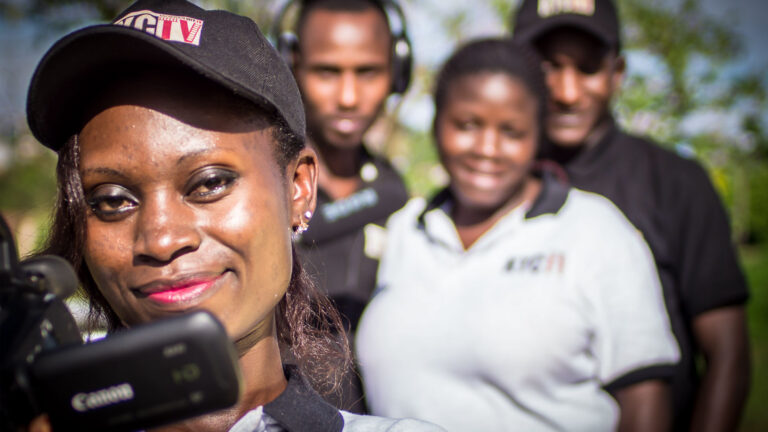
Join SDI for the screening of two poignant films: ‘The Rebel Optimist‘ and ‘Undevelopment‘, showcasing the work of community leaders, slum dwellers, and media makers who change the world. The film screening will start with an introduction by Arif Hasan, activist, urban planner, writer, and co-founder of the Orangi Pilot Project, and will be followed by a Q&A with youth from Know Your City TV, an international collective of youth living in slums, learning by doing, and making media for social impact.
Every street matters
Leave no one behind. That is the core of the UN Sustainable Development Goals: a clean, safe and just world for everyone. The same idea is central to SDI. SDI has been working on slum and urban development throughout the world since the ‘90s. Every street matters and everyone is part of the solution: that is the key to success.
Every day thousands of SDI members map the streets of their slums, going from door to door to collect information about the residents. This information gives them power to negotiate with local authorities to gain access to basic services and land rights and to prevent and develop alternatives to evictions.
SDI offers the solution to achieve the SDGs
Over the past 25 years, SDI has gained in-depth knowledge about the dynamics of urban development. The slum dwellers have become experts in solving land and tenure challenges and finding inclusive solutions when formal interests overlap with the needs and rights of informal communities.
This local knowledge and experience is invaluable if we want to achieve the Sustainable Development Goals. During The Amsterdam Sessions we explore new models of inclusive urban development and ways we can form resilient local communities.
Thank you to our partners in making this week possible: Duurzaamheid.nl, CIRCL, ABN Amro, Cordaid, Pakhuis de Zwijger, and Arcadis.
To register for events, please visit www.sdinederland.nl/amsterdamsessions today!
Know Your City: the Process, the Platform, and the Campaign


The end of 2017 marked the end of a four-year strategic planning period for SDI and the close-out of various projects and contracts in support of implementation of that plan. To report on the successes, challenges, and impact of our work over that time, SDI produced a Basket Fund Close Out report, available in full here. In this series of blog posts, we present excerpts from this report that highlight some of the key learnings and impact of our work over the past four years and point towards areas for continued growth in the new Strategic Plan, launched this year.
Fundamental to effective learning and influence is the quality and accessibility of the knowledge produced. SDI’s commitment to increased rigour in settlement profiling meant that 2013 – 2017 was a watershed period for this work which has come to be known widely as SDI’s Know Your City work and campaign.
The Process
Since the SDI network was founded, grassroots profiling, enumeration and mapping has been at the heart of the organizing process. Pioneered by slum and pavement dwellers in India, community profiles and enumerations have served to organize the urban poor and make informal settlements visible to city authorities throughout the Global South. These data then ground dialogue and partnerships between communities and local government aimed at improved security of tenure, basic services and housing. As such, the information becomes power for the organized slum dwellers who gathered it. Power balances shift between the community and city officials. Instead of beggars or protesters, the community asks officials to recognize them as partners with information and ideas for how to make changes that will benefit cities and informal settlements. For over 20 years, SDI’s peer-to-peer exchange programs have helped to spread and refine the practise of community-led profiling and enumeration from the congested slums of Mumbai throughout SDI’s network of close to 30 federations. As more and more federations undertook the process, it became clear that the data could play a powerful role in global advocacy aimed at enhancing the hand of each local federation to influence urban policy and practice. Without a measure of standardization in data collection tools and a transition to digital data management, the aggregation and dissemination of data is limited. SDI federations agreed to design a single, standardized informal settlement profile tool and to adopt and co-design support technologies to enhance data accessibility.
The Platform
The decision was made to create a Know Your City (KYC) data platform to house and analyze the SDI network’s slum settlement data. The federations remained laser focused on their principles and insisted: technological support and standardization could not substitute face-to-face engagement; the technology had to be simple and was pointless if not useful to local communities; and the transition had to ensure it did not exclude those without technological capacity. Two iterations of the KYC platform have been developed in conjunction with community profilers and enumerators throughout the network. KYC 1.0 proved that SDI’s profiling and enumeration processes could use standardized tools to enable global aggregation, while preserving the community organizing and inclusive social processes that give SDI’s data its power. KYC 2.0 proved this data would be of tremendous use to communities, governments and development partners in understanding informality and guiding upgrading plans. KYC 3.0 seeks to institutionalize people-driven data as the core starting point for building and monitoring inclusive and resilient city development. To do so, the platform and the community process must step up to yet another level in terms of its accessibility, data rigor, and data visualizations. This new iteration will reflect SDI’s improved TOC and measurement of resilience outcomes and will be housed on SDI’s own platform built in Bangalore by the federation’s partners.

The Campaign
Community-managed profiling and mapping and the KYC data platform are the two legs upon which the Know Your City campaign stands. In 2014, SDI, Cities Alliance and UCLG-A launched the Know Your City campaign in order to promote the institutionalization of people-driven data in government and development partner programing. At the conclusion of 2016, SDI signed a new MOU with UCLG-A to expand partner cities and is working with Cities Alliance to embed people-driven data in all its global programing, monitoring and evaluation. Cities Alliance has supported a Joint Work Program (JWP) to expand the reach of KYC. The Know Your City campaign has proven its capacity to anchor partnership through the organization of slum dwellers at city scale to gather data on the informal settlements. Local government-community partnerships then use this data to set baselines, plan and monitor development interventions, inform policy and practice, co-produce upgrading agendas, and jointly implement urban development that fully capitalizes on the comparative advantages of each party. SDI is partnering with the Asian Coalition for Housing Rights (ACHR) to expand the campaign throughout Asia. In phase 1, settlement profiling was carried out by communities in Davao Philippines; Jhenaidah, Bangladesh; Jogjakarta, Indonesia; Yangon, Myanmar; and Battambang, Cambodia.

Change Story 2: KYC Campaign Touches Down in Latin America
This year, SDI expanded the Know Your City campaign to Latin America to support organized urban poor communities looking to use community-led profiling and mapping to catalyze dialogue with government and/or other potential collaborators to improve the lives of the poor. Small support grants for this work will be available to organizations who show that organized urban poor communities are working toward outcome level change in their settlement or city linked to: Improved public health and safety; Improved livelihoods; Improved land tenure security; or, Improved strategic influence of the urban poor.
Selected groups will have access to the standarized KYC profiling tools, use of the KYC platform and increased visibility as part of the KYC campaign. The expansion of KYC to Latin American provides an opportunity to connect and network urban poor social movements in Latin America, Africa, and Asia. At the World Urban Forum, SDI secured preliminary commitments from UCLG and partnersh such as TECHO and HFHI to partner in this initiative.
In Recife, the community and support organization INTERAÇÃO (SDI’s Brazil Affiliate) and Habitat for Humanity International are using the KYC framework to strengthen the organization and capacities of poor and vulnerable groups threatened by eviction. Using the data, communities can defend and negotiate for improve tenure security and services. Particular importance will be given to the residents of informal/precarious settlements in the areas most valued and subject to real estate pressure. Information on the different favelas will also be used to develop a city-scale vision that communities will use in proposing or establishing alliances and influencing urban policies. This will serve to strengthen the involvement of these communities and influence the revision process of the Recife Master Plan through spaces for dialogue with the local government in the perspective of ensuring adequate housing spaces for the poorest.

Profiling Progress per Hub, 2013-2017


SDI’s Basket Fund represents a commitment from SDI’s partners to join a global network of slum dweller organizations in their long-term struggle to combat poverty and exclusion in cities. In a development sector dominated by consultants and specialists, SDI adds value as a unique organization channeling resources directly to the poor for the development and implementation of their own strategies for change. This arrangement represents an understanding by SDI’s partners that systemic change won’t be projectized or fall neatly into a funding cycle, but requires long-term multi-pronged collaboration to continuously garrison the gains and push the boundaries.
On both fronts SDI made substantial inroads during the 2013-2017 period. Download the full publication here.
Looking Ahead — Opportunities for Fundamental Change


By Joel Bolnick, Robert M. Buckley, Sarah Colenbrander, Achilles Kallergis, Nancy MacPherson, Diana Mitlin, and David Satterthwaite
SDI has been inspired by the vision of socially and economically integrated slum settlements with security of tenure, universal access to affordable basic services, and adequate housing. To that end, SDI has demonstrated over many decades that constructive dialogue, collaborative data gathering, and knowledge sharing among informal settlements, communities, and local government authorities can contribute significantly to inclusive and sustainable urban development. Our societies face mounting global risk, characterized by profound inequality and rising wealth disparities, social instability, disruptive technological advancements, large-scale involuntary migration, and climate change. Many of these challenges are concentrated in cities.
Fundamental changes are needed to:
- shift the approaches to urban development and informal settlements so that the poor are recognized as assets and partners, not problems;
- support the essential partnerships required to deliver inclusive, resilient, and sustainable urban development;
- reimagine data and information systems so they support shared knowledge, trust, and collective action;
- develop innovative instruments and frameworks to monitor and report on poverty that shape more inclusive policies, programs, and investments.
✸ ✸ ✸
The successful realization of KYC in 103 cities and 1,238 settlements demonstrates the power and potential of an expanded KYC campaign. KYC is capable of reorienting the way that urban planning and development happens. It can guide local governments, national and international policies, and programs and investments at scale. As such, it can contribute significantly to managing the persistent social, economic, and political risks facing cities and nations.
A scaled-up KYC campaign presents opportunities for SDI and partners to transform existing urban development practice and policies by catalyzing new thinking and solutions in: monitoring for local action; advancing urban resilience and inclusion; redefining and managing risk; and securing new finance for the urban poor.
Monitoring That Enables Local Action
As noted in Rose Molokoane’s introduction, there is a need to move from talk to action. KYC has much to offer the SDG and city monitoring processes in moving to achieve inclusive, resilient, and sustainable urban development.
KYC profiling and enumeration processes provide the detailed information needed to reframe issues from a local perspective and identify practical solutions for informal settlements. The central role of slum dwellers in collecting and processing data ensures a focus on the poor and on operational knowledge for local actors working to implement global commitments.
Universal generalized indicators fail to capture the complex and locally specific conditions of slums. They therefore lead to policies and programs that do not respond to the most pressing needs of the urban poor, and can direct investments away from realistic and affordable improvements. Without accurate information and a deeper understanding of the needs and priorities of informal settlements, slum dwellers remain invisible, and efforts to reduce urban poverty and inequality will fail.
KYC fills a crucial gap in efforts to localize global development monitoring agendas in the following ways:
It generates operational local knowledge. A commitment to disaggregated, local data on the most vulnerable populations is essential to ensure we understand the reality of life for the majority of residents living in cities characterized by informality. It is staggering to see the exclusion of slum households and informal settlements in national censuses, household surveys, and other data that form the basis of poverty measures. Through their design, such surveys miss millions of poor individuals, particularly those residing in informal areas. KYC is designed to measure what matters to the urban poor and cities concerned with inclusive development.
KYC offers systematic, rich, contextual information across low-income neighborhoods in cities of the Global South. The information generated through KYC profiling and mapping is operational. It informs local action by clearly showing what the priorities, capacities, and preferences of slum dweller communities are, and how those preferences vary by local context, city, neighborhood, or even household. This level of detail is necessary to realize pragmatic improvements, set appropriate standards, and create adequate solutions from the urban poor perspective.
It generates collaborative local action. KYC has tremendous potential to develop a shared understanding of local conditions and build the relationships needed for collective action by slum dwellers and local governments. It demonstrates the critical role that community groups play in framing problems, identifying issues, and addressing priorities. The power of KYC extends well beyond the data it produces and is transformative because it serves as a mechanism for communities to use this rich information to broaden understanding and accountability, both in horizontal relations (within a community) and vertically (among communities, the state, local governments, and the private sector).
Concrete examples of KYC’s potential are found wherever there are active SDI federations. The impact is strongest where KYC is embedded in national urban policy and programming. In the Cites Alliance–funded Country Programs, for example, the role of community profiling and mapping is a core element recognized by government, local partners, and international support agencies. In Uganda, Ghana, and Liberia in particular, SDI federation profiling data set baselines from which program achievements were measured, informed the development of city development strategies and urban policy, and grounded the identification, by communities, of priority slum upgrading projects funded by municipal Community Upgrading Funds.
To “leave no one behind,” we need better tools to measure change in the most vulnerable populations. For those seeking to convert information into action, KYC offers tremendous opportunity for monitoring progress toward global agendas and catalyzing dialogue and action at local, city, and national levels.
Advancing Urban Resilience and Inclusion
Inequality and climate change are two of the defining challenges of the contemporary era. Increasingly, developing cities find themselves at the very heart of these challenges. Over the past decade, the global development community and investors have seen promising results from investments that seek to build the resilient capacity of individuals, communities, and systems, including the most vulnerable. Significant conceptual, technical, and operational advances have been made using a resilience lens to reframe problems, solutions, and investments to respond better to incremental, chronic, and catastrophic shocks and stresses. The KYC campaign has been essential in advancing new ways of analyzing and understanding the role that informal settlements can play in achieving resilient and sustainable cities, reframing problems and solutions, and managing and mitigating risks. As a groundbreaking civic initiative for urban resilience, KYC offers unparalleled insights into the risks facing urban residents, as well as the means to transform relationships within settlements and cities in ways that tackle the driver of vulnerability: exclusion.
While investments in resilient, “smart,” sustainable, green, and livable cities have proliferated, many of these initiatives fail to address persistent poverty, exclusion, and lack of opportunity. Instead they often focus on technological fixes to infrastructure while remaining relatively silent on inclusion and equity.
SDI’s membership includes some of the most vulnerable populations in the world. These people frequently live in parts of the city that are exposed to hazards—for example, in low-lying coastal areas and floodplains, or on steep slopes. Environmental threats are exacerbated by the absence of risk-reducing infrastructure, such as water supply, sanitation, drains, and durable housing. As a result, slum dwellers bear the brunt of major disasters, while living with a range of everyday hazards that middle and high-income households are often able to avoid. By proactively engaging with initiatives designed to achieve resilient and sustainable cities, such as 100 Resilient Cities (100RC), and C40, SDI seeks to bring the urban poor to the center of strategy development and implementation.
As part of the 100RC effort, Durban, South Africa developed a city Resilience Strategy that identifies two critical priority areas for resilience building—one of which is, Collaborative Informal Settlement Action. This priority emerged from a highly participatory strategy development process driven by the city. Implementation of the strategy will be informed and monitored by “consolidated quantitative and qualitative community and municipal-collected data, information and knowledge on all informal settlements [that] is accessible to all and updated regularly.” Other 100RC cities are already looking to Durban for lessons on developing strategies that address informality. SDI federations in Accra, Nairobi, Lagos, Paynesville, and Cape Town are strategizing with their city government partners about how the KYC campaign can add value to the formulation and implementation of their resilience strategies. In partnership with the C40 Cities Climate Leadership Group and Inclusive Climate Action Program, SDI seeks to deepen the use of KYC by city mayors to make the case for inclusive climate action.
Redefining and Managing Risk
Much needs to be done to translate our understanding of the linkages between risks, human vulnerability, and poverty into robust risk management and investment strategies. Deepening inequality and poverty, compounded by the catastrophic effects of extreme weather events, violence, migration, and discrimination, have catalyzed new efforts to redress inadequate risk management strategies and instruments.
Over decades, SDI has implemented proven approaches to risk reduction through collective power, data, and savings. These strategies reduce everyday risks for urban poor families and help to secure assets, such as their homes. What is seldom taken into account is how these strategies also reduce the risk that voices of the urban poor will be silenced.
The KYC Campaign brings the power of community data and local Urban Poor Funds together in order to identify and reduce risks for the most vulnerable. This underpins collective efforts to negotiate and deliver community-managed public goods and services (tenure security, water, sanitation, drainage). Investments in these public goods address collectively experienced risks and help to strengthen awareness within the community of the significance of reducing and managing risk.
KYC also provides the basis for building relations that enable organized slum dwellers to challenge adverse political outcomes and reduce the risk of political exclusion. Politicians and officials appreciate the detailed information provided by KYC and recognize the potential of the organizations that produce this data. This makes them more likely to listen to SDI federations. In Namibia, for example, using the relationships enhanced by KYC, the Shack Dwellers Federation of Namibia successfully argued for inclusive upgrading solutions that now have the support of city and provincial government.
In the face of outmoded risk management instruments and strategies, innovators and early adopters in the urban field are experimenting with advancements in insurance products, credit rating systems, pro-poor safeguards in protocols for city investment, and the acquisition of risk-reducing assets through finance and social networks. SDI is also helping public and private partners to rethink the assumptions and processes that underpin decisions about banking systems, basic services, and municipal finance.
Innovation in New Finance for the Urban Poor
The United Nations estimates that it will cost almost USD $4 trillion a year to achieve the SDGs in developing countries alone, with an annual shortfall of an estimated USD $2.5 trillion. A significant portion of this funding is required for critical infrastructure to reduce urban vulnerability, but the share of public funds for these developments is diminishing. This realization, along with the emergence of impact investing and innovative finance, has spurred SDI to explore the potential for the urban poor of new experimental financing mechanisms including resilience bonds, social impact bonds, diaspora bonds, insurance-based instruments, crowd-funding, peer-to-peer lending, and outcome-based contracting.
Lessons from SDI’s experience in urban poor finance can help to inform and ground the design and innovation of these and other much-needed new financial strategies and instruments in the realities of informal settlements. The Urban Poor Fund International (UPFI) is a self-governed, self-managed, and expanding financial facility that provides capital to national Urban Poor Funds. These in turn provide low-cost loans and grants to savings collectives undertaking important urban improvement and housing projects. It puts capital directly into the hands of slum dwellers undertaking urban improvement schemes that they have negotiated with local and municipal government. Giving federations direct control of capital enables them to negotiate as an acknowledged potential partner with formal bodies such as governments, investors, and banks. These interventions have been anchored by the same local knowledge and partnerships that guide KYC and have thus produced practical interventions for affordable and scalable finance in support of the urban poor.
Climate-Compatible Informal Settlement Investments
In the face of new environmental threats (such as floods and sea level rise) investments must, to the extent possible, be designed in ways that support low-carbon development. There is far too little work done with respect to informal settlement upgrading in the context of climate change. Particularly among city governments and investors, few appreciate the extent to which good-quality upgrading could build resilience to climate risk. Throughout the SDI network, federations are building housing structures that are better able to withstand storms and floods; installing piped water supplies; making provisions for sanitation and drainage; constructing all-weather roads and paths that are resilient to extreme weather; and creating house and neighborhood designs that help populations cope with heat waves and flooding. In partnership with Global Infrastructure Basel (GIB), SDI seeks to increase investment in climate-friendly infrastructure in informal settlements by producing business cases guided by KYC data and SuRe® Standard sustainability and resilience assessments.
Risk is all about protecting the bottom line. In the case of slum upgrading in an increasingly dangerous environment, the bottom line is to change the political and economic climate. The first step is to recognize that risks associated with leaving millions of people behind will be equally shared, not borne only by those who can least afford to carry them. And to appreciate that including the urban poor in development plans will generate economic, social, and environmental benefits for all residents.
In February, SDI launched a landmark publication titled “Know Your City: Slum Dwellers Count,” showcasing the extraordinary contribution of the Know Your City (KYC) campaign to creating understanding and taking action to reduce urban poverty and exclusion. We are posting a new chapter from the book every week. Enjoy!
Download the full publication here: http://bit.ly/2seRc0x
Southern African Slum Dwellers Strategise Ahead of World Urban Forum 2018

 Delegates of the Southern Africa Hub welcoming the South African Deputy Minister of Human Settlements, Zou Kota-Fredericks.[/caption]
*This article originally appeared on the SA SDI Alliance blog.*
By Kwanda Lande, on behalf of CORC
On 11 February 2018, the ninth World Urban Forum (WUF9) will take place in Kuala Lumpur, Malaysia. WUF9 will have a specific thematic focus on the implementation of the New Urban Agenda(NUA). This theme of implementation is particularly important to urban poor residents and federation leaders of SDI’s Southern African countries, especially as the NUA relates to informal settlements.Twice a year, representatives of SDI‘s Southern African urban poor federations (Namibia, South Africa, Botswana, Malawi, Zimbabwe, Swaziland and Zambia) gather as a regional “hub” to strategise, report, share challenges, and plan for mutual learning. The recent Southern African SDI hub took place between 15 – 18 November 2017 in Johannesburg. Given the timing of the hub ahead of WUF9, the Federations invited Zou Kota-Fredricks, the South African Deputy Minister of Human Settlements, and Parks Tau, president of United Cities and Local Governments (UCLG) and the South African Local Government Association (SALGA) to open the hub and engage in discussions on the implementation of the NUA.
In the lead up to Habitat III, SDI’s East and Southern African federations had a strong presence at the UN Habitat III Thematic Meeting on Informal Settlements in Pretoria in April 2016. The meeting culminated in the Pretoria Declaration on Informal Settlements. SDI federations advocated that the NUA commit to
- Supporting the self-organising processes of communities (such as data collection and learning exchanges) to partner effectively with governments and other urban actors
- Using community-collected informal settlement data as the basis of collaborative informal settlement policy making and development planning.
How Southern African slum dwellers view the NUA
The NUA provides a new framework that lays out how cities should be planned and managed to best promote sustainable urbanisation. It talks about strengthening and creating inclusive partnerships, and people centred development. It suggests that the voice of community organisations be heard. However, for urban poor residents, the challenge, is establishing and maintaining partnerships especially at the level of municipalities where most of community organising activities are taking place and where development is expected to happen. This means that urban poor residents are struggling to gain recognition from municipal systems, and that they have not found ways of institutionalising local government – community partnerships in decision making and planning processes.
In Cape Town, for example, the South African SDI Alliance had established a strong partnership with the local municipality and jointly implemented several upgrading initiatives. However, since the last upgrading project in 2014, it has taken more than three years to progress to the next one. One of the contributing factors to this delays relate to the lack of hand-over of the partnership to successive heads of departments and senior project managers. The consequences of which is the loss of institutional memory and knowledge of the working partnership in a time of high staff turn-over within the municipality.

Parks Tau, speaking at the Southern Africa hub meeting during a discussion on the implementation of the NUA
In conversation with Parks Tau and Zou Kota-Fredericks, SDI’s Southern African federation members highlighted their priority of a NUA that is localised, meaning “that we want partnerships at a local government level”. An example is SDI’s partnership with UCLG on the Know Your City campaign, which promotes community-collected data on informal settlements as the basis for partnerships between slum dwellers and their local governments. The Southern African federations expressed:
…We want to work – together with government, UCLG, and the private sector – on collecting data and using this information to participate in decision making, implementation, and monitoring the implementation of the NUA. For example, in South Africa we want to see the Department of Human Settlements creating a forum that will meet more regularly to monitor the implementation of the NUA. This forum should be inclusive to the level that ensures that poor communities are involved.
The fact that government and civil society are working in the same space of local government with similar vision of community development demands a partnership. Both Parks Tau and Zou Kota-Fredericks, agreed for a local forum- South African forum. Parks also suggested for a Southern Africa forum that will sure case a partnership of government and civil society at that level:
At the start of 2018, before the World Urban Forum, we have to work together to convene a meeting to discuss a way forward on how we are going to work together and also to prepare a case study to present at the WUF9. The know your city campaign – data collection by communities is one tool that we are going to use to hold and strengthen our partnership. This will also be an opportunity for all partners to raise their expectations from this partnership.
The state of local government partnerships in some countries in the Southern Africa region
Southern African SDI federations spoke about the state of partnerships between themselves and their local governments as a way of offering some learning points on how to implement the NUA. Some of SDI’s federations have managed to establish well functioning partnerships: In Botswana, the partnership between the local government of Francistown and the Botswana Homeless and Poor People’s Federation involves community members and government collectively collecting community data, identifying and implementing projects. This has allowed the Botswana federation to conduct profiling and enumeration in Francsitown (Somerset West and Somerset East), identify and implement infrastructure projects together with local authorities. A major contributing factor to this work has been the presence of officials on the ground, working hand in hand with federation members around data collection.
In Namibia, slum dwellers have managed to establish local government partnerships with municipalities such as Gobabis where the Shack Dwellers federation of Namibia signed a Memorandum of Understanding with the local authority for upgrading Freedom Square informal settlement. This resulted in the Ministry of Rural Development contributing N$ 8 million and Gobabis local municipality contributing technical expertise. Officials of Gobabis municipality worked with the community of Freedom Square in data collection, community planning and implementation of different upgrading phases. In this project officials made sure that they were always on the ground. As a result they were quick to respond to projects issues. They did not impose solutions or approaches to solving problems but instead provided the necessary support for slum dwellers to implement their plans.
[caption id="attachment_4972" align="alignnone" width="610"] Delegates of the Southern Africa region hub meeting representing Urban poor federations form Botswana, Namibia, Malawi, Swaziland, South Africa, Zambia, and Zimbabwe.[/caption]What are the main priorities of SDI’s Southern African urban poor federations ahead of WUF9?