Launch of Lusaka Water Security Initiative in Zambia


LEARNING FROM OUR NEIGHBORS – SOUTHERN AFRICAN REGIONAL HUB MEETING 2016


The “G7” of the Urban Poor Happening in Zimbabwe


Representatives from seven Slum/Shack Dwellers International affiliate countries that constitute the Southern Africa Hub are currently meeting in Harare, the capital of Zimbabwe, for yet another opportunity to learn and share their varied experience on how they are tackling the challenges faced by the urban poor in the region. The affiliates attending the meeting include South Africa, Malawi, Botswana, Zambia, Namibia, Swaziland and the host, Zimbabwe. Hub meetings are regularly held in each of the affiliate countries. The Harare meeting follows the last one held in Blantyre, Malawi in March earlier this year.
The hub meetings, which have been employing the recently adopted SDI Learning Monitoring and Evaluation Reporting Framework as the basis for the reflections, are systematically being used as a tool for facilitating and deepening learning processes.

Proceedings for the first day of the hub meeting focused on savings and enumerations with the affiliates reporting on the planned activities, achievements and challenges. The Federation of the Rural and Urban Poor (FEDUP) from South Africa highlighted that they have since introduced new tools and systems geared towards improving savings. Simple but essential new recording systems are strengthening the savings culture that typifies federation processes. Savings Management Teams have been put in place and to date information about savings is being collected consistently. As a result the savings have also increased significantly enabling the South African Alliance to attain the savings targets they set for the reporting period April 2015 – March 2016. Increasing the capacity of savings management teams and networks has helped to develop the rudiments for supporting struggling saving schemes and catalysing the formation of new schemes.
The Zambian Federations have devised new strategies to boost saving scheme membership. This has included redefining the mobilisation messages. While traditionally saving scheme mobilisation has largely focused on land and housing, the new approach also places emphasis on day to day challenges which can be achieved in the short-term, such as responding to livelihoods challenges that the urban poor struggle with on a daily basis. In addition, the Zambian Federation together with their support NGO are supporting the establishment of Informal Settlement Networks (ISN). In countries where they exist, the ISN’s have become essential structures at the grassroots level to organise slum dwellers into a coherent voice for negotiations with government around access to services and secure tenure, bringing together the Federation saving schemes and other stakeholders in each settlement. Informal Settlement Networks, a model that has been learnt from the South African SDI Alliance, have enabled communities in slums to start tackling community development priorities and at the same time availing scope for city-wide engagement.
The reports and subsequent conversation on profiling and enumerations indicated an emerging trend by affiliates of going beyond ritualised counting of slum communities to effectively using the information collected for action. All affiliate reports demonstrated a thrust towards making effective use of the data and maps generated through profiles, household surveys and spatial analysis of slums. The experience of the Shack Dwellers Federation of Namibia in the town of Gobabis is an example of how affiliates are using the information – translating the figures from the surveys to tangible benefits for the urban poor.
In Gobabis, a Federation-driven enumeration exercise has culminated in a reblocking programme resulting in secure tenure for 1,000 households. while in Tsumeb, 300 plots were allocated to the federation. Affiliates are also starting to use information generated from settlement profiles and enumerations to push policy-oriented agendas. In Lusaka Zambia, for example, the partnership between the Federation and their NGO People’s Process on Housing and Poverty in Zambia (PPHPZ) with the Lusaka City Council and the University of Zambia have created opportunities to create a city-wide settlement upgrading process that include the creation of a settlement upgrading fund.
Reflections on Southern Africa Hub Meeting

By: Mariana Gallo, Knowledge Management Officer CCODE; Nico Keijzer, LME Officer Southern Africa SDI; & Noah Schermbrucker, Projects Officer SDI
The recent regional hub meeting for Southern Africa took place in Blantyre, Malawi, from 28-31st March 2015. It was the first time that Blanytre or Malawi have hosted a regional hub meeting and provided an opportunity for the Malawian alliance to showcase their work. Participants from South Africa, Namibia, Zambia, Swaziland, and Zimbabwe attended the meeting. Botswana was invited but not able to attend.
Country Reports and Field Visits
The day commenced with each country reporting on their key indicators using the new Learning, Monitoring, and Evaluation (LME) reporting format. All countries concurred that this format assisted them in measuring progress, setting realistic targets, identifying challenges, and more targeted learning to overcome them. For the first time the hub was able to produce accurate totals for Southern Africa – as illustrated in the below table.
| Southern African Hub Totals | ||||
| Baseline | Target | Achieved | Total | |
| Members | 161 961,00 | 8 765,00 | 7 084,00 | 169 045,00 |
| Savings Groups | 2490 | 300 | 217 | 2707 |
| Daily Savings | 4 354 901,00 | 829 755,00 | 287 494,00 | 4 642 395,00 |
| UPF Savings | 1 960 417,00 | 210 099,00 | 127 794,00 | 2 088 211,00 |
| Settlement Profiles | 1553 | 445 | 316 | 1869 |
| City-wide profiles | 123 | 32 | 3 | 126 |
| Enumerations | 294 | 50 | 47 | 341 |
| Maps – GIS | 109 | 306 | 207 | 316 |
| Maps – Hand drawn | 15 | 24 | 10 | 25 |
A variety of field visits also took place. Those who visited Nancholi settlement learnt about the slum upgrading activities that were being undertaken by the federation. Work included the construction of bridges, the development of an agricultural market, the renovation of a local clinic, and the construction of additional blocks for the local secondary school. Other delegates visited a variety of groups who were involved in income generation projects. One group called “Waste for Wealth” produces and sells compost. Another group makes sausages that they package and sell, while a third group makes and sells tie-dye clothes.
The group producing compost manure in Chilomani, explaining their experience with the enterprise.
City Council and Discussions on Country Projects
On the third day, hub delegates visited the Blantyre City Council for a meeting with the Mayor, the Director of Planning and Development for Blantyre, and other officials. While the meeting illustrated the successful partnership between the Malawian Alliance and the Blantyre City Council (BCC) it became clear, through the lively discussions that took place, that these types of partnerships need to be underpinned by material commitments from government (e.g. land, budgetary allocations for slum upgrading). The international delegation pushed the BCC around its previous commitments to establish a citywide slum-upgrading fund. The Malawian federation needs to follow up on the space opened by this discussion.
The meeting attracted media attention, and was reported on the front page of one of the main newspapers on the following day.
Hub participants attending a meeting with the Blantyre City Council.
The afternoon’s sessions provided an opportunity for delegates to reflect more deeply on their LME process. Not only in terms of challenges identified but feasible actions to address these issues. Below is an example of this work that the hub collectively committed to implementing over the next period. Outcomes will be reported at the next hub meeting.
Challenges:
1) Unrealistic targets,
2) Understanding of enumerations process or profiling is difficult,
3) Not having a system of reporting,
4) Politics delays the process,
5) Working with other stakeholders is always difficult and can delay the whole process,
6) Changing the mindset of people who expect a lot of money as some organisation does,
7) Slow implementation of projects,
8) Not practicing daily savings.
Possible Solutions:
1) Setting of realistic targets within a specific period of time,
2) Drawing of process maps – steps involved in saving, profiling, enumeration etc.,
3) Mobilizing communities on why they are doing the profiling, enumeration etc.,
4) Having standard reporting templates/systems,
5) Signing of MOU’s (exchange visits among municipal/local officials),
6) Joint working groups that involves stakeholders,
7) Communities must take ownership and drive the change in the community,
8) Communities should have one voice in getting resources from local authorities,
9) Going back to the roots of daily savings. Take ownership of savings and how the money is managed to build confidence.
Data, Reflections on Donor Funding, Exchanges, and Closing
The final day commenced with a presentation on the data platform from the SDI Secretariat. Federations were able to access, discuss and interact with the online platform that stores their profiling information. This is part of a process to deepen federation ownership of the information collected.
An interesting and important discussion, which is central to the work of all federations and affiliates, then took place. The crux if this discussion is that while it is recognised that donor funding is needed for activities, the agenda and priorities of donors can sometimes be in conflict with the federation’s core vision (e.g. building unaffordable housing on the periphery of the city). Broken into country groups delegates discussed criteria for accepting donor funding. Flexibility, equal partnerships, common vision and inclusion of the poorest were amongst the common points of consideration.
The meeting closed with a collective reflection session that gave delegates an opportunity to assess the content and structure of the hub meeting. More substantive details can be found in the hub report. The next hub meeting was set for September in Zimbabwe.
Malawi Federation members work with the online data platform.
The Malawi Alliance prepares their data for sharing.
Stories from the Zambian Homeless People’s Federation


Below are the stories of how two women, Margaret Mwale and Tilabilenji Nkhoma, joined the Zambian Homeless People’s Federation in order to save money and improve their own lives and the lives of their families.
Margaret Mwale
Margaret Mwale was born in 1953. She is a widow with five children and nine grandchildren. She was married to her late husband Kingswell Sakala, who born in 1938. Her husband had diabetes and high blood pressure, which made him blind for nine years and lead to his death in September 2014. Margaret has lived in George for over 30 years and has a plot, which they developed over time. Over the years, however, they only ended up with one room because the other rooms collapsed due to low quality building materials used to build the house.
Staying in one room became more difficult when her husband got very sick. The room was not well built, had poor ventilation and the door could not close properly, presenting a health hazard to the whole family. The children where forced to move out of the house because of the situation and they went to seek refuge with other families. Margaret was presented with another challenge when her husband sold part of their plot secretly, sharing the profits the sale with his brother without her knowledge. After she discovered this, Margaret negotiated with her brother-in-law pay in instalments in order to buy back the plot for $3500. Margaret was forced to stop her business of selling timber in Buseko market because of her husband’s health situation. He became too sick to do things on his own and had to rely on his wife’s support.
Since Margaret has been a committed member of the Zambian Homeless People’s Federation since 2002, she was identified by the Federation to have her house improved to help her family with the situation they where in. The family was assisted to build a two-bedroom house with solar panels. Even after the husband’s death in September 2014, she appreciates that her husband was kept in a decent environment and it became easy for her to take care of him. She also recalls that her husband was very happy, even in his last days, to have had an opportunity to live in a habitable environment. She says that he died a happy person because of the help of the Federation. Margaret now lives with her children happily and she now has grandchildren who stay with her over holidays.
Tilabilenji Nkhoma
Tilabilenji Nkhoma is an 85-year-old grandmother who has lived in George for over 30 years. When her husband left her to marry another woman, she was left to raise their four children on her own. She managed to take the children to school until college and secondary levels but none of the children work or have been able to get jobs. Sadly one of her sons is mentally disturbed and she doesn’t even know where he is now. Another son is very sick and he resides with her. She joined the Zambian Homeless People’s Federation in 2001 and since then has remained active in the Federation because she has created a family that helps her to solve her own problems.
Tilabilenji has a two-roomed house that was built a long time ago with sub-standard building materials. Over time the materials have become weak and the house is at the risk of collapsing any time. In light of this, the Federation built one room for her to ensure her safety and that of her family; she also has solar power installed. She lives with 15 grandchildren, one daughter-in-law, and her sick son. Although Tilabilenji’s live has improved, she still has challenges as the other room needs to be renovated because they can’t all be accommodated in one room. Even with these challenges she still believes she will be able to overcome them through her group and she encourages others to save as well as join the Federation.
Savings Symposium: Strong Savings Make Us Alive


Na-eema Swartz, Symposium co-organiser, counts savings collection taken on the first day.
**Cross posted from the South African SDI Alliance blog.**
By Yolande Hendler (on behalf of CORC)
From 23-29 November 2014 the SA SDI Alliance and SDI affiliates from Malawi, Zambia & Zimbabwe gathered for a weeklong savings symposium in Cape Town to strengthen the Alliance’s savings practices. The group of 80 community and youth leaders discussed the power of savings for organising communities, leveraging municipal resources and opening a space to address individual, group and community needs.

Discussions assessed the Alliance’s current savings patterns, locally and nationally. They clarified what roles and responsibilities exist within savings groups, identified existing challenges and developed solutions for these. Visiting affiliates shared their savings practices, systems and strategies, supporting the SA alliance through the exchange of alternatives ideas and opportunities.
Throughout the week the group based these discussions on field visits to savings groups and upgraded informal settlement communities like Flamingo Crescent, who contributed 20% of the cost of each upgraded structure. These visits enabled a hands-on space for the symposium members to accompany local treasurers and collectors and learn how to complete saving record forms during door-to-door savings collections in Khayelitsha, Philippi and Samora. During other visits symposium members supported network meetings in Samora and Mfuleni in Cape Town, where four or five savings groups in a particular area regularly report back to each other on a network level.

Field visit to Flamingo informal settlement.
Understanding savings in the SA Alliance
FEDUP national co-ordinators, Rose Molokoane and Marlene Don, opened the savings symposium by exploring the purpose for the gathering, revisiting the history of savings in the SA Alliance and its significance as a core methodology of the broader SDI network. Rose therefore reminded the gathering of the SA alliance’s history as rooted in its first exchange in the early 1990s with urban poor federations in India who were practicing daily savings.
Rose and Marlene revisited the main aims of FEDUP and ISN, namely
- Encourage self reliance
- Organising communities
- Use savings and other methodologies as a tool to leverage external resources
These are underpinned by FEDUP and ISN’s 5 core principles:
- Love
- Trust
- Accountability
- Transparency
- Commitment
Examining Alliance savings and looking forward
The purpose of the symposium was therefore to retrospect and understand the foundation on which the Alliance has built its savings, examine current savings patterns and look forward in terms of how these can be strengthened and developed. Based on impressions from the field, symposium members split into six groups, discussing questions, documenting suggestions and opinions in order to reach tangible outcomes. The questions under discussion were:
- What is a saver?
- Who is a collector?
- Who is a treasurer?
- What kind of savings do we have?
- Which kind is best for our organisation?
- How do we collect savings?
- How often do we collect savings?
- How do we record?
- How do we do reconciliation & savings?
- How & when do we do audits of our savings?
- How did you become a collector / treasurer?
- How do we run savings meetings?
- How should we deal with inconsistencies?
Each group presented its responses to the larger gathering, thereby mapping out a foundation on which to continue building the SA Alliance’s savings. The responses and group discussions will be used to develop a guiding framework for savings patterns in the Alliance. Communities thereby use savings not only as a tool to meet identified needs but to enable constructive negotiation with governmental tiers for resources and participatory development which includes the urban poor.
As members of each province reflected on the experiences gained during the week, it became evident that it was indeed a rich time of learning, exchange and building strong savings patterns.
“I learnt how to record in savings books, and I learnt the strength of being part of a group like this. I realised we can do it together. You made me feel so welcome” (Wendy, FEDUP Youth, Free State)
“I learnt the purpose of savings and how to motivate my community to save when I return home” (Sifiso, KwaZulu-Natal)
“Our federation belongs to us and we are the ones who will make it alive through strong savings!” (Rose Molokoane, FEDUP National Co-ordinator)

Presenting group responses.
A Month with Father Jorge: Reflections on South Africa, Zambia, and Namibia


**Cross-posted from the South African SDI Alliance blog**
By Yolande Hendler (on behalf of SA SDI Alliance)
Father Jorge is one of the longest-standing friends and a much-valued mentor not only of the SA SDI Alliance but also of the broader Shack/ Slum Dwellers International (SDI) family. He has been visiting South Africa for the last 25 years, joining us for his most recent visit from October to November 2014.
From Argentina to Japan to the World
Born in Argentina in 1930 Father Jorge Anzorena, has been living in Tokyo, Japan for more than 50 years as a Jesuit priest, an architect and a professor, leading a remarkable life (read more here). His attentive ear for people, listening, understanding and documenting the organisation processes of poor communities throughout the world draws a common thread through his experiences.
As part of an initiative in 1976 by the Catholic church and Jesuit order to understand how poor people organised themselves around land and housing Father Jorge began travelling between numerous poor people’s movements and communities in Asia, ranging from Philippines to Korea, Thailand, Indonesia, India and Sri Lanka. About a decade later, Father Jorge visited South Africa and became part of the first dialogues between urban poor communities from Asia, Africa and Latin America. Father Jorge has visited South Africa regularly ever since.
Reflections on South Africa
This year Father Jorge spent time in Cape Town, Johannesburg and Durban– visiting many communities, attending meetings and gatherings such as the National Human Settlements Indaba and reflecting on changes, challenges and points of progress:
“Over the years that I have visited I have witnessed three upgrading projects, in Sheffield Road, Mtshini Wam and Flamingo Crescent. When we first started upgrading in Sheffield Road it took a long time, and few people were enthusiastic because they didn’t know what to expect. Now in Mtshini Wam, we are looking at the next phase after upgrading, which is densification together with a team of professionals that was interested in building on the wishes of the community in order to be as inclusive as possible. Very rarely do you find professional teams that are considerate of the community’s wishes and plans. In Flamingo Crescent you can see developments in the upgrading projects: it was completed after just 5 months of construction, where Mtshini Wam took one year. There is also a transformation in the community. People are really thinking about how they can develop themselves.”
“I have also seen a change in how the alliance relates to government (and vice versa) in two meetings I attended with officials of the City of Cape Town and the Department of Water and Sanitation where FEDUP/ISN, CORC and students were presenting alternative models to the Department. It seems that government is taking more notice of the alliance and considering its capacity to present the projects and plans of the community”

Father Jorge at National Human Settlements Indaba in Johannesburg
Reflections on Zambia
During October and November Father Jorge was warmly welcomed by the Zambian and Namibian Alliances. The Zambian federation shared its work on water kiosks that the community of Kalunduville settlement near Kafue had built to ensure their first ever access to water in the settlement.
“The water kiosks are important because they require community effort and connect people to each other. Sometimes with individual benefit projects a community can be separated but when everyone contributes (like digging the trenches) this can really change the mentality of a community and build solidarity which is very important for slum dwellers”
At a savings scheme meeting in George Compound in Lusaka, which gathered Federation leaders from all over Zambia, the Federation spoke about the projects it is undertaking through using community savings such as eco-san toilets, home-improvement loans, the building of resource centres and drainage systems.
“This Federation is unique because it doesn’t live on hand-outs – please, wherever you go, tell them that the Federation in Zambia is alive!”
(Cecelia, Zambian Federation, Ndola)

Visiting Kalunduville settlement near Kafue, Zambia

Water Kiosk in Kalunduville settlement, Kafue, Zambia

With the Zambian Federation in George Compound, Lusaka
Reflections on Namibia
The Namibian Federation invited Father Jorge to Etuyeni savings group in Havana settlement just outside Windhoek and to a group meeting of various savings schemes’ bookkeepers in Gobabis. Etuyeni savings group shared its challenges around accessing municipal land and its plans to build houses through using savings to make its own bricks. In Gobabis the Federation’s bookkeepers shared insights on the strong savings and financial system it has established in managing its own funds.
“In Namibia I noticed the change of responsibility. It’s not the NGO that is responsible for the finances but it is the community. In many other places the NGO pushes the community to return the money – but when the community controls the money they take much more responsibility to use it. Often it is difficult for poor people to think long term because the focus is on surviving in the moment. But the change that comes with savings is that people can start thinking about the near future. ”

Meeting with Etuyeni Savings group

Etuyeni savings group makes bricks in Havana settlement, Windhoek

Old friends reunite in Windhoek
Citywide Sanitation Projects in Malawi, Zambia, Zimbabwe & Tanzania Report on Successes of First Year

*Cross-posted from SHARE Research website*
SHARE partners Shack/Slum Dwellers (SDI), together with their affiliates and the International Institute for Environment and Development (IIED), have just published four policy briefs documenting the first year of the SHARE-funded City-Wide Sanitation Project.
The purpose of this research project is to develop inclusive, sustainable sanitation strategies. In practice this involves creating a scalable, bottom-up model for the development and realisation of pro-poor citywide sanitation, in which the residents of informal settlements engage with their local authority to identify new ways forward. The four cities where this model is being developed are Blantyre (Malawi), Dar es Salaam (Tanzania), Kitwe (Zambia), and Chinhoyi (Zimbabwe).
The first year was focused on data collection, including community mapping and profiling. Here are some of the findings:
• The study in the City of Blantyre found that 9 in 10 residents of information settlements use unimproved latrines, and that the majority of residents have experienced a collapse in these latrines during the rainy season. Most cannot afford the sanitary draining of latrines, opting instead to dig new pits every two years.
• In the City of Dar es Salaam, the study concluded that the sewerage system only reaches 10% of the urban population, while less than 10% of public funding for sanitation is directed towards onsite sanitation services, which the majority of the population relies on.
• In the City of Kitwe, the study found that over three quarters of households in informal settlements use traditional pit latrines, due in particular to the high cost of installing sanitation facilities.
• In the City of Chinhoyi, 70% of people in the profiled settlements rely on improvised water sources such as shallow wells and other unhygienic sources, which greatly affects their sanitation options. 82% of dwellings do not have regular rubbish collection.
In all three cities, the vital importance of the relationship between tenants and landlords was highlighted. Tenants make up the majority of households in informal settlements, and are therefore unlikely to invest in improved water and sanitation facilities. On the other hand, the incentives for landlords to make this important investment are not always eviden

The community-led approach to understanding the water and sanitation situation in these four cities has not only made residents and Federation leaders better informed, but it has also already greatly improved the relationship of these residents and Federation leaders with the City Councils. In Blantyre, for example, a Memorandum of Understanding (MoU) has been signed between the City Council, SDI partner CCODE and the Federation committing them to work together in the housing, water and sanitation sectors. The council has also set up the Informal Settlement Unit to work directly with the informal settlements in the city, demonstrating its commitment to scaling up action to address needs in these areas. In Kitwe, the City Council has agreed to establish a multi-stakeholder sub-committee on the upgrading on informal settlements, which will include SDI affiliate members along councillors and utility providers. In Chinhoyi, following an MoU in 2012, the communities of two of the profiled informal settlements – Mupata and Shackleton – have now begun to explore strategies for moving forward on the issues of sanitation in collaboration with the city authorities.
The project is now in its second year, where, building on firm knowledge of the situation in each locality and the stronger collaboration that the first year has enabled, precedents will be developed to exemplify new and effective sanitation solutions. The third and final year will be dedicated to planning to expand provision to those in the city without adequate sanitation. It is anticipated that this final year will develop a city-wide strategy for inclusive sanitation and include agreements with local government that can help provide the foundations for such a strategy.
Read the full Policy Briefing for Blantyre, Malawi
Read the full Policy Briefing for Dar es Salaam, Tanzania
Shaping Human Settlements Through Partnerships Between Slum Dwellers and Academia

By Peoples Process on Housing and Poverty in Zambia (PPHPZ) & The University of Zambia (UNZ)
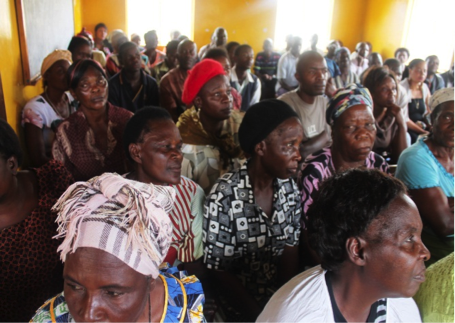
It is indisputable that the urban poor have the propensity to drive socio-economic transformation in their respective settlements through a coherent and systematic process of organized participation starting at the grassroots level. Vital to this transformation is the need to establish a powerful relationship between communities, local authorities and central governments – with government playing a powerful role in developing policies that directly affect the urban poor. In Zambia, and other developing countries, policy implementation remains a big challenge owing to the failure of officials to fully comprehend the realities on the ground and actively include grassroots communities in the development processes that affect their lives.
In an attempt to enhance mutual learning and planning with communities, the Zambian SDI alliance partnered with the University of Zambia’s (UNZA) Spatial Planning masters students to put theory into practice- conducting a participatory urban planning studio. The students are mostly officials from local and central government, as well as from other civil society organizations. It is envisioned that the students will be able to influence policy implementation given their current positions within government structures.
The urban planning studio aimed to practically demonstrate participatory slum upgrading possibilities in Kalikiliki informal settlement. The approach was largely bottom up, placing the grassroots community at the centre of the development process in order to come up with a Local Area Plan tailored to the wishes and aspirations of the Kalikiliki community. This report documents the processes and milestones that have been realized through this studio process.
Community Led Mapping and Enumerations
The Zambian federation conducted a mapping and enumeration exercise in Kalikiliki (Lusaka) under the Know Your City project in 2013. A myriad of developmental challenges surfaced from this exercise that are characteristic of most of the un-regularised informal settlements in Lusaka, and Zambia at large. The salient issues were lack of secure tenure, decent housing, improper solid waste management, and WATSAN (water and sanitation) access. As a follow up to the Kalikiliki mapping and enumeration exercise, the masters students sought to build on this repository of information and have an action oriented plan towards improving the appalling living conditions which characterized life in Kalikiliki.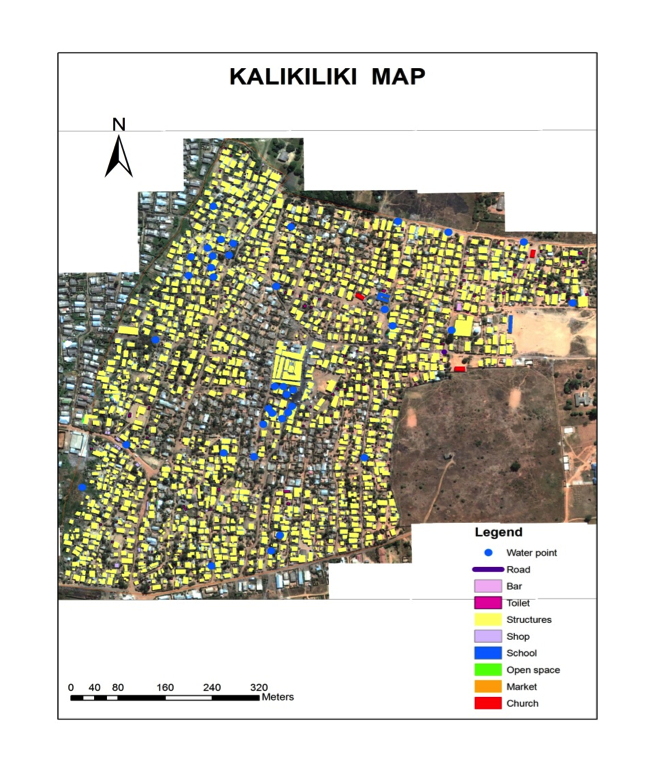
Signing of Memorandum of Understanding
On 10th December 2013, PPHPZ and UNZA signed an M.o.U to formalize their relationship. The M.o.U aimed to improve the Masters of Science in Spatial planning curriculum offered by the University and promote the goal of inclusive Zambian Cities that integrate the interests of informal residents.
The Masters of Science in spatial planning is the first of its kind being offered by the university and The Ministry of Local Government and Housing has sponsored ten officials drawn from local and central government to undertake the programme in an effort to build the capacity of the city planning fraternity. The programme thus provides a great opportunity to transform city planning in Zambia, with a bias towards hands on experience with informal areas and the massive challenges the urban poor face.
ZHPF/PPHPZ lecture critiques
The ZHPF (Zambian Homeless Peoples Federation), through the Kalikiliki saving schemes, were from time to time requested to give lectures on participatory slum upgrading to the masters students at UNZA. The lectures were important moments because this was the first time the federation was teaching educated and experienced professionals in a lecture theatre. The focus of the lecture critiques was to bridge the gap between theory and practise in the participatory slum upgrading discourse. This was achieved by drawing from the lived experiences of the Zambian Federation.
One of the most interesting lectures focused on building standards. The Federation posed the question of “whose standards?” In earlier lectures some students had taken a purely theoretical approach arguing that slums should be razed and “decent” housing built for slum dwellers. However, the Federation argued that there is no government that can afford to embark on such a colossal endeavour, and that the most practical option is in situ upgrading. The Federation also made a strong case that whatever legal standards are adopted should conform to realities on the ground.
Community validation meetings
The ZHPF were largely responsible for mobilizing the residents of Kalikiliki to participate in the upgrading of their settlement. The ward councillor (The Honorable Benjamin Chanda), Lusaka City Council officials, ward development committees, churches, water trusts, market stall holders, senior citizens and other community based organizations (CBOs) all participated. One of the key strategies employed to disseminate information was announcing activities through various churches. Pastors played a crucial role in encouraging congregations to participate, which resulted in large numbers of people taking part.
5 validation meetings were held with the residents of Kalikiliki who actively participated in the shaping of the local area development plans developed through the studio. These validation meetings helped to reinforce social cohesion in the community as residents came together for the common good.
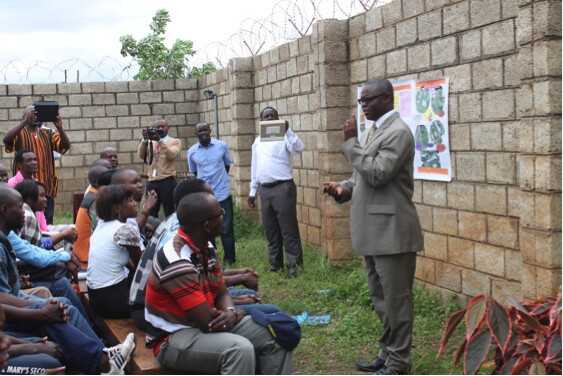
Final presentation of Kalikiliki Local Area Plans
After broad consultations with the community the final local area plan was tabled before the Lusaka City Council for possible adoption on 6th March 2014. Students generously shared their thoughts on and experiences of the Kalikiliki planning studio and its outputs. Most appreciated the principle of community participation, the emphasis on community empowerment, consensus building, and the fact that government was brought closer to the residents of Kalikiliki. Speaking through their class representative, Mr Jamie Mukwato (The Director of City Planning, Livingstone City Council), the students said the following about their experiences in Kalikiliki.
The project in Kalikiliki gave us an opportunity to genuinely engage with informality. We have always considered the issue of informality as peripheral to our daily planning work. The Kalikiliki project thus provided a new lens to examine the relationship between informality and urban planning in Zambia. The studio gave us an opportunity to examine our planning values and ethics in a country where informality accounts for over 70 percent of the urban population. Generally, planners do not engage with the informal sector in the way we did during this project. Informality is here to stay and as planners we need to look for a way to work with our people in the streets and in informal settlements. During this planning project we developed multiple skills. These included learning how to work with the community to formulate a plan that responds to the massive challenges they face on a daily basis. It was an appropriate learning experience that built the desire to respond to the real challenge of urban poverty. The process sharpened practical skills in dealing with people from different backgrounds. For upcoming planners the studio offered a great initiation into the world of planning.
There was significant community representation with local leaders and community members expressing satisfaction with the process. Representing the Lusaka City Council, Mr. Chanda, the ward councilor for the area stated that:
“The final plans that have been jointly formulated opened up the space to actualize our dreams for an improved Kalikiliki settlement. Both the settlement-wide and precinct plans have provided me with a course of action to immediately start development activities together with the community, especially around solid waste management. I thank UNZA, PPHPZ and other partners for the initiative in this much-neglected settlement. I pledge my commitment to help take the ideas developed, including the need to have this settlement declared as legal, to the council chambers and the area Member of Parliament.”
Pastor Tembo, on behalf of the community, noted that:
“The project has given the community an opportunity to discuss strategies for improving living conditions. We have been looking for a partner to promote upgrading activities including community-led waste management. We are ready to work with UNZA, PPHPZ and other stakeholders and will support any initiative meant to upgrade our settlement. This is our home and we have been living here for decades, so why continue to regard our home as an “illegal” settlement? On behalf of the Kalikiliki Pastor’s Fellowship Association, the church and the community, I wish to say that the future of the more than 20,000 people depends on initiatives like this one and not on disturbing the way of life for a community who have been here for over 30 years.”
The Lusaka City Council was represented by the Senior Community development Officer, who reflected that:
“It proved to be a challenge for Local Authorities to access houses, especially in the western end of the settlement where houses are haphazardly erected. The proposed plans by students will assist in improving access within Kalikiliki. These plans will not be wasted and we will consider implementing some of the ideas tabled. Working with the Millennium Challenge Account Zambia (MCAZ) and other partners, we will focus on implementing proposals on waste management, water and sanitation, improving access and eventually achieve full regularization of the settlement. We will also work to ensure that the issuance of occupancy certificates is expedited to cover every resident in Kalikiliki. This will ensure easy administration of ground rents and the overall effective management of the settlement”
The Kalikiliki Federation leader Mrs Mulauzi added:
“The federation provides a forum for all the residents in the settlement to take charge of their lives by having an opportunity to access finances for both short and long term investments through savings. If you are worried that you will not have finances to improve your house after the upgrading process, come and join our movement. Our “husbands”, (PPHPZ), are always there to help us with the necessary skills needed for our survival and continuous improvement. They make appointments for us to meet senior government and donor officials such as ministers, the mayor, and other important partners. So do not be left behind, come and join us now.”
Key milestones of the studio
The spatial planning studio demonstrated the efficacy of partnering with organized communities in compiling development plans that address vital grassroots challenges. The studio provided the students with practical insights into the experiential knowledge of slum dwellers. The technical expertise of students, combined with community knowledge, allowed for the development of spatial development frameworks.
The studio methodology was a departure from conventional academic approaches. Kalikiliki slum dwellers lectured students and in so doing reduced the gap between practice and theory. By placing communities at the centre stage of the planning studio an enabling environment for mutual learning and co-production was created.
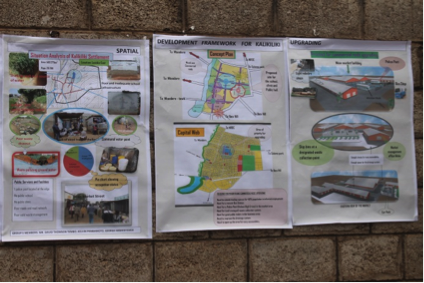
As a result of the solid partnership between the Kalikiliki and The UNZA the community was able to attract the attention of the Millennium Challenge Account (MCA) in Zambia. MCA is one of the largest global development donors and is considering implementing some of the proposed upgrading interventions tabled in the spatial development frameworks for Kalikiliki. This furthers the goal of the studio moving beyond a mere academic exercise.
Furthermore the studio enhanced social cohesion among the Kalikiliki community as they came together to propose development plans for their settlement. This also fostered the relationship between the community and the ward councilor, ward development committee and the local authority. It is understood that the plans will be adopted by the Lusaka City Council and set a precedent for other local authorities in Zambia. Efforts are now underway to ensure the adoption of the plans during the next full council meeting.
Southern African Regional Hub Meeting


In July 2013 the Southern Africa Regional Hub – consisting of the SDI-affiliated urban poor federations from South Africa, Malawi, Swaziland, Zimbabwe, Zambia, Angola, Namibia, and Botswana – met in Windhoek, Namibia. The meeting allowed affiliates to report on the progress and challenges faced by their various processes and plot future strategies and work plans, bearing in mind regional trends. The meeting was an ideal learning platform for new processes such as Swaziland, Botswana and Angola who are being drawn into the SDI fold. Key issues discussed included sustainability within the scope of diminishing donor funding, challenges of loan repayment (especially around housing), strengthening of the community voice and leadership, shared learning across border towns in different countries, the possibility of a regional hub fund and organizing to prevent evictions.
A key aspect of this hub meeting was that it allowed affiliates to think collectively about challenges which they all face (e.g. diminishing resources) and propose actions at a regional level. This scale of engagement enables strategic cross-pollination of knowledge and planning to address challenges that cut across geographical boundaries. The strength of numbers replicated in a broad-based approach to citywide change can be replicated and achieve added political clout when affiliates strategize collectively to meet challenges.
While Namibia used discussions and field visits to critically address the issue of non-repayment of housing loans (a challenge reflected in most Southern African processes) it was felt that the meeting could also have attempted to develop the Windhoek process’ stalled relationship with government. Being used to the political advantage of the local process is also an important component of regional hub meetings. The full report outlines the key activities, discussions and reflections while providing a list of the agreed upon outputs. Discussions are contextualized within SDI’s overarching goals of strengthening local government and building a strong community process.
Click here to read the full Southern Africa regional hub meeting report.