When Young People Lead, Communities Move Forward
By Kafue Youth Federation, Zambia
Informal settlements are often described by what they lack: poor housing, no jobs, few services. But spend time in Kafue’s informal settlements and you see a different story. Behind every challenge are young people with ideas, energy, and knowledge of their own communities that no outsider can match.
That belief is at the heart of the SDI Impact Innovation Initiative, now in its first year in Kafue.
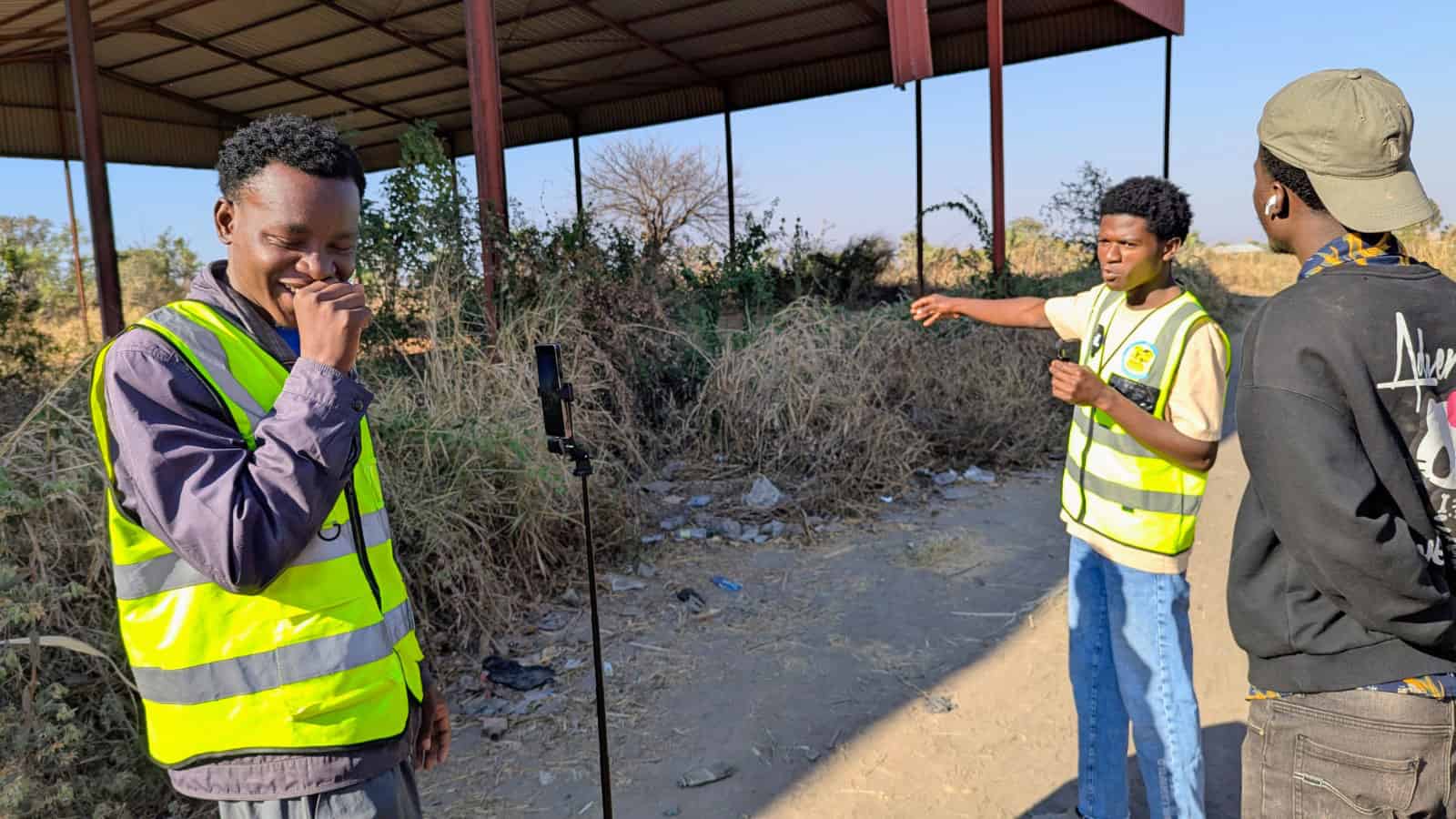
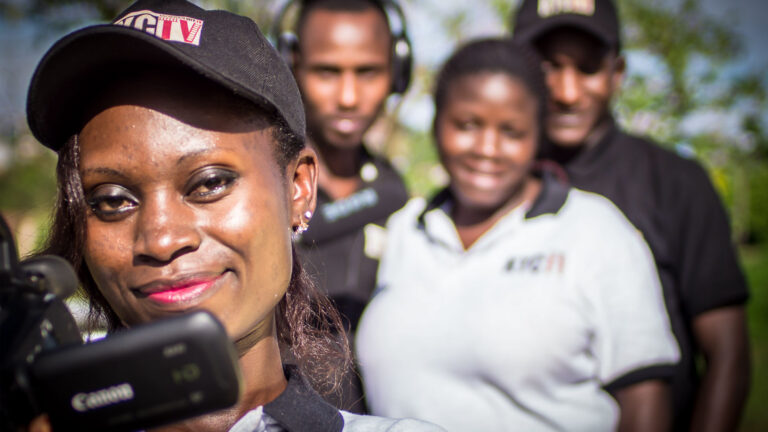
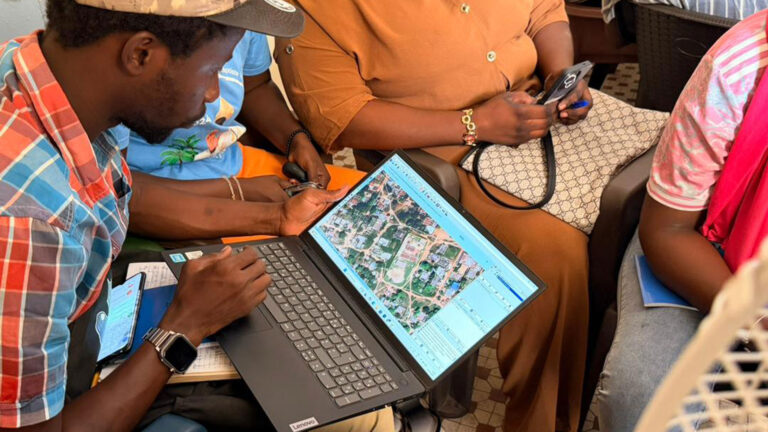
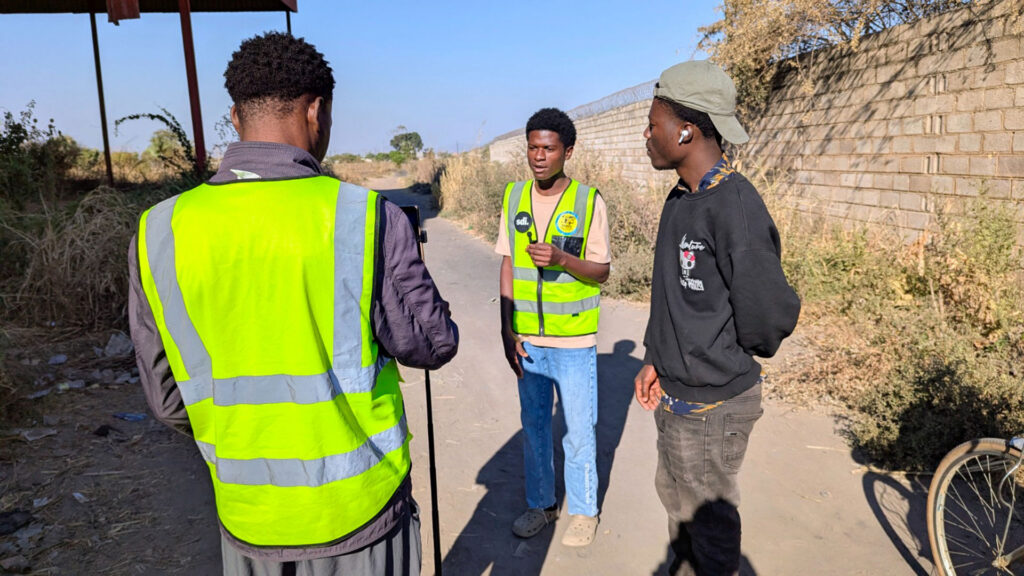
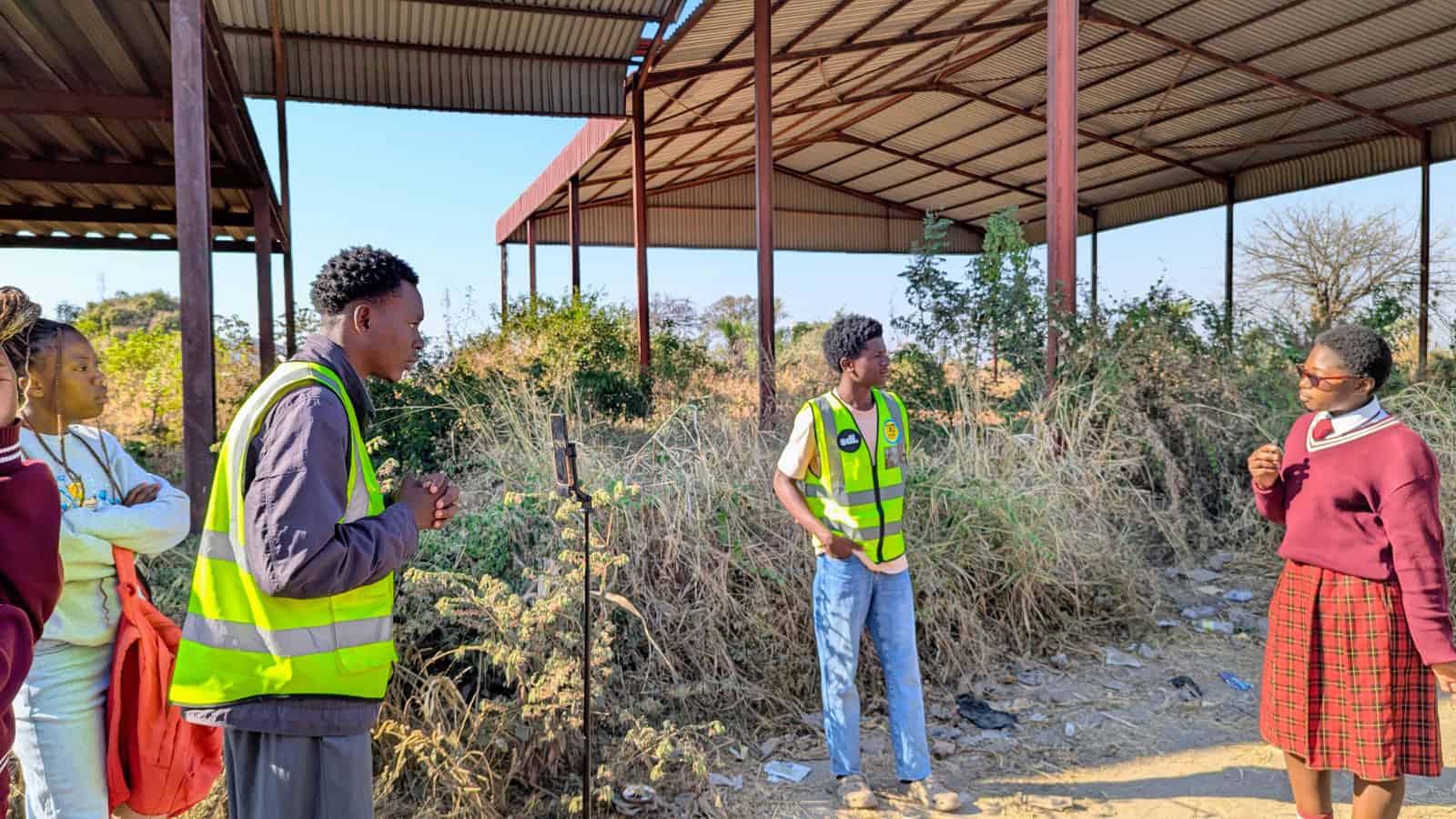
Over the past year, 230 young people from Soloboni, Mutendere, Flashbutt, Kalundu View and Lumumba came together to form the Know Your City (KYC) Youth Collective. More than half are young women. They were trained in community profiling, digital data collection, storytelling, learning, monitoring and evaluation and ethical research practice. Many had never seen themselves as researchers or leaders before. Now, their work is helping shape the future of their settlements.
One of the biggest achievements this year was profiling 3,226 households across the five communities.
One of the biggest achievements this year was profiling 3,226 households across the five communities. The result is more than numbers on a spreadsheet. The communities now have reliable information about their living conditions, livelihoods, access to services, climate challenges and opportunities for growth. For many residents, this is the first time their reality has been documented by people who understand them.
Too often, decisions about informal settlements are made without accurate local information. Investments are based on guesswork instead of evidence. When young people from the community collect the data, the knowledge belongs to the community. That knowledge can help local authorities plan better, help partners invest wisely and give communities a stronger voice when they push for what they need.
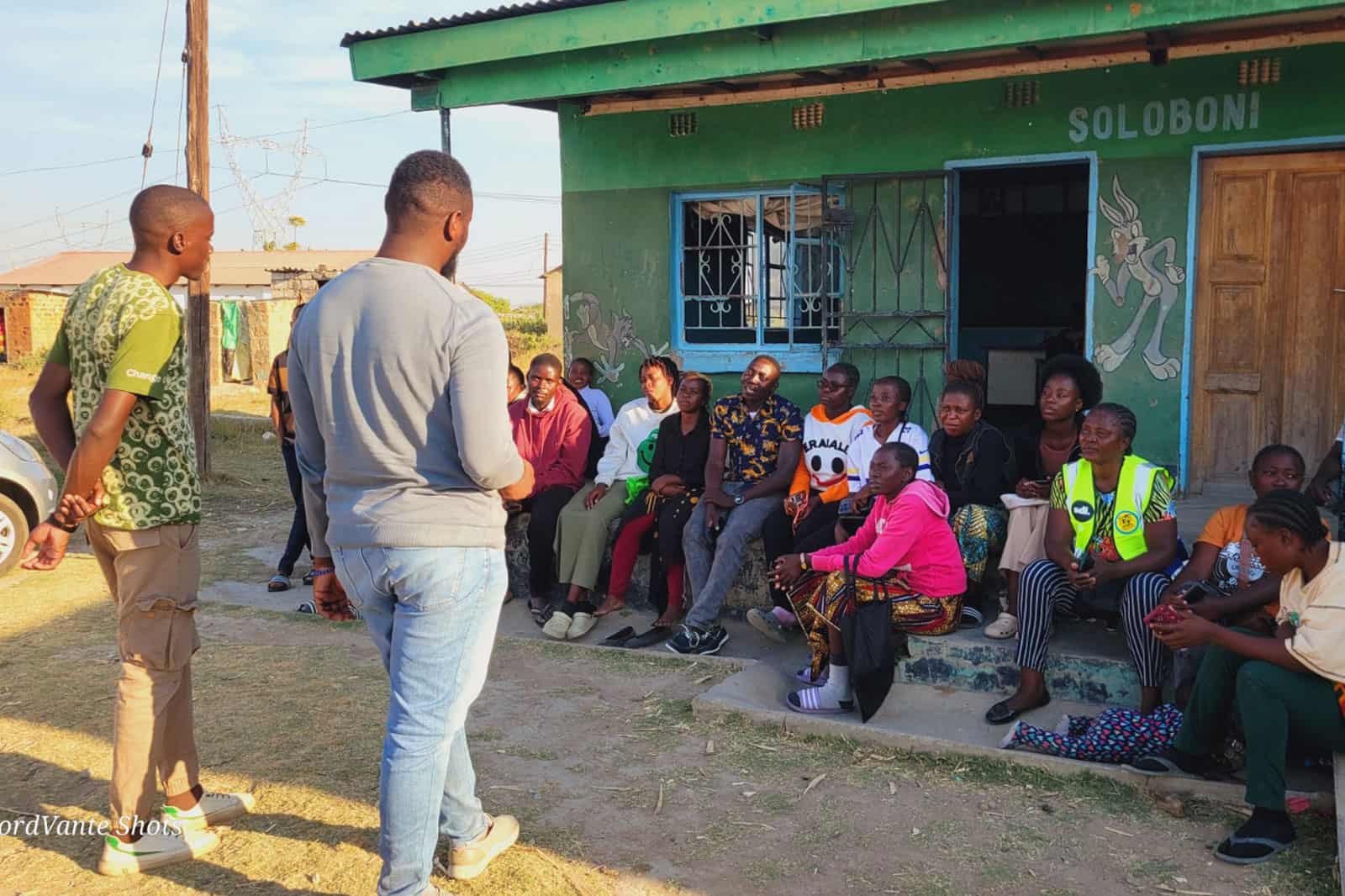
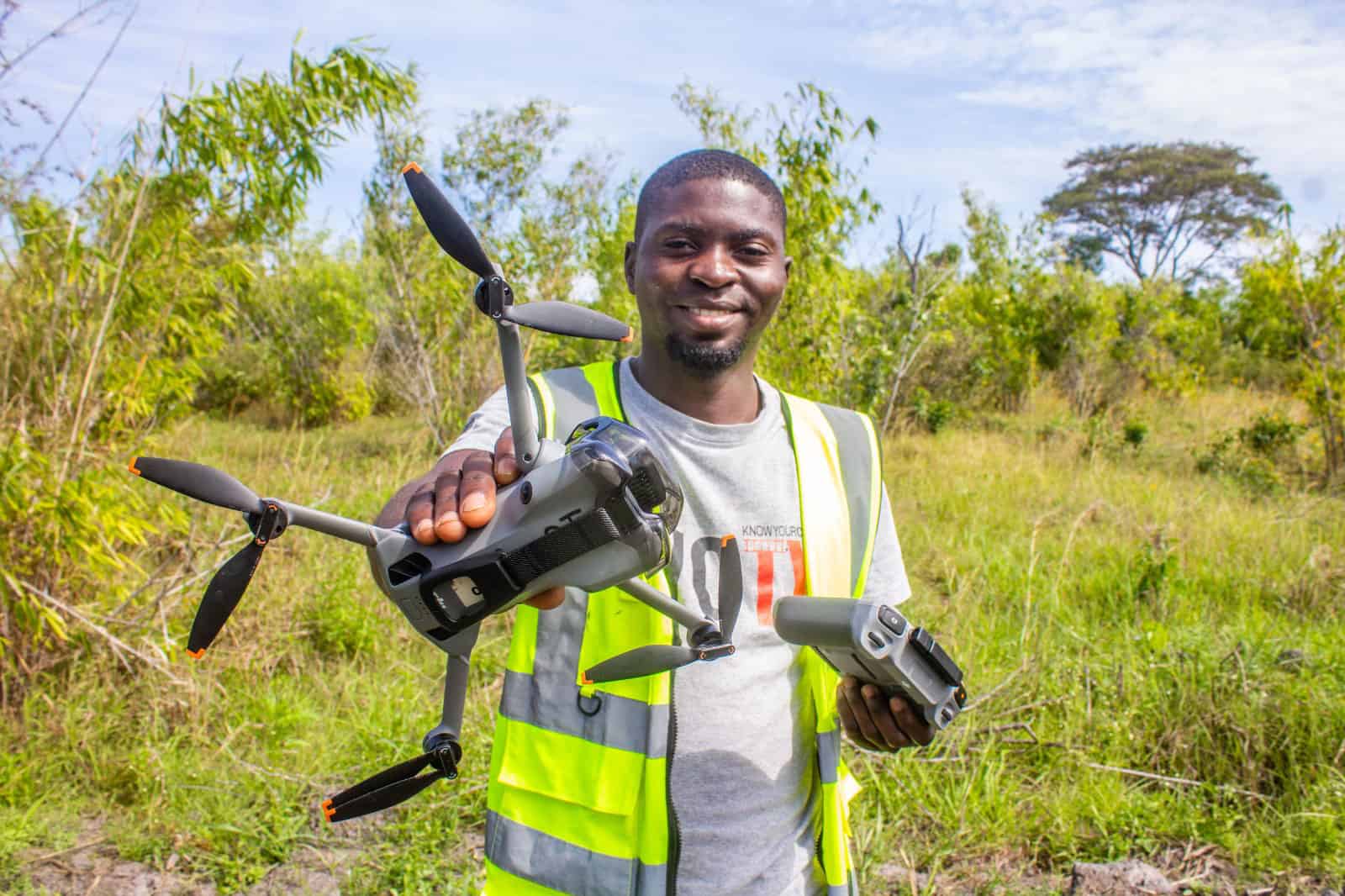
The gains go beyond data. Young participants have gained confidence, leadership skills, and practical experience that will stay with them long after the project ends. Some who were once nervous about speaking in public are now facilitating discussions, engaging local leaders and coordinating activities in their communities. They are creating their own opportunities.
Strong partnerships have shaped this work with the Kafue Town Council, Ward Development Committees, community leaders the Humanitarian OpenStreetMap Team (HOT) show is possible when institutions and communities share a common goal.
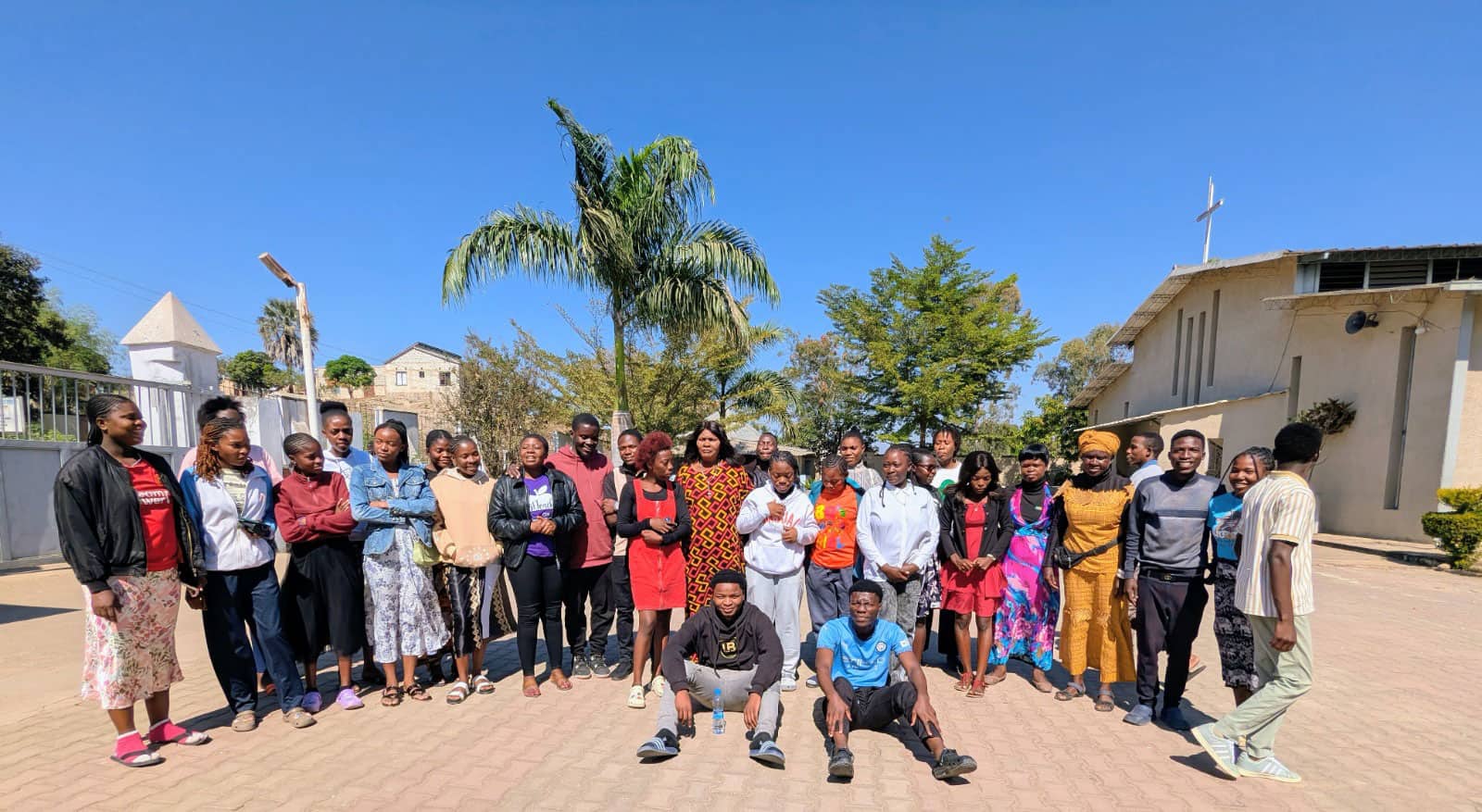
Year One built the foundation. Year Two is where the ideas from the past twelve months start to take shape.
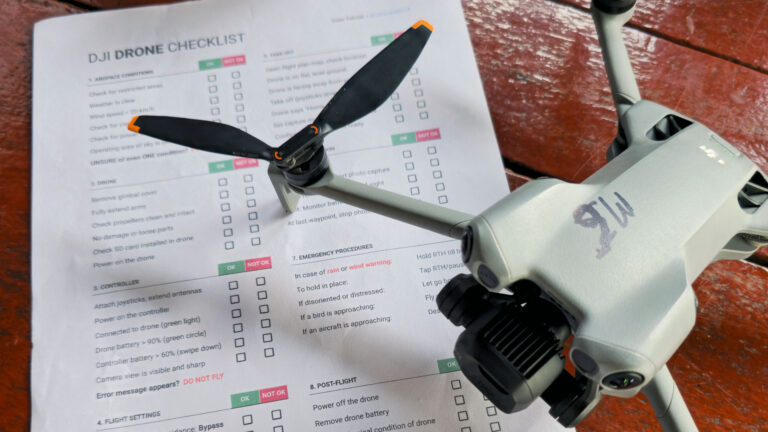
The information from thousands of households will be studied to find opportunities in youth-led business, climate-smart farming, waste management and digital work. A Youth Knowledge Hub will give young people a space to study data, produce their own knowledge, and work with partners. Learning Labs will bring together communities, government, business and organisations to test solutions built on real community priorities, not assumptions. Drone mapping and geospatial analysis will add another layer, helping communities and local authorities see settlement conditions clearly and plan better.
Youth unemployment remains one of the biggest challenges in Zambia, especially in informal settlements. But young people are not just looking for jobs. They are looking for chances to contribute, build and shape better futures for themselves and their communities. By combining local knowledge with skills, technology and partnerships, this initiative is helping young people turn information into action and ideas into opportunities.
Accelerating Locally-Led Responses to Climate Change in Informal Settlements
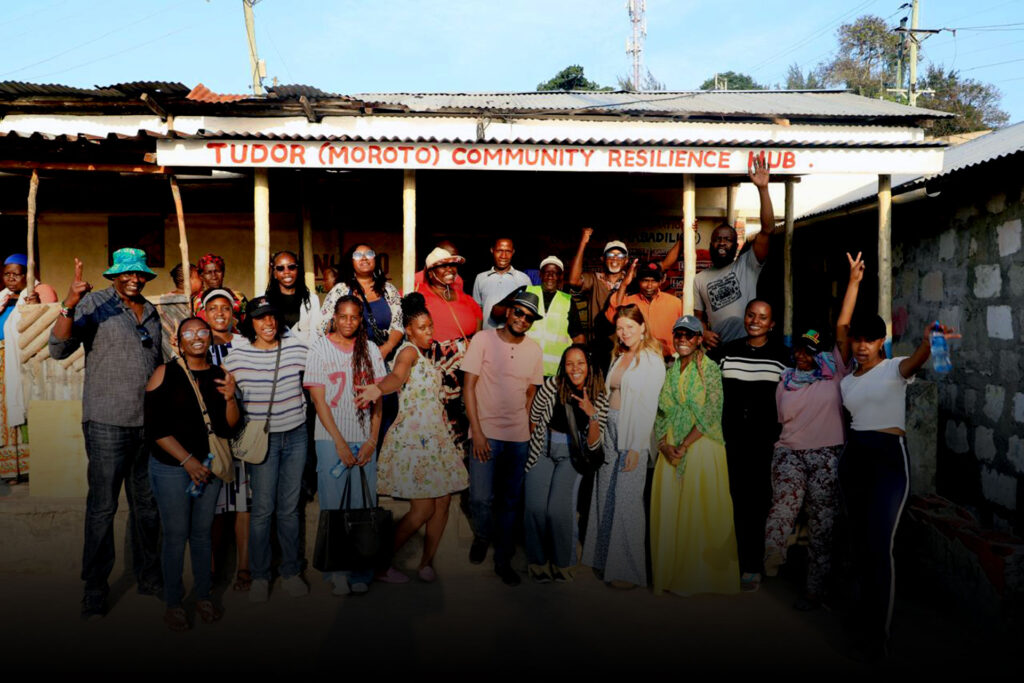
Reflections on the First Year of Implementation
Informal settlements face a combination of environmental, social and economic challenges, including poor infrastructure, limited access to land tenure security and basic services, overcrowding, and exposure to climate-related hazards such as flooding, extreme heat and landslides.
In response, SDI launched the Accelerating Locally-Led Responses to Climate Change in Informal Settlements and Slums (ALLRCISS) programme in 2025, supported by the Swedish International Development Cooperation Agency (Sida) with a three-year commitment.

A Different Approach to Climate Action
The ALLRCISS programme supports community organisations and SDI federations to design and implement climate initiatives which reflect their priorities through locally-led climate action at community, city and national levels. The project is being implemented across six countries: Brazil, Kenya, the Philippines, Sierra Leone, Zambia and Zimbabwe. The programme is grounded in the principles of Locally Led Adaptation (LLA), which ensure that climate action is designed and driven by the communities most affected. These principles emphasise devolving decision-making power to the local level, addressing the structural inequalities that drive climate vulnerability, providing patient and flexible funding, and building on local knowledge and capacity rather than imposing external solutions.
While each country operates within a unique context and different timeframes, all participating countries have consolidated their local federation systems and produced evidence to inform climate action innovations, establishing the basis for impactful, community-led resilience initiatives.


Reflections on the First Year of Implementation
Building the Evidence Base
Community engagement has been central to these achievements, with federation members, savings groups, youth teams and local leaders actively contributing through dialogue, training, data collection and participatory decision-making processes.
Across all six countries, over 1,400 households have been profiled and mapped, generating critical evidence to inform nature-based solutions, climate-smart agriculture, settlement upgrading and disaster risk management. Youth and women have been at the forefront of this work, leading data collection efforts, participating in advocacy, and taking on leadership roles in project activities.
Progress in Action

Brazil: Rede Interação & Brazilian Federation
Resilient Communities through Climate Action and Local Voices
Brazil engaged more than 60 participants, including federation members and youth leaders, piloting urban garden projects and training which bring climate adaptation directly into community spaces.

Kenya: Shack Dwellers International (SDI Kenya) & Muungano wa Wanavijji
Participatory Resilience Action for Climate Transformation
Kenya mobilised 229 participants in community dialogues, with particularly strong youth involvement. About 143 young people contributed to household enumeration and mapping exercises with 1,023 households profiled, providing an evidence base for housing upgrades and climate action planning.

Philippines: Homeless Peoples’ Federation Philippines, Inc. (HPFPI) & Philippine Action for Community-led Shelter Initiatives, Inc. (PACSII)
Strengthening Community-led Climate Adaptation
The Philippines hosted successful Disaster Risk Management Training of Trainers sessions in Quezon City and Muntinlupa City. Through Kamustahan youth sessions, young leaders are driving conversations about climate action, livelihoods and inclusivity across Metro Manila.

Sierra Leone: Centre of Dialogue on Human Settlement and Poverty Alleviation (CODOHSAPA) & Sierra Leone Federation of the Urban and Rural Poor (FEDURP)
Enhancing Resilience through Locally-led Climate Adaptation Strategies
Sierra Leone demonstrated strong women’s participation, with 165 women and 25 men (190 total) engaged in federation activities. Four new savings groups were formed, and three settlements completed community-based risk assessments using participatory methods such as focus group discussions and community mapping.

Zambia: People’s Process on Housing and Poverty in Zambia (PPHPZ) & Zambian Homeless and Poor People’s Federation
Advancing Climate Smart Food Systems and Circular Economies
Zambia reached 430 individuals through capacity-building workshops, profiling activities and resilience meetings. The federation trained 60 members in profiling methods, while 350 residents participated directly in settlement risk assessments, demonstrating significant community buy-in.

Zimbabwe: Dialogue On Shelter (DOS) & Zimbabwe Homeless Peoples Federation
Community Resilience through Locally-led Climate Initiatives
Meanwhile in Zimbabwe, 175 participants engaged in the programme, with youth playing a central role in data collection and community dialogues. Eight new savings groups were mobilised across Harare, Kariba, Chinhoyi and Gweru. A learning exchange brought federation members from seven cities to Bulawayo for a learning exchange about climate adaptation work, particularly hydroponic farming.
Amplifying Slum Dweller Voices Globally
This evidence from the ground strengthens slum dweller voices in global climate and development policy forums. Throughout 2025, SDI federation members placed the priorities of slum communities on the global agenda by participating at major international forums including the Community-Based Adaptation to Climate Change conference (CBA19), the Commission on the Status of Women (CSW), the High-Level Solutions Dialogue on Accelerating Early Warning and Extreme Heat Solutions, the Intergovernmental Panel on Climate Change (IPCC) Special Report on Climate Change and Cities stakeholder forums and COP30.


SDI Climate Champions
In 2025, the SDI Climate Champions platform was established to guide the network’s climate-change and locally-led adaptation advocacy and policy positions. Participation includes federation leaders and support NGO representatives from the five regional hubs (Asia, East Africa, Southern Africa, West Africa-Anglophone and West Africa-Francophone). The Champions collectively steer SDI’s climate-change advocacy, communications strategy and climate-related learning exchanges.
The unifying message, Slum Upgrading is Climate Action, brings together SDI’s core strategic priorities: community-led finance, community-generated data, locally led adaptation, tenure security, Know Your City and climate resilience. This framework consolidates work undertaken across multiple projects into a single, coherent campaign that will continue to strengthen and deepen in 2026.


Looking Ahead
As ALLRCISS enters its second year, the foundations laid in 2025 will support more intensive climate adaptation activities. The programme continues to demonstrate that when communities lead, climate action becomes more relevant, more sustainable and more effective.
Learn more about SDI Network at sdinet.org and follow our journey on LinkedIn, Facebook and Instagram.
Enter the Resilience Through Our Eyes photo call

Let’s use a different lens to tell the story of Africa’s urban resilience!
If you are a young, aspiring photographer living in Nairobi, Mwanza, Accra, Windhoek or Lusaka, here is your chance to take your passion for storytelling to the next level!
Enter the Resilience Through Our Eyes photo call to document urban resilience with mentorship and support. This training programme is being offered by the Resilience Initiative Africa (RIA), which aims to strengthen urban resilience by helping African communities understand risks and prevent disasters.
In support of this mission, RIA is offering intensive training to 12 budding photographers, preferably from informal settlements. Applicants need to be available to attend a three-day in-person training session in November and participate in a three-month mentorship and fieldwork programme between December 2025 and February 2026.
This intensive skills development programme will culminate in the Resilience Through Our Eyes photographic exhibition in March 2026.

You can apply if you:
- Are 18 to 35 years of age
- Live in Nairobi, Mwanza, Accra, Windhoek or Lusaka
- Live in an informal settlement and are part of a federation
- Are passionate about using photography and visual storytelling to document resilience in vulnerable communities
- Are available to attend the theory and practical components of the training
- Possess at least basic photography skills (advantageous)
How to apply:
- Submit three of your best photos
- Write a paragraph explaining why you’re a good fit for the Resilience Through Our Eyes photographic training programme
To apply, please click here to enter.
Deadline: 24 October 2025
Call for Consultancy: Conduct End Term Evaluation for VCA

Voices for Just Climate Action (VCA) is seeking applications from consultancy firms or a team of consultants to conduct an End Term Evaluation for the entire VCA implementation period between January 2021 and December 2025.
The primary objectives of the evaluation will be to generate actionable insights and build knowledge on effective strategies for fostering locally led climate solutions. The evaluation will employ a theory-based approach to assess the extent to which the programme’s activities have contributed to achieving its intended outcomes and impact.
About Voices for Just Climate Action
The VCA alliance brings together global and local voices by connecting a diverse range of civil society organizations representing women, youth, indigenous people, urban poor, digital activists and more. The programme is implemented by an alliance led by four strong Southern CSOs – Akina Mama wa Afrika (AMwA), Fundación Avina, Slum Dwellers International (SDI) and SouthSouthNorth (SSN). The alliance also includes two Global CSOs namely Hivos and WWF-Netherlands, under the Dutch Ministry of Foreign Affairs’ five-year strategic partnership, “Power of Voices”.
VCA End Term Evaluation Consultancy
To apply, please submit your proposal by 1 December 2024 to Stanley Walet (swalet@wwf.nl) and Bitamisi Nyakato (nyakato@akinamamawaafrika.org) using the subject line, “Expression of Interest – VCA End-Term Evaluation”.
Inclusive of the proposed methodology and budget, the expression of interest should be no longer than ten pages in total.
Download the full Terms of Reference here
Image credit: Gonzalo Fuentes/Reuters
Voicing the urban poor: New report highlights experiences from an energy justice programme

A new report published in the Field Actions Science Reports aims at voicing the urban poor and their experiences from the Energy Justice Programme.
Authors David Sheridan the Slum Dwellers International (SDI) Energy Justice Programme (EJP) coordinator, Mwaura Njogu a Renewable Energy Engineering Consultant, Andrew Maki the Co-director of Justice and Empowerment Initiatives (JEI) and Frederick Agyemang the Project coordinator EJP Ghana all work within the SDI Network.
SDI is committed to project typologies that produce learning at scale around clean energy access as part of our informal settlement upgrading agenda and empower the urban poor. Since 2014, we have been actively involved in the field of access to energy in Africa, India and the Philippines with our SDI Energy Justice Programme leverages community-led collection of disaggregated energy access data, community empowerment programmes and pro-poor access models. With the growing need for access in slums, our model offers bottom-up, innovative and adaptable methodological options for catalysing pro-poor change at settle, city and global levels.
Read the full report here.
The EJP is a demonstrative case study of SDI’s actions to improve access to essential services in slums and thereby empower the urban poor. The programme uses all of SDI’s tools, including the Know Your City (KYC) data collection programme, to generate grassroots and tailor-made solutions to energy access in slums.
Energy for the urban poor
Energy is a key condition for developing essential services in these neighbourhoods. SDI’s EJP has active projects in 12 countries, namely Ghana, Nigeria, Uganda, Kenya, Tanzania, Zambia, Malawi, Zimbabwe, South Africa, Namibia, India and the Philippines which has enabled affiliate federations to provide improved energy access. Approximately 25 000 distinct households with nearly 100 000 beneficiaries in total benefitting from the improvements.
According to the report, lack of access to sustainable energy is a significant barrier to slum development. The EJP sets out to leverage SDI’s core rituals of community-led settlement profiling, women-led savings groups and peer-to-peer exchanges to develop innovative solutions to critical service delivery gaps and scalable energy access projects to integrate into wider settlement upgrading programmes.
Data products produced as outputs from the EJP, such as this report, are vital tools for influencing and negotiating with key stakeholders.
The longstanding work of SDI’s Kenyan affiliate with the Nairobi City County Government (NCCG) resulted in the Mukuru informal settlements being designated as a Special Planning Area in 2017. This breakthrough subsequently demonstrated the application of community mobilisation methodologies and participatory approaches to slum re-development planning and implementation. In collaboration with NCCG, Kenya’s SDI affiliate coordinated the work of developing a comprehensive spatial plan for the redevelopment of Mukuru.
This model is a great example of utilising SDI’s work as evidence and negotiating with influential decision-makers.
The report highlights, that SDI’s Energy Justice Programmes ratchet effect which reveals that the evidence can be used to influence decision-makers, and cooperate with them (public, private, local and international), which can result in the adoption of contextual legal frameworks, just like Mukuru SPA and may assist in guaranteeing the institutionalised co-creation process in the long-term.
Learnings
The report emphasises some key learnings in terms of project design and impacts, which were identified between the inception of the EJP and now. According to the reports, there is no “one size fits all” approach to a project. The authors do not propose a unique solution to each context, but rather a strong methodology to legitimise each energy solution emerging from and required in a specific context.
Savings groups can fund solar energy systems. Within the SDI network, savings groups have been particularly adapted to the improvement of energy access in African slums. These groups can be a practical financing solution, especially for the EJP, with the model itself being easily replicable and adaptable.
Training community members on the technical aspects of solar systems is integral to the implementation plan.
Solar energy systems have great spillover effects. The transition to low-carbon energy systems is increasingly considered an important point in delivering energy for urban-poor communities. This recognises that communities must play an instrumental role in the implementation and management of these energy transitions. Thus far transitions have been slow, but by including communities to drive and co-create the opportunities for energy transitions, the adoption of innovative technologies may be accelerated, and more inclusive in terms of policy development and it enables capacity and skills building to support new and current economic activities.
Download the full report.
From Recovery to Resilience: Community-led Responses to Covid-19 in Informal Settlements

In 2020, as Covid-19 spread rapidly across the cities where SDI is active, federations recognised the need for both urgent responses to the acute humanitarian crises facing their communities and longer-term strategies to engage with government and other stakeholders to address the prolonged effects of this global crisis. Through a partnership supported by the Swedish International Development Cooperation Agency (Sida), Cities Alliance , and Slum Dwellers International (SDI) we were able to channel much needed resources to organised communities of the urban poor in 17 countries across Africa, Asia, and Latin America to facilitate these processes.
Over the past 20 months, the Covid-19 pandemic and pandemic responses such as government lockdowns have highlighted and exacerbated many of the chronic stresses urban poor communities live with and struggle against daily. As such, the strategies supported by this SDI / Cities Alliance partnership are about more than Covid-19 response and recovery: they are about sustainable, inclusive, and pro-poor urban development that provides communities with meaningful opportunities to work with government and other stakeholders to address issues such as food security, access to livelihood opportunities, skills training, and basic services like water and sanitation, as well as the need for accurate slum data to drive government responses in times of crisis.
SDI’s urban poor federations have shown that they have the social networks and systems in place to respond efficiently and effectively to disasters and chronic stressors. They have demonstrated their critical role to governments and development partners as reliable actors at the forefront of provision of information on and services to the most vulnerable. Indeed, with lockdowns and government restrictions, many external organisations were unable to access the vulnerable communities where SDI federations live and work, highlighting the immense value of working directly with these communities.
The following examples highlight how federations have the information, knowledge, and skills to work with government and other stakeholders to implement effective, scalable solutions to chronic and acute urban challenges.
Improved public health and safety
Many residents in slums live in overcrowded homes without access to on-site water or sanitation and face the constant threat of forced eviction. This means that preventative Covid-19 measures such as hand-washing, disinfecting, physical distancing, and quarantine are often impossible for the urban poor.
Outcome Story: Bridging Knowledge and PPE Gaps in Tanzania
There was a gap in knowledge on Covid-19 awareness, especially in informal settlements. Through this project, federation teams have been able to provide support to ensure that communities and schools awareness and knowledge on the pandemic is enhanced and precautions are being taken against the pandemic. This went hand in hand with the provision of hand washing facilities and PPE in places which had no facilities such as in market places and schools.
This has contributed to behavior change in terms of improving hygiene as a way to stop the spread of Covid-19. Communities now have the knowledge and facilities to wash hands. Correct information sharing around Covid-19 has helped groups such as boda boda drivers (motorcycle taxis), food vendors, and school children which had limited access to information about the pandemic. Interactions with such groups provided an opportunity for them to ask questions and seek clarifications, which enhanced their understanding on prevention and treatment methods. Another significant outcome is the recognition of the Tanzanian SDI Alliance as a partner in addressing pandemics by the government. This has improved the relationship and established new ones with other units/departments within the municipalities such as the public health unit and the regional office. These relationships will help to provide more engagement and opportunities for the federation, and the alliance in general as well to discuss and negotiate further interventions related to the health and public safety of people living in informal settlements. The pandemic has taught us lessons on hygiene promotion, in particular hand washing behaviors, which is a serious issue the community needs to practice beyond the pandemic.
The federation led the process of planning and implementation of these activities and interventions. This included gathering information from different groups on the pandemic, identifying needs, and supporting awareness as facilitators in schools, markets, households, and settlements.

In Ghana, the federation was able to identify and map Covid-19 hotspots. Community members were trained to manufacture and install hand washing stations for community use within these hotspots. Additionally, the grant enabled the installation of in-yard water connections to poor and vulnerable households in slums/informal settlements to increase access to water supply. In Zambia, the federation was able to support provisional WASH interventions and set precedents for water provision to slum communities through community-led processes. Through the provision of water storage and hand-washing facilities in slums, communities are now able to regularly wash their hands in public places and this also enabled market committees to enforce preventive regulations since the infrastructure to wash hands is now available. At the household level the Zambia Alliance identified 75 women with health vulnerabilities who are at greater risk when collecting water from congested public taps. Additionally, through engagement meetings with water trusts and utility companies the federation was able to lobby for pro-poor water subsidies.
Enhanced livelihoods
Despite the negative effect and impact to individuals, communities, and countries the Covid-19 response actions have also brought opportunities with them. Some which came as a result of this programme are income generating projects, for example liquid soap-making and sewing of reusable face masks respectively have equipped community members with skills which some families are now using to earn a living. Federation members in Malawi, Zambia, and Zimbabwe were trained in sewing reusable face masks and the production of liquid soap and sanitizers. In Malawi, federation women and youth trained in design and tailoring produced and distributed 17,300 reusable face masks to vulnerable members of the community and primary school going children.
Outcome Story: Building Resilient Livelihoods in Zambia
The Zambia SDI Alliance facilitated trainings to capacitate slum dwellers with skills necessary to build resilient livelihoods. The trainings were conducted in two typologies namely sack gardening/organic farming and metal fabrication. Sack gardening involves the use of biodegradable waste in urban agriculture to provide nutritional support and sustainable livelihoods. At household level, sack gardens significantly reduced food shortages and helped in reducing garbage that has been indiscriminately disposed of in informal settlements, thereby creating healthy and safe environments. Sack gardens have a lower production cost as their main input is organic waste, which is readily available in informal settlements. The sack gardening enterprise consumes about 20 tons of organic waste in a month and with the plans to scale up production, the enterprises will be a significant consumer of garbage being produced in informal settlements. Besides the environmental benefits of the enterprises, slum dwellers secured resilient livelihoods that are set to provide employment to more slum dwellers when the intervention is scaled up.
Metal fabrication training also brought some positive changes to youths, as it created an opportunity for them to produce products that are on demand as well as helping their communities to meet their community demands. Currently the enterprise has been instrumental in harnessing fabrication techniques for Covid-19 prevention. The enterprise created a touch-less hand washing facility that has special features to avoid contact with the facility. The facilities have since been distributed into public spaces as well as for other interested organizations. The enterprise has created a viable livelihood for the unemployed youths and this intervention will continue into all settlements to create local technology that can easily be managed and maintained locally.

Pro-poor data driven development
SDI affiliates adapted Know Your City profiling and mapping tools to gather household and settlement level data on the impacts of Covid-19 on the urban poor. In Zimbabwe, youth were trained on data collection tools used to collect information on the level of awareness and community preparedness to Covid-19 as well as the pandemic’s impact on community members in terms of livelihoods, housing, and WASH. In the Philippines, the federation undertook a vulnerability mapping of 22 communities in which localized Covid-19 hotspot maps were produced and included the identification of households with vulnerable groups such as seniors, children, persons with disabilities, and pregnant women. In Botswana, the federation interviewed 33 savings groups to gather information on how Covid-19 has impacted the livelihoods and savings of urban poor communities. Findings revealed that many members stopped saving due to loss of employment and income. Most of the small businesses collapsed during the first lockdown and many of the street vendors that would travel across the border to buy their goods were no longer able to work with borders being closed. Students also faced hardships due to disruptions in education. Findings also showed that schools not only provide education but also provide students with social development skills. The pandemic has contributed to an increase in psychological and economic pressure leaving many without jobs or the ability to put food on the table, which has also highlighted the spike in gender-based violence.
Outcome Story: Using Community Data to Improve Basic Service Access in India
As part of this project, slum profiling and collecting data on community toilets was undertaken from 10 settlements across 10 cities. While conducting these profiles, Mahila Milan leaders realized the different issues communities are facing in the area of water, sanitation, drainage, jobs, etc. They found out which settlements have or lack access to toilets, what water facilities are available to residents, what mechanisms are in place to collect garbage, and how people are dealing with job issues. In Pimpri, Mahila Milan leader Rehana highlighted how in one of the settlements the community toilet that was constructed in 2018 was neither connected to the main sewer line nor was maintained properly which meant people were facing difficulties using the toilet. The women in the settlement approached the local councilor, spoke to him about the problem, and sought his support to fix it. In her own settlement, the drainage water enters people’s homes especially during the rains giving rise to many water borne diseases and skin infections. The dirty water from the community toilet as well as drainage water from individual houses is let out into one drainage line that causes this problem. They have been approaching the local councilor for the last five months but there was no relief. They again visited the local councilor and said that if you don’t take it up then we will have to approach the ward. We work for an NGO and are aware of all the processes and procedures that need to be done to sort out issues. They then got in touch with the health department in the ward office, did site visits, and within eight days they had laid down new drainage pipes. Six such pipes need to be laid down in the settlement in different places which will be completed soon.
Similarly, the Mahila Milan leaders from Surat were facing drainage issues where water would overflow onto the roads and into the homes. Coordinating and negotiating with the local councilor and ward, they were able to resolve the problem.
In both cities these problems arose during lockdown and community members could not travel to the ward office. However, the Mahila Milan women were adamant to resolve their problems and so they started communicating with the officials via phone on a daily basis until the problem was resolved. At times the officials try to avoid these women, don’t take their calls, and say they forgot what it was about, but the women say even if we have to call them 100 times, we do that and should keep doing it. This is a way of showing how serious the organization and communities are about resolving their own issues, how accountable the leaders feel for their own settlement and people, and how this can be a means of strengthening their relationship with the city and authorities. The end result has been that these women are now called by the city to help them with certain programs or implementing schemes that benefit the city as well as communities. They also get an opportunity to start thinking of upgrading their settlements in different ways.
The Sierra Leone SDI Alliance, in consultation with Freetown City Council (FCC), developed an app (FISCOVIDATA) and live dashboard in which communities can identify hotspots and link to government service providers in real time. The mobile app and dashboard provides two-way communication – it relays information to appropriate authorities and notifies communities of actions taken. Piloted in 10 specific slums, this community-based approach has proven that empowering communities to mobilise actions for response and mitigation of health pandemics, is an effective way to mitigate the spread. This resulted in the reversal of the spread of Covid-19 in these settlements. This work has attracted the interest of other partners, namely Sierra Leone Urban Research Centre (SLURC) and College of Medicine and Allied Health Sciences (COMAHS) to collaboratively work with DICOVERC to develop the app further so as to intervene in any future health emergencies.

Institutional collaboration between the urban poor and government
The need to address basic services, health needs, and decent shelter is critical in the Covid-19 fight and this project supported communities to highlight their plight and push for meaningful change. Applying rules created for the formal city into an informal settlement is challenging and may paralyze the action. Agreements need to be reached and governments need to find flexibility on policies and regulations so that formal interventions can take place in informal settlements. In South Africa, the Federation in the North West province started to implement the Asivikelane campaign in October 2021. The campaign collects data about basic service delivery (water, sanitation, and waste removal) in 21 informal settlements and uses this information to pressurize local municipalities to deliver. Fifteen settlements were mobilized to select 35 representatives to join a meeting with the Madibeng Administrator, the Department of Electricity, the Department of Human Settlements, and the Housing Development Agency as a united front. Through multiple engagements, the SA SDI Alliance is now in the process of signing an official MOU with the Madibeng municipality that will bind the municipality to the working partnership with the Federation in terms of addressing informal settlement upgrading, housing delivery, and formalizing structures.
Zambian Federation & PPHPZ: Responses to COVID-19

 On behalf of the Zambian Federation and People’s Process on Housing and Poverty in Zambia (PPHPZ) – SDI presents the work to fight COVID-19 across Zambia.The following is an account directly from the SDI affiliate in Zambia, alongside updates on the current work of the Zambian Federation & PPHPZ.
Approximately 40% (6 million) Zambians live in urban areas and 70% (4.2 million) of those living in urban areas live in the slums known as “compounds.” The spread of COVID-19 across the globe has been through human to human transmission of individuals traveling from country to country, thus, the misconception is that it is a disease that affects the ‘rich and privileged’. On the contrary, comparatively informal settlement dwellers face a much greater risk to Covid-19. Life in the slums (compounds) is characterized by poor quality housing and inadequate access to clean water and sanitation. If water is available, its either intermittent or of compromised quality. Streets are characterized by overcrowding, and poor planning, with electricity intermittently provided. Another obstacle is limited access to household and public sanitation – this service is crucial in combating the spread of disease such as COVID-19 pandemic. The absence of public toilets curtails and hinders efforts of fighting pandemics as fecal matter can spread diseases in the community.
In Zambia, cases of cholera outbreaks in informal settlements have ceased in the headlines with seasonal outbreaks on yearly basis becoming the norm. During epidemics, slum residents are more vulnerable to respiratory infections owing to the fact that people are overcrowded and congested in their communities & houses without proper ventilation fueling mass spreading of COVID-19. Poverty levels are exceptionally with cases of malnutrition exacerbating chronic infections despite widespread vaccinations and social sensitization programmes. The number of infections in these communities are always double than those in planned, affluent suburbs.
COVID-19 is an exceptionally dangerous due to the fact that it is highly infectious even in asymptomatic patients with no current vaccine or cure. While current statistics demonstrate that confirmed cases are low, with none confirmed cases in the compounds, the ravaging effect the virus would have in the slums would be devastating.

The global community of health experts have recommended three simple yet fundamental effective tools to combat the spread of the virus and these strategies need to be critically examined to check their efficacy. The Zambian government, in line with the advice from both local and international health experts have recommended the following:
Hand Washing and Sanitizing:
In the context of slums, hand washing can significantly reduce the spread of COVID-19; however, under the current circumstances, this tool will not work unless access to affordable or free water is provided in the informal settlements. In most settlements like Kanyama, the biggest settlement in Zambia, water is still intermittent, inadequate and expensive for the average employed resident. Currently a 20 litre container is pegged at 50 ngwee and on average a family needs at least 200 litres translating to 5 kwacha every day or 150 kwacha per month, a figure which is unaffordable by most residents, where water is also rationed. In George compound, water kiosks are opened at 6.00 – 10.00 and 17.00 to 18.00. To avoid any escalation, taps need to be opened at all times until the virus is defeated.
The situation is worsened by electricity cuts due to maintenance and load shedding and will further deteriorate due to loss of supply from independent suppliers for the next two weeks. Electricity is needed to pump water by water trusts who are charged with the supply of water as well as private borehole owners in most settlements. Without water, curbing the spread of the COVID-19 through hand washing is impossible. It is time that the Zambian government provides free water in each and every compound.
This strategy will save our government millions of kwachas while saving many lives. It is a travesty that utility companies like Lusaka Water & Sewerage have not yet been directed or capacitated to provide this essential service to the most vulnerable settlements. In the absence of free or affordable clean water, communities will either resort to shallow wells that are heavily contaminated or will opt to use water sparingly thereby not washing hands frequently.
Coupled with provision of free water, should be the provision of hand-washing stations at all public toilets, bus stations, and markets in congested homesteads. The biggest markets like Old Soweto in Lusaka, Masala Market in Ndola, and Chisokone Market in Kitwe should be immediately provided with hand washing facilities and sanitizing agents. Distribution of hand washing stations, sanitisers, soaps needs to be broad based and not simply through locally recognized structures like the Councilor’s Office and the Ward Development Committees. The challenge is bigger than these local structures, grassroots community associations, and savings schemes the likes of the Zambia Homeless and Poor People‘s, but the responsibility of the state. Federations and Cooperatives need to be engaged – involving grassroots associations and savings schemes at the local level is crucial.
Hand washing has been a privilege of medium to high income residents. To exacerbate the exclusion of the poor, almost every shop has quadrupled the price of hand sanitizers owing to the huge demand by those who can afford them. Efforts should be targeted at subsidizing the prices through the Competition and Consumer Protection Commission. There is an opportunity to start working with community-based groups to make homemade sanitizers supporting livelihood initiatives in these troubled times.

Social distancing i.e. staying at home, closing schools, isolating the sick, keeping at least 1 meter apart, and avoiding hugging and shaking hands:
Social distancing is currently the least expensive and the most affordable tool to each and every individual; however, in mostly densely populated communities, it is almost unavoidable. Closing the markets and the shops could trigger serious financial security issues as people are likely to starve due to food shortages. Most residents cannot afford to buy food in advance, as they live hand to mouth. A lock down without the possibility of working will cause serious resistance from these vulnerable communities. This demands that people should continue trading but alongside serious protective mechanisms.
Wearing Protective Gear:
Face masks can assist in reducing infection rates of COVID-19 if they are available and affordable. Since the outbreak of the COVID-19, face masks have significantly increased in price with poor people have been cut out off completely in accessing masks. An opportunity exists to work with grassroots community groups, savings schemes and cooperatives in the mass production of masks produced with chitenge materials. Government and cooperating partners should channel support to the grassroots to produce masks, as this will inevitably drastically reduce and eliminate the exaggerated prices currently prevailing in the market. A chitenge made mask can be washed and disinfected everyday ensuring that they are accessible to the masses, while providing a sustainable solution.
Overall, it can be seen that efforts to combat the virus should be broad based and all inclusive; organized grassroots associations & savings schemes ought to be at the center of fighting the pandemic, not just health workers or government alone. Any solution being proffered has to be within the reach of the most vulnerable. Water, as a matter of urgency needs to be provided for free by state, private sector and individuals who have their own boreholes. Let’s not make a mistake mistake of making community members mere beneficiaries and health workers and government are seen as the only actors in the fight.
Currently the Zambian Federation & PPHPZ is working closely with the Lusaka City Council & Ministry of Health. They have mobilised sed youth teams in creating COVID-19 related content (videos, posters, jingles, etc.) translated into local languages circulated on social media platforms, local radio stations to sensitize communities. Federation savings & youth members have been trained as hygiene stewards to champion community-led initiatives to educate and distribute hand sanitizers, masks, gloves and liquid soap. PPHPZ has identified local schools, churches and community halls as potential warehouses, distribution centers and spaces to accommodate infected people. The Lusaka Federation will use its Resource Centre in George Township for warehousing food and other essential materials.
Please keep following SDI as we highlight the initiatives of SDI affiliates across Africa, Asia & Latin America in the fight against COVID-19 to support the most vulnerable throughout this pandemic.
Zambia federation & government travel to Namibia for community-led housing & upgrading exchange


Zambia is a fast developing lower middle-income country with an estimated population of 16.9 million people and a growth rate of 3 per cent per annum. It is estimated that close to 40 per cent of the Zambian population reside in urban areas with an annual growth rate of 4.37 per cent.
As a result of the rapid urbanization the country is currently experiencing, there has been an unprecedented demand for adequate housing for the growing population that local authorities are unable to meet owing to limited financial and human resource constraints. According to UN-Habitat projections, Zambia faces a housing backlog of 1.3 million housing units, and because conventional housing is beyond the reach of the vast majority, it is estimated that close to 70% per cent of Zambia’s urban population resides in informal settlements that are characterized by appalling conditions such as poor/dilapidated housing, inadequate water and sanitation, lack of security of tenure, and other basic services.
Against this grim background, Peoples Process on Housing and Poverty in Zambia (PPHPZ) and its grassroots partner Zambia Homeless and Poor People’s Federation (ZHPPF) with over 10 years experience in providing micro-finance to poor urban slum dwellers to construct low income housing strategically entered into a partnership with the National Housing Authority (NHA) that saw a Memorandum of Understanding being signed in May 2016 aimed at providing sustainable and affordable housing deliberately to low income earners and the urban poor in Zambia.
Despite the MOU being signed in 2016 and ring fenced government funding for the project to the tune of $600,000.00 per annum, the initiative succumbed to government bureaucracy with regards to the disbursement of funds. However, in January 2019, the government through the Ministry of Housing and Infrastructure Development (MHID), has established a steering committee that seeks to oversee the fruition of the low cost housing initiative between PPHPZ/ZHPPF and NHA.
Following the establishment of this steering committee, there have been subsequent meetings and field visits between MHID, NHA and PPHPZ/ZHPPA. In readiness for the implementation of the initiative that will be a first of its kind in Zambia, the partners undertook a learning exchange to Namibia with support from SDI from the 25th of February to the 1st of March 2019. In the SDI network, Namibia has become a learning hub for affiliates owing to the significant strides they have made in harnessing government and private sector resources for low cost housing construction as well as incremental participatory upgrading.
The exchange made time and space for both federations to present the impact of their work to date, for the Zambian delegation to visit a number of projects in Windhoek and Gobabis, for discussion of the experience of each federation (and their respective governments) with regards to community-led housing, and for the government officials to learn from one another.
By the end of the learning exchange, it was clear that the challenges of urban informality are similar in kind but vary in magnitude in both Zambia and Namibia. The two countries are still grappling with addressing the prevention and upgrading of slums, whilst on the other hand grappling with providing decent and affordable housing to the vast majority.
A major hindrance for the urban poor and governments to invest in improved housing and upgrading often borders on the unavailability of financial resources. However, it is indisputable from the Namibian experiences that the concept of community-managed revolving funds is a tried and tested concept that can have a huge impact in transforming the lives of the urban poor. Community managed revolving funds prove to the government, private sector and other likeminded stakeholders that the urban poor are not “beggars” and mere recipients of development, but instead, they are the key drivers to their own development by contributing their own meager resources and sweat equity to the development process.
It was learnt that community based housing approaches significantly reduce the overall landing costs of the housing units as compared to using private contractors who are profit driven and this escalates the housing costs to be borne by the end users. Community based housing approaches reduce the landing costs by using economies of scale through bulk purchasing of negotiated construction materials, and these cost savings trickle down to the beneficiaries. Additionally, the costs are reduced through the sweat equity provided by beneficiaries in aspects such as making their own bricks, surveying their own land and digging trenches for laying water and sewer pipes.
It was clear from the case of Namibia that NGOs and Federations have demonstrated capacity to manage donor and government funds that may be attributed to their years of experience and robust management systems. The housing projects being funded by the government through the Ministry of Urban and Rural Development as well as private sector funds from banks such as FNB and Standard Bank are being channeled directly to the Twahangana Fund and disbursements are made in a timely because NGOs have less bureaucracy for procurement as compared to government process which often delays the implementation of projects.
All the above lessons are replicable in the Zambian context, and the proposed tripartite housing project in Zambia between NHA, MHID, PPHPZ and the Zambia Federation will continue being given technical support from the SDI network.
The key action points for the Zambia delegation will include but not limited to:
- Debrief meeting of the learning exchange with the Minister of Housing and Infrastructure Development and the Permanent Secretary.
- Formally establish Steering Committee and draw up TORs.
- Finalize layout plans and housing designs.
- Finalize the revision of the MoU and sign off by end of March 2019.
- Arrange a field visit to selected Zambia Federation housing project sites.
Improving Public Sanitation in Masala Market, Ndola


Organize
As of 2017, the Zambia Homeless and Poor People’s Federation (ZHPPF) has organized 600 groups in 45 cities and towns. The federation has long organized communities around the issue of sanitation. This year ZHPPF took on the challenge of creating a public sanitation facility for one of the busiest markets in Zambia: Masala Market in Ndola. The market houses some 3,000 vendors, including fish, fruit and vegetable traders, restaurants, agro-product sellers, carpenters, and hardware suppliers. Situated close to the Main Masala Bus Station, which serves passengers from across the country, an estimated 30,000 shoppers pass through the market each day. Given the volume of trade and proximity to consumables, the need for adequate sanitation facilities in the prevention of disease is critical. Savings groups in the area organized and negotiated with local authorities for permission to design a project to address these needs.
Collaborate
Ndola City Council expressed willingness to work with the federation on the project and was eager to explore new strategies for ensuring public service facilities do not quickly fall into disrepair. The federation offered assurances that the community could manage the facility and gave examples from its own experience and the experiences of peers in the SDI network. With the agreement of the Council to provide land and technical assistance, the 22 savings groups in the area took part in a participatory design process for the facility, which will go beyond a simple public toilet and instead become a multi-purpose income-generating venture. The community received training in construction and contributed sweat equity to bring their ideas to life.
Thrive
The finishing touches are being put on the unit, which is set to launch early in 2018. More and more federations are exploring ways to combine basic service facilities with business to make the most of precious land in informal settlements, incentivize good maintenance of facilities to protect the viability of attached businesses, and even cross-subsidize the cost of maintenance. The facility will employ 11 local people, drawn from the federation membership, and market vendors anticipate attracting more shoppers once the facility is complete.
The Zambia slum dweller federation efforts contribute to city resilience by improving sanitation, reducing human vulnerability, and demonstrating strong community engagement with government.
This post is part of a series of case studies from our 2017 Annual Report titled ‘The Road to Resilience.’ Emerging from the field of ecology, ‘resilience’ describes the capacity of a system to maintain or recover from disruption or disturbance. Cities are also complex systems and a resilience framework addresses the inter- connectedness of formal and informal city futures. Moreover, it enables a nuanced reflection on the nature of shocks and chronic stressors – recognising that the latter are particularly acute in slum dweller communities and that this critically undermines the entire city’s economic, social, political, and environmental resilience.As with personal resilience, city resilience demands awareness, acknowledgment of reality, and a capacity to move beyond reactivity to responses that are proactive, thoughtful, and beneficial to the whole. The most enlightened individuals and cities will be those that understand their responsibility to the most vulnerable and to the planet. Our 2017 Annual Report showcases some of SDI’s achievements over the past year on the road to resilience. Click here for the full report.
Southern African Slum Dwellers Strategise Ahead of World Urban Forum 2018

 Delegates of the Southern Africa Hub welcoming the South African Deputy Minister of Human Settlements, Zou Kota-Fredericks.[/caption]
*This article originally appeared on the SA SDI Alliance blog.*
By Kwanda Lande, on behalf of CORC
On 11 February 2018, the ninth World Urban Forum (WUF9) will take place in Kuala Lumpur, Malaysia. WUF9 will have a specific thematic focus on the implementation of the New Urban Agenda(NUA). This theme of implementation is particularly important to urban poor residents and federation leaders of SDI’s Southern African countries, especially as the NUA relates to informal settlements.Twice a year, representatives of SDI‘s Southern African urban poor federations (Namibia, South Africa, Botswana, Malawi, Zimbabwe, Swaziland and Zambia) gather as a regional “hub” to strategise, report, share challenges, and plan for mutual learning. The recent Southern African SDI hub took place between 15 – 18 November 2017 in Johannesburg. Given the timing of the hub ahead of WUF9, the Federations invited Zou Kota-Fredricks, the South African Deputy Minister of Human Settlements, and Parks Tau, president of United Cities and Local Governments (UCLG) and the South African Local Government Association (SALGA) to open the hub and engage in discussions on the implementation of the NUA.
In the lead up to Habitat III, SDI’s East and Southern African federations had a strong presence at the UN Habitat III Thematic Meeting on Informal Settlements in Pretoria in April 2016. The meeting culminated in the Pretoria Declaration on Informal Settlements. SDI federations advocated that the NUA commit to
- Supporting the self-organising processes of communities (such as data collection and learning exchanges) to partner effectively with governments and other urban actors
- Using community-collected informal settlement data as the basis of collaborative informal settlement policy making and development planning.
How Southern African slum dwellers view the NUA
The NUA provides a new framework that lays out how cities should be planned and managed to best promote sustainable urbanisation. It talks about strengthening and creating inclusive partnerships, and people centred development. It suggests that the voice of community organisations be heard. However, for urban poor residents, the challenge, is establishing and maintaining partnerships especially at the level of municipalities where most of community organising activities are taking place and where development is expected to happen. This means that urban poor residents are struggling to gain recognition from municipal systems, and that they have not found ways of institutionalising local government – community partnerships in decision making and planning processes.
In Cape Town, for example, the South African SDI Alliance had established a strong partnership with the local municipality and jointly implemented several upgrading initiatives. However, since the last upgrading project in 2014, it has taken more than three years to progress to the next one. One of the contributing factors to this delays relate to the lack of hand-over of the partnership to successive heads of departments and senior project managers. The consequences of which is the loss of institutional memory and knowledge of the working partnership in a time of high staff turn-over within the municipality.

Parks Tau, speaking at the Southern Africa hub meeting during a discussion on the implementation of the NUA
In conversation with Parks Tau and Zou Kota-Fredericks, SDI’s Southern African federation members highlighted their priority of a NUA that is localised, meaning “that we want partnerships at a local government level”. An example is SDI’s partnership with UCLG on the Know Your City campaign, which promotes community-collected data on informal settlements as the basis for partnerships between slum dwellers and their local governments. The Southern African federations expressed:
…We want to work – together with government, UCLG, and the private sector – on collecting data and using this information to participate in decision making, implementation, and monitoring the implementation of the NUA. For example, in South Africa we want to see the Department of Human Settlements creating a forum that will meet more regularly to monitor the implementation of the NUA. This forum should be inclusive to the level that ensures that poor communities are involved.
The fact that government and civil society are working in the same space of local government with similar vision of community development demands a partnership. Both Parks Tau and Zou Kota-Fredericks, agreed for a local forum- South African forum. Parks also suggested for a Southern Africa forum that will sure case a partnership of government and civil society at that level:
At the start of 2018, before the World Urban Forum, we have to work together to convene a meeting to discuss a way forward on how we are going to work together and also to prepare a case study to present at the WUF9. The know your city campaign – data collection by communities is one tool that we are going to use to hold and strengthen our partnership. This will also be an opportunity for all partners to raise their expectations from this partnership.
The state of local government partnerships in some countries in the Southern Africa region
Southern African SDI federations spoke about the state of partnerships between themselves and their local governments as a way of offering some learning points on how to implement the NUA. Some of SDI’s federations have managed to establish well functioning partnerships: In Botswana, the partnership between the local government of Francistown and the Botswana Homeless and Poor People’s Federation involves community members and government collectively collecting community data, identifying and implementing projects. This has allowed the Botswana federation to conduct profiling and enumeration in Francsitown (Somerset West and Somerset East), identify and implement infrastructure projects together with local authorities. A major contributing factor to this work has been the presence of officials on the ground, working hand in hand with federation members around data collection.
In Namibia, slum dwellers have managed to establish local government partnerships with municipalities such as Gobabis where the Shack Dwellers federation of Namibia signed a Memorandum of Understanding with the local authority for upgrading Freedom Square informal settlement. This resulted in the Ministry of Rural Development contributing N$ 8 million and Gobabis local municipality contributing technical expertise. Officials of Gobabis municipality worked with the community of Freedom Square in data collection, community planning and implementation of different upgrading phases. In this project officials made sure that they were always on the ground. As a result they were quick to respond to projects issues. They did not impose solutions or approaches to solving problems but instead provided the necessary support for slum dwellers to implement their plans.
[caption id="attachment_4972" align="alignnone" width="610"] Delegates of the Southern Africa region hub meeting representing Urban poor federations form Botswana, Namibia, Malawi, Swaziland, South Africa, Zambia, and Zimbabwe.[/caption]What are the main priorities of SDI’s Southern African urban poor federations ahead of WUF9?