Sheela Patel on the Urban Housing Crisis: Think Big, Act Local (Cross-posted)

**This article originally appeared on TheCityFix, produced by WRI**
By Alex Rogala
From evictions and skyrocketing rents to substandard infrastructure and services, many residents in cities across the global south face acute housing challenges. And the problem is growing. According to estimates, one-in-three people in cities are unable to access affordable and secure housing, leading to burgeoning slums in many fast-growing cities.
Sheela Patel, chair of Slum Dwellers International (SDI), recently sat down with WRI to discuss the latest installment of the World Resources Report, “Confronting the Urban Housing Crisis in the Global South: Adequate, Secure and Affordable Housing.”
For decades, Patel has been a champion for the needs of the urban poor. In 1984, she founded the Society for the Promotion of Area Resource Centres, an Indian NGO that partners with communities to expand access to housing and basic services for the urban poor. Today, she is well known across India, Africa and Latin America for her work with SDI extending lines of micro-credit, stopping evictions, and helping organize networks of urban poor to better advocate for their own concerns.
Here, we share three of her key messages.
The Scale of the Problem
The global housing gap is enormous and it’s not getting better, Patel says. Currently, 330 million households in cities around the world, equivalent to 1.2 billion people, do not have access to affordable and secure housing. By 2025, this number is estimated to grow by 30 percent, to 1.6 billion people.
All this growth means that decisions made now will have a significant impact on housing for decades to come. As urbanization intensifies in Asia and Africa, the challenge will get worse without a change in approach.
“We are at a very critical point at which we have to make decisions not only to address the challenges of the deficits today,” Patel says, “but that that process will help us deal with the increase that cities will face [in the future].”
There’s No One Size-Fits-All Answer
Patel echoes a key finding of WRI’s research: there’s no one size-fits-all solution. Instead, practitioners should explore a range of approaches that have proved promising in cities around the world.
“One of them, which is very close to our heart, is the one that looks at upgrading existing informal settlements,” she says. Participatory slum “upgrading” provides residents secure tenure and basic services in the places they already live, rather than relocating them to locations devoid of economic opportunity, and includes their input in the process.
Much of Patel’s work around the world has been focused on upgrading slums in a way that is resident-driven. This model has been demonstrated in several contexts, including India and Thailand, but runs counter to the approach in many cities of simply displacing or relocating slum residents to the urban periphery to make way for new construction within the city. WRI’s research suggests this only exacerbates the growth of slums and inequality in cities.
Looking at the Bigger Picture
Finally, Patel notes that the housing gap is not only a problem for the poor but affects the proper functioning and development of entire cities. “The city is like the human body; you can’t just take care of one part and expect everything else to function,” she says.
Indeed, the report notes that the housing problem is so severe, it threatens the traditional view of cities as reliable drivers of economic growth. At a global level, even as the proportion of urban residents in poverty has declined in recent decades, their absolute number has increased.
“When two-thirds of a city are living in a situation where its garbage is not picked up, its residents are being evicted, they don’t have access to clean water, they don’t have access to safe sanitation, you are creating a situation that jeopardizes the health and well-being of the whole city,” Patel says.
A primary goal of the World Resources Report is to examine whether meeting the needs of the urban under-served can achieve more economically prosperous, environmentally sustainable and socially equitable cities for all. Good housing, Patel and the working paper argue, is fundamental to people’s physical and financial security, economic productivity, and health. Rethinking housing policy then is a truly transformative intervention for cites; it must be viewed as part of a holistic approach to development and planning and not simply another special project.
For more from Sheela Patel on the urban housing crisis, watch a full-length interview here.
“Confronting the Urban Housing Crisis in the Global South: Adequate, Secure and Affordable Housing” is the latest working paper in WRI’s flagship World Resources Report, “Towards a More Equal City.”
Alex Rogala is a former editor of TheCityFix and currently a master’s student in urban planning at the Harvard Graduate School of Design.
Ten Essentials of the New Urban Agenda


This article was originally published on the IIED blog shortly before PrepCom 3 in July 2016, where intense negotiations on the New Urban Agenda took place ahead of Habitat III in October.
By David Satterthwaite, IIED Human Settlements research group
Habitat III will seek global political commitment to making urban centres more sustainable, inclusive and resilient. But the latest draft of the New Urban Agenda – to be agreed at the summit – is long, impenetrable and gives little attention to urban governance. Frustrated by this unwieldy document, we have developed an alternative version of the New Urban Agenda – in one page.
Borrowing the format of the United Nations Office for Disaster Risk Reduction’s Ten Essentials for Making Cities Resilient (PDF) these short and practical points provide national governments with clear direction for a workable outcome from Habitat III.
The text does not include many important goals. It seeks instead to push attention away from long lists that repeat commitments already made to the means by which these can be met.
Ahead of the last negotiation meeting before the summit we share these guidelines and are keen to hear comments.
The 10 essentials
We, representatives of national governments, recognise the two key stakeholders crucial for implementing the New Urban Agenda are urban governments and their local populations whose needs are not met – including representative organisations of slum/shack dwellers. Only with their buy-in will a New Urban Agenda will be effective.
- The New Urban Agenda must support the achievement of the Sustainable Development Goals (SDGs). We commit to supporting urban governments to develop their responses to the SDGs and work with them so no one is left behind. This means shifting attention from defining goals to creating the institutional and governance basis in each locality to meet commitments already made in the SDGs and in the Paris Agreement on climate change
- We recognise how much can be achieved through strong local democracies and organised urban poor groups. We acknowledge a form of governance where local governments work in partnerships with civil society that can be rooted in local needs and possibilities as well as being more accountable and transparent
- We recognise the importance of local leadership for the New Urban Agenda and of learning from the experiences of innovative city governments, mayors and civil society groups – especially those that combine prosperity, good living conditions, and low ecological footprints
- New sources of finance are needed to support local governments and urban poor organisations to meet the SDGs. This includes raising local revenues and national government and international agency support (most international agencies pay little attention to addressing urban poverty)
- We support good local practice such as participatory planning and budgeting, citizen-based monitoring and community-driven upgrading in informal settlements. Importantly, these encourage voice and engagement by groups who face discrimination (for instance on the basis of gender or being a migrant or refugee)
- We commit to improving the quality and coverage of local data so this information is available to all and can inform local governments where needs are concentrated. This includes recognising the capacities of community-driven enumerations and mapping to generate data needed for upgrading informal settlements
- Urban centres need infrastructure and services that reach everyone (so no one is left behind). And that contribute to good health, disaster risk reduction and climate change adaptation (there are many co-benefits between these). Urban centres also need to contribute to climate change mitigation and thus to the realisation of the Paris Agreement and the avoidance of dangerous climate change
- Buildings and infrastructure must be safer and constructed in line with realistic, risk compliant building and land use regulations. But these must be grounded on what is possible and affordable in each location. There is an urgent need in most urban centres to identify safe land sites on which low-income citizens can build and to upgrade informal settlements (and address infrastructure deficits)
- We support investment in risk reduction in urban centres and their surrounds and in the information base it needs to be effective (so data are collected on causes of injuries and premature death and the impacts of small and large disasters). We also commit to preserving the productive and protective services that ecosystems provide for urban centres, especially for water management and flood risk reduction, and
- We agree to develop local government capacity to respond rapidly to disasters, conflicts, shocks or stresses, ensuring that the needs and capacities of the affected population are at the centre of responses.
Key factors influencing the agenda’s success
Of course, effective local government depends on supportive national governments and appropriate legislation, rules and regulations – such as planning, health and safety, building standards, disaster risk reduction, climate change – and systems of devolved finance. It often depends on metropolitan or regional systems through which local governments can work together on the 10 essentials.
There is also an urgent need to generate new employment and income streams and what the SDGs describe as ‘decent work’ particularly for youth. But the SDGs say little about how.
Most local governments have limited capacities to directly expand employment, but much of what is outlined above (and the building of low carbon urban economies) will generate many new jobs including from the private sector and widen opportunities for young people.
—
Click here for an overview of SDI’s activities at Habitat III, and here to read the final version of the New Urban Agenda, adopted by member states at Habitat III.
CoLab for Change: Case Studies for Collaborative Urban Transformation

CoLab for Change: Case Studies for Collaborative Urban Transformation is a project of the Cities Alliance Joint Work Programme for Habitat III.
Transforming fast growing cities of the global south into globally attractive hubs of the world economy cannot be achieved without including the urban poor as leaders in housing and urban development processes.
Roughly 1 billion people worldwide live in slums, with little to no access to safe housing, water, sanitation, electricity, or any of the other physical and social services that many of us take for granted. For these people urban development is about survival. It is about creating cities in which they can live safely and with dignity. Yet it is precisely these populations who remain least represented in urban decision-making processes.
The Cities Alliance Joint Work Programme on Habitat III highlights the value, experience and role of partnerships between national governments, local authorities and organized civil society in achieving sustainable development and poverty reduction in cities and believes that development partnerships:
- Are key catalysts for a sustainable future
- Help realise good urban governance
- Strengthen economic development
- Build inclusive cities
For more information, read the JWP’s Technical Background Paper.
The CoLab for Change case studies highlight the need for local government to implement the successful tools developed by community organizations and civil society that generate inclusive urban policies and development.
The work highlighted in these case studies shall inspire governments and civil society to develop effective strategies to implement the Sustainable Development Goals (SDGs), particularly SDG 11 to “make cities inclusive, safe, resilient and sustainable” and SDG 17 to “revitalize the global partnership for sustainable development.”
This project was made possible through financial support from Cities Alliance and GIZ.
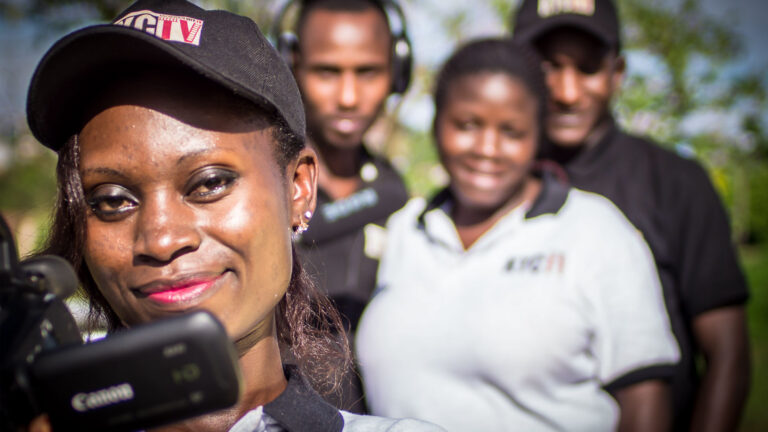
These films were made by youth in slums as part of SDI’s Know Your City TV project, equipping youth with video documentation resources to tell stories of the lived experiences of the urban poor, and make media that contributes to the transformation of slums and cities.
Click here to visit the project page and watch the 6 case study videos.
SDI at Habitat III: Highlights from Quito

45+ SDI delegates
14 affiliates from Africa, Asia, and Latin America
80+ speaking engagements

Some highlights from SDI’s eventful week at Habitat III in Quito, Ecuador:
Click here for the full report.
- Rose Molokoane, a national community leader from South Africa, SDI Coordinator and founding member of the SDI Network, was elected Chairperson of the World Urban Campaign.
- Adorned with SDI’s new branding, SDI’s booth at the HIII Exhibition center was a lively space for discussion, and 360° slum experience. It served as a central point for discussions between federation leaders, partners, and key urban decision stakeholders.
- SDI chaired a breakout session at the Women’s Assembly, producing a set of concrete commitments and requests from Member States towards effective implementation of the New Urban Agenda.
- The SDI Board of Governors (BOG) met during the week in Quito, chaired by Minister of Human Settlements for South Africa, Lindiwe Sisulu. The meeting highlighted some of SDI’s achievements over the past year and teased out strategies for enhancing BOG support to SDI efforts to implement the NUA and SDGs.
- In plenary meetings of the General Assembly of Partners (GAP), SDI urged members to support local stakeholder implementation and monitoring of the NUA – particularly urban poor communities in partnership with local authorities.
- SDI launched the second phase of its expanded Know Your City campaign in partnership with Cities Alliance and UCLG-Africa. This coincided with the launch of SDI’s new KYC website, showcasing slum dweller surveys, stories, and films. This was followed by a Know Your City networking event where a detailed panel discussion took place on the KYC Campaign, including moving testimonies from slum dwellers from Ghana, Liberia, and Zambia about their work to profile and map all the settlements in their cities.
- SDI, Cities Alliance, and GIZ screened the Ghana case study from CoLab for Change – a project of the Cities Alliance Joint Work Program for Habitat III. Two federation members and one government official featured in the film made presentations explaining the collaborative partnerships that have enabled their success and the process of training youth to document their stories as part of Know Your City TV.
- Since 2007, SDI and Y-Care International (YCI) have worked together to support the growth of urban poor federations in Liberia, Togo, and Sierra Leone. On Monday 17th October, SDI and YCI launched a new MOU to scale up and deepen the collaboration region-wide.
- Unlike many events that have gone before, grassroots leaders were given the opportunity to speak at plenary sessions in Quito. This achievement was made possible through SDI’s work over the past 20 years and its active participation in the GAP and WUC. Rose Molokoane used this platform to push forward the commitments of the grassroots constituency and call upon member states to uphold their commitments to partner with organized communities in implementation of the NUA and SDGs. She urged members that “the time for talking is over. It’s time toimplement!”
- The SDI team was presented with many requests to expand the network into Latin America. With a strong team from Bolivia and Brazil taking the lead, SDI will follow up on all the many requests from Latin American countries.
- Just prior to Habitat III, the Governor of Lagos, Akinwunmi Ambode ordered an immediate eviction notice to all Lagos waterfront communities. Each and every federation member in Quito took copies of the Federation’s withdrawal demands to their events and raised the issue whenever the opportunity arose. High level meetings were arranged with various government officials from inside and outside Nigeria to build pressure on the Governor to withdraw his eviction notice, but also to highlight viable examples of alternatives to eviction within the SDI network and the desire of the network to support Nigeria to undertake inclusive upgrading inline with NUA commitments. Sani Mohammed, a federation member from Lagos, worked tirelessly to secure meetings with relevant authorities and donor partners. He was able to get an audience with the UN High Commissioner for Human Rights and the ED of UN Habitat, ensuring the message reached the highest platforms.
- Institute of Development Studies (IDS) and SDI launched a new film, ‘No One Left Behind’ in which slum dwellers call into question the effectiveness of militaristic responses to urban violence.
“Community monitoring of the NUA at the local level will be essential for transparent assessment of progress and ownership of the NUA” – Rose Molokoane
SDI at Habitat III


SDI is participating in over 60 events over the next week at the Habitat III Conference in Quito, Ecuador, including participation in at least 9 high-level events and co-hosting of at least 11 side, networking, and other events.
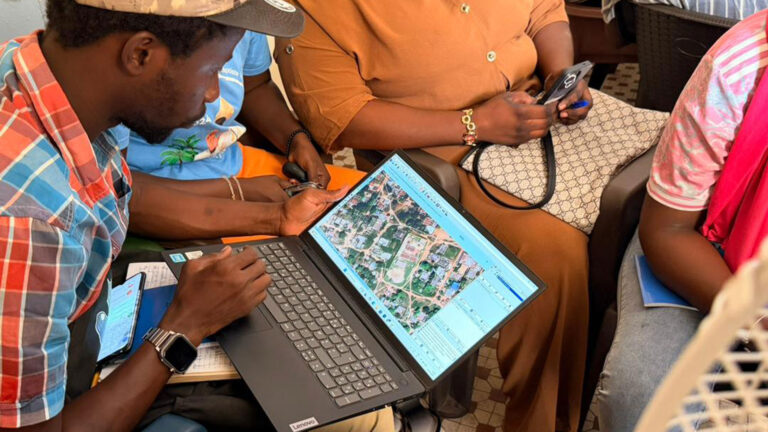
This packed schedule includes a joint networking event hosted by SDI, UCLG-Africa and Cities Alliance. This event, entitled “Know Your City: Creating a Joint Knowledge Base to Transform Cities and their Relationships with Informal Settlements,” will unpack the Know Your City (KYC) campaign – a joint initiative of the three partner organisations – that supports community-driven urban data collection and collaborative planning between local governments and organized communities of the urban poor. These collaborative planning processes produce implementable strategies for inclusive and resilient cities that are owned by a broad base of the city population.
This project demonstrates the critical role and potential value of partnerships for collaborative planning that are rooted in community-collected data at the city and global scale. The event will showcase examples of how already this project has facilitated governments and civil society to develop effective strategies to implement the commitments of the Sustainable Development Goals (SDGs), particularly SDG 11 to “make cities inclusive, safe, resilient and sustainable” and SDG 17 to “revitalize the global partnership for sustainable development.”
The event will highlight the ways data collected by the poor, about the poor and for the poor is being used as standard benchmarking data for city governments, urban policy makers, and planners across Africa. It will also reveal the power of profiling and enumeration to organize and energize communities and position them as partners, rather than beneficiaries of development. This event will draw on examples from SDI, the South African Government, Cities Alliance and UCLG-A’s joint work in Ghana, Liberia, South Africa, Uganda and Zambia, to highlight the effective use of community-collected data as the basis of collaborative planning between organized communities of the urban poor and local and national government authorities.
The key takeaway from this event is that community-driven profiling and enumeration of informal settlements has the following benefits:
- urban poor communities are organized and become active citizens,
- organized communities gather much needed data on informal settlements that feeds city planning,
- organized communities feel ownership of this information and use it to plan improvements in their settlements,
- organized communities become partners with city government for development,
- organized communities build skills and collective capacities,
- organized communities gather data at a much lower cost than consultants.
This event will explain how and why some cities and national governments have invested in this process. It will present case studies that explore how partnerships around data collection are leading to innovative upgrading solutions and will challenge other city governments to follow suit.
A breakdown of our other events is included below (click on the image to enlarge). For more information on these events and more, please email us at info@sdinet.org, and check our Facebook and Twitter feeds throughout the week to keep tabs on what’s going on as it happens.

Launch of new Know Your City website, powered by SDI


SDI will launch a new website next week. Current SDI sites will be replaced by a dynamic new platform. Rooted in the informal settlements of our cities, it will be based on slum data collected and applied by SDI federations on three continents. Slum dwellers own maps, surveys, stories, films and photos will give visitors to the site detailed insights into slum life and struggles for a better future.
Here’s a sneak preview:


Habitat III must institutionalize ‘participatory’ urban development

**This post originally appeared on Citiscope**
By Ariana K. MacPherson, SDI Secretariat
The New Urban Agenda will need to factor collaborative development into the design of its implementing strategies, while ensuring that adequate investment is made in organising communities for effective participation.
Last month, the Habitat III process turned its official focus to informal settlements and slums, just weeks ahead of the release of the first draft of the 20-year urbanization strategy that will come out of the Habitat deliberations — the New Urban Agenda.
While much progress has been made during the course of these discussions, significant gaps remain. These issues will now need to be addressed as member states begin negotiations on the New Urban Agenda, which is to be finalized at a summit in Quito in October. (See the first draft of the New Urban Agenda, released 6 May, here.)
The main event on this topic was the Habitat III Thematic Meeting on Informal Settlements, which took place in Pretoria, South Africa, in April. There, Shack/Slum Dwellers International (SDI) and other groups played a key role in drafting official input to the New Urban Agenda. Yet while the Pretoria Declaration succeeds in its inclusion of many of the core principles embodying the SDI’s work, it remains vague and overly lenient around some key concerns.
[See: Participatory approach key to informal settlements, Habitat III sessions urge]
For instance, the declaration uses popular terms such as “inclusive” and “participatory” but without specific mention of how these words will translate into action on the ground. The New Urban Agenda must create space for the voice, experience and strategies of the urban poor in urban policy, planning and development.
Strategy development for the implementation of this agenda should factor collaborative development into programme design. Investments also must be made in organizing communities for effective participation. Without doing so, such rhetoric will only continue a trend that has resulted in years’ worth of empty promises for slum dwellers worldwide.
[See: Addressing the informal city in the New Urban Agenda]
A key example — the Transforming the Settlement of the Urban Poor in Uganda (TSUPU) programme — was successful for exactly these reasons. By mobilizing federations of the urban poor through savings schemes, mapping and enumeration initiatives, and community-upgrading funds, this programme laid the groundwork for effective participatory development. Through the coming negotiations, the New Urban Agenda must now learn from such examples.
Where communities already exist
The Pretoria Declaration does well to make clear the need for a holistic approach to dealing with the issue of slums. The document recognizes that this issue is not about poverty or migration or land use in isolation, but rather about the dysfunctional way in which these issues combine with urban land markets and policies — a confluence that has systematically marginalized the poor the world over.
“The Pretoria Declaration uses popular terms such as ‘inclusive’ and ‘participatory’ but without specific mention of how these words will translate into action on the ground.”
Yet the declaration remains unacceptably lenient on one of the most violent, disruptive and unjust practices: forced evictions, which continue to threaten the lives of millions of urban poor worldwide. Eviction means the destruction of the assets of the poorest and most vulnerable, and the postponement of meaningful solutions to inclusive urban growth.
[See: The challenges of land and inclusion for the New Urban Agenda]
The declaration’s recommendations on this issue suggest merely that the New Urban Agenda “Considers encouraging states” to adhere to the United Nations recommendations on evictions and displacement. This is insufficient.
We must emphatically insist that the New Urban Agenda demand that no state carries out forced evictions of any kind. Let’s make sure that this document calls for a categorical end to this practice once and for all.
Instead, the state must prioritize local partnerships between government and organized communities of the urban poor in order to promote the co-production of in situ, incremental slum upgrading as an effective alternative to evictions and the default approach to dealing with inadequate, unsafe housing, infrastructure and basic services.
Slum upgrading includes any intervention that improves the physical conditions of an informal settlement and in turn enhances the lives of its inhabitants. For SDI, this ranges from the construction of sanitation blocks to drainage systems to settlement layout design toincremental housing improvements and more.
[See: Achieving inclusiveness: The challenge and potential of informal settlements]
But the most critical component is that this process should happen in situ — where communities already exist. The urban poor locate themselves where they do for the same reasons as the rest of us: access to work, social and familial networks, and services such as transport, health care and schools. As such, relocations should always be a last resort.
In situation where a relocation is unavoidable — such as in floodplains and along railway lines — the New Urban Agenda must push governments and private developers to partner with organized communities of the urban poor and their support organizations to carry out systematic, secure, resettlement and relocation programmes in which decisions are made in conjunction with affected communities.
Community-driven data
Finally, as we move into the implementation phase of the New Urban Agenda and the recently agreed Sustainable Development Goals (SDGs), it will become increasingly critical that these processes be informed by robust data. In this, it is important that the Pretoria Declaration makes clear the need for “credible and timely data” — an issue on which the New Urban Agenda will need to follow suit.
“The urban poor can be transformed from being treated as a liability in city development to creative and innovative partners in changing our cities.”
Yet the declaration does not mention the benefits of community-driven data collection. This runs counter toSDI’s experience, which clearly suggests that such processes are most successful when data is collected by slum dwellers about the communities in which they live.
[See: Are we ready to implement the SDGs?]
Data collection serves as a critical tool for the empowerment of these communities and as a powerful basis from which to enter into partnerships with their local governments about development priorities and upgrading needs. Urban development policy and practice must be informed by the uniquely rich information that urban poor federations gather through settlement and city-wide community-driven data collection, including profiling, enumeration and mapping.
In one of SDI’s newest affiliates, the Liberian federation has profiled one of the most tenure-insecure settlements in Monrovia — West Point, located on a peninsula that juts out between the Atlantic Ocean and the Mesurado River. Because of coastal erosion and pressures to “clean up” the city and claim prime land, the community lives under the constant threat of eviction.
In May 2015, a team made up of slum dwellers and professionals from across the SDI network led a slum profiling and mapping exercise in West Point. This effort found that the settlement is home to more than 65,000 inhabitants, mostly living in overcrowded conditions with little to no access to sanitation. Of the 12 public toilets in West Point, only six are open for use. The vast majority of residents use “hanging toilets” — rudimentary structures built over the sea.
[See: How Durban set the global standard for providing water and sanitation for the poor]
Toward the end of 2015, Liberian President Ellen Johnson Sirleaf appointed a task force charged with cleaning up the city, a body headed by controversial former Monrovia mayor Mary Broh. The Special City Beautification Task Force subsequently waged a fierce campaign of breaking down vendor stalls in road reserves, demolishing informal housing said to be illegally constructed, and arresting those believed to be connected to drug or prostitution rings.
West Point’s residents knew that the community’s hanging toilets were also on Broh’s list of structures to be demolished. While community members agreed that these do not constitute a long-term solution for West Point, they had obvious concerns about their removal.
So, community members called a meeting with city officials to present their profiling data. They were able to demonstrate that the situation would be much worse if the hanging toilets were suddenly removed and all 65,000 residents were forced to use the six working public toilets. Residents warned that a cholera outbreak would be likely and that the beach would again become littered with human waste. The community also highlighted their efforts to save and plan for the construction of new, safer toilets in the coming year.
These negotiation efforts were eventually rewarded. The task force agreed not to enter West Point and, instead, the community was allowed to take charge of a clean-up effort.
[See: Seven lessons from a successful slum upgrading project]
Overall, SDI’s activities on the global stage aim to fulfil our mandate of promoting a people-centred, citywide upgrading approach. Our advocacy work remains rooted in the experiences of grass-roots federations of the urban poor, and our international partnerships and activities are determined by the anticipated impact they will make on federations’ local processes.
As such, our main priority for the Habitat III process is that the New Urban Agenda reflects a few key priorities critical to contesting the status quo of the urban development arena. SDI’s experience demonstrates how the urban poor can be transformed from being treated as a liability in city development to creative and innovative partners in changing our cities.
SDI at Habitat 3 Regional Meeting for Africa


As the UN-wide Habitat 3 Conference draws closer, SDI is being invited to and involved in an increasing number of events to prepare for both the conference and the release in May of the Zero Draft of the much anticipated New Urban Agenda. Over the course of preparations for Habitat 3, SDI continues to pursue our global advocacy mandate of promoting a people-centred citywide upgrading approach in the global arena. Most importantly, our advocacy work is rooted in the experiences and struggles of our grassroots federations of the urban poor, and our partnerships and activities on the global stage are determined by the anticipated impact they will make on federations’ local processes. The aim is that participation in high-level advocacy events will afford federations with opportunities to showcase successes and share lessons learned in order to build citywide, regional, and international alliances that escalate impact.
Towards the end of February 2016, SDI delegates from the Nigerian and Ghanaian Federations, and support NGOs Justice & Empowerment Initiatives (JEI) Nigeria, Peoples Dialogue on Human Settlements in Ghana, and Kenya’s Akiba Mashinani Trust, participated in the Habitat 3 Regional Meeting for Africa held in Abuja in preparation for Habitat 3. The Regional Meeting convened stakeholders from across Africa to discuss the issues and priorities of African countries. The formal outcome of the Africa Regional Meeting was the Abuja Declaration — a unified statement adopted by all of the African governments present identifying “Africa’s Priorities for the New Urban Agenda.”
Because this regional meeting was held in Nigeria, it was hosted by the Nigerian Federal Ministry for Power, Housing, and Works (led by former Lagos State Governor, Babatunde Raji Fashola), and numerous Nigerian government officials were in attendance. This was a unique opportunity for JEI and the Nigerian Federation to engage with government officials from both Nigeria and other countries simultaneously, and have more informal discussions during side events where they met a Permanent Secretary within the Federal Ministry of Power, Housing, and Works, as well as the Rivers State Commissioner for Housing. Additionally, the delegation met with the Special Advisor to the Nasarawa State Government on the Sustainable Development Goals, who requested a pitch from JEI and the Federation for partnership in supporting work in informal settlements in Nasarawa.
These opportunities for informal meetings with government officials are invaluable to SDI’s federations. These are people who usually take months to see, if they get to see them at all. The experience of SDI federations from across Africa shows that when these connections are nurtured, they can lead to meaningful activities that actually make a concrete difference in the lives of the urban poor. We look forward to hearing more from the Nigerian federation about these developments!
In addition to these connections with Nigerian government, the SDI delegation worked together with SDI’s two key ‘grassroots’ partners, WIEGO and Huairou Commission to put forward collective messaging in order to have greater reach and hopefully greater impact. Jane Weru (SDI), Victoria Okoye (WIEGO), and Limota Goroso Giwa (Huairou Commission), were all nominated as members of the Advisory Committee tasked with reviewing and making direct inputs on the final Abuja Declaration. Additionally, Limota Goroso Giwa was selected to present a short speech within the main plenary session on the final day highlighting the ‘women’s caucus’ views on the New Urban Agenda. Together SDI, WIEGO, and Huairou drafted a joint statement that incorporated the perspectives of grassroots women, urban informal workers, and the urban poor. Some of the key demands include:
Excerpt of Joint Statement by SDI, WIEGO, and Huairou Commission at UN Habitat 3 Africa Regional Meeting
We want a women-focused New Urban Agenda that calls for the following:
- Formalise engagement and partnerships between local government, national government and grassroots groups to sustain collaborative planning, implementation, and monitoring of housing and urban development initiatives
- Recognise and support organised networks of grassroots women, slum dwellers and informal workers who contribute to urban economic growth and build movements towards influencing and enhancing their own development and the cities in which they live
- Support and utilise community led data collection documenting tenure and informal settlement upgrading priorities and encourage grassroots community learning in the areas of land and housing planning and administration, especially those where women take the lead.
- Develop pro-poor laws and other urban policies that mitigate risks of land grabbing and displacement to promote the economic and social security of women and their families and their contributions to the local economy.
- Guarantee security of tenure from one generation of women to another through strong inheritance protections and through measures that help women protect the vitality of land against climate change and other environmental threats
- Empower local government to be the primary provider of basic social and municipal services, such as sanitation, water supply, healthcare and primary education.
- Empower the urban poor and especially women to participate in equal partnership with local government in all urban planning and decision-making, including participation in the budgeting, implementation, and monitoring processes.
- Create pathways for incremental formalisation and integration of informal workers and settlements, rather than criminalising the urban poor.
- Develop partnerships with communities, the State, and private sector to provide accessible housing and livelihood finance for the urban poor.
Although not all of our suggestions were ultimately reflected in the Regional Meeting outcome document, termed the Abuja Declaration, many of our key priorities appeared in its recommendations. Below are portions of the first three recommendations contained within the Abuja Declaration, with the sections reflecting our contributions in italics.
While we believe that many of the above points wouldn’t have been reflected in the Abuja Declaration without our direct participation, the Abuja Declaration remains imperfect. Areas where the Abuja Declaration is lacking, and where more advocacy is needed during the remaining thematic and regional meetings as well as at the Habitat 3 conference in Quito in October 2016, are as follows:
Excerpt from Abuja Declaration (full Declaration available here)
- Harness the potential of urbanization to accelerate structural transformation for inclusive and sustainable growth
- Allocate adequate financial resources to promote sustainable urbanization and human settlements development to drive structural transformation for the benefit of all citizens. This should include promotion of land titling and registration, as well as resource generation through land base revenue and land value capture;
- Promote inclusive economic growth that translates to full employment and decent jobs as well as improved living standards for all
- Enhance people-centered urban and human settlements through
- Ensuring access to affordable basic services including clean water, sanitation, energy, health, education and sustainable transport and employment by all citizens in order to realize their full potential, especially youth, women and people in vulnerable groups;
- Strengthening institutions and spatial planning systems to foster urban safety and security, as well as healthy environment and promotes inclusion through participatory approaches and consultative frameworks;
- Ensuring access to sustainable, affordable and adequate housing and land, and promoting slum upgrading to ensure security of tenure and access to socio-economic facilities, taking into account the diversity of contexts, the potential of informal economies and the rights of the inhabitants;
- Strengthen institutions and systems for promoting transformative change in human settlements including through:
- Enhancing capacities for rural and urban planning, governance and management, underpinned by sound data collection and use;
- Promoting effective decentralized urban management by empowering cities and local governments, technically and financially, to deliver adequate shelter and sustainable human settlements
- Facilitating the participation of urban dwellers in urban governance and management
While we believe that many of the above points wouldn’t have been reflected in the Abuja Declaration without our direct participation, the Abuja Declaration isn’t perfect. Areas where the Abuja Declaration is lacking, and where more advocacy is needed during the remaining thematic and regional meetings as well as at the UN Habitat 3 conference in Quito in October 2016, are as follows:
- Nowhere in the document are the “urban poor” specifically identified as a key constituency in the New Urban Agenda. Although the general reference to “participatory approaches and consultative frameworks” in Recommendation 2 is important recognition of the need for inclusion in urban planning and governance, the Abuja Declaration doesn’t clearly spell out who must be included.
- The terms “slums” and “informal settlements” only appear once (and only in reference to creation of disaster resilient infrastructure in Recommendation 5). Instead, the Abuja Declaration focuses intensely on the concept of “human settlements” (which specifically appears on 21 occasions throughout the document) – which are notably neither specifically poor or even urban. Indeed on no less than 8 occasions in the Abuja Declaration there is reference to “urban and human settlements” which suggests that the New Urban Agenda is not necessarily urban-focused.
- There is only one mention of “rights” within the Abuja Declaration (in Recommendation 2), which merely suggests that they should be “taken into account,” rather than referring to the foundational human rights framework of ‘protect, respect, promote, and fulfill.’ This is a notable shift from the UN Habitat 2 outcomes, which were more firmly grounded in the human rights framework and language. This is particularly problematic where development-based displacement, and violent forced evictions of the urban poor continue unabated in many African countries. It is also notable that there is no mention of alternative land tenure models or land and property rights specifically in the Abuja Declaration – although this is not surprising, as there was very little mention of either throughout the plenary discussions by the governments and experts in attendance.
- There are only two mentions of “local governments” and one mention of “decentralised urban management” within the Recommendations of the Abuja Declaration, suggesting that the local governments are merely one of a list of actors that need to be “empowered” (see Recommendation 3) and “strengthened” (see Recommendation 5). Moreover, there is no mention of the need to links and active partnerships between local governments and organised communities of the urban poor.
- The only mention of the 2030 Agenda for Sustainable Development is with regard to strengthening UN Habitat (see Recommendation 7), and there is no mention of the need for the organised urban poor to be key partners in implementing and monitoring the Sustainable Development Goals.
Climate Change Renaissance: The bottom-up city approach


**This article was cross posted from the Muungano wa Wanavijiji blog**
Similarly to local governments, federations of the urban poor globally are equally concerned about the strong impacts of climate change they continue to experience. Urban poor communities living in global cities believe that COP21 in Paris is an opportunity to state loud and clear that local communities are major players in finding lasting solutions in the struggle against climate change.
Anastasia Wairimu Maina is one of the founders of Muungano wa Wanavijiji, Kenyan Alliance and its National Chairlady since it was formed in 1996. Wairimu was one of the delegates representing Slum Dwellers International (SDI) at the COP21 summit in Paris. She views the Climate Summit as “an opportunity to voice up that we, the slum dwellers within the SDI network and beyond are major players in the struggle against climate change.”
“Cities can make a difference, our collective actions as a network of the urban poor globally ought to be recognized on the international platform of which our achievements may be built onto the climate agenda. This would encourage a more ambitious and inclusive international climate agreement in Paris.”

Anastasia highlighted how urban poor communities at the local and city levels are directly affected by climate change. “The floods, air pollution by medium and large industries and factories- which directly affects air quality in informal residential areas and settlement-fires. This intimates two things: Climate change is real and is here with us and local governments and authorities cannot address this on their own.”
Awareness Creation
In its urban agenda, Kenya’s federation of the urban poor, Muungano wa Wanavijiji, has begun to address challenges posed by climate change through awareness creation among the masses. The awareness is built on the Climatic Change Awareness Creation and Adaptation for Improved Livelihoods among urban poor Communities. Another aspect of this awareness is pegged on the improvement of food security for small holder city farmers and food vendors in Kenya’s capital, Nairobi, through creating awareness about causes and effects of climate change while motivating them to mitigate and adapt to the changing climatic conditions.
Although climate change and its effects have taken root in most parts of Kenya, there is general lack of knowledge by the policy makers, private sector and urban communities about its causes, effects, mitigation and adaptation measures.
“The consequences of climate change are felt locally, often by slum dwellers living in degraded environments, and have to be dealt with at local and city levels. It is therefore crucial that the voices of the urban poor are taken into consideration by and wholly represented to the local authorities be heard at the Climate Summit. Then we can locally and influence change globally,” asserts Anastasia .
Inclusive participatory Planning of Public spaces

Urban planning and development remains to be an important aspect of rapid urbanization. This therefore makes it important for city authorities to innovate and plan for public spaces in a manner that would incorporate city demands, thus enabling city residents to feel part of the city. Public spaces are typically having the mandate of the people to develop, manage and maintain such spaces on behalf of the people.
Slum-dwellers play a significant civic role in the utilization and maintenance of public spaces. It is therefore equally important for city authorities to involve urban dwellers to model an inclusive, connected, safe, and accessible city. Public participatory processes give the urban poor the opportunity to help plan and design their city and its public spaces.
Anastasia emphasized the importance of (local) government and business partnering with organised slum dwellers, because “we are many, we have something to offer, and you cannot do without us to do something about climate issues.”
Cohesion and coordination between members of the public, community, and civic, charitable and private entities do commonly have different approaches and capacities to safeguard, utilise and improve public spaces. However, it is important to note that such spaces ought to bring all actors on board to enhance better planning, design and maintenance of public spaces.
The sustainability of our cities is enhanced by compact, mixed-use development, and dense centres served by a safe, well-connected network for pedestrians, bicycles and motorised vehicles. Renewable energy and waste recycling systems, native trees and vegetation, clean air, water, soil and sanitary systems all serve to sustain and benefit public spaces.
Governments often lead the way in taking ambitious action to mitigate and adapt to climate change. As the level of government closest to the people and the one responsible for actually implementing climate action on the ground, it is essential that they not only be heard, but also help shape the climate change discussions.
The SDI network is calling on national, European and international policy makers to recognise the role and efforts of local urban poor communities in climate mitigation and adaptation in the Paris agreement and to adapt both financial and legal framework conditions in partnership with local actors.
Communities Drive Progress in Slum Sanitation


By Diana Mitlin and Noah Schermbrucker
The Sustainable Development Goals (SDGs) make a clear commitment to universal sanitation. This is to be welcomed. But for the SDGs to be realized, they must be grounded in practical actions that can be replicated affordably, rapidly, and at scale.
The challenge is evident in the failure to achieve the sanitation targets outlined in the SDGs’ predecessor, the Millennium Development Goals. The WHO/UNICEF Joint Monitoring Programme report for 2015 tells us that the percentage of the African urban population with access to improved sanitation increased by just one percent between 1990 and 2015, from 39 to 40 percent.
In absolute terms this means that almost 100 million urban citizens did gain access to improved sanitation during this period – but it also means that 225 million urban sub-Saharan African are still in need.
For those living in the highest-density settlements, standards for universal sanitation are problematic. Present definitions of “improved” sanitation take no account of population densities and risks like water table contamination and the flooding of fecal sludge over pathways, yards, and playgrounds – obvious health risks that incur massive costs both locally and nationally.
In the face of such staggering needs, and existing development plans and programs which struggle to address them affordably and at scale, slum-dweller federations in the Shack / Slum Dwellers International (SDI) network have been working with local governments to explore workable alternatives.
SDI’s slum dweller President Jockin Arputham has spent so much of his life committed to this issue that, as he says, “I’m known world over as ‘Toilet Man’. In South Africa, where it’s a stigma to say ‘toilet’, I made them talk about it. In the United Nations, I built a demonstration toilet in the UN plaza.”
Progress has been made. In Mumbai, a partnership between government and SDI’s Indian Alliance has residents managing toilet blocks in their communities. One thousand toilet blocks have been built by the Alliance, providing 20,000 seats and one million users – roughly half of those in need within the Mumbai Metropolitan Region.
In Blantyre, Malawi, both SDI members and the wider community have provided over 700 eco-sanitation units benefitting 2,300 households. Some 14,000 people (both landlords and tenants) share these facilities. Hundreds more households in Zambia and Zimbabwe have replicated this design, while in Namibia communities have saved, paid for, and installed their own sewerage pipes linking to trunk services.
In Dar es Salaam, the Tanzanian SDI Alliance has been drawing on the experiences of the Orangi Pilot Project in Karachi, Pakistan, to fine-tune designs for a simplified sanitation system that is already providing facilities for approximately 100 households.
What have we learned? When community members refuse to accept the status quo and innovate new ways of organizing, sanitation provision can improve.
The Indian Alliance was told that community toilets were unworkable – they proved these critics wrong. When governments, especially local governments, are prepared to work with organized local communities, then new solutions can be found. Community exchanges can test and spread these solutions.
But financing is needed to scale up. Community members are willing and able to pay for sanitation, but they can only contribute so much – for low-income families, anything more than US$4 a month per household is unaffordable. In SDI’s experience, capital is needed for these infrastructure costs. The best option is subsidized financing, but where this is not available SDI groups have made sanitation investments using low-interest loans.
Sanitation also cannot be dealt with in isolation. For sanitation investments to be scaled effectively and efficiently, water provision, drainage, and improved land tenure security are all important.
Different solutions are needed in the diverse contexts apparent throughout the Global South. SDI groups organize themselves at the local level, gather information on the needs of slum dwellers, negotiate with local government, and design solutions that work in their context – always prioritizing the poorest members in a community.
The local communities that make up the SDI alliances in 34 nations across the Global South do not understand why professional development assistance agencies do not support their work.
In so many places, communities see development agencies implementing small sanitation projects that are never going to address the massive needs. They see projects captured by landlords because the local context was misunderstood; they see corrupt contractors inflating their invoices; and they see poor management of facilities that soon fall into disrepair.
What are the steps forward? A first step is implementing suitable monitoring systems to collect accurate baseline information in communities. SDI has information on the sanitation situation in over 6,000 informal settlements. In SDI’s experience, such information helps communities establish their priorities and helps them to build relationships with their local governments.
Importantly, community-gathered data consistently emphasizes the priority slum communities place on improving access to sanitation, in settlements from Mumbai to Accra.
In partnership with like-minded organizations and governments, SDI is working to help achieve the SDGs by generating scalable, affordable, and environmentally sustainable sanitation solutions for the world’s rapidly growing slum dweller population. We believe that community involvement in the design, implementation, management, and monitoring of this agenda is essential, and non-negotiable.