Accelerating Locally-Led Responses to Climate Change in Informal Settlements
Reflections on the First Year of Implementation
Informal settlements face a combination of environmental, social and economic challenges, including poor infrastructure, limited access to land tenure security and basic services, overcrowding, and exposure to climate-related hazards such as flooding, extreme heat and landslides.
In response, SDI launched the Accelerating Locally-Led Responses to Climate Change in Informal Settlements and Slums (ALLRCISS) programme in 2025, supported by the Swedish International Development Cooperation Agency (Sida) with a three-year commitment.

A Different Approach to Climate Action
The ALLRCISS programme supports community organisations and SDI federations to design and implement climate initiatives which reflect their priorities through locally-led climate action at community, city and national levels. The project is being implemented across six countries: Brazil, Kenya, the Philippines, Sierra Leone, Zambia and Zimbabwe. The programme is grounded in the principles of Locally Led Adaptation (LLA), which ensure that climate action is designed and driven by the communities most affected. These principles emphasise devolving decision-making power to the local level, addressing the structural inequalities that drive climate vulnerability, providing patient and flexible funding, and building on local knowledge and capacity rather than imposing external solutions.
While each country operates within a unique context and different timeframes, all participating countries have consolidated their local federation systems and produced evidence to inform climate action innovations, establishing the basis for impactful, community-led resilience initiatives.


Reflections on the First Year of Implementation
Building the Evidence Base
Community engagement has been central to these achievements, with federation members, savings groups, youth teams and local leaders actively contributing through dialogue, training, data collection and participatory decision-making processes.
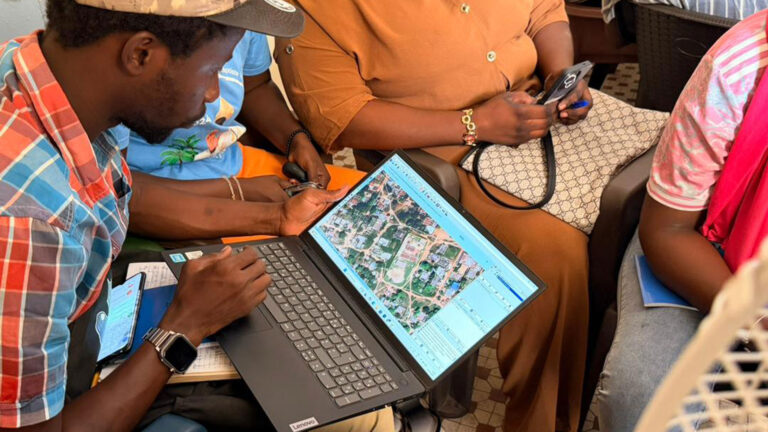
Across all six countries, over 1,400 households have been profiled and mapped, generating critical evidence to inform nature-based solutions, climate-smart agriculture, settlement upgrading and disaster risk management. Youth and women have been at the forefront of this work, leading data collection efforts, participating in advocacy, and taking on leadership roles in project activities.
Progress in Action

Brazil: Rede Interação & Brazilian Federation
Resilient Communities through Climate Action and Local Voices
Brazil engaged more than 60 participants, including federation members and youth leaders, piloting urban garden projects and training which bring climate adaptation directly into community spaces.

Kenya: Shack Dwellers International (SDI Kenya) & Muungano wa Wanavijji
Participatory Resilience Action for Climate Transformation
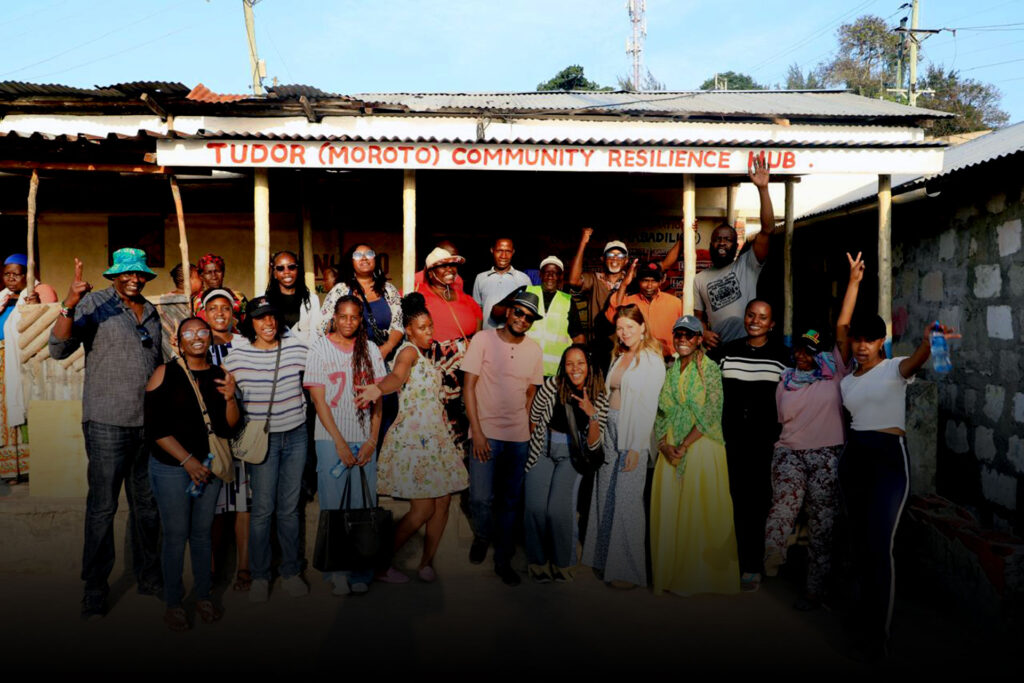
Kenya mobilised 229 participants in community dialogues, with particularly strong youth involvement. About 143 young people contributed to household enumeration and mapping exercises with 1,023 households profiled, providing an evidence base for housing upgrades and climate action planning.

Philippines: Homeless Peoples’ Federation Philippines, Inc. (HPFPI) & Philippine Action for Community-led Shelter Initiatives, Inc. (PACSII)
Strengthening Community-led Climate Adaptation
The Philippines hosted successful Disaster Risk Management Training of Trainers sessions in Quezon City and Muntinlupa City. Through Kamustahan youth sessions, young leaders are driving conversations about climate action, livelihoods and inclusivity across Metro Manila.

Sierra Leone: Centre of Dialogue on Human Settlement and Poverty Alleviation (CODOHSAPA) & Sierra Leone Federation of the Urban and Rural Poor (FEDURP)
Enhancing Resilience through Locally-led Climate Adaptation Strategies
Sierra Leone demonstrated strong women’s participation, with 165 women and 25 men (190 total) engaged in federation activities. Four new savings groups were formed, and three settlements completed community-based risk assessments using participatory methods such as focus group discussions and community mapping.

Zambia: People’s Process on Housing and Poverty in Zambia (PPHPZ) & Zambian Homeless and Poor People’s Federation
Advancing Climate Smart Food Systems and Circular Economies
Zambia reached 430 individuals through capacity-building workshops, profiling activities and resilience meetings. The federation trained 60 members in profiling methods, while 350 residents participated directly in settlement risk assessments, demonstrating significant community buy-in.

Zimbabwe: Dialogue On Shelter (DOS) & Zimbabwe Homeless Peoples Federation
Community Resilience through Locally-led Climate Initiatives
Meanwhile in Zimbabwe, 175 participants engaged in the programme, with youth playing a central role in data collection and community dialogues. Eight new savings groups were mobilised across Harare, Kariba, Chinhoyi and Gweru. A learning exchange brought federation members from seven cities to Bulawayo for a learning exchange about climate adaptation work, particularly hydroponic farming.
Amplifying Slum Dweller Voices Globally
This evidence from the ground strengthens slum dweller voices in global climate and development policy forums. Throughout 2025, SDI federation members placed the priorities of slum communities on the global agenda by participating at major international forums including the Community-Based Adaptation to Climate Change conference (CBA19), the Commission on the Status of Women (CSW), the High-Level Solutions Dialogue on Accelerating Early Warning and Extreme Heat Solutions, the Intergovernmental Panel on Climate Change (IPCC) Special Report on Climate Change and Cities stakeholder forums and COP30.


SDI Climate Champions
In 2025, the SDI Climate Champions platform was established to guide the network’s climate-change and locally-led adaptation advocacy and policy positions. Participation includes federation leaders and support NGO representatives from the five regional hubs (Asia, East Africa, Southern Africa, West Africa-Anglophone and West Africa-Francophone). The Champions collectively steer SDI’s climate-change advocacy, communications strategy and climate-related learning exchanges.
The unifying message, Slum Upgrading is Climate Action, brings together SDI’s core strategic priorities: community-led finance, community-generated data, locally led adaptation, tenure security, Know Your City and climate resilience. This framework consolidates work undertaken across multiple projects into a single, coherent campaign that will continue to strengthen and deepen in 2026.


Looking Ahead
As ALLRCISS enters its second year, the foundations laid in 2025 will support more intensive climate adaptation activities. The programme continues to demonstrate that when communities lead, climate action becomes more relevant, more sustainable and more effective.
Learn more about SDI Network at sdinet.org and follow our journey on LinkedIn, Facebook and Instagram.
Enter the Resilience Through Our Eyes photo call

Let’s use a different lens to tell the story of Africa’s urban resilience!
If you are a young, aspiring photographer living in Nairobi, Mwanza, Accra, Windhoek or Lusaka, here is your chance to take your passion for storytelling to the next level!
Enter the Resilience Through Our Eyes photo call to document urban resilience with mentorship and support. This training programme is being offered by the Resilience Initiative Africa (RIA), which aims to strengthen urban resilience by helping African communities understand risks and prevent disasters.
In support of this mission, RIA is offering intensive training to 12 budding photographers, preferably from informal settlements. Applicants need to be available to attend a three-day in-person training session in November and participate in a three-month mentorship and fieldwork programme between December 2025 and February 2026.
This intensive skills development programme will culminate in the Resilience Through Our Eyes photographic exhibition in March 2026.

You can apply if you:
- Are 18 to 35 years of age
- Live in Nairobi, Mwanza, Accra, Windhoek or Lusaka
- Live in an informal settlement and are part of a federation
- Are passionate about using photography and visual storytelling to document resilience in vulnerable communities
- Are available to attend the theory and practical components of the training
- Possess at least basic photography skills (advantageous)
How to apply:
- Submit three of your best photos
- Write a paragraph explaining why you’re a good fit for the Resilience Through Our Eyes photographic training programme
To apply, please click here to enter.
Deadline: 24 October 2025
TAKA for Education

Kambi Moto Youth and Kids (KYAK) was established in 2018 and registered in 2019. We are a youth and children-led platform supporting 65 participants (14 members and 51 kids) based in a village within Kambimoto, Huruma informal settlement in Nairobi, Kenya.
Our mission is to empower youth and children in our community by addressing poverty, unemployment, and fostering self-reliance through arts, sports, entrepreneurship, and knowledge management.

Waste management in our community faces significant challenges due to population growth and inadequate infrastructure. Every day, we see the impact of plastic waste clogging our drainage systems and causing flooding in our community. Despite the significant solutions to this problem, we noticed that children are left out in the proper plastic waste management practices. The challenge is to create an incentive-driven system that encourages children to actively participate in collecting and recycling household waste.
To address the problem, we launched an incentive called Taka for Education in October 2024. The project aims to address key waste management challenges, to minimise waste found along the roadside and in drains, while helping kids get stationery for school use. We are making good progress. So far, we managed to collect 116kgs of recyclable waste from 30 kids within a span of two months. Taka for Education works as follows:

Step 1: Kids collect plastic and paper waste from their households/schools
Volunteers identify plastic and paper waster in their respective homes/schools. They then store the waste, sometimes setting it aside in designated recycling dustbin, until it reaches a considerable amount in terms of kilograms. Once this has been achieved, the students bring the plastic waste to the community hall container for weight measurement, data entry and storage.
Step 2: Waste is weighed, converted to points and then recorded in our database
The data entry involves registering the student names and recording the amount of plastic weight. The number of kilograms then earn them points.
Step 3: Waste is stored and then transported and sold to local aggregator
The plastic collection stored is then sold to recycling companies.
Step 4: From our records, the students can then redeem their points to stationery
Money earned is then divided in accordance to the student’s points earned and used to buy stationary such as exercise books, pens, calculators etc.

We plan to expand to other communities, and our target is at least 1 000 student volunteers enrolled in the project with a maximum 0.5 tons of waste per week. We are also projecting to have a revenue of Ksh. 25,000 per week from the sales of the plastic and paper waste. We also want to create at least 10 jobs for the youth in our community. Our marketing strategy is through social media where we will be posting our activities and our products, conferences, our partners, and community leaders. We encourage all SDI Network members to follow the Kambi Moto Youth and Kids Collective Facebook page for updates.
Call for Consultancy: Conduct End Term Evaluation for VCA

Voices for Just Climate Action (VCA) is seeking applications from consultancy firms or a team of consultants to conduct an End Term Evaluation for the entire VCA implementation period between January 2021 and December 2025.
The primary objectives of the evaluation will be to generate actionable insights and build knowledge on effective strategies for fostering locally led climate solutions. The evaluation will employ a theory-based approach to assess the extent to which the programme’s activities have contributed to achieving its intended outcomes and impact.
About Voices for Just Climate Action
The VCA alliance brings together global and local voices by connecting a diverse range of civil society organizations representing women, youth, indigenous people, urban poor, digital activists and more. The programme is implemented by an alliance led by four strong Southern CSOs – Akina Mama wa Afrika (AMwA), Fundación Avina, Slum Dwellers International (SDI) and SouthSouthNorth (SSN). The alliance also includes two Global CSOs namely Hivos and WWF-Netherlands, under the Dutch Ministry of Foreign Affairs’ five-year strategic partnership, “Power of Voices”.
VCA End Term Evaluation Consultancy
To apply, please submit your proposal by 1 December 2024 to Stanley Walet (swalet@wwf.nl) and Bitamisi Nyakato (nyakato@akinamamawaafrika.org) using the subject line, “Expression of Interest – VCA End-Term Evaluation”.
Inclusive of the proposed methodology and budget, the expression of interest should be no longer than ten pages in total.
Download the full Terms of Reference here
Image credit: Gonzalo Fuentes/Reuters
Voicing the urban poor: New report highlights experiences from an energy justice programme

A new report published in the Field Actions Science Reports aims at voicing the urban poor and their experiences from the Energy Justice Programme.
Authors David Sheridan the Slum Dwellers International (SDI) Energy Justice Programme (EJP) coordinator, Mwaura Njogu a Renewable Energy Engineering Consultant, Andrew Maki the Co-director of Justice and Empowerment Initiatives (JEI) and Frederick Agyemang the Project coordinator EJP Ghana all work within the SDI Network.
SDI is committed to project typologies that produce learning at scale around clean energy access as part of our informal settlement upgrading agenda and empower the urban poor. Since 2014, we have been actively involved in the field of access to energy in Africa, India and the Philippines with our SDI Energy Justice Programme leverages community-led collection of disaggregated energy access data, community empowerment programmes and pro-poor access models. With the growing need for access in slums, our model offers bottom-up, innovative and adaptable methodological options for catalysing pro-poor change at settle, city and global levels.
Read the full report here.
The EJP is a demonstrative case study of SDI’s actions to improve access to essential services in slums and thereby empower the urban poor. The programme uses all of SDI’s tools, including the Know Your City (KYC) data collection programme, to generate grassroots and tailor-made solutions to energy access in slums.
Energy for the urban poor
Energy is a key condition for developing essential services in these neighbourhoods. SDI’s EJP has active projects in 12 countries, namely Ghana, Nigeria, Uganda, Kenya, Tanzania, Zambia, Malawi, Zimbabwe, South Africa, Namibia, India and the Philippines which has enabled affiliate federations to provide improved energy access. Approximately 25 000 distinct households with nearly 100 000 beneficiaries in total benefitting from the improvements.
According to the report, lack of access to sustainable energy is a significant barrier to slum development. The EJP sets out to leverage SDI’s core rituals of community-led settlement profiling, women-led savings groups and peer-to-peer exchanges to develop innovative solutions to critical service delivery gaps and scalable energy access projects to integrate into wider settlement upgrading programmes.
Data products produced as outputs from the EJP, such as this report, are vital tools for influencing and negotiating with key stakeholders.
The longstanding work of SDI’s Kenyan affiliate with the Nairobi City County Government (NCCG) resulted in the Mukuru informal settlements being designated as a Special Planning Area in 2017. This breakthrough subsequently demonstrated the application of community mobilisation methodologies and participatory approaches to slum re-development planning and implementation. In collaboration with NCCG, Kenya’s SDI affiliate coordinated the work of developing a comprehensive spatial plan for the redevelopment of Mukuru.
This model is a great example of utilising SDI’s work as evidence and negotiating with influential decision-makers.
The report highlights, that SDI’s Energy Justice Programmes ratchet effect which reveals that the evidence can be used to influence decision-makers, and cooperate with them (public, private, local and international), which can result in the adoption of contextual legal frameworks, just like Mukuru SPA and may assist in guaranteeing the institutionalised co-creation process in the long-term.
Learnings
The report emphasises some key learnings in terms of project design and impacts, which were identified between the inception of the EJP and now. According to the reports, there is no “one size fits all” approach to a project. The authors do not propose a unique solution to each context, but rather a strong methodology to legitimise each energy solution emerging from and required in a specific context.
Savings groups can fund solar energy systems. Within the SDI network, savings groups have been particularly adapted to the improvement of energy access in African slums. These groups can be a practical financing solution, especially for the EJP, with the model itself being easily replicable and adaptable.
Training community members on the technical aspects of solar systems is integral to the implementation plan.
Solar energy systems have great spillover effects. The transition to low-carbon energy systems is increasingly considered an important point in delivering energy for urban-poor communities. This recognises that communities must play an instrumental role in the implementation and management of these energy transitions. Thus far transitions have been slow, but by including communities to drive and co-create the opportunities for energy transitions, the adoption of innovative technologies may be accelerated, and more inclusive in terms of policy development and it enables capacity and skills building to support new and current economic activities.
Download the full report.
From Recovery to Resilience: Community-led Responses to Covid-19 in Informal Settlements

In 2020, as Covid-19 spread rapidly across the cities where SDI is active, federations recognised the need for both urgent responses to the acute humanitarian crises facing their communities and longer-term strategies to engage with government and other stakeholders to address the prolonged effects of this global crisis. Through a partnership supported by the Swedish International Development Cooperation Agency (Sida), Cities Alliance , and Slum Dwellers International (SDI) we were able to channel much needed resources to organised communities of the urban poor in 17 countries across Africa, Asia, and Latin America to facilitate these processes.
Over the past 20 months, the Covid-19 pandemic and pandemic responses such as government lockdowns have highlighted and exacerbated many of the chronic stresses urban poor communities live with and struggle against daily. As such, the strategies supported by this SDI / Cities Alliance partnership are about more than Covid-19 response and recovery: they are about sustainable, inclusive, and pro-poor urban development that provides communities with meaningful opportunities to work with government and other stakeholders to address issues such as food security, access to livelihood opportunities, skills training, and basic services like water and sanitation, as well as the need for accurate slum data to drive government responses in times of crisis.
SDI’s urban poor federations have shown that they have the social networks and systems in place to respond efficiently and effectively to disasters and chronic stressors. They have demonstrated their critical role to governments and development partners as reliable actors at the forefront of provision of information on and services to the most vulnerable. Indeed, with lockdowns and government restrictions, many external organisations were unable to access the vulnerable communities where SDI federations live and work, highlighting the immense value of working directly with these communities.
The following examples highlight how federations have the information, knowledge, and skills to work with government and other stakeholders to implement effective, scalable solutions to chronic and acute urban challenges.
Improved public health and safety
Many residents in slums live in overcrowded homes without access to on-site water or sanitation and face the constant threat of forced eviction. This means that preventative Covid-19 measures such as hand-washing, disinfecting, physical distancing, and quarantine are often impossible for the urban poor.
Outcome Story: Bridging Knowledge and PPE Gaps in Tanzania
There was a gap in knowledge on Covid-19 awareness, especially in informal settlements. Through this project, federation teams have been able to provide support to ensure that communities and schools awareness and knowledge on the pandemic is enhanced and precautions are being taken against the pandemic. This went hand in hand with the provision of hand washing facilities and PPE in places which had no facilities such as in market places and schools.
This has contributed to behavior change in terms of improving hygiene as a way to stop the spread of Covid-19. Communities now have the knowledge and facilities to wash hands. Correct information sharing around Covid-19 has helped groups such as boda boda drivers (motorcycle taxis), food vendors, and school children which had limited access to information about the pandemic. Interactions with such groups provided an opportunity for them to ask questions and seek clarifications, which enhanced their understanding on prevention and treatment methods. Another significant outcome is the recognition of the Tanzanian SDI Alliance as a partner in addressing pandemics by the government. This has improved the relationship and established new ones with other units/departments within the municipalities such as the public health unit and the regional office. These relationships will help to provide more engagement and opportunities for the federation, and the alliance in general as well to discuss and negotiate further interventions related to the health and public safety of people living in informal settlements. The pandemic has taught us lessons on hygiene promotion, in particular hand washing behaviors, which is a serious issue the community needs to practice beyond the pandemic.
The federation led the process of planning and implementation of these activities and interventions. This included gathering information from different groups on the pandemic, identifying needs, and supporting awareness as facilitators in schools, markets, households, and settlements.

In Ghana, the federation was able to identify and map Covid-19 hotspots. Community members were trained to manufacture and install hand washing stations for community use within these hotspots. Additionally, the grant enabled the installation of in-yard water connections to poor and vulnerable households in slums/informal settlements to increase access to water supply. In Zambia, the federation was able to support provisional WASH interventions and set precedents for water provision to slum communities through community-led processes. Through the provision of water storage and hand-washing facilities in slums, communities are now able to regularly wash their hands in public places and this also enabled market committees to enforce preventive regulations since the infrastructure to wash hands is now available. At the household level the Zambia Alliance identified 75 women with health vulnerabilities who are at greater risk when collecting water from congested public taps. Additionally, through engagement meetings with water trusts and utility companies the federation was able to lobby for pro-poor water subsidies.
Enhanced livelihoods
Despite the negative effect and impact to individuals, communities, and countries the Covid-19 response actions have also brought opportunities with them. Some which came as a result of this programme are income generating projects, for example liquid soap-making and sewing of reusable face masks respectively have equipped community members with skills which some families are now using to earn a living. Federation members in Malawi, Zambia, and Zimbabwe were trained in sewing reusable face masks and the production of liquid soap and sanitizers. In Malawi, federation women and youth trained in design and tailoring produced and distributed 17,300 reusable face masks to vulnerable members of the community and primary school going children.
Outcome Story: Building Resilient Livelihoods in Zambia
The Zambia SDI Alliance facilitated trainings to capacitate slum dwellers with skills necessary to build resilient livelihoods. The trainings were conducted in two typologies namely sack gardening/organic farming and metal fabrication. Sack gardening involves the use of biodegradable waste in urban agriculture to provide nutritional support and sustainable livelihoods. At household level, sack gardens significantly reduced food shortages and helped in reducing garbage that has been indiscriminately disposed of in informal settlements, thereby creating healthy and safe environments. Sack gardens have a lower production cost as their main input is organic waste, which is readily available in informal settlements. The sack gardening enterprise consumes about 20 tons of organic waste in a month and with the plans to scale up production, the enterprises will be a significant consumer of garbage being produced in informal settlements. Besides the environmental benefits of the enterprises, slum dwellers secured resilient livelihoods that are set to provide employment to more slum dwellers when the intervention is scaled up.
Metal fabrication training also brought some positive changes to youths, as it created an opportunity for them to produce products that are on demand as well as helping their communities to meet their community demands. Currently the enterprise has been instrumental in harnessing fabrication techniques for Covid-19 prevention. The enterprise created a touch-less hand washing facility that has special features to avoid contact with the facility. The facilities have since been distributed into public spaces as well as for other interested organizations. The enterprise has created a viable livelihood for the unemployed youths and this intervention will continue into all settlements to create local technology that can easily be managed and maintained locally.

Pro-poor data driven development
SDI affiliates adapted Know Your City profiling and mapping tools to gather household and settlement level data on the impacts of Covid-19 on the urban poor. In Zimbabwe, youth were trained on data collection tools used to collect information on the level of awareness and community preparedness to Covid-19 as well as the pandemic’s impact on community members in terms of livelihoods, housing, and WASH. In the Philippines, the federation undertook a vulnerability mapping of 22 communities in which localized Covid-19 hotspot maps were produced and included the identification of households with vulnerable groups such as seniors, children, persons with disabilities, and pregnant women. In Botswana, the federation interviewed 33 savings groups to gather information on how Covid-19 has impacted the livelihoods and savings of urban poor communities. Findings revealed that many members stopped saving due to loss of employment and income. Most of the small businesses collapsed during the first lockdown and many of the street vendors that would travel across the border to buy their goods were no longer able to work with borders being closed. Students also faced hardships due to disruptions in education. Findings also showed that schools not only provide education but also provide students with social development skills. The pandemic has contributed to an increase in psychological and economic pressure leaving many without jobs or the ability to put food on the table, which has also highlighted the spike in gender-based violence.
Outcome Story: Using Community Data to Improve Basic Service Access in India
As part of this project, slum profiling and collecting data on community toilets was undertaken from 10 settlements across 10 cities. While conducting these profiles, Mahila Milan leaders realized the different issues communities are facing in the area of water, sanitation, drainage, jobs, etc. They found out which settlements have or lack access to toilets, what water facilities are available to residents, what mechanisms are in place to collect garbage, and how people are dealing with job issues. In Pimpri, Mahila Milan leader Rehana highlighted how in one of the settlements the community toilet that was constructed in 2018 was neither connected to the main sewer line nor was maintained properly which meant people were facing difficulties using the toilet. The women in the settlement approached the local councilor, spoke to him about the problem, and sought his support to fix it. In her own settlement, the drainage water enters people’s homes especially during the rains giving rise to many water borne diseases and skin infections. The dirty water from the community toilet as well as drainage water from individual houses is let out into one drainage line that causes this problem. They have been approaching the local councilor for the last five months but there was no relief. They again visited the local councilor and said that if you don’t take it up then we will have to approach the ward. We work for an NGO and are aware of all the processes and procedures that need to be done to sort out issues. They then got in touch with the health department in the ward office, did site visits, and within eight days they had laid down new drainage pipes. Six such pipes need to be laid down in the settlement in different places which will be completed soon.
Similarly, the Mahila Milan leaders from Surat were facing drainage issues where water would overflow onto the roads and into the homes. Coordinating and negotiating with the local councilor and ward, they were able to resolve the problem.
In both cities these problems arose during lockdown and community members could not travel to the ward office. However, the Mahila Milan women were adamant to resolve their problems and so they started communicating with the officials via phone on a daily basis until the problem was resolved. At times the officials try to avoid these women, don’t take their calls, and say they forgot what it was about, but the women say even if we have to call them 100 times, we do that and should keep doing it. This is a way of showing how serious the organization and communities are about resolving their own issues, how accountable the leaders feel for their own settlement and people, and how this can be a means of strengthening their relationship with the city and authorities. The end result has been that these women are now called by the city to help them with certain programs or implementing schemes that benefit the city as well as communities. They also get an opportunity to start thinking of upgrading their settlements in different ways.
The Sierra Leone SDI Alliance, in consultation with Freetown City Council (FCC), developed an app (FISCOVIDATA) and live dashboard in which communities can identify hotspots and link to government service providers in real time. The mobile app and dashboard provides two-way communication – it relays information to appropriate authorities and notifies communities of actions taken. Piloted in 10 specific slums, this community-based approach has proven that empowering communities to mobilise actions for response and mitigation of health pandemics, is an effective way to mitigate the spread. This resulted in the reversal of the spread of Covid-19 in these settlements. This work has attracted the interest of other partners, namely Sierra Leone Urban Research Centre (SLURC) and College of Medicine and Allied Health Sciences (COMAHS) to collaboratively work with DICOVERC to develop the app further so as to intervene in any future health emergencies.

Institutional collaboration between the urban poor and government
The need to address basic services, health needs, and decent shelter is critical in the Covid-19 fight and this project supported communities to highlight their plight and push for meaningful change. Applying rules created for the formal city into an informal settlement is challenging and may paralyze the action. Agreements need to be reached and governments need to find flexibility on policies and regulations so that formal interventions can take place in informal settlements. In South Africa, the Federation in the North West province started to implement the Asivikelane campaign in October 2021. The campaign collects data about basic service delivery (water, sanitation, and waste removal) in 21 informal settlements and uses this information to pressurize local municipalities to deliver. Fifteen settlements were mobilized to select 35 representatives to join a meeting with the Madibeng Administrator, the Department of Electricity, the Department of Human Settlements, and the Housing Development Agency as a united front. Through multiple engagements, the SA SDI Alliance is now in the process of signing an official MOU with the Madibeng municipality that will bind the municipality to the working partnership with the Federation in terms of addressing informal settlement upgrading, housing delivery, and formalizing structures.
What women want – part two: to map vulnerability to climate change


This article was originally published by IIED.
By Sheela Patel, founder director of SPARC India and co-founder of SDI
This blog draws mostly on the experiences of SDI’s federations, (usually) formed by women’s savings groups. For members of these groups and their federations, exchange visits within their city or between cities – and internationally – have long been a key part of learning. This would include visits to cities where groups were mapping and collecting data on risk and vulnerability.
But when pandemic-related travel bans made in-person visits no longer possible, women learnt how to have digital conversations over the internet.
Five priority areas emerged. The four described in part one of this blog were: a roof over their heads; greens in their meals; women taking care of their own health; and ‘wheels and wages’, or the difficulties navigating increasingly unaffordabe transport options.
This blog discusses the fifth request from women – to be able to use their own knowledge and skills to map vulnerability to climate change.
***
Mapping benefits for everyone
Mapping and profiling informal settlements brings great benefits by guiding and informing responses to climate change risks. But just as importantly it benefits city government – if they support, engage and work with these women and their federations, both in mapping and data collection, and in developing responses. It also allows women to devise and agree their own strategies for change.
Examples of community-led mapping and profiling informal settlements include:
- Across Kenya, within a 20-year history of the Kenyan federation of slum dwellers (Muungano wa Wanavijiji)
- In Cuttack (India), mapping flood risks at city level
- In Kisumu (Kenya), enumerating and mapping all informal settlements, and
- In Epworth (Zimbabwe) using a geographic information system (GIS) for informal settlement upgrading.
Engaging the people who know best
Slum mapping and profiling is not easy. Residents often distrust the reasons given for collecting data, and the people who collect them. But this can be overcome by engaging residents from the start, including in the data collection.
SDI’s Know Your City campaign has engaged and supported slum profiling in thousands of informal settlements in 450 cities. The information gathered is added to SDI’s database.
In the last two years of working on climate change issues, SDI has tried to understand what brought women to the city, the challenges they face and where they live. An underlying driver of women moving to cities is their vulnerability to climate change, and being unable to find work in rural areas because of climate change’s negative impacts on agriculture and on rural populations.
In urban areas, the location where women squat is usually on land that was not in use because it was either next to a river or a dumping ground, or in some other way not suitable for habitation. Riverside settlements risked flooding while high-density informal settlements lacking public space created urban heat islands.
Now we must unpack the challenges that women face, understand how these are linked to climate vulnerability and build capacity, so women can deal with these challenges themselves. And we must address the ‘leaking bucket syndrome’ of constantly existing in survival mode to address these ever-present challenges.
So when women heard about the Race to Resilience campaign, it was something they understood very well. If they were supported to come up with robust solutions, it could help save their city, their families, and their communities.
It would also limit the depletion of valuable resources destroyed by disasters. It would improve their ability to climb out of the difficult conditions in which they were living, towards a better quality of life.
Communication is key
Women also realised that most city governments and communities were not in regular touch with each other. When disaster struck, there was no mutual, trusting relationship between them and the city, and urgent issues were not addressed.
But having a detailed vulnerability map of informal settlements is an effective way of grabbing the attention of local government. With a map, training communities and city officials, it was possible to develop a plan together to address different problems.
This would prove invaluable when identifying measures for disaster prevention and preparedness. Women immediately saw the benefits and are keen to explore this with other groups and federations across their networks.
Knowledge is power
The SDI network starts by exploring what women themselves can do. What are the simple questions they can ask themselves and each other to build up responses to help define the challenges and develop action plans. This revealed practices they are already doing, but which may have some frailties, and identified the actions they could do for themselves.
In the second phase, SDI approaches external partners for technical and financial support. Each federation presents their plan to their city government representatives to explore whether they can partner with them in the process.
But the most exciting aspect of these processes is that if communities outside SDI actively engage with these campaigns, they open up ways for grassroots advocacy to inform resilience.
Listening to those who are excluded and vulnerable, and trusting in their ability to define what they need, leads to solutions that are built around them. The outcome is new ways to engage a range of actors and stakeholders who can contribute to solutions that become the new normal.
My two blogs reflect on what women want, and we invite social movements, other networks and people who design solutions in health, housing, habitat, and data management, to join us.
Together we can develop capacities and skills to engage community networks to define areas of investigation. Solutions that deliver the needs and priorities of poor communities, neighbourhoods and especially for women – as identified by them – are possible.
Community Based Organisations are Key to Covid-19 Response
In this article, which originally appeared on the Sanitation & Water for All website, one of SDI’s co-founders and former chair of the SDI Board, Sheela Patel, highlights some of the notable responses to the Covid-19 pandemic – and resulting lockdowns – by SDI-affiliated federations of the urban poor.
***
To prevent the spread of COVID-19, the two major guidelines are practicing social distancing and washing your hands with soap or use sanitizers. This directive could come across as an additional precautionary step in the lives of many. However, for several communities (especially those living in informal settlements) in the developing countries, these directives are challenging to follow.
We spoke to Shamim Banu Salim Sheikh, a member of Mahila Milan (a self-organized, decentralized collective of female) living in Mumbai slum about her community and the impact of the Covid-19 pandemic, “we try and tell other people that they should keep their hands clean, houses clean, don’t sneeze or cough in public places. But all these things are for rich people and not poor people like us. In this area most of the people have at least 7 to 8 members in their houses, how are you going to tell them they should not sit together or keep distance between each other?” Through a video message, Alice Wanini, a community health volunteer (CHV) in Mukuru Kwa Reuben slum in Nairobi, told SDI how difficult it is to encourage preventative measures such as social distancing and frequent handwashing in overcrowded slums, where 10 sqm shacks house families of ten or more and long lines at handwashing stations leave people frustrated.
This is the reality for almost 1 billion people living in informal settlements –between 30-70% of inhabitants in some cities–pandemics exacerbate the existing vulnerabilities, such as inequalities in access to water, sanitation and hygiene services, loss of livelihood for daily-wage earners, precarity of underlying conditions such as respiratory ailments, water-borne diseases, life-style diseases associated with poor nutrition and substance abuse. As COVID-19 cases spiked around the world, stringent lockdown measures were put in places, thereby making community leaders or community based organizations as the first responders. In Sierra Leone, Federation of the Urban and Rural Poor (FEDURP) and their support NGO, the Centre for Dialogue on Human Settlements and Poverty Alleviation (CODOHSAPA) has been involved in the fight against COVID-19 in their localities within Freetown Municipality, which is the epicenter of the pandemic. The prevention and mitigation response undertaken by the FEDURP are as follows:
- Development of case monitoring app (Freetown Informal Settlement Covid-19 Data – Fiscovidata) and mobilization of community volunteers to focus on the case and incident reporting,
- Development of sensitization messaging materials such as posters, handbills, and videos: FEDURP consulted various messaging materials developed by the Ministry of Health and Sanitation. The contents of these materials were then customized to reflect the realities of slums and informal settlements. Engagement in community sensitization, through direct community outreach and using various social media platforms to share videos and radio discussion,
- Provision of veronica buckets (for hand washing) and face masks,
- Working closely with settlement-based local chiefs to enforce government regulations and practices,
- Engagement with state and local authorities to enhance government response to needs of informal settlements: Working with Freetown City Council to support a community kitchen targeting three extremely vulnerable communities targeting people with disabilities, the elderly, orphans, pregnant girls and female- headed households with multiple dependents.
In Malawi, 75% of the urban population live in informal settlements (National Statistical Office, 2018). The Malawi SDI Alliance has made the following progress in supporting informal settlements with information on COVID-19:
- All 35 federation groups in Blantyre, Lilongwe and Mzuzu now have hand washing equipment. Cities were prioritized because that’s where the first cases were reported. Federation savings groups continue to meet and conduct their savings, loans and group entrepreneurial activities in compliance with government regulation.
- The Malawi Alliance worked with the Lilongwe District Health Office to spread Covid-19 awareness messages to 10 informal settlements in Lilongwe City (population roughly 30,000) using a public address system that can effectively reach large numbers of people.
- Community leaders from 24 informal settlements in Lilongwe City were capacitated with knowledge and skills on how to disseminate COVID-19 messages to their communities.
- Media efforts carried out by Malawi Know Your City TV team to raise awareness with youth, including the production of 6 short videos depicting how COVID-19 has affected the informal trader, the girl child, and other vulnerable groups in informal settlements.
Through this overarching narrative on community action during pandemics, I want to highlight that lockdown means local adaptation–community members and leaders are the first respondents. Yet, their contribution remains invisible and unspoken. These community leaders are most trusted and what they say is taken seriously by the people. Unfortunately, the government do not include their ideas, suggestions or solutions in planning and response. Unless there is a two-way trust between providers and affected communities, and the voices of the most marginalized are not heard, the crucial support and assistance in lockdown will not happen.
I cannot stress enough, when the nation-state puts people in lockdown, there is an urgent need to ensure that they have access to food items and basic care. People are ENTITLED to these basic services, showing “beneficiary” labelled photos of people receiving food is not acceptable. Informal settlements are not receiving the aggressive support that they need, especially, in bringing the livelihoods for informal dwellers and removal of past deficits like poor water and sanitation.
The SWA global partnership has a unique role in this crisis and for creating a post-COVID world, first, by mobilizing its partners, especially governments to take an urgent and much-needed action to provide water and sanitation services in both urban and rural areas. Secondly, using its convening power to strengthen in-country inclusive partnerships to enhance liaison between government and all the relevant key stakeholders, especially the community based organisations (CBOs). Not just during this crisis situation, but also ensuring that the voices of CBOs are also reflected in the advocacy plans of national CSO networks. We all need to keep reminding each other that public health emergencies, such as COVID-19 and gradually building disaster of climate change now demand that we BUILD BACK BETTER.
Kenya Community Health Volunteers Reflect on Covid-19


VIDEO: Community Health Worker Reflects on Covid-19 in Mukuru, Kenya
In this KYC-TV Kenya production , Alice Wanini, a community health volunteer (CHV) in Mukuru Kwa Reuben and member of Muungano wa Wanavijiji, describes the challenges her team faces as they attempt to educate and screen residents for Covid-19.
Alice describes how difficult it is to encourage preventative measures such as social distancing and frequent hand washing in overcrowded slums such as Mukuru, where 10 sqm shacks house families of ten or more and long lines at hand washing stations leave people frustrated. Adding to this is the rampant misinformation about the virus and a lack of adequate personal protection equipment (PPE) for the health workers.
Across the slums where SDI works, federations are working with communities to build hand washing stations, supply food packages, educate residents about how to stay safe, and collect slum data in order to partner with government to provide effective solutions.
Follow KYC-TV on Facebook for regular media coverage of SDI federations’ responses to Covid-19 on the ground, and SDI’s Facebook page for updates from the federations.
New Publication: REALISING THE MULTIPLE BENEFITS OF CLIMATE RESILIENCE AND INCLUSIVE DEVELOPMENT IN INFORMAL SETTLEMENTS

A publication by C40 Cities, ICLEI, IIED, SDI, and UN Habitat, with support from Cities Alliance.
EXECUTIVE SUMMARY
Climate change will worsen many existing shocks and stresses, in addition to creating new challenges in informal settlements (‘slums’) 1 . Climate and disaster-related risks in cities cannot be addressed without upgrading informal settlements; likewise, upgrading will be futile unless the impacts of climate change are taken into account and incorporated. Due to low incomes, fewer assets, and limited voice in governance, residents of informal settlements often lack the capacity to cope with climate risks. Additionally, recognising that informal settlements are not a homogenous group and individuals can be characterised by age, gender, occupation and disability etc, is crucial for policy interventions. Oftentimes, these individuals are likely to be more vulnerable than others and therefore should be considered in upgrading, to ensure an equitable distribution of benefits across an informal community.
This report explores how upgrading informal settlements can simultaneously help in achieving climate resilient, inclusive and low carbon development leading to multiple benefits. Upgrading is a process of improving living conditions in informal settlements, often by providing shelter and services while supporting economic development via stronger links with the ‘formal’ city. Interventions can range in scale and levels of community participation, and they may vary in scope from single-sector projects (e.g. water-taps, electrification) to multi-sectoral programmes. Along with analysing the benefits of key upgrading actions, the report offers a case study of a holistic intervention currently planned in Nairobi’s informal settlement of Mukuru.
This report identifies ten particularly promising upgrading actions with potential to foster multiple benefits and advance several Sustainable Development Goals (SDGs). These interventions are specific to the context of Mukuru and are:
- Increasing the efficiency of solid-waste management
- Increasing the diversion of food waste, organics, and recycling with benefits for livelihoods
- Cooler housing design
- Provision of green space
- Maintaining high-density neighbourhoods
- Mixed-use development
- Pedestrianisation
- Increase cycling
- Solar power for street lighting
- Liquified Petroleum Gas (LPG) stoves for cooking
The above initiatives have significant potential to yield multiple benefits, as highlighted in Section 2 and Appendices 1 and 4, such as:
- Social benefits; such as including the promotion of gender equity, community pride and social cohesion between local actors.
- Health benefits; such as from improved air quality, increased physical activity and reduced vector diseases.
- Climate benefits; such as through reducing CO2 emissions (e.g. a potential of 218 metric tonnes & 808 metric tonnes CO2 reduction from residents cycling and walking to work in Mukuru respectively) and adapting to local climate risks.
- Economic benefits; such as through protecting assets such as houses and enhancing livelihoods through potential costs savings of up to 80% from switching to LPG from charcoal as cooking fuel.
- Environmental benefits; such as through lower emissions and improved air quality.
The study of Mukuru also provides several key considerations and recommendations for international, national, local policymakers and NGOs as outlined in Section 4. The key lessons learned from Mukuru are:
- Integrated Upgrading; Mukuru’s integrated plans and governance structure helped the government understand how a neighbourhood can be transformed using multi-sectoral strategies to foster resilience, rather than a single housing solution.
- Federated grassroots organisations; Linking grassroots organisations with residents to support each other and share a multiplicity of experiences can make residents feel empowered to undertake improvements in their own settlements.
- Devolved local government; A democratic and adequately resourced local government can secure national interventions in informal settlements and bridge the gap between national government and grassroots organisations in need of support.