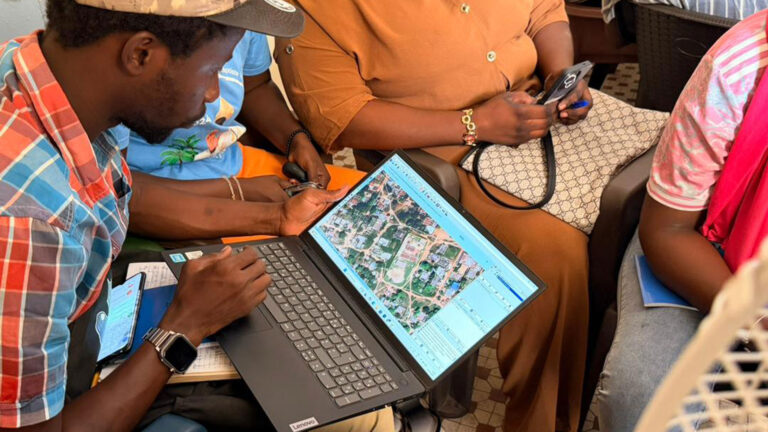
Eyes in the Sky, Feet on the Ground: SDI Youth-Led Mapping in Sierra Leone
By Chinedu Azuara, Donald S.C. Sombie, Gassimu Musa, Mamie Ruth Kamara, Ngozi Blessing Azuara and Tenneh Conteh
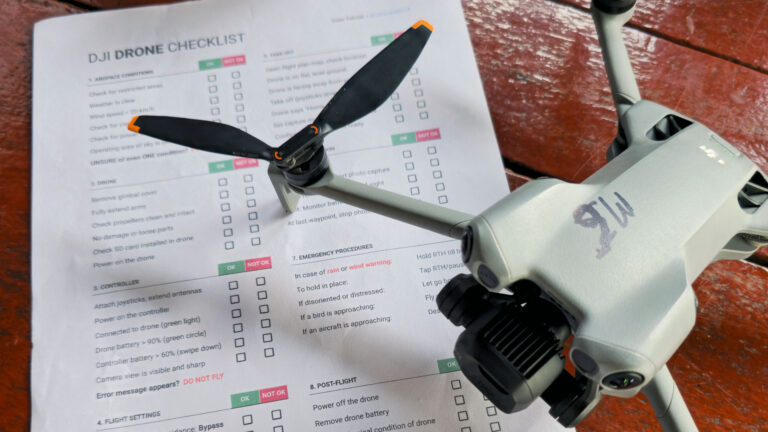
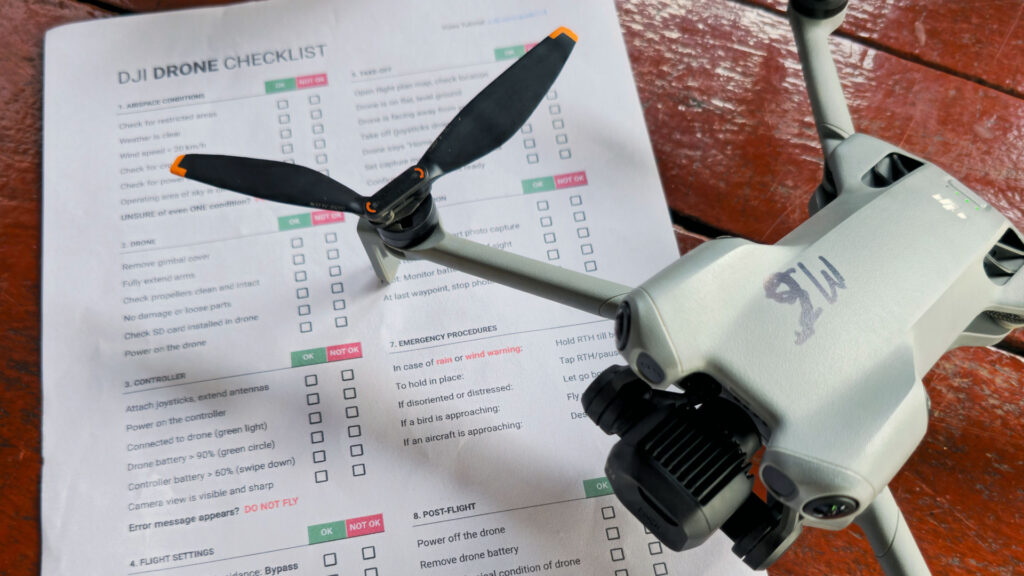
We are young SDI federation members from Bo Town in Sierra Leone who have been grounded intensively over the past six months on training programs under the SDI Impact Innovation Initiative. Among all the trainings we received, one worth highlighting is the drone training which was facilitated by the Centre of Dialogue on Human Settlement and Poverty Alleviation (CODOHSAPA).
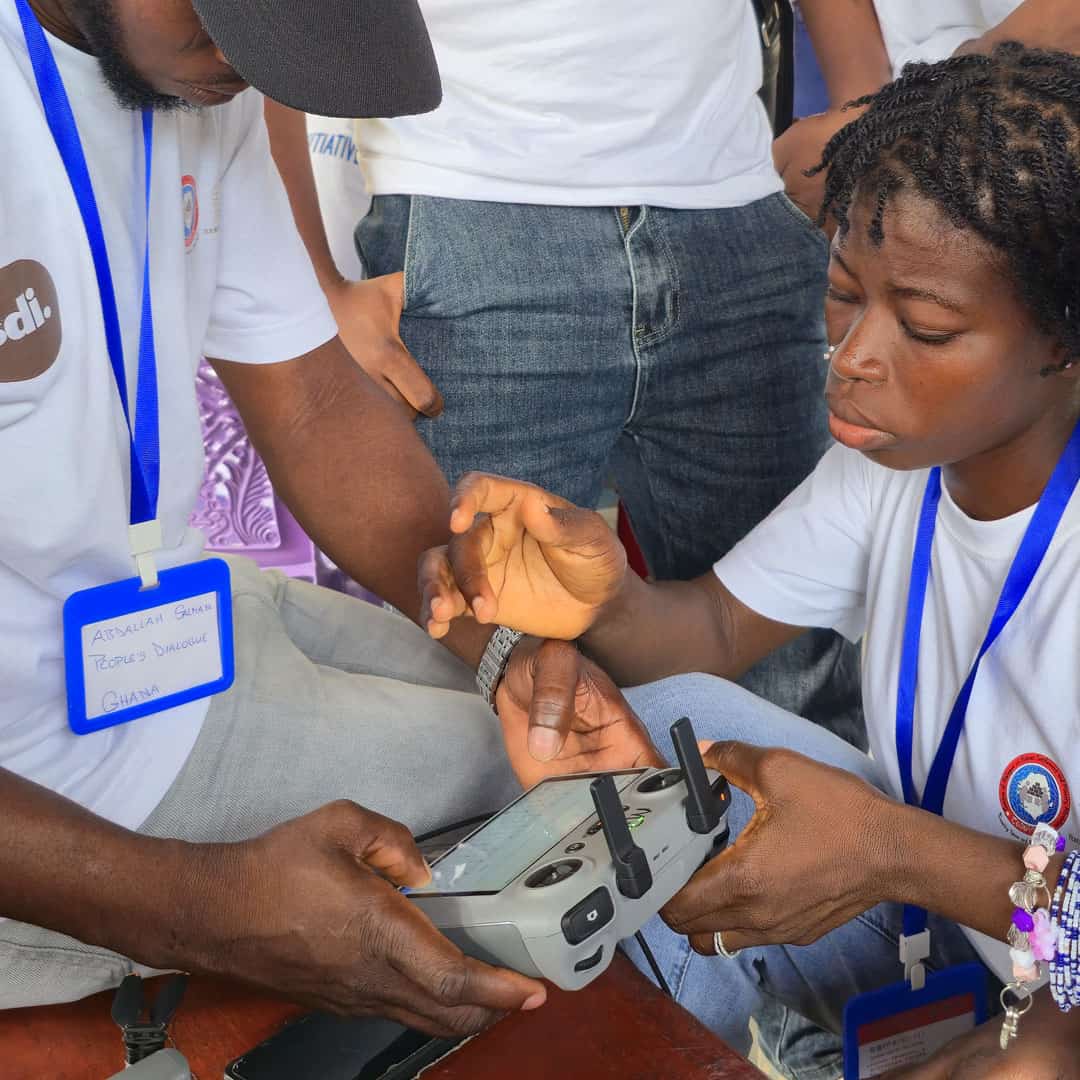
From March to May 2026, we participated in drone training sessions together with our city council. At the beginning, we faced many challenges. Some were nervous about catching the drone when it was landing to prevent it from hitting the ground, while others struggled to control the drone using the remote controller.
However, through continuous practice, commitment and determination, we gradually overcame these difficulties and learned how to operate and fly drones successfully.
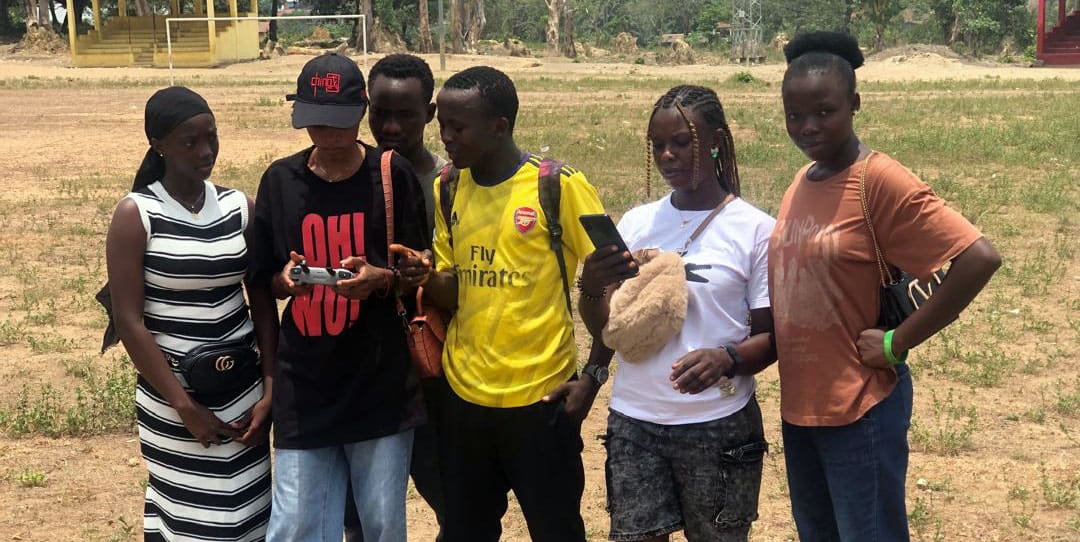
When we completed the training, we conducted drone mapping exercises in three different communities namely Torwama, Kortibuma and Simbaru. The purpose was to identify and document the number of houses and shops, their locations, the livelihoods of residents and the location of various services within the communities. Most importantly, the mapping helped us understand the challenges facing these communities, identify what they are lacking and determine their most pressing needs.
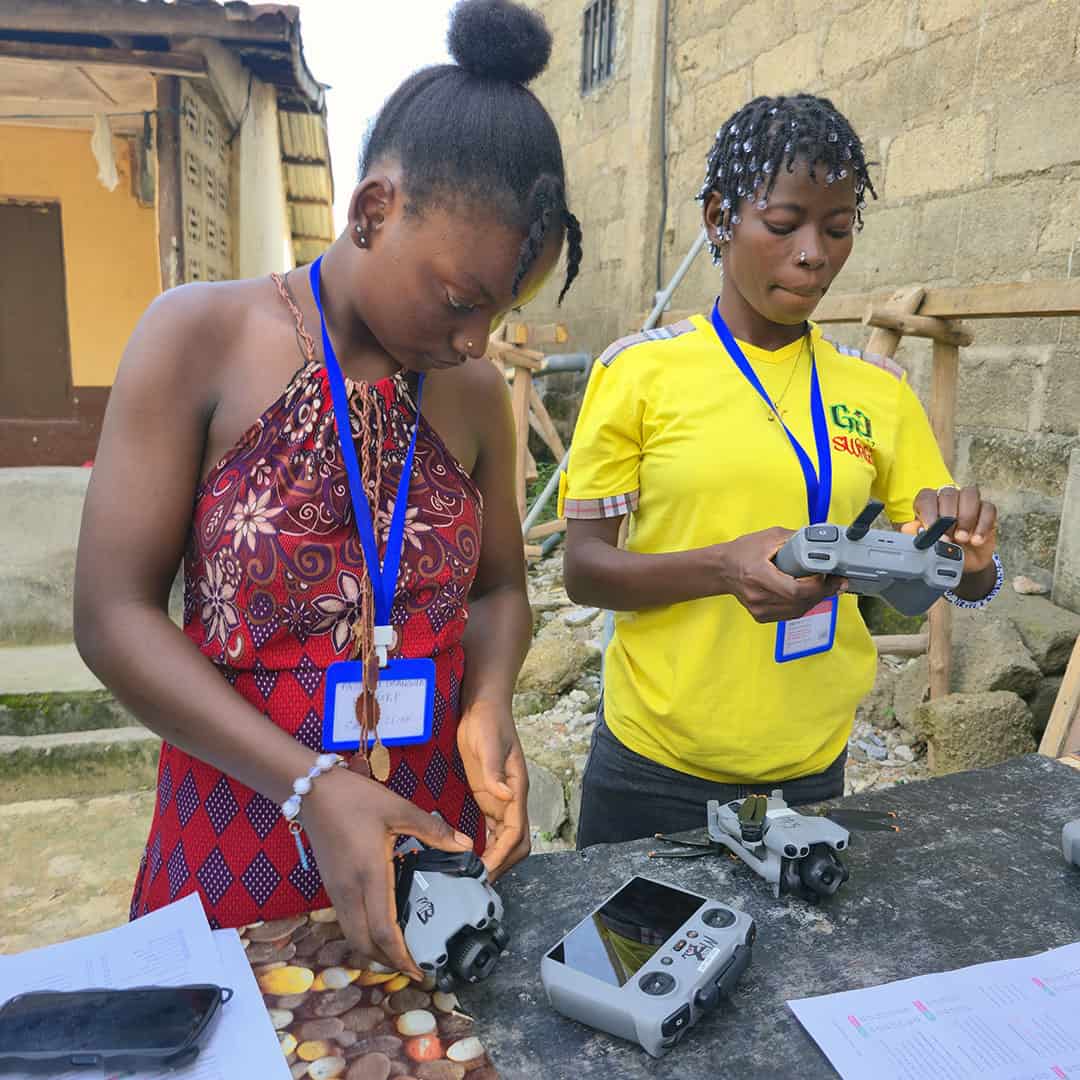
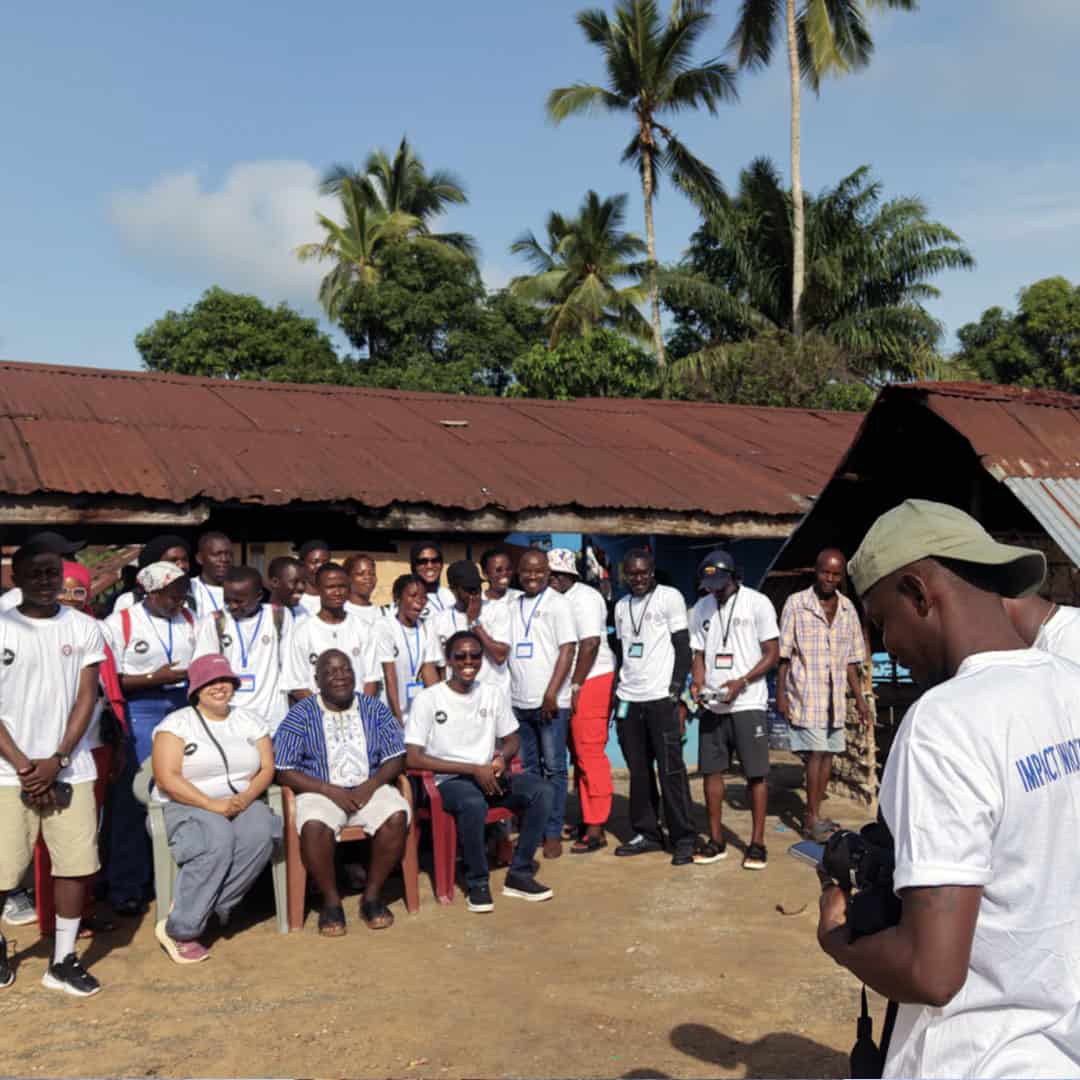
During our survey, we identified key strategic locations within the three communities, including schools, places of worship, livelihood centres and other important community facilities.
However, one major gap we discovered in these settlements was the absence of vocational institutions and training hubs.
As a result, there is an urgent need for youth-focused initiatives that provide skills training and income-generating opportunities to help young people build sustainable livelihoods.
Based on the data collected, we encourage the Government of Sierra Leone and development partners, including NGOs, to establish vocational training centres and youth learning hubs in these settlements. This will equip the youth with practical skills, improve their chances of securing employment or becoming self-employed and contribute to the overall development of their communities. Such interventions will also help reduce poverty, unemployment and crime while creating a brighter future for the youth.
Behind the collective achievements are individual journeys. Hear directly from some of the SDI youth who took part, sharing their experiences in their own words.
Gassimu Musa
I am Gassimu Musa from the Federation of Urban and Rural Poor (FEDURP). I am from the settlement of Mendewa in Bo Town in Sierra Leone. I am a member of the Gbotima Savings Group.
Regardless of their income or status, the women and men that form part of this group have the power to speak with one voice and bring about real change. Savings groups serve as building blocks for our settlement and community. In turn, this helps us to pool our resources and tackle issues that affect our entire community, going beyond just livelihoods.
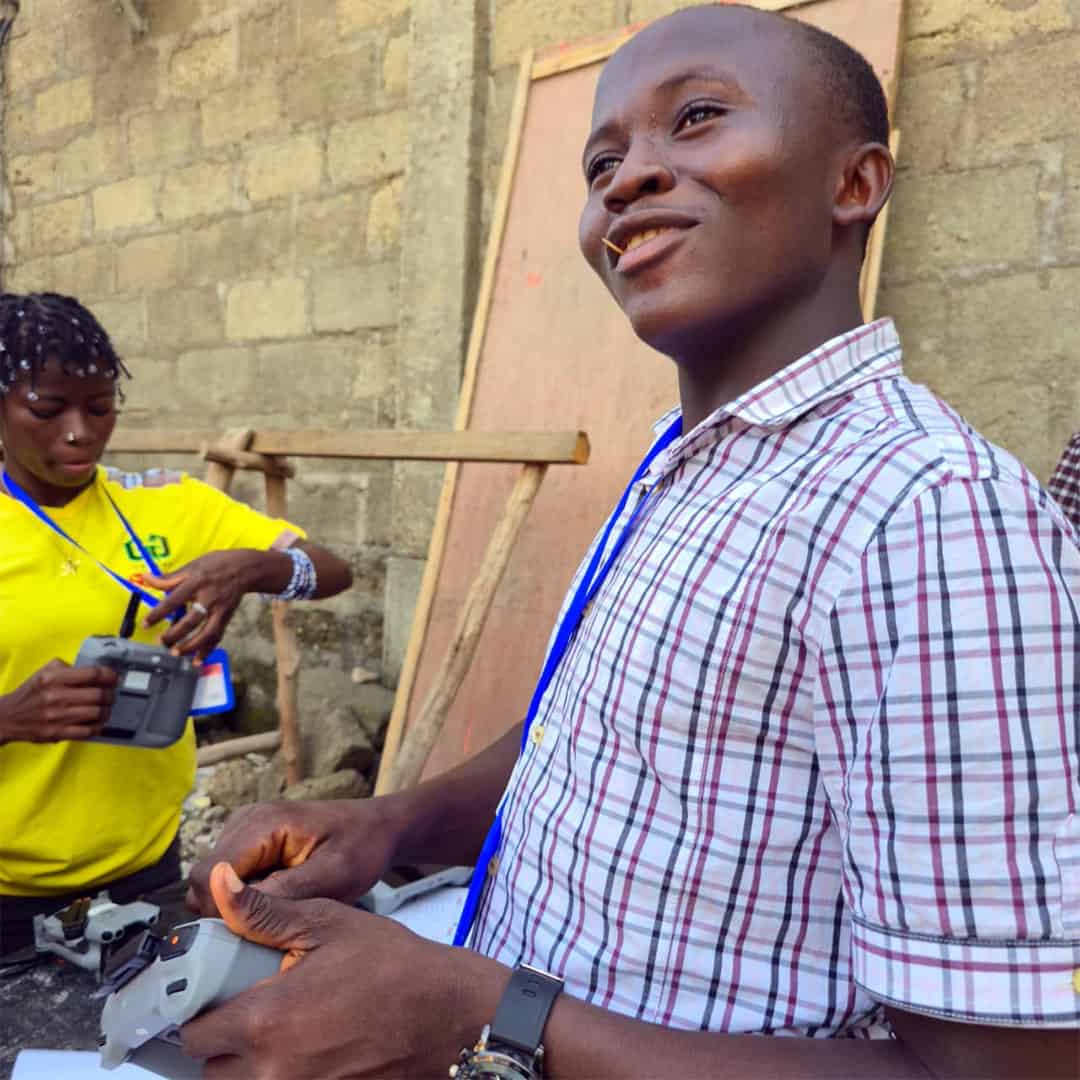
I am also participating in the SDI Impact Innovation Initiative project. Through this project, I learnt how to fly a drone to do settlement boundary mapping. I also facilitated focus group discussions with my community to help find solutions for our challenges.
Bo Town has a large and growing youth population, yet many young people struggle to get ahead. Unemployment is high, skills training is hard to access and poverty remains a daily reality. Many young people have ideas and want to contribute to their communities, but they lack the support, funding and opportunities to do so.
In my settlement, there is no training centre for youth. This is one of our biggest challenges. As part of this project, we will be building a skills and vocational centre in Bo Town where young people can learn practical skills, start small businesses and find work. I would like to see the youth from my community create their own opportunities and play an active role in building a better Bo Town.

Tenneh Conteh
My name is Tenneh Conteh, a resident of Torwama and a member of the Oneness Savings Group.
What excites me most about Slum Dwellers International (SDI) is seeing how people living in informal settlements come together to create solutions for their own communities. I am inspired by the way SDI mobilises local residents, especially women and youth, to lead change through savings groups, community mapping and collective action.
It is exciting to see communities gain a stronger voice and work with governments on housing, sanitation and other essential services. The idea that people can transform their own neighbourhoods through unity, leadership and shared learning gives me hope and motivation.
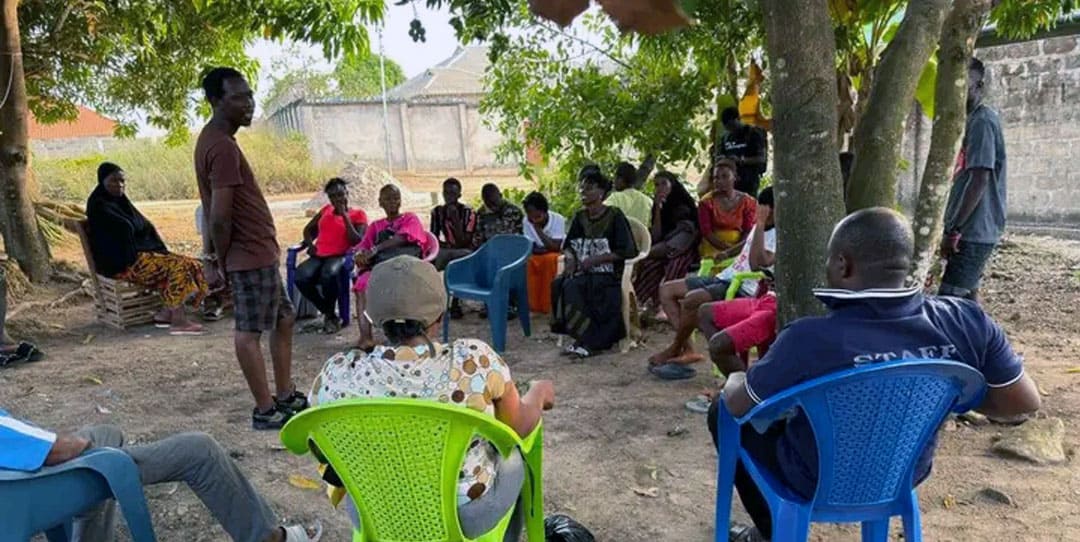
Ngozi Blessing Azuara
I am Ngozi Blessing Azuara, a member of the Federation of Urban and Rural Poor (FEDURP) in Gborbu Community, Sierra Leone, and a proud member of the One Hope Savings Group.
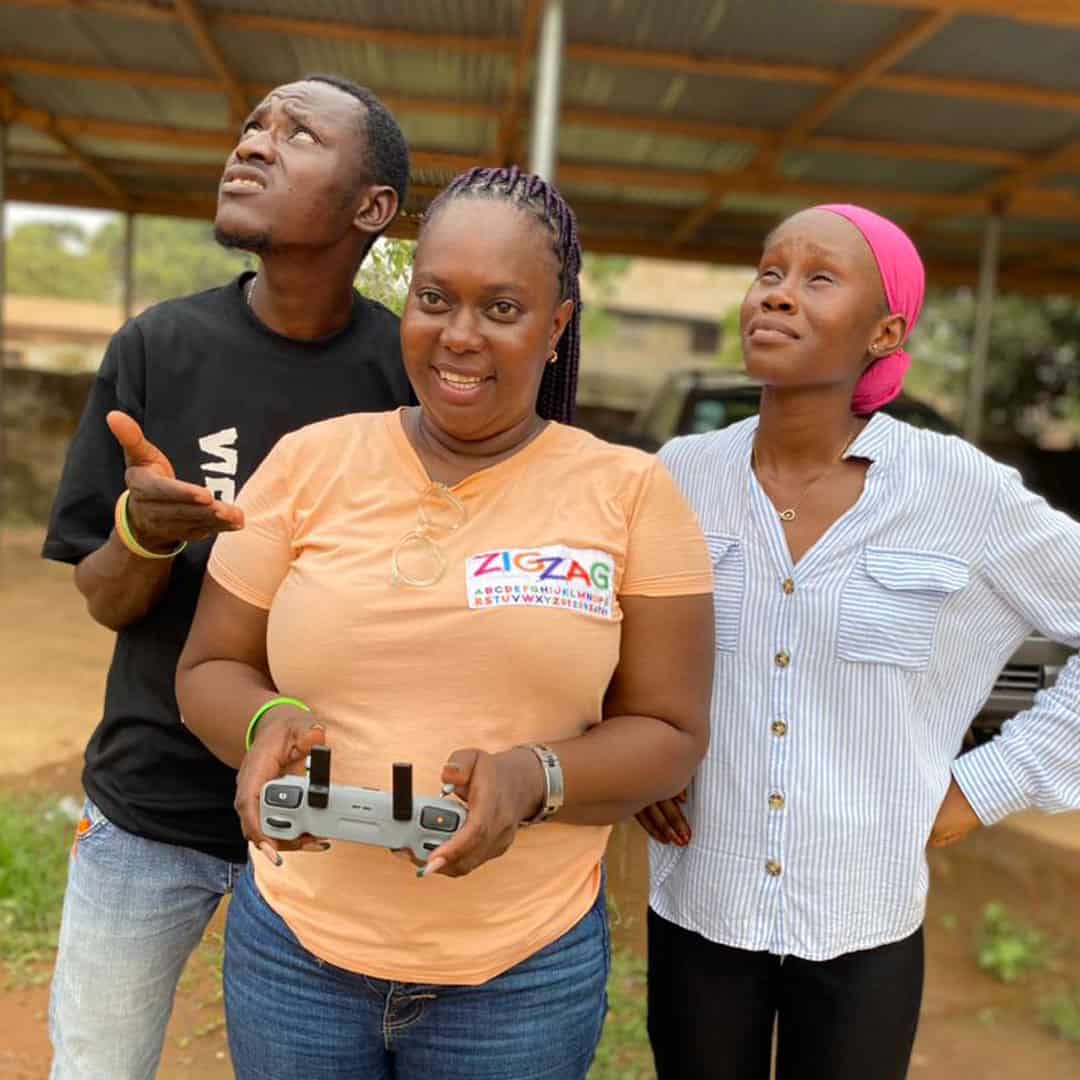
Being part of the SDI Impact Innovation Initiative has been a life-changing experience for me. One of the most exciting parts of the programme was the drone training. Before this training, I had never seen a drone being flown up close, let alone operated one myself. Learning how to fly a drone and understanding how it can be used for community development opened my eyes to new possibilities.
Through this training, I gained practical knowledge in drone flying and community mapping. I learned how drones can help capture accurate information about our settlements, identify social amenities, map community boundaries and collect data that can support planning and development. This knowledge has given me a new way of looking at the challenges and opportunities within my community.
In Gborbu Community, many residents face economic challenges and have limited financial resources.
Despite this, members of our One Hope Savings Group remain committed to saving regularly and supporting one another. With the little money they have, they continue to invest in a shared vision of improving our community and creating opportunities for future generations.
Their dedication shows that meaningful change does not always begin with wealth, it begins with unity, commitment and hope.
The drone training has equipped me with skills that I can use to support my community. Through mapping and data collection, I can help identify areas where services are lacking, document community needs and provide evidence that can strengthen our advocacy efforts. This information can be used to engage stakeholders, government institutions, and development partners in addressing challenges affecting our community.
For me, this training was more than just learning to fly a drone. It was about gaining a tool that can help amplify the voice of my community. I am grateful for this opportunity and excited to use the knowledge and skills I have gained to contribute to positive change, support community development and help build a better future for the people in our settlements.
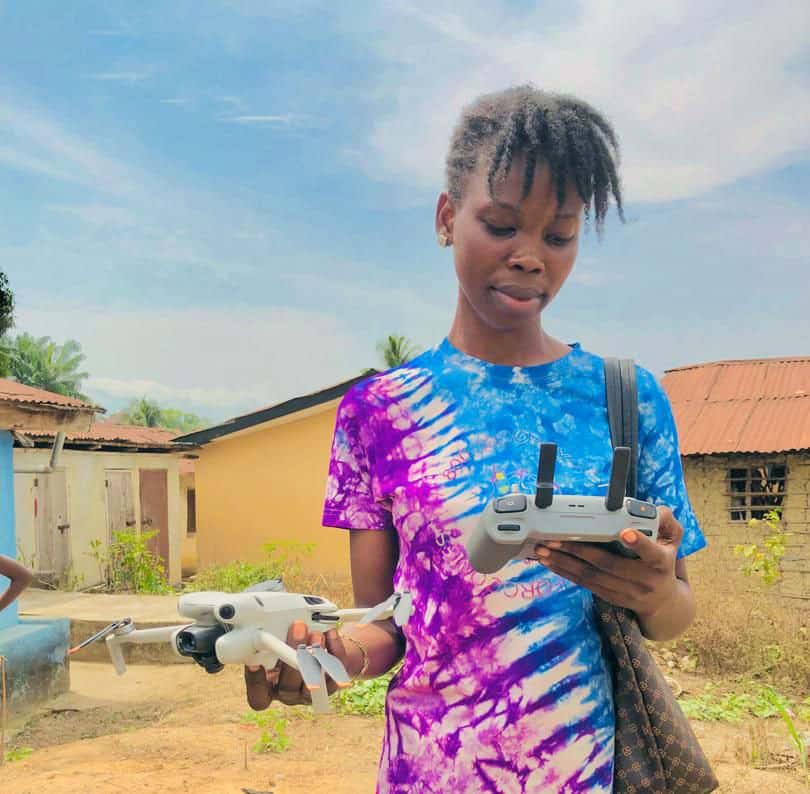
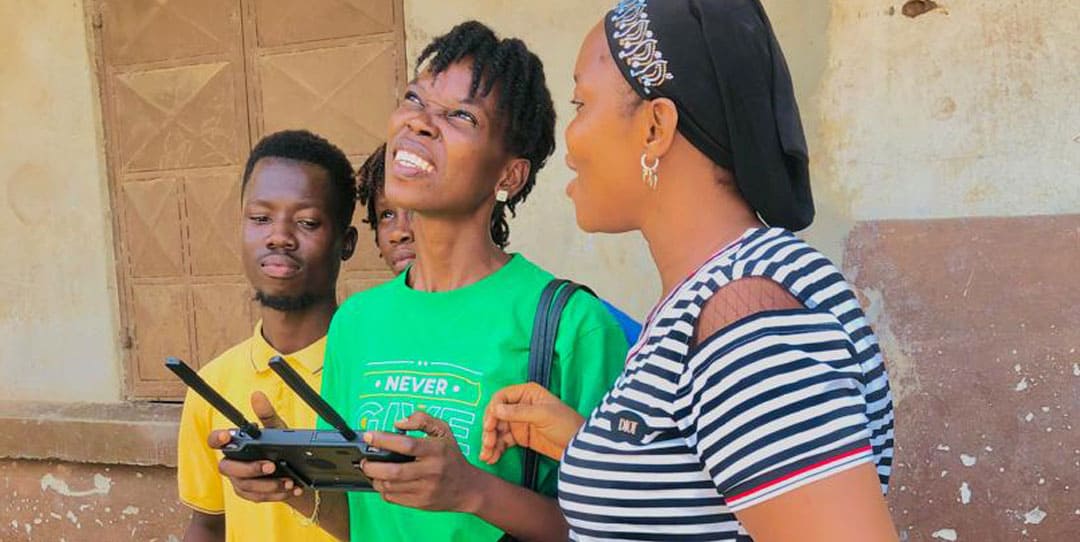
Mamie Ruth Kamara
My name is Mamie Ruth Kamara, a resident of Kortibuma Section in Bo Town, Sierra Leone and a member of the Federation of Urban and Rural Poor (FEDURP).
Over the past six months, we have undergone several trainings under the SDI Impact Innovation Initiative. Some of these trainings included drone training, service mapping, boundary mapping and community engagement.
Among all of them, I would especially like to talk about drone flying, which was the most interesting part for me. Before the training, I did not know how to fly a drone, but after the training sessions, I can now fly one confidently. The mapping helps me get accurate data about my community like the number of houses, schools, water points, services, marketplaces, hospitals, churches, toilets and hazardous points.
The training also helped me acquire skills that I never had before such as communication and facilitation skills. I am willing and eager to continue learning more.
I believe that all youth must be the change they want to see in their communities. We must not just be beneficiaries of projects, but we should be the change.

Chinedu Azuara
My name is Chinedu Azuara from Federation of Urban and Rural Poor (FEDURP) in Sierra Leone. During the Impact Innovation Initiative, I had the opportunity to participate in drone flying and community mapping training.
It was an eye-opening experience that showed me how technology can be used to better understand our communities and support development.
This experience has inspired me to think differently about the challenges facing our communities. As young people, we need more opportunities to learn innovative skills that can help us create lasting impact.
I encourage NGOs, development partners and institutions to invest in youth training. When young people are supported with knowledge and skills, they become part of the solution.
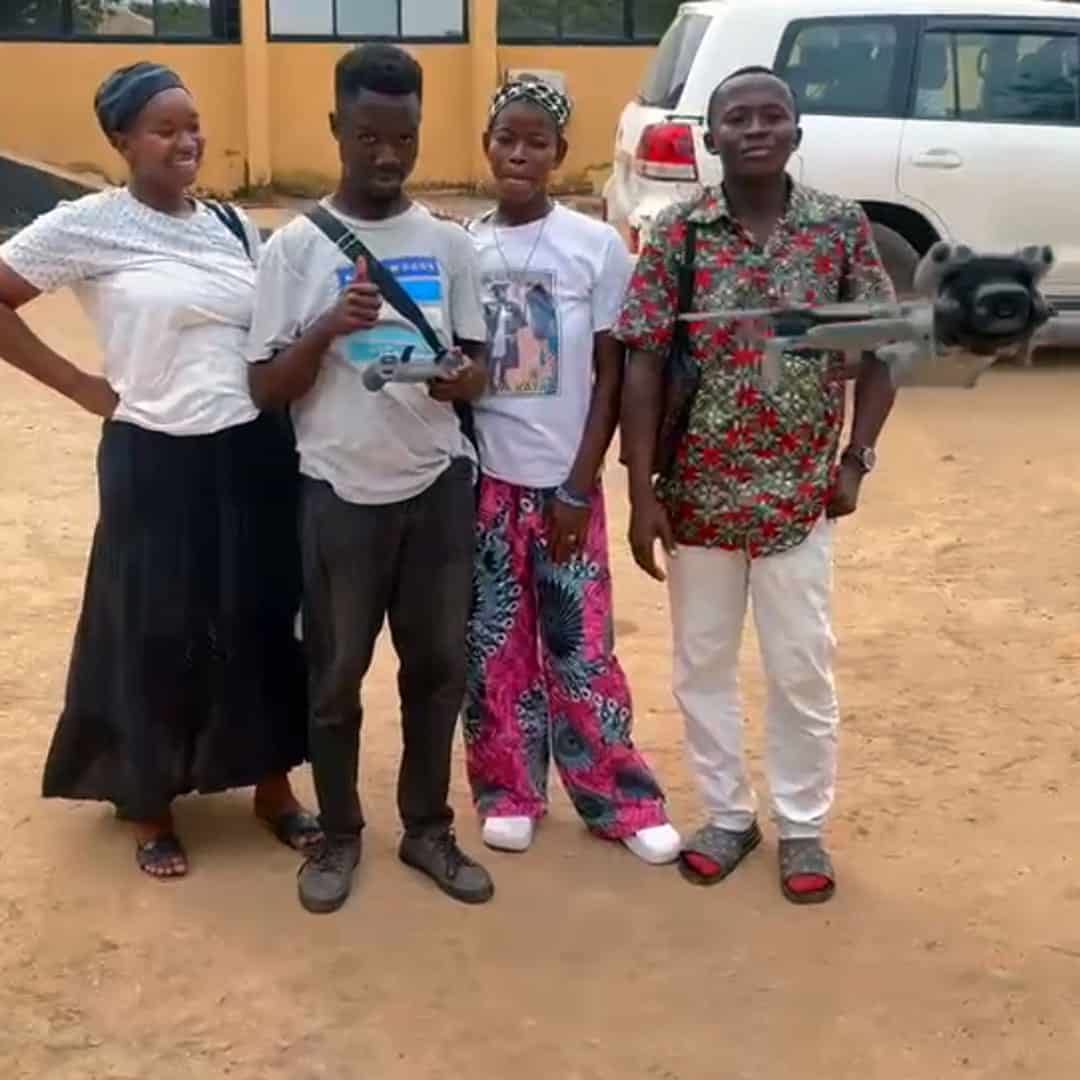
Donald S.C. Sombie
My name is Donald S.C. Sombie, a resident of Bo in Sierra Leone and a proud member of Federation of Urban and Rural Poor (FEDURP).
Thanks to this training, we are now able to apply our knowledge and skills to earn a living. We also encourage other young people who have recently joined or are just receiving this opportunity to take the training seriously and make the most of it.
At the same time, we appeal to the government and other stakeholders across the country to consider engaging us in drone mapping and related activities, as we are now equipped with the necessary skills and knowledge to operate drones.
Ziguinchor: When young people map their own neighbourhood
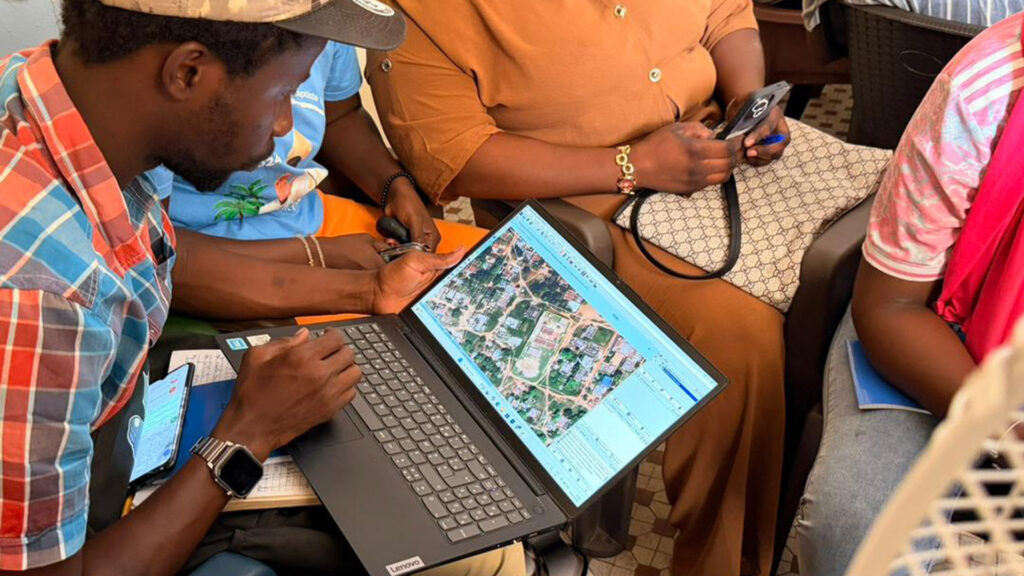


In Ziguinchor, in the neighbourhoods of Tilène, Kandialang Ouest, Néma 2, Kande Alassane, Cobitène, and Lyndiane 2, young people decided to stop waiting for others to change their living environment for them.
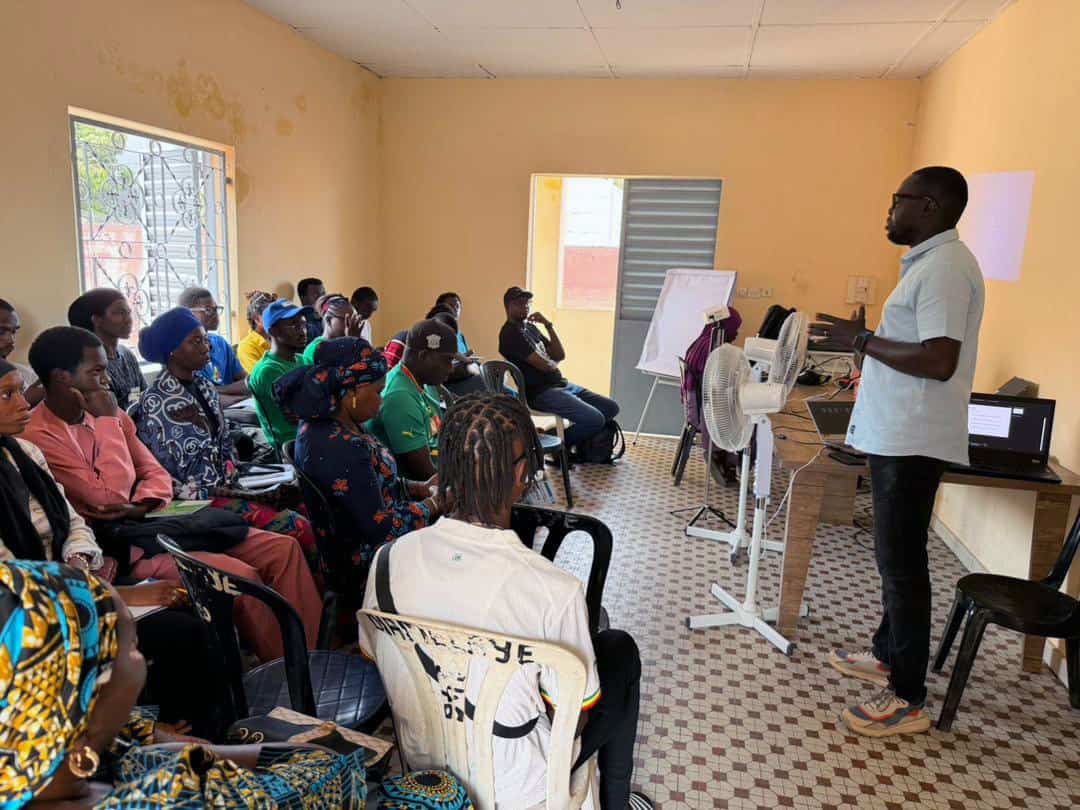
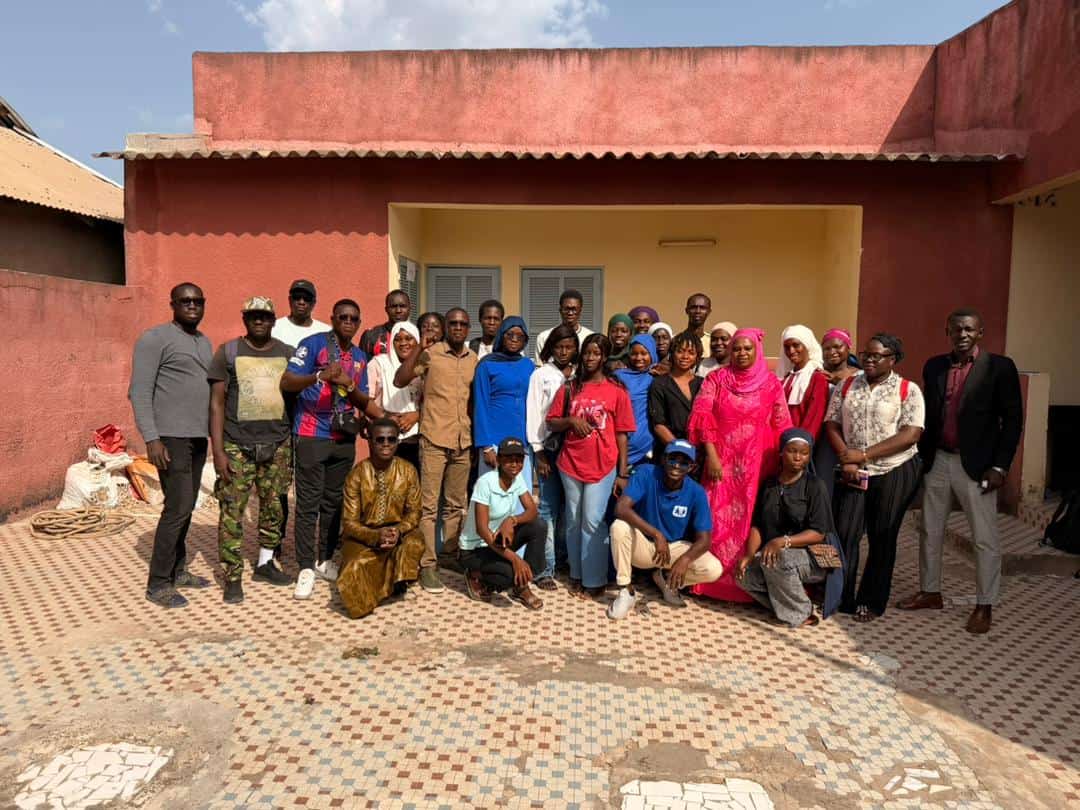
From October 2025 to June 2026, through the project “Transforming Vulnerable Neighbourhoods through Data, Youth Entrepreneurship, and Social Innovation,” led by urbaSEN and the Fédération Sénégalaise des Habitants (FSH), they learned to film, map, collect, manage and share data. And after the weeks of training came the most demanding part: going into the field.
The data was collected door-to-door, using the Know Your City methodology, with KoboToolbox and ODK in hand. But behind this somewhat dry word “data,” there is a precise and concrete portrait of six neighbourhoods which official maps most often left in the dark.
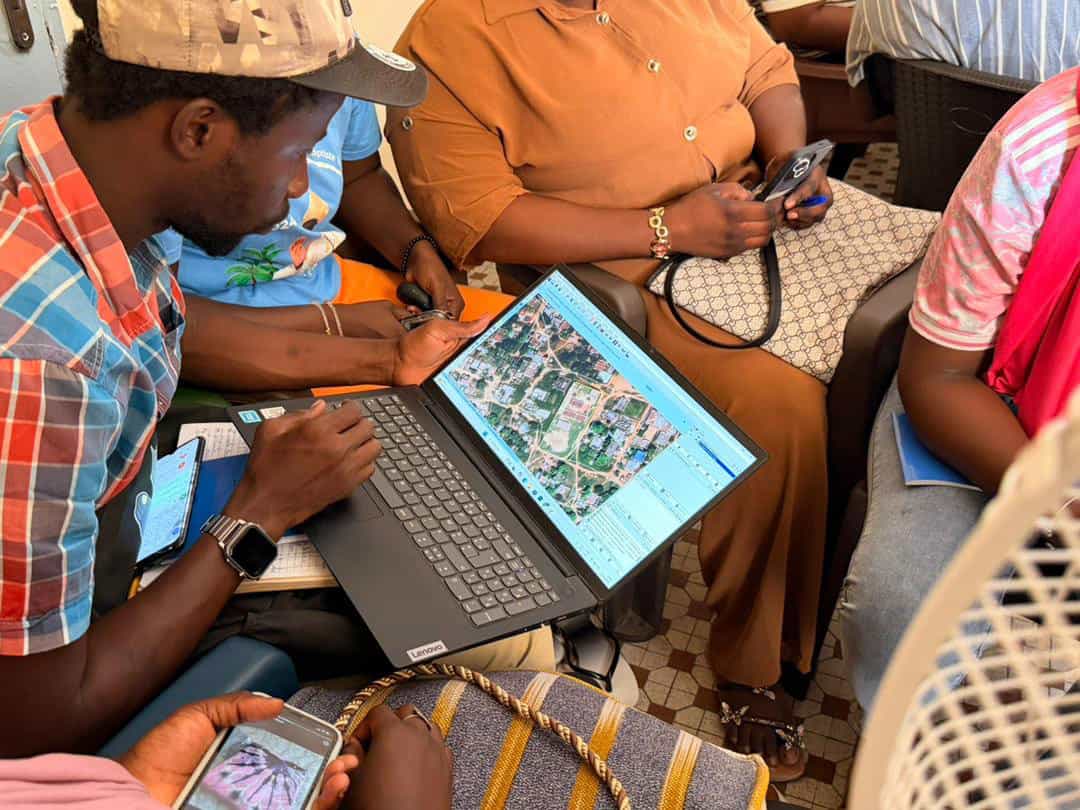
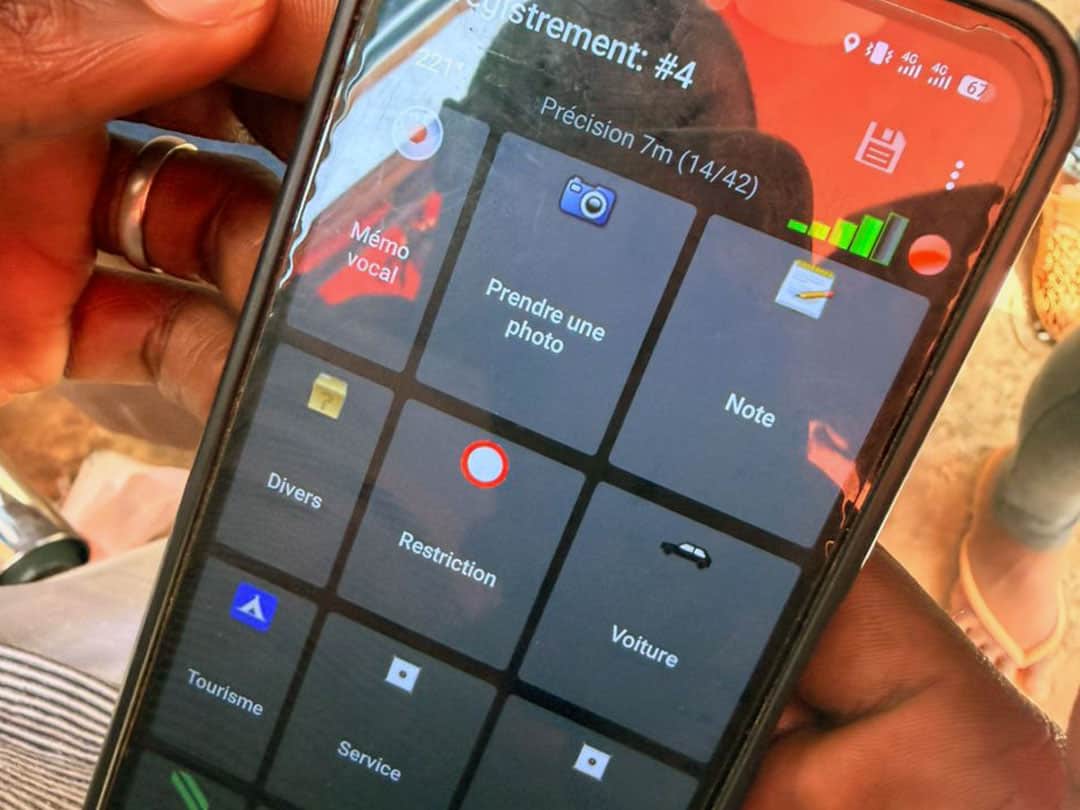
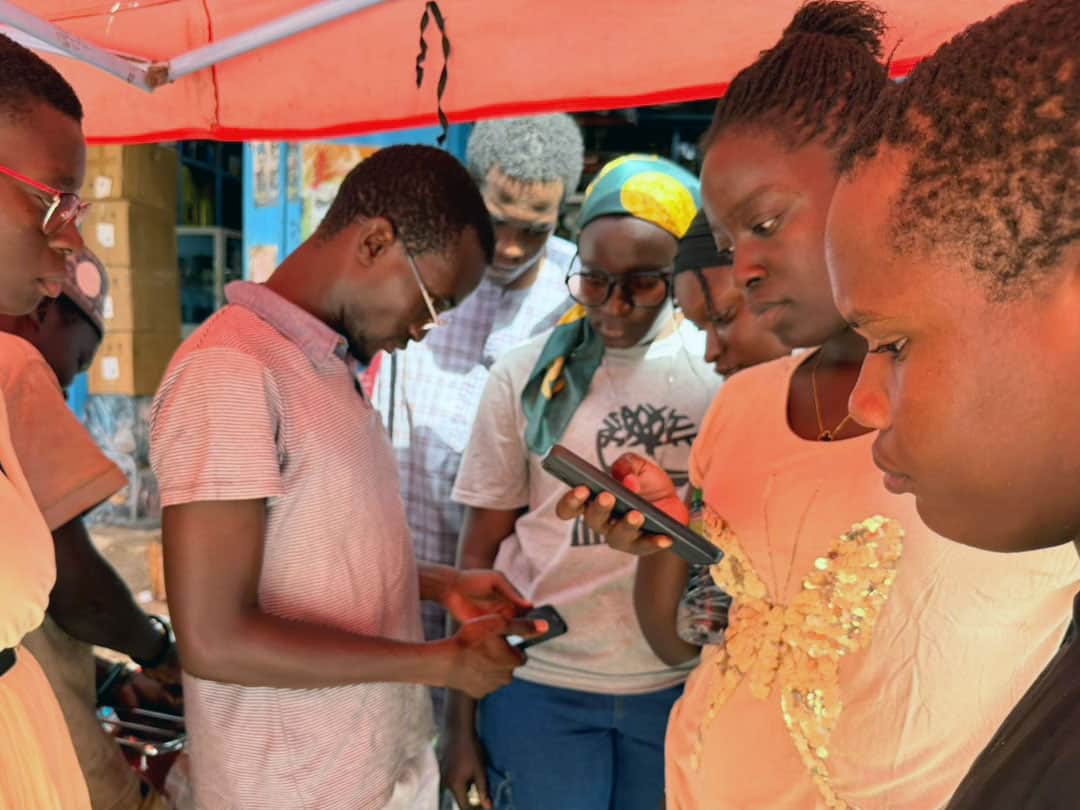
From October 2025 to June 2026, through the project “Transforming Vulnerable Neighbourhoods through Data, Youth Entrepreneurship, and Social Innovation,” led by urbaSEN and the Fédération Sénégalaise des Habitants (FSH), they learned to film, map, collect, manage and share data. And after the weeks of training came the most demanding part: going into the field.
The data was collected door-to-door, using the Know Your City methodology, with KoboToolbox and ODK in hand. But behind this somewhat dry word “data,” there is a precise and concrete portrait of six neighbourhoods which official maps most often left in the dark.
The young people began by cataloguing the infrastructure that structures daily life: schools, health centres, places of worship, markets and water points. For each facility, they noted its exact GPS location, the condition of the building, the level of use, and, most importantly, what was lacking. A map showing where there is no school or health centre is sometimes more useful than a map showing where they exist.
They then turned their attention to the roads. Which streets are paved, which become impassable with the first rain, and which don’t even have names? In neighbourhoods where an ambulance or fire truck can get stuck due to lack of access, mapping the roads is far from an abstract exercise: it’s about documenting who can be rescued and who cannot.
The infrastructure component completed this picture: street lighting, drinking fountains, community furniture and shared spaces. Here again, the survey helped distinguish what exists, what works and what has fallen into disrepair: three realities that are too often confused.
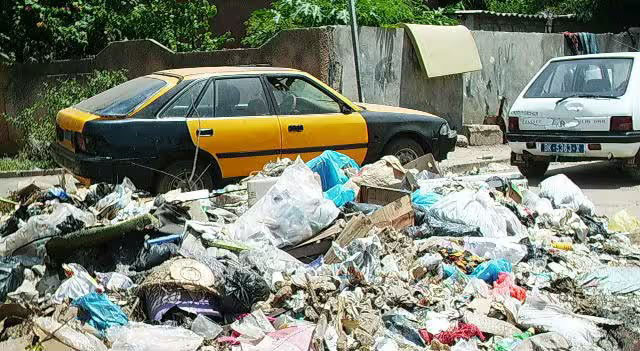
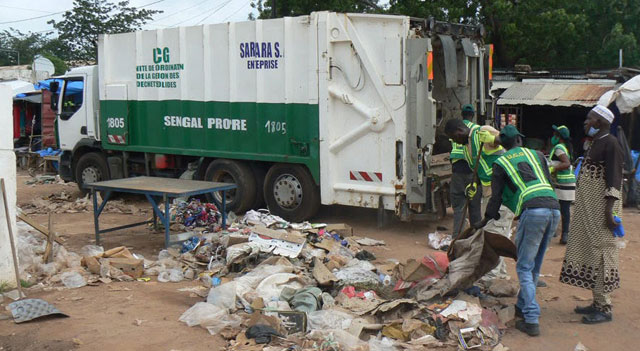
The issue of waste was a major focus, because it’s immediately apparent when walking through the neighbourhood. The young people located illegal dumpsites, followed informal collection routes and identified areas where garbage accumulates due to a lack of collection points. This data transforms a nuisance into a problem that can be solved and evidence to negotiate with the municipality for improved technical services.
Finally, sanitation: wastewater disposal, stormwater management, the condition of pipes and flood zones. This is undoubtedly the most sensitive issue, because it intersects with public health, housing and climate risk. By documenting where water stagnates and drains poorly, the young people have created a concrete basis for considering how to adapt their neighbourhoods.
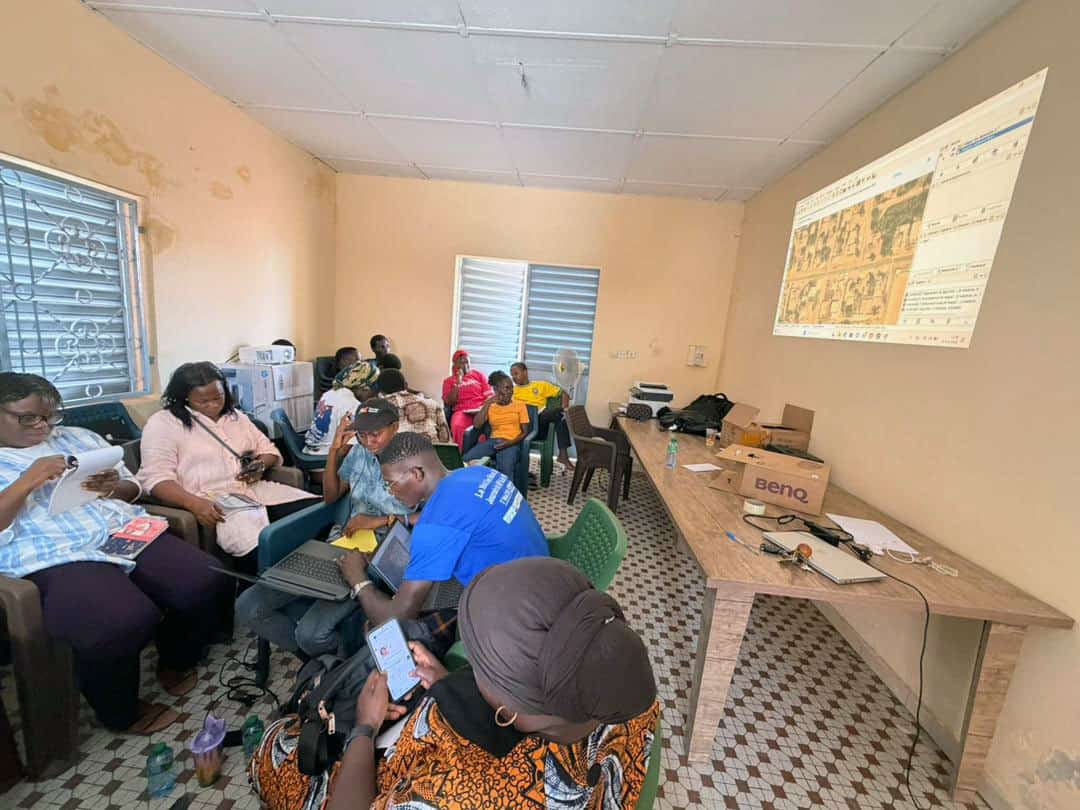
With participatory mapping on OpenStreetMap, all this information has come out of the invisible: areas previously absent from maps now exist, with their streets, their facilities and their deficiencies.
To conclude this first year, a peer-to-peer exchange hosted by Centre of Dialogue on Human Settlement and Poverty Alleviation (CODOHSAPA) and the Federation of the Urban and Rural Poor (FEDURP) was held in Bo, Sierra Leone, from June 15 to 19, 2026, bringing together SDI youth from Ghana, Sierra Leone and Senegal for mutual learning.
Filming, mapping, collecting, managing, sharing: at each stage, young people hold the tools. In Ziguinchor, data is no longer the domain of outside experts. It has become a lever for taking action, challenging local authorities, and sustainably transforming neighbourhoods based on what their own residents have seen, measured, and told.
Ziguinchor : quand les jeunes cartographient leur propre quartier
À Ziguinchor, dans les quartiers de Tilène, Kandialang Ouest, Néma 2, Kande Alassane, Cobitène et Lyndiane 2, des jeunes ont décidé de ne plus attendre que d’autres décrivent leur cadre de vie à leur place. D’octobre 2025 à juin 2026, à travers le projet « Transformation des quartiers vulnérables par les données, l’entrepreneuriat des jeunes et l’innovation sociale », porté par urbaSEN et la Fédération Sénégalaise des Habitants (FSH), ils ont appris à filmer, à cartographier, à collecter, à gérer et à partager. Et après les semaines de formation est venu le moment le plus exigeant : descendre sur le terrain.
La collecte s’est faite porte à porte, selon la méthodologie Know Your City, avec KoboToolbox et ODK dans les mains. Mais derrière ce mot un peu sec de « données », il y a en réalité le portrait précis et concret de six quartiers que les cartes officielles laissaient le plus souvent dans le flou.
Les jeunes ont d’abord recensé les infrastructures qui structurent la vie quotidienne : écoles, postes de santé, lieux de culte, marchés, points d’eau. Pour chaque équipement, ils ont noté la position exacte au GPS, l’état du bâti, le niveau de fréquentation, et surtout ce qui manquait. Une carte qui montre où il n’y a pas d’école ou pas de poste de santé est parfois plus utile qu’une carte qui montre où ils existent.
Ils se sont ensuite penchés sur la voirie. Quelles rues sont bitumées, lesquelles deviennent impraticables à la première pluie, lesquelles ne portent même pas de nom ? Dans des quartiers où une ambulance ou un camion de pompiers peut rester bloqué faute d’accès, cartographier la voirie n’a rien d’un exercice abstrait : c’est documenter qui peut être secouru et qui ne le peut pas.
Le volet équipements a complété ce tableau : éclairage public, bornes-fontaines, mobilier collectif, espaces communautaires. Là encore, l’enquête a permis de distinguer ce qui existe, ce qui fonctionne, et ce qui est tombé à l’abandon : trois réalités que l’on confond trop souvent.
La question des déchets a occupé une place importante, parce qu’elle saute aux yeux dès qu’on marche dans le quartier. Les jeunes ont localisé les dépôts sauvages, suivi les circuits informels de ramassage, repéré les zones où les ordures s’accumulent faute de point de collecte. Cette donnée transforme une nuisance subie en problème lisible, donc négociable avec la commune et les services techniques.
Enfin, l’assainissement : évacuation des eaux usées, gestion des eaux de pluie, état des canalisations, zones inondables. C’est sans doute le sujet le plus sensible, parce qu’il croise la santé publique, l’habitat et le risque climatique. En documentant où l’eau stagne et où elle s’écoule mal, les jeunes ont produit une base concrète pour penser l’adaptation de leurs quartiers.
Avec la cartographie participative sur OpenStreetMap, toutes ces informations sont sorties de l’invisible : des zones jusqu’ici absentes des cartes existent désormais, avec leurs rues, leurs équipements et leurs manques.
Pour clôturer cette première année, un échange entre pairs organisé par le Centre pour le dialogue sur l’habitat humain et la lutte contre la pauvreté (CODOHSAPA) et la Fédération des pauvres des zones urbaines et rurales (FEDURP) s’est tenu à Bo, en Sierra Leone, du 15 au 19 juin 2026, réunissant des jeunes du programme SDI venus du Ghana, de la Sierra Leone et du Sénégal dans un esprit d’apprentissage mutuel.
Filmer, cartographier, collecter, gérer, partager : à chaque étape, ce sont les jeunes qui tiennent les outils. À Ziguinchor, la donnée n’est plus une affaire d’experts venus de l’extérieur. Elle devient un levier pour entreprendre, interpeller les autorités locales et transformer durablement les quartiers à partir de ce que leurs propres habitants ont vu, mesuré et raconté.
Accelerating Locally-Led Responses to Climate Change in Informal Settlements
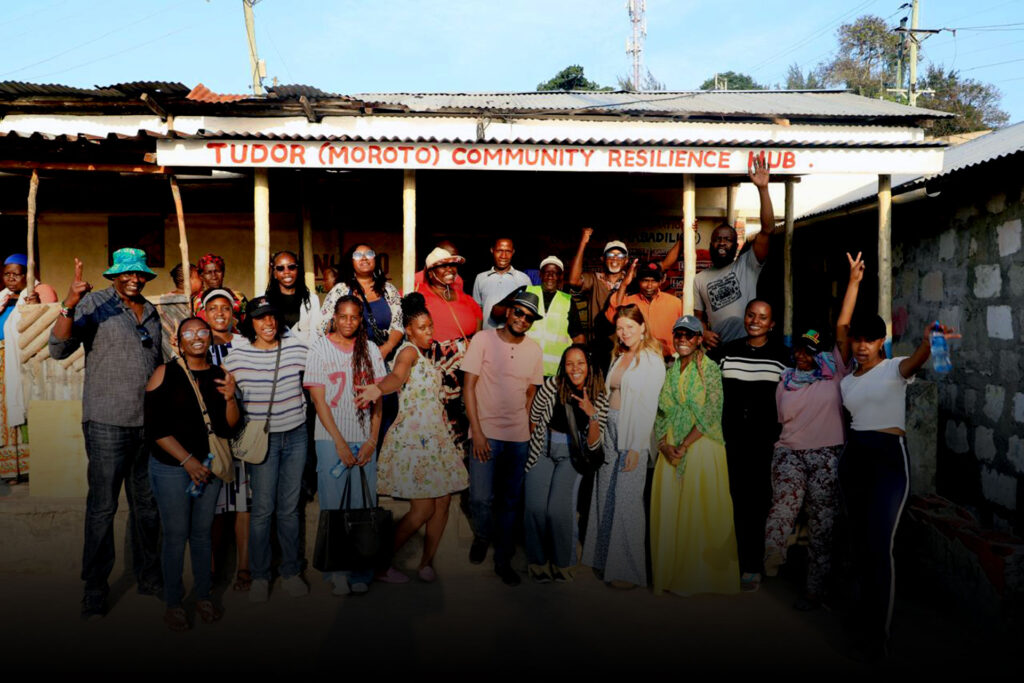
Reflections on the First Year of Implementation
Informal settlements face a combination of environmental, social and economic challenges, including poor infrastructure, limited access to land tenure security and basic services, overcrowding, and exposure to climate-related hazards such as flooding, extreme heat and landslides.
In response, SDI launched the Accelerating Locally-Led Responses to Climate Change in Informal Settlements and Slums (ALLRCISS) programme in 2025, supported by the Swedish International Development Cooperation Agency (Sida) with a three-year commitment.

A Different Approach to Climate Action
The ALLRCISS programme supports community organisations and SDI federations to design and implement climate initiatives which reflect their priorities through locally-led climate action at community, city and national levels. The project is being implemented across six countries: Brazil, Kenya, the Philippines, Sierra Leone, Zambia and Zimbabwe. The programme is grounded in the principles of Locally Led Adaptation (LLA), which ensure that climate action is designed and driven by the communities most affected. These principles emphasise devolving decision-making power to the local level, addressing the structural inequalities that drive climate vulnerability, providing patient and flexible funding, and building on local knowledge and capacity rather than imposing external solutions.
While each country operates within a unique context and different timeframes, all participating countries have consolidated their local federation systems and produced evidence to inform climate action innovations, establishing the basis for impactful, community-led resilience initiatives.


Reflections on the First Year of Implementation
Building the Evidence Base
Community engagement has been central to these achievements, with federation members, savings groups, youth teams and local leaders actively contributing through dialogue, training, data collection and participatory decision-making processes.
Across all six countries, over 1,400 households have been profiled and mapped, generating critical evidence to inform nature-based solutions, climate-smart agriculture, settlement upgrading and disaster risk management. Youth and women have been at the forefront of this work, leading data collection efforts, participating in advocacy, and taking on leadership roles in project activities.
Progress in Action

Brazil: Rede Interação & Brazilian Federation
Resilient Communities through Climate Action and Local Voices
Brazil engaged more than 60 participants, including federation members and youth leaders, piloting urban garden projects and training which bring climate adaptation directly into community spaces.

Kenya: Shack Dwellers International (SDI Kenya) & Muungano wa Wanavijji
Participatory Resilience Action for Climate Transformation
Kenya mobilised 229 participants in community dialogues, with particularly strong youth involvement. About 143 young people contributed to household enumeration and mapping exercises with 1,023 households profiled, providing an evidence base for housing upgrades and climate action planning.

Philippines: Homeless Peoples’ Federation Philippines, Inc. (HPFPI) & Philippine Action for Community-led Shelter Initiatives, Inc. (PACSII)
Strengthening Community-led Climate Adaptation
The Philippines hosted successful Disaster Risk Management Training of Trainers sessions in Quezon City and Muntinlupa City. Through Kamustahan youth sessions, young leaders are driving conversations about climate action, livelihoods and inclusivity across Metro Manila.

Sierra Leone: Centre of Dialogue on Human Settlement and Poverty Alleviation (CODOHSAPA) & Sierra Leone Federation of the Urban and Rural Poor (FEDURP)
Enhancing Resilience through Locally-led Climate Adaptation Strategies
Sierra Leone demonstrated strong women’s participation, with 165 women and 25 men (190 total) engaged in federation activities. Four new savings groups were formed, and three settlements completed community-based risk assessments using participatory methods such as focus group discussions and community mapping.

Zambia: People’s Process on Housing and Poverty in Zambia (PPHPZ) & Zambian Homeless and Poor People’s Federation
Advancing Climate Smart Food Systems and Circular Economies
Zambia reached 430 individuals through capacity-building workshops, profiling activities and resilience meetings. The federation trained 60 members in profiling methods, while 350 residents participated directly in settlement risk assessments, demonstrating significant community buy-in.

Zimbabwe: Dialogue On Shelter (DOS) & Zimbabwe Homeless Peoples Federation
Community Resilience through Locally-led Climate Initiatives
Meanwhile in Zimbabwe, 175 participants engaged in the programme, with youth playing a central role in data collection and community dialogues. Eight new savings groups were mobilised across Harare, Kariba, Chinhoyi and Gweru. A learning exchange brought federation members from seven cities to Bulawayo for a learning exchange about climate adaptation work, particularly hydroponic farming.
Amplifying Slum Dweller Voices Globally
This evidence from the ground strengthens slum dweller voices in global climate and development policy forums. Throughout 2025, SDI federation members placed the priorities of slum communities on the global agenda by participating at major international forums including the Community-Based Adaptation to Climate Change conference (CBA19), the Commission on the Status of Women (CSW), the High-Level Solutions Dialogue on Accelerating Early Warning and Extreme Heat Solutions, the Intergovernmental Panel on Climate Change (IPCC) Special Report on Climate Change and Cities stakeholder forums and COP30.


SDI Climate Champions
In 2025, the SDI Climate Champions platform was established to guide the network’s climate-change and locally-led adaptation advocacy and policy positions. Participation includes federation leaders and support NGO representatives from the five regional hubs (Asia, East Africa, Southern Africa, West Africa-Anglophone and West Africa-Francophone). The Champions collectively steer SDI’s climate-change advocacy, communications strategy and climate-related learning exchanges.
The unifying message, Slum Upgrading is Climate Action, brings together SDI’s core strategic priorities: community-led finance, community-generated data, locally led adaptation, tenure security, Know Your City and climate resilience. This framework consolidates work undertaken across multiple projects into a single, coherent campaign that will continue to strengthen and deepen in 2026.


Looking Ahead
As ALLRCISS enters its second year, the foundations laid in 2025 will support more intensive climate adaptation activities. The programme continues to demonstrate that when communities lead, climate action becomes more relevant, more sustainable and more effective.
Learn more about SDI Network at sdinet.org and follow our journey on LinkedIn, Facebook and Instagram.
Lights, Camera, Impact: Youth Voices Reshaping Slums in Sierra Leone

How can we harness the potential of young people in our Federation to ignite a wave of social transformation and shape a new era of grassroots advocacy and social impact for the network?
In answer to a demand from the young members of the Sierra Leone Federation of the Rural and Urban Poor (FEDRUP), a 7-day immersive media-production course was held between 18 and 25 October 2023 at the FEDRUP resource centre in Freetown, Sierra Leonne. The course and graduation ceremony marked the official launch of the Sierra Leone KYC.TV chapter.
The training program was led by James Tayler, SDI’s Programme Coordinator for Youth and Media, and Xola Mteto, KYCTV Media Officer. Additionally, co-facilitators from Kenya and Zambia were invited to share their expertise and diverse perspectives. From Kenya, John Kimani Thuo, a youth mentor in the Muungano’s Youth Mentors Category, brought extensive knowledge of federation rituals and organising. Jacob Omondi, an advocate in the Emerging Youth Category, showcased his storytelling skills through blogging and provided valuable perspectives on youth advocacy. Lizann Onyango Auma, a program officer responsible for Kisumu City, focused on addressing climate change and providing technical support to the youth and federation in Kisumu. From Zambia, Abednego “MacTavish” Chande, a dynamic media professional, and Royd Ndonga, a member of the KYC.TV Zambia team, joined as co-facilitators. Maryam Ibrahim, the communications lead at People’s Process on Housing and Poverty in Zambia, contributed expertise in co-creation and community engagement.
The program unfolded in a progression and was structured across theory, technical, and practical sessions. The objectives included understanding the role of media in social movements, developing media skills, instilling ethical considerations, formulating media strategies, measuring impact, and fostering collaboration. The curriculum aimed to equip participants with various media production skills such as filmmaking, audio production, photography and digital campaign design. The program balanced theoretical understanding, technical training, and hands-on exercises, enabling participants to create meaningful content.
”Collaborating with colleagues from different countries allowed us to appreciate the diversity of storytelling techniques and cultural perspectives,” shared Mohamed Mansaray, FEDRUP trainee.
“We learned how cultural backgrounds shape narratives, and this knowledge helped us enhance our own storytelling approaches.
Discussions surrounding media ethics and responsibility were enlightening. We delved into topics such as fact-checking, unbiased reporting, and avoiding sensationalism.
These discussions emphasised the importance of maintaining integrity and accountability in our media and filmmaking.
The training provided a platform for networking and collaboration.
We established valuable connections with activists from different countries, paving the way for potential future collaborations, co-productions, and knowledge-sharing opportunities.”
Saudatu Kanu, also from Sierra Leone added: “The inspiring discussion about interview technique and the experience of directing made me understand how to go about collecting interview from my community members. My plan is to create more awareness among the community youths using KYC.TV and to share the knowledge that I learned.”
Some of the difficult issues grappled with in the workshop included tough questions. How does the digital divide hinder the access and participation of marginalised communities in utilising social media for advocacy? Who owns an image and when can an image become exploitative? Can the power of social media truly drive sustainable social change and reshape the landscape of advocacy for social justice and equality for slum dwellers?
“I took away several key points that I believe are crucial for our own media endeavours,” Mohammed reflected.
“First and foremost, I was impressed by the remarkable growth that KYCTV has experienced in both Zambia and Kenya.
I appreciate the openness with which you shared the challenges encountered throughout KYC.TV’s journey.
The discussion on overcoming regulatory hurdles, addressing competition, and navigating technological advancements provided valuable insights into the complexities of the media landscape in Zambia and Kenya.
It emphasised the importance of adaptability, resilience, and continuous innovation to stay relevant and thrive in a rapidly evolving industry.”
With newfound skills, participants are poised to create lasting social change, but sustaining momentum and building a community remain imperative. Strategies for continued engagement, collaboration, and potential follow-up workshops were discussed. The Siera Leone youth committed to building youth inclusion at FEDRUP and the ongoing work with SDI ally, Plan International, was flagged as a precedent setting project which should catalyse youth inclusion through locally led adaptation. Watch this space for details, as 2024 will undoubtedly be an eventful year for the KYC.TV team.
Through compelling storytelling, engaging visuals, and interactive campaigns KYC.TV is becoming increasingly effective at communicating their message, connecting with local and global audiences, and driving meaningful action.
By equipping the younger generation with the skills to effectively utilise film, photography, and other media channels, slum dwellers can ensure their voices resonate widely. Training young activists in media production not only enables the continuation of advocacy efforts but also cultivates a new wave of storytellers who can authentically convey the struggles and triumphs of their communities, ultimately contributing to the broader tapestry of social change.
Just as the rain nourishes the earth, may these endeavours nurture positive change in every corner of our communities.
From Recovery to Resilience: Community-led Responses to Covid-19 in Informal Settlements

In 2020, as Covid-19 spread rapidly across the cities where SDI is active, federations recognised the need for both urgent responses to the acute humanitarian crises facing their communities and longer-term strategies to engage with government and other stakeholders to address the prolonged effects of this global crisis. Through a partnership supported by the Swedish International Development Cooperation Agency (Sida), Cities Alliance , and Slum Dwellers International (SDI) we were able to channel much needed resources to organised communities of the urban poor in 17 countries across Africa, Asia, and Latin America to facilitate these processes.
Over the past 20 months, the Covid-19 pandemic and pandemic responses such as government lockdowns have highlighted and exacerbated many of the chronic stresses urban poor communities live with and struggle against daily. As such, the strategies supported by this SDI / Cities Alliance partnership are about more than Covid-19 response and recovery: they are about sustainable, inclusive, and pro-poor urban development that provides communities with meaningful opportunities to work with government and other stakeholders to address issues such as food security, access to livelihood opportunities, skills training, and basic services like water and sanitation, as well as the need for accurate slum data to drive government responses in times of crisis.
SDI’s urban poor federations have shown that they have the social networks and systems in place to respond efficiently and effectively to disasters and chronic stressors. They have demonstrated their critical role to governments and development partners as reliable actors at the forefront of provision of information on and services to the most vulnerable. Indeed, with lockdowns and government restrictions, many external organisations were unable to access the vulnerable communities where SDI federations live and work, highlighting the immense value of working directly with these communities.
The following examples highlight how federations have the information, knowledge, and skills to work with government and other stakeholders to implement effective, scalable solutions to chronic and acute urban challenges.
Improved public health and safety
Many residents in slums live in overcrowded homes without access to on-site water or sanitation and face the constant threat of forced eviction. This means that preventative Covid-19 measures such as hand-washing, disinfecting, physical distancing, and quarantine are often impossible for the urban poor.
Outcome Story: Bridging Knowledge and PPE Gaps in Tanzania
There was a gap in knowledge on Covid-19 awareness, especially in informal settlements. Through this project, federation teams have been able to provide support to ensure that communities and schools awareness and knowledge on the pandemic is enhanced and precautions are being taken against the pandemic. This went hand in hand with the provision of hand washing facilities and PPE in places which had no facilities such as in market places and schools.
This has contributed to behavior change in terms of improving hygiene as a way to stop the spread of Covid-19. Communities now have the knowledge and facilities to wash hands. Correct information sharing around Covid-19 has helped groups such as boda boda drivers (motorcycle taxis), food vendors, and school children which had limited access to information about the pandemic. Interactions with such groups provided an opportunity for them to ask questions and seek clarifications, which enhanced their understanding on prevention and treatment methods. Another significant outcome is the recognition of the Tanzanian SDI Alliance as a partner in addressing pandemics by the government. This has improved the relationship and established new ones with other units/departments within the municipalities such as the public health unit and the regional office. These relationships will help to provide more engagement and opportunities for the federation, and the alliance in general as well to discuss and negotiate further interventions related to the health and public safety of people living in informal settlements. The pandemic has taught us lessons on hygiene promotion, in particular hand washing behaviors, which is a serious issue the community needs to practice beyond the pandemic.
The federation led the process of planning and implementation of these activities and interventions. This included gathering information from different groups on the pandemic, identifying needs, and supporting awareness as facilitators in schools, markets, households, and settlements.

In Ghana, the federation was able to identify and map Covid-19 hotspots. Community members were trained to manufacture and install hand washing stations for community use within these hotspots. Additionally, the grant enabled the installation of in-yard water connections to poor and vulnerable households in slums/informal settlements to increase access to water supply. In Zambia, the federation was able to support provisional WASH interventions and set precedents for water provision to slum communities through community-led processes. Through the provision of water storage and hand-washing facilities in slums, communities are now able to regularly wash their hands in public places and this also enabled market committees to enforce preventive regulations since the infrastructure to wash hands is now available. At the household level the Zambia Alliance identified 75 women with health vulnerabilities who are at greater risk when collecting water from congested public taps. Additionally, through engagement meetings with water trusts and utility companies the federation was able to lobby for pro-poor water subsidies.
Enhanced livelihoods
Despite the negative effect and impact to individuals, communities, and countries the Covid-19 response actions have also brought opportunities with them. Some which came as a result of this programme are income generating projects, for example liquid soap-making and sewing of reusable face masks respectively have equipped community members with skills which some families are now using to earn a living. Federation members in Malawi, Zambia, and Zimbabwe were trained in sewing reusable face masks and the production of liquid soap and sanitizers. In Malawi, federation women and youth trained in design and tailoring produced and distributed 17,300 reusable face masks to vulnerable members of the community and primary school going children.
Outcome Story: Building Resilient Livelihoods in Zambia
The Zambia SDI Alliance facilitated trainings to capacitate slum dwellers with skills necessary to build resilient livelihoods. The trainings were conducted in two typologies namely sack gardening/organic farming and metal fabrication. Sack gardening involves the use of biodegradable waste in urban agriculture to provide nutritional support and sustainable livelihoods. At household level, sack gardens significantly reduced food shortages and helped in reducing garbage that has been indiscriminately disposed of in informal settlements, thereby creating healthy and safe environments. Sack gardens have a lower production cost as their main input is organic waste, which is readily available in informal settlements. The sack gardening enterprise consumes about 20 tons of organic waste in a month and with the plans to scale up production, the enterprises will be a significant consumer of garbage being produced in informal settlements. Besides the environmental benefits of the enterprises, slum dwellers secured resilient livelihoods that are set to provide employment to more slum dwellers when the intervention is scaled up.
Metal fabrication training also brought some positive changes to youths, as it created an opportunity for them to produce products that are on demand as well as helping their communities to meet their community demands. Currently the enterprise has been instrumental in harnessing fabrication techniques for Covid-19 prevention. The enterprise created a touch-less hand washing facility that has special features to avoid contact with the facility. The facilities have since been distributed into public spaces as well as for other interested organizations. The enterprise has created a viable livelihood for the unemployed youths and this intervention will continue into all settlements to create local technology that can easily be managed and maintained locally.

Pro-poor data driven development
SDI affiliates adapted Know Your City profiling and mapping tools to gather household and settlement level data on the impacts of Covid-19 on the urban poor. In Zimbabwe, youth were trained on data collection tools used to collect information on the level of awareness and community preparedness to Covid-19 as well as the pandemic’s impact on community members in terms of livelihoods, housing, and WASH. In the Philippines, the federation undertook a vulnerability mapping of 22 communities in which localized Covid-19 hotspot maps were produced and included the identification of households with vulnerable groups such as seniors, children, persons with disabilities, and pregnant women. In Botswana, the federation interviewed 33 savings groups to gather information on how Covid-19 has impacted the livelihoods and savings of urban poor communities. Findings revealed that many members stopped saving due to loss of employment and income. Most of the small businesses collapsed during the first lockdown and many of the street vendors that would travel across the border to buy their goods were no longer able to work with borders being closed. Students also faced hardships due to disruptions in education. Findings also showed that schools not only provide education but also provide students with social development skills. The pandemic has contributed to an increase in psychological and economic pressure leaving many without jobs or the ability to put food on the table, which has also highlighted the spike in gender-based violence.
Outcome Story: Using Community Data to Improve Basic Service Access in India
As part of this project, slum profiling and collecting data on community toilets was undertaken from 10 settlements across 10 cities. While conducting these profiles, Mahila Milan leaders realized the different issues communities are facing in the area of water, sanitation, drainage, jobs, etc. They found out which settlements have or lack access to toilets, what water facilities are available to residents, what mechanisms are in place to collect garbage, and how people are dealing with job issues. In Pimpri, Mahila Milan leader Rehana highlighted how in one of the settlements the community toilet that was constructed in 2018 was neither connected to the main sewer line nor was maintained properly which meant people were facing difficulties using the toilet. The women in the settlement approached the local councilor, spoke to him about the problem, and sought his support to fix it. In her own settlement, the drainage water enters people’s homes especially during the rains giving rise to many water borne diseases and skin infections. The dirty water from the community toilet as well as drainage water from individual houses is let out into one drainage line that causes this problem. They have been approaching the local councilor for the last five months but there was no relief. They again visited the local councilor and said that if you don’t take it up then we will have to approach the ward. We work for an NGO and are aware of all the processes and procedures that need to be done to sort out issues. They then got in touch with the health department in the ward office, did site visits, and within eight days they had laid down new drainage pipes. Six such pipes need to be laid down in the settlement in different places which will be completed soon.
Similarly, the Mahila Milan leaders from Surat were facing drainage issues where water would overflow onto the roads and into the homes. Coordinating and negotiating with the local councilor and ward, they were able to resolve the problem.
In both cities these problems arose during lockdown and community members could not travel to the ward office. However, the Mahila Milan women were adamant to resolve their problems and so they started communicating with the officials via phone on a daily basis until the problem was resolved. At times the officials try to avoid these women, don’t take their calls, and say they forgot what it was about, but the women say even if we have to call them 100 times, we do that and should keep doing it. This is a way of showing how serious the organization and communities are about resolving their own issues, how accountable the leaders feel for their own settlement and people, and how this can be a means of strengthening their relationship with the city and authorities. The end result has been that these women are now called by the city to help them with certain programs or implementing schemes that benefit the city as well as communities. They also get an opportunity to start thinking of upgrading their settlements in different ways.
The Sierra Leone SDI Alliance, in consultation with Freetown City Council (FCC), developed an app (FISCOVIDATA) and live dashboard in which communities can identify hotspots and link to government service providers in real time. The mobile app and dashboard provides two-way communication – it relays information to appropriate authorities and notifies communities of actions taken. Piloted in 10 specific slums, this community-based approach has proven that empowering communities to mobilise actions for response and mitigation of health pandemics, is an effective way to mitigate the spread. This resulted in the reversal of the spread of Covid-19 in these settlements. This work has attracted the interest of other partners, namely Sierra Leone Urban Research Centre (SLURC) and College of Medicine and Allied Health Sciences (COMAHS) to collaboratively work with DICOVERC to develop the app further so as to intervene in any future health emergencies.

Institutional collaboration between the urban poor and government
The need to address basic services, health needs, and decent shelter is critical in the Covid-19 fight and this project supported communities to highlight their plight and push for meaningful change. Applying rules created for the formal city into an informal settlement is challenging and may paralyze the action. Agreements need to be reached and governments need to find flexibility on policies and regulations so that formal interventions can take place in informal settlements. In South Africa, the Federation in the North West province started to implement the Asivikelane campaign in October 2021. The campaign collects data about basic service delivery (water, sanitation, and waste removal) in 21 informal settlements and uses this information to pressurize local municipalities to deliver. Fifteen settlements were mobilized to select 35 representatives to join a meeting with the Madibeng Administrator, the Department of Electricity, the Department of Human Settlements, and the Housing Development Agency as a united front. Through multiple engagements, the SA SDI Alliance is now in the process of signing an official MOU with the Madibeng municipality that will bind the municipality to the working partnership with the Federation in terms of addressing informal settlement upgrading, housing delivery, and formalizing structures.
Community Based Organisations are Key to Covid-19 Response


In this article, which originally appeared on the Sanitation & Water for All website, one of SDI’s co-founders and former chair of the SDI Board, Sheela Patel, highlights some of the notable responses to the Covid-19 pandemic – and resulting lockdowns – by SDI-affiliated federations of the urban poor.
***
To prevent the spread of COVID-19, the two major guidelines are practicing social distancing and washing your hands with soap or use sanitizers. This directive could come across as an additional precautionary step in the lives of many. However, for several communities (especially those living in informal settlements) in the developing countries, these directives are challenging to follow.
We spoke to Shamim Banu Salim Sheikh, a member of Mahila Milan (a self-organized, decentralized collective of female) living in Mumbai slum about her community and the impact of the Covid-19 pandemic, “we try and tell other people that they should keep their hands clean, houses clean, don’t sneeze or cough in public places. But all these things are for rich people and not poor people like us. In this area most of the people have at least 7 to 8 members in their houses, how are you going to tell them they should not sit together or keep distance between each other?” Through a video message, Alice Wanini, a community health volunteer (CHV) in Mukuru Kwa Reuben slum in Nairobi, told SDI how difficult it is to encourage preventative measures such as social distancing and frequent handwashing in overcrowded slums, where 10 sqm shacks house families of ten or more and long lines at handwashing stations leave people frustrated.
This is the reality for almost 1 billion people living in informal settlements –between 30-70% of inhabitants in some cities–pandemics exacerbate the existing vulnerabilities, such as inequalities in access to water, sanitation and hygiene services, loss of livelihood for daily-wage earners, precarity of underlying conditions such as respiratory ailments, water-borne diseases, life-style diseases associated with poor nutrition and substance abuse. As COVID-19 cases spiked around the world, stringent lockdown measures were put in places, thereby making community leaders or community based organizations as the first responders. In Sierra Leone, Federation of the Urban and Rural Poor (FEDURP) and their support NGO, the Centre for Dialogue on Human Settlements and Poverty Alleviation (CODOHSAPA) has been involved in the fight against COVID-19 in their localities within Freetown Municipality, which is the epicenter of the pandemic. The prevention and mitigation response undertaken by the FEDURP are as follows:
- Development of case monitoring app (Freetown Informal Settlement Covid-19 Data – Fiscovidata) and mobilization of community volunteers to focus on the case and incident reporting,
- Development of sensitization messaging materials such as posters, handbills, and videos: FEDURP consulted various messaging materials developed by the Ministry of Health and Sanitation. The contents of these materials were then customized to reflect the realities of slums and informal settlements. Engagement in community sensitization, through direct community outreach and using various social media platforms to share videos and radio discussion,
- Provision of veronica buckets (for hand washing) and face masks,
- Working closely with settlement-based local chiefs to enforce government regulations and practices,
- Engagement with state and local authorities to enhance government response to needs of informal settlements: Working with Freetown City Council to support a community kitchen targeting three extremely vulnerable communities targeting people with disabilities, the elderly, orphans, pregnant girls and female- headed households with multiple dependents.
In Malawi, 75% of the urban population live in informal settlements (National Statistical Office, 2018). The Malawi SDI Alliance has made the following progress in supporting informal settlements with information on COVID-19:
- All 35 federation groups in Blantyre, Lilongwe and Mzuzu now have hand washing equipment. Cities were prioritized because that’s where the first cases were reported. Federation savings groups continue to meet and conduct their savings, loans and group entrepreneurial activities in compliance with government regulation.
- The Malawi Alliance worked with the Lilongwe District Health Office to spread Covid-19 awareness messages to 10 informal settlements in Lilongwe City (population roughly 30,000) using a public address system that can effectively reach large numbers of people.
- Community leaders from 24 informal settlements in Lilongwe City were capacitated with knowledge and skills on how to disseminate COVID-19 messages to their communities.
- Media efforts carried out by Malawi Know Your City TV team to raise awareness with youth, including the production of 6 short videos depicting how COVID-19 has affected the informal trader, the girl child, and other vulnerable groups in informal settlements.
Through this overarching narrative on community action during pandemics, I want to highlight that lockdown means local adaptation–community members and leaders are the first respondents. Yet, their contribution remains invisible and unspoken. These community leaders are most trusted and what they say is taken seriously by the people. Unfortunately, the government do not include their ideas, suggestions or solutions in planning and response. Unless there is a two-way trust between providers and affected communities, and the voices of the most marginalized are not heard, the crucial support and assistance in lockdown will not happen.
I cannot stress enough, when the nation-state puts people in lockdown, there is an urgent need to ensure that they have access to food items and basic care. People are ENTITLED to these basic services, showing “beneficiary” labelled photos of people receiving food is not acceptable. Informal settlements are not receiving the aggressive support that they need, especially, in bringing the livelihoods for informal dwellers and removal of past deficits like poor water and sanitation.
The SWA global partnership has a unique role in this crisis and for creating a post-COVID world, first, by mobilizing its partners, especially governments to take an urgent and much-needed action to provide water and sanitation services in both urban and rural areas. Secondly, using its convening power to strengthen in-country inclusive partnerships to enhance liaison between government and all the relevant key stakeholders, especially the community based organisations (CBOs). Not just during this crisis situation, but also ensuring that the voices of CBOs are also reflected in the advocacy plans of national CSO networks. We all need to keep reminding each other that public health emergencies, such as COVID-19 and gradually building disaster of climate change now demand that we BUILD BACK BETTER.
Sierra Leone SDI Alliance Response to Covid-19

[video width="640" height="352" mp4="https://sdinet.org/wp-content/uploads/2020/06/WhatsApp-Video-2020-06-02-at-4.04.05-PM.mp4"][/video]
Nearly three months since the first case of Covid-19 was reported in Sierra Leone, the Federation of the Urban and Rural Poor (FEDURP) and their support NGO the Centre for Dialogue on Human Settlements and Poverty Alleviation (CODOHSAPA) reflect on actions taken to date and the challenges that still lie ahead in taking action against this pandemic.
Background
This report provides narrative on how FEDURP has been involved in the fight against COVID-19 in their localities within Freetown Municipality, which is the epicentre of the pandemic. Their involvement has been driven by the institutional response strategy developed in collaboration with Freetown City Council (FCC). This strategy was generated using feedback and experiences of FEDURP and community volunteers actively involved in various activities to help prevent and mitigate the spread of the virus in their respective localities.
Planning
In early April 2020, FEDURP and CODOHSAPA consulted and put together a COVID-19 response plan as the pandemic was close to getting its way into Sierra Leone from the two neighboring countries of Liberia and Guinea. This plan constituted the following thematic pillars:
- Leverage existing partnerships with local authorities, such as Freetown City Council, to establish clear roles and responsibilities and clear lines of communication between government and communities;
- Adapt and deliver initiatives formulated within the national policy framework;
- Monitoring of community dynamics, including livelihood activities and movement of people in and out of their settlements; and,
- Enhancing contact tracing of suspected or positive cases within their communities.
To ensure that our strategy was better informed and relevant, it also capitalised on FCC’s COVID-19 response framework with three strategic pillars, namely;
- Behavior change messaging,
- Behavior change support, and,
- Isolation and containment support.
These two foregoing strategic pillars incidentally aligned with the strategic objectives of the SDI network with respect to Covid-19, namely;
- To provide community owned and validated settlement profile and mapping data to inform co-developed preparedness and response plans including logistics;
- Settlement level enablement of co-owned humanitarian assistance responses by means of leveraging existing social and political capital as a way to build two-way trust between providers and affected populations; and,
- To engage in monitoring and advocacy activities at settlement and city level in order to minimize threats of evictions and counterproductive closures of essential informal services during periods of lockdown or protracted national emergency.
Hence, the actions of FEDURP included; i) mobilization of community volunteers to focus on case and incident reporting; ii) development of sensitization messaging materials such as posters, handbills, and videos; iii) engagement in community sensitisation through direct community outreach and using various social media platforms to share videos and radio discussion; iv) provision of veronica buckets (for hand washing) and face masks; v) work with settlement-based local chiefs to enforce government regulations and practices; and, vi) engagement with state and local authorities to enhance government response to needs of informal settlements.
Prevention Response
- Development of behaviour change messaging and information, education and communication (IEC) materials:
FEDURP and CODOHSAPA consulted various messaging materials developed by the Ministry of Health and Sanitation (MoHS). The contents of these materials were customised to reflect the realities of slums and informal settlements. The messaging materials developed included visuals (posters and handbills) and audio-visuals (videos). This was done in collaboration with FCC and community health workers working in community health centres located in the informal settlements. The videos were done by the KYC TV team. One of the videos was done with the mayor in one of the slums (Susan’s Bay) emphasing the importance of handwashing and social distancing.
- Provision of handwashing facilities:
Five communities were supported with veronica buckets and soap which were located at strategic locations within communities. These provided facilities for handwashing, which helps to stimulate and enhance behaviour change in communities. Given that hand washing is the most basic practice to mitigate the spread of COVID-19, the provision of these items has increased people’s awareness about handwashing practices as an important element to preventing the spread of the virus. These stations are monitored by young community volunteers to enforce the practice for passers-by and to replenish the water and soap.

- Production and provision of face masks:
1,250 face masks were produced by tailors who are members of FEDURP. 250 were directly distributed to community volunteers and 1,000 contributed to the 60,000 mask target set by the FCC to support vulnerable population in slum and informal settlements.
- Community sensitization and propagation of messaging:
Community volunteers drawn from the community-based disaster management committees (CDMCs) and FEDURP key participants engaged in community outreach activities, organising community and one-on-one sensitisation drives and distributing the posters and handbills containing customised messages that respond to the realities of slums and informal settlements.
Mitigation Response
- Working with FCC to reach out vulnerable population with food items during lockdown:
The federation worked with FCC to support a community kitchen targeting three extremely vulnerable communities namely, Cockle Bay (in the west end of Freetown), CKG (central), and Old Wharf (east end) targeting people with disabilities, the elderly, orphans, pregnant girls and female headed households with multiple dependents. This is to mitigate hunger for these categories of people who are limited to sourcing livelihood opportunities. Without such support, they are exposed to reinforced marginalisation and increase their exposure to contracting the virus and/or decreasing the chances of survival if they get exposed to the virus.
- Engagement with authorities to enhance support to informal settlements:
The situation of slums and informal settlements remains largely ignored by state institutions in responding to COVID-19. FEDURP volunteers have been engaging particularly with the Disaster Management Department of the Office of National Security (ONS) in which they responded by providing materials to these localities. Nevertheless, FCC has been quite responsive to the needs of slums and informal settlements. With focus on COVID-19, the engagement has also brought into view environmental disasters as the rains that are about to start, which often leads to massive seasonal and tidal flooding, rock or mud falls, landslides and more. There are speculations that if preparedness actions are not taken now before the rains set in it may beset the preventive measures and escalate the spread of the virus. Hence, the federation is pushing for environmental disaster preparedness. Another issue of concern is the militaristic approach to effecting quarantine actions in slums and informal settlements compared to formal or built up neighbourhoods. This has resulted in resistance and mistrust between communities and law enforcement. FEDURP therefore found it critical to encourage the relevant authorities to adopt more humane and civil methods.
- Development of case monitoring app (Freetown Informal Settlement Covid-19 Data – Fiscovidata)
This app has been initiated to ensure that incidents and issues emerging in slums and informal settlements are captured and reported so that their situation are not sidelined and to serve as the basis to inform key stakeholders about the realities of these localities. This was done in consultation with FCC capturing the perspectives of all parties. It also provides opportunities for the participants to improve data collection skills and sensitivity to the needs and realities of their settlements. (See the link: https://datastudio.google.com/reporting/e5255d5d-6553-49fa-b286-e46c49d296a4)
- Case and incident reporting:
This initiative constituted 126 data collectors spread across the 68 slums and informal settlements in which 48 are attached to the FCC ward-level community engagement structure using the aforementioned app, Fiscovidata, to collect and report cases and other incidents. Two levels of data analysis are done, i) community level data analysis that reflects the 68 settlements; and, ii) ward level in which incidents from these communities and other neighbourhoods within a ward are compiled to reflect the ward for sole purpose of FCC. Collecting and reporting on the cases and related incidents is important to mitigate the effects of COVID-19, as it helps to inform stakeholders of necessary actions that may address the needs of slum dwellers and informal settlers.
- Networking with State and Non-State Agencies
The fight against COVID-19 requires collaborative actions to build synergies and maximize the use of limited resources in the face of this global pandemic. The Ministry of Health and Sanitation (MoHS) has been responsible for designing appropriate IEC materials as well coordinating the provision of health services nationwide, including COVID-related mitigation and curatives. As such, messages we customized were derived from the approved MoHS resource base. At the same time, development and enforcement of protocols, procedures, and practices are undertaken by the Emergency Operational Centre (EOC). This has remained quite centralized, even though attempts are being made to decentralize its operations, making it difficult for CSOs to efficiently interact with the centre.
Collaboration with FCC has continued in order to maximize the provision of services and support. FEDURP/CODOHSAPA undertakes community mobilization and organisation as well as providing necessary data to inform FCC’s actions and service provision. This synergy tends to reinforce the recognition of slum and informal settlements as part of the municipal constituents, which by all indication precludes any foreseeable forced eviction in the course of the current situation.
FEDURP’s engagement with ONS saw additional provision of hand washing facilities in a few settlements and involved discussions on how both partners can begin to work on the actions to mitigate environmental disaster as rainy season is just setting in now.
A consortium including CRS, FCC, FEDURP/CODOHSAPA, CARITAS Freetown and Sierra Leone Red Cross has been constituted to seek funding from EU. By all indications, there is the possibility to win this grant which will target the slum dwellers and informal settlers, and special trade and socio-economic groups such as Traders and Market Women Council, Bike Riders Association, Tricycle (Kekeh) Drivers Union and Motor Drivers Union.
We are also working with ARISE partners to finalise and roll out the concept on our collaboration on the fight against COVID-19. This will focus on the following objectives:
- Improved community capacity to respond and mitigate the spread and contagion of COVID-19 in slums and informal settlements in Freetown;
- Enhance government’s COVID-19 response and mitigation priorities to reflect the needs of slums and informal settlements; and,
- Improve structures and practices for the collection and documentation of experiences and learning of COVID-19 response and mitigation interventions in slums and informal settlements
Challenges
Some of the challenges we have faced include the following:
- The centralized approach poses the challenge of efficiently engaging with Emergency Operational Centre (EOC);
- There are huge needs, particularly in slums and informal settlements, but limited funding to respond adequately;
- Mixed messages has resulted in the emergence of myths and misconceptions in communities and the society generally about the Covid-19 virus;
- Periodic full and partial lockdowns seriously affect the livelihoods of slum dwellers and urban poor communities, as most are daily wage earners living on a hand-to-mouth basis. This is reinforced by the increase in the cost of food stuff caused by the ban on inter-district vehicular movement, which in turn affects movement of local food stuff from the rural areas where local food stuff are grown and at same time affect the marketing stock of the market women sellers.
Lessons Learned
Some of the lessons learned include:
- Our experiences from the Ebola outbreak was a capital for the government and local actors to draw from to design and plan for the fight against COVID-19.
- Ebola attracted a lot of funding from international partners, but the emergency of COVID-19 as a global pandemic attracted less support globally, which is an indication that nations across the globe were busy fighting their own scourge.
- The need for community participation has become even more important, as restriction on movement and enforcement of social distancing precludes others from directly supporting local actions.
- COVID-19 has stimulated ingenuity and creativity, such as the local fabrication of hand washing stations and face mask.
- COVID-19 has registered the urgent need for our government to invest in our health and other essential infrastructures as the ban on international flights has limited all of us (rich and poor, governors and the governed) to use our local health facilities as they have no second option of traveling abroad.
Next Steps
As the Sierra Leone SDI Alliance, we have identified the following as critical next steps:
- Focus sensitisation on myths and misconceptions.
- Data collection and incident reporting continues.
- Continue engagement with partners to seek other funding opportunities.
- FEDURP and volunteers to strengthen community monitoring efforts in collaboration with respective resident local chiefs.
- Continue engagement with state and non-state actors to strengthen synergies and enhance support to slums and informal settlements
“Don’t remove them from the slum, remove the slum-ness from them.”

**Cross posted from ARISE Consortium blog
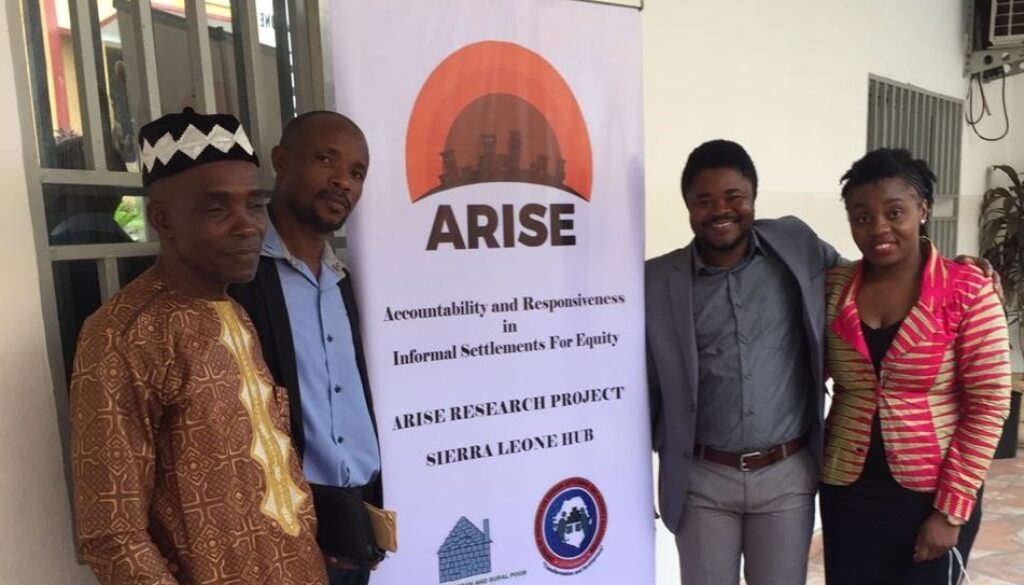
By Samuel Saidu and Abu Conteh
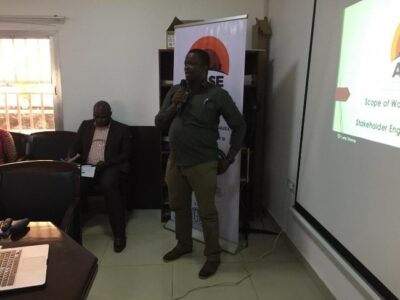 “Don’t remove them from the slum, remove the slum-ness from them…Informal settlement residents are used to their communities, which they relate with socially, culturally, economically, so it makes much sense to improve conditions around them rather than removing them.”
These were the words of Dr Brima Gogra of the School of Environmental Sciences, Njala University, at our launch earlier this month. He argued that it made more sense for government to provide communities with a safe environment that met their needs rather than evicting or relocating residents.
The stakeholders at the launch were broad-based, including health workers, chiefs, youth groups, women’s leaders and representatives from various government departments, including the Ministries of Health and Planning.
At the launch of the project, various speakers, including informal residents, community elders and advocates of settlement upgrading spoke about the need for government to integrate informal settlement upgrading needs into planning by providing water, health services and adequate drainage, and give up plans of relocating them.
We heard from Sister Elizabeth Musa of the Ministry of Health and Sanitation that better research was key to the development of the informal settlements, ‘‘Sierra Leone lacks informed data to make real time decision on the people living in an informal settlement, and today it has resulted into seasonal movement in and out of their dwelling houses and communities. It is scary to hear that a third of the people living in the cities live in slums.”
The chief from one of the informal coastal settlements (Pa. Alimamy S. Kargbo of Cockle Bay) in Freetown, passionately expressed how their community has been repeatedly neglected by political leaders in planning 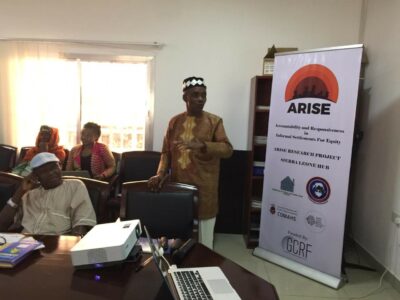 and service delivery, yet they often revert to them when they need political votes:
“We are all Sierra Leoneans but we in informal settlements are loved by season; we are the Cotton Tree, so we remain strong…Our settlements are regarded as illegal, but they don’t refer to us as illegal when they need political votes. We need development, we need change in our community.’’
A community representative from Dwarzark and a member of FEDURP, Margeret Bayoh, expressed similar frustration about the disdainful way informal residents often are treated by people in authority:
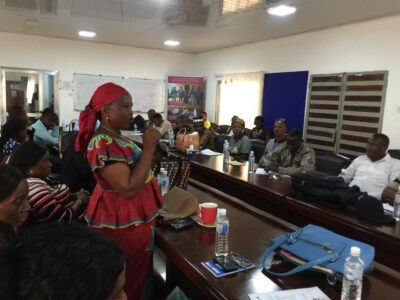 “You say we live in illegal settlements, but our taxes and services are never illegal; we cook, clean, baby sit and drive for the so-called ‘people living in formal settlements’.”
ARISE is working in three communities on accountability, governance, health and well being, there was a lot of support from all stakeholders to change the narrative around communities in informal settlements. Communities are already well organized, particularly in areas where the presence of central government is limited. They have established networks with government and institutions that can help them effect change, as expressed in some of their popular slogans:
- “We reason together, involve together, identify together and evaluate together”
- “Information is power”
- ‘‘We are busy for something”
There is a lot of tension in communities now with fear that slum dwellers may be relocated from their current settlements. In Sierra Leone, the risk of living in an informal settlement is increasing year by year since 2013, with intermittent flooding events, disease outbreaks, and one of the worst mudslides. Urbanization and poverty have made thousands of people leave their homes in the provinces in search of livelihoods in the cities, many of whom live in informal settlements due to lack of adequate housing. Yet, relocation of people living in informal settlements has proven controversial, primarily because of limited access to livelihood options and social services in relocated settlements. A case in point was the relocation of thousands of flood victims in 2015 to a settlement about 20 miles outside Freetown. Many of those who were moved returned to Freetown due to remoteness of the location and difficulty earning a living.
It is important to reflect on a few issues as ARISE becomes a reality in Sierra Leone. How do we hope to address the contrasting views of communities and policy stakeholders in addressing intractable health problems of vulnerable people? How do we get ARISE prepared to meet the urban development challenges and the aspirations of informal settlement dwellers? It is yet to be seen how our contributions will contribute to solving problems that seem so insurmountable.
Strategic Planning & Organizational Development in Sierra Leone


Collaboration for Reducing Risk in the Coastal Slums of Freetown


Organize
As of 2017, Sierra Leone’s Federation of Urban and Rural Poor (FEDURP) has organized 272 groups in 5 cities. Vulnerable coastal slums in Freetown are plagued by seasonal flooding and their designation as risk prone areas means the threat of eviction is ever present and the extension of basic services restricted. For communities whose livelihoods are heavily linked to their proximity to the ocean and whose incomes do not permit residence in formal areas of the city, this presents an acute challenge. Believing in the maxim “information is power,” the federation has organized communities to profile, enumerate, and map their settlements and engage government and other partners to explore solutions that promote environmentally conscious and equitable development – upgrading where possible and relocating where necessary based on comprehensive analysis. This year, the federation completed a Freetown citywide profiling report comprising 62 slum settlements as a contribution to this effort.
Collaborate
The complexity of the issues facing coastal slums should not be underestimated and collaboration with other federations facing the same challenges, as well as other organizations with expertise in these issues, is essential. In Sierra Leone, the federation has collaborated with the Sierra Leone Urban Research Center (SLURC), established as part of the Comic Relief-funded Freetown Urban Slum Initiative dubbed, “Pull Slum Pan Pipu”. SLURC brings together national and international research institutes and local stakeholders to enhance the well-being of informal settlement dwellers. The federation also works closely with Y-Care International, the local YMCA, and their support NGO Center for Dialogue on Human Settlements and Poverty Alleviation (CODOHSAPA) to organize youth and bring them into the profiling, enumeration, and local advocacy efforts of the federation.
Thrive
The federation is proud that many officials formerly in support of evicting coastal slum settlements are now engaging communities and other stakeholders in a search for alternatives. The collaborations as part of the Freetown Urban Slum Initiative have been critical to this shift. The partnerships have also served to increase understanding that the daily risks faced by informal settlement dwellers in these areas actually serve to entrench vulnerability to an even greater extent than episodic shocks. As such, there is an effort to collaborate on reducing such vulnerability as the longer-term alternative to forced eviction. This is an important first step on a long road to resilience for these highly vulnerable settlements.
The Sierra Leone slum dweller federation efforts contribute to improved city resilience by building the capabilities of actively engaged citizens and working as part of proactive multi-stakeholder collaboration to reduce exposure to fragility and achieve inclusive integrated planning.
This post is part of a series of case studies from our 2017 Annual Report titled ‘The Road to Resilience.’ Emerging from the field of ecology, ‘resilience’ describes the capacity of a system to maintain or recover from disruption or disturbance. Cities are also complex systems and a resilience framework addresses the inter- connectedness of formal and informal city futures. Moreover, it enables a nuanced reflection on the nature of shocks and chronic stressors – recognising that the latter are particularly acute in slum dweller communities and that this critically undermines the entire city’s economic, social, political, and environmental resilience.As with personal resilience, city resilience demands awareness, acknowledgment of reality, and a capacity to move beyond reactivity to responses that are proactive, thoughtful, and beneficial to the whole. The most enlightened individuals and cities will be those that understand their responsibility to the most vulnerable and to the planet. Our 2017 Annual Report showcases some of SDI’s achievements over the past year on the road to resilience. Click here for the full report.