Eyes in the Sky, Feet on the Ground: SDI Youth-Led Mapping in Sierra Leone
By Chinedu Azuara, Donald S.C. Sombie, Gassimu Musa, Mamie Ruth Kamara, Ngozi Blessing Azuara and Tenneh Conteh
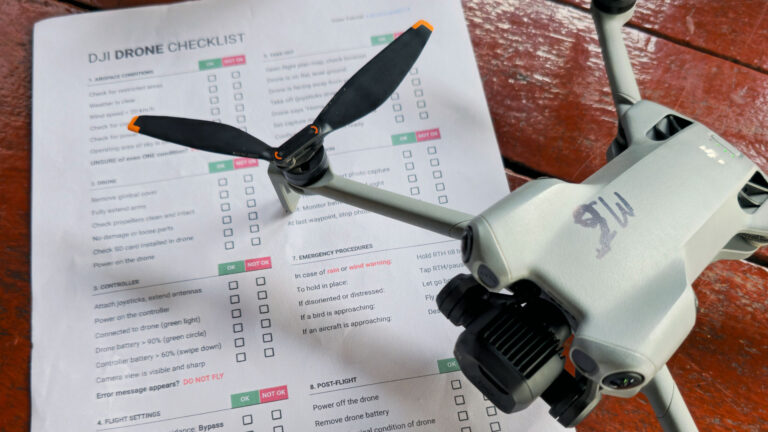
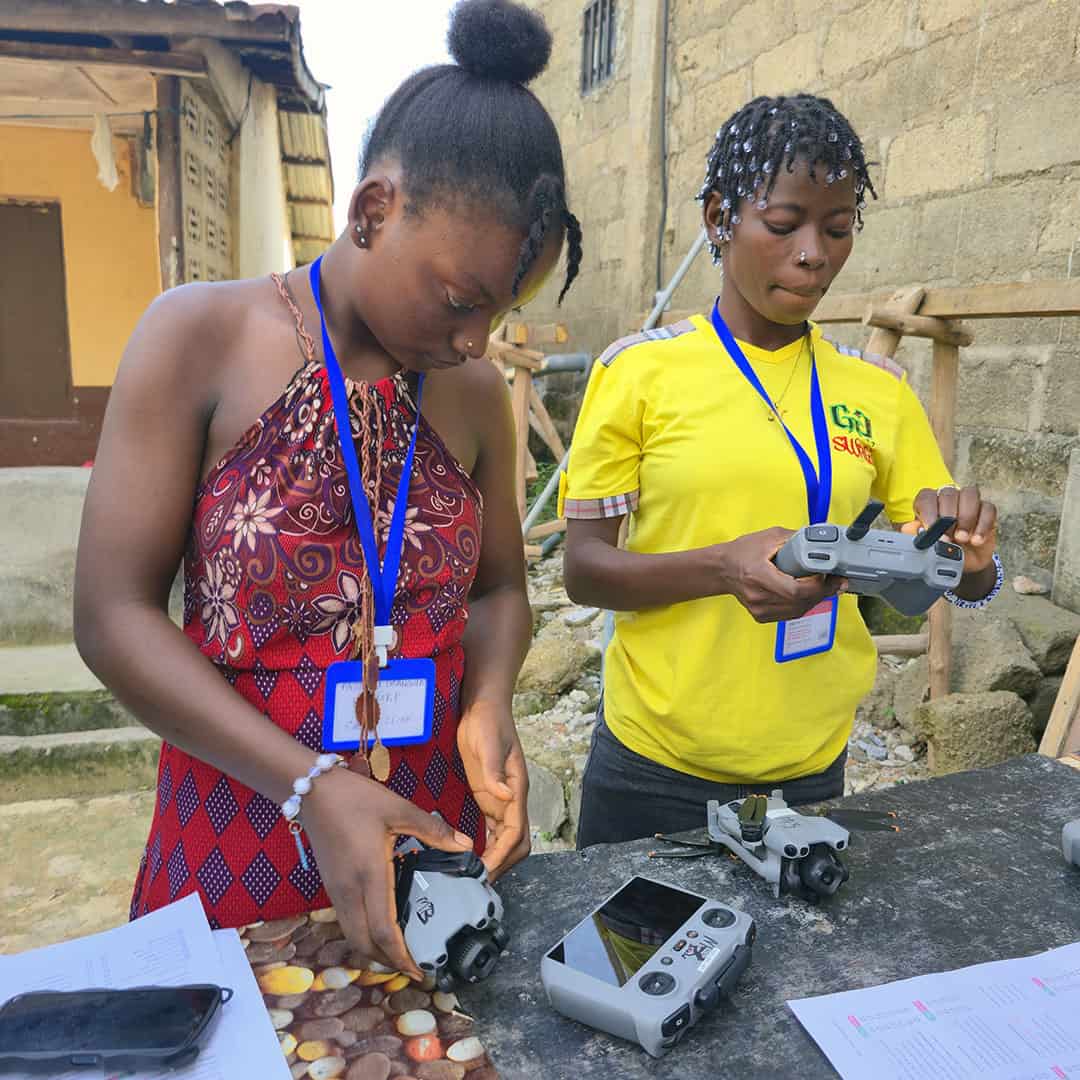
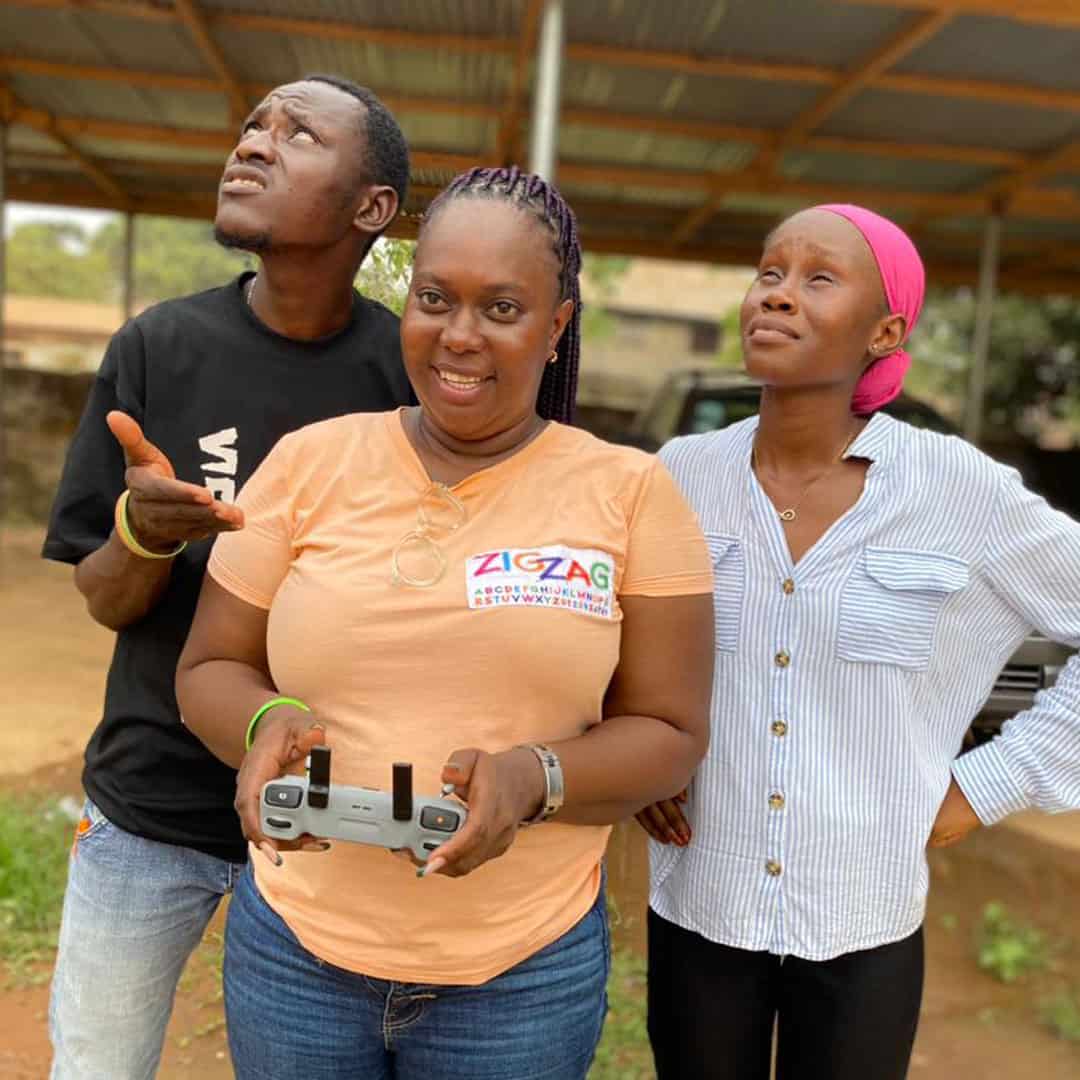
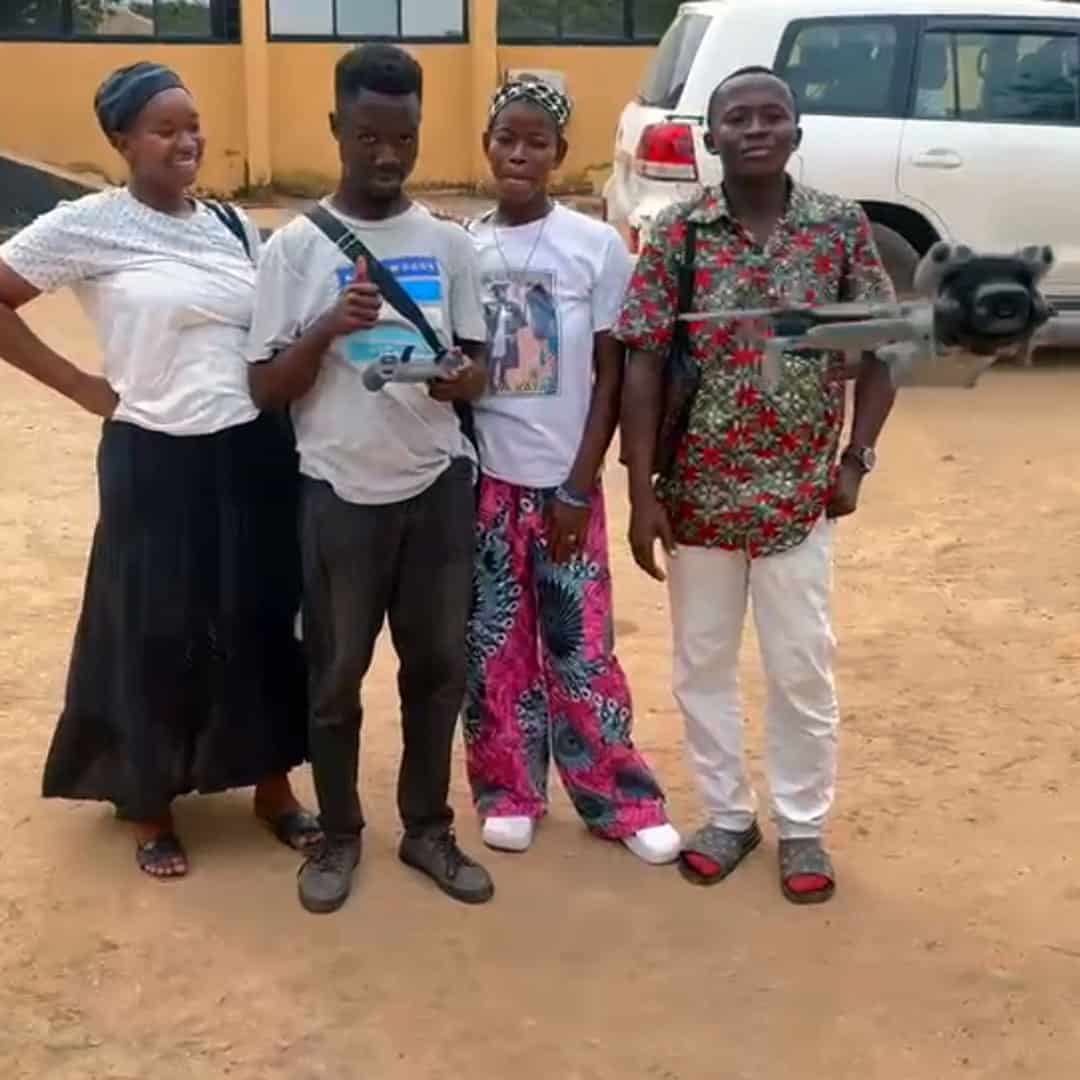
We are young SDI federation members from Bo Town in Sierra Leone who have been grounded intensively over the past six months on training programs under the SDI Impact Innovation Initiative. Among all the trainings we received, one worth highlighting is the drone training which was facilitated by the Centre of Dialogue on Human Settlement and Poverty Alleviation (CODOHSAPA).
From March to May 2026, we participated in drone training sessions together with our city council. At the beginning, we faced many challenges. Some were nervous about catching the drone when it was landing to prevent it from hitting the ground, while others struggled to control the drone using the remote controller.
However, through continuous practice, commitment and determination, we gradually overcame these difficulties and learned how to operate and fly drones successfully.
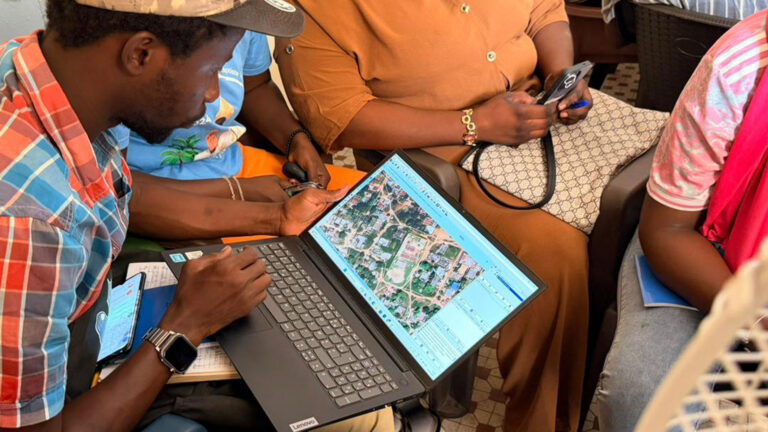
When we completed the training, we conducted drone mapping exercises in three different communities namely Torwama, Kortibuma and Simbaru. The purpose was to identify and document the number of houses and shops, their locations, the livelihoods of residents and the location of various services within the communities. Most importantly, the mapping helped us understand the challenges facing these communities, identify what they are lacking and determine their most pressing needs.
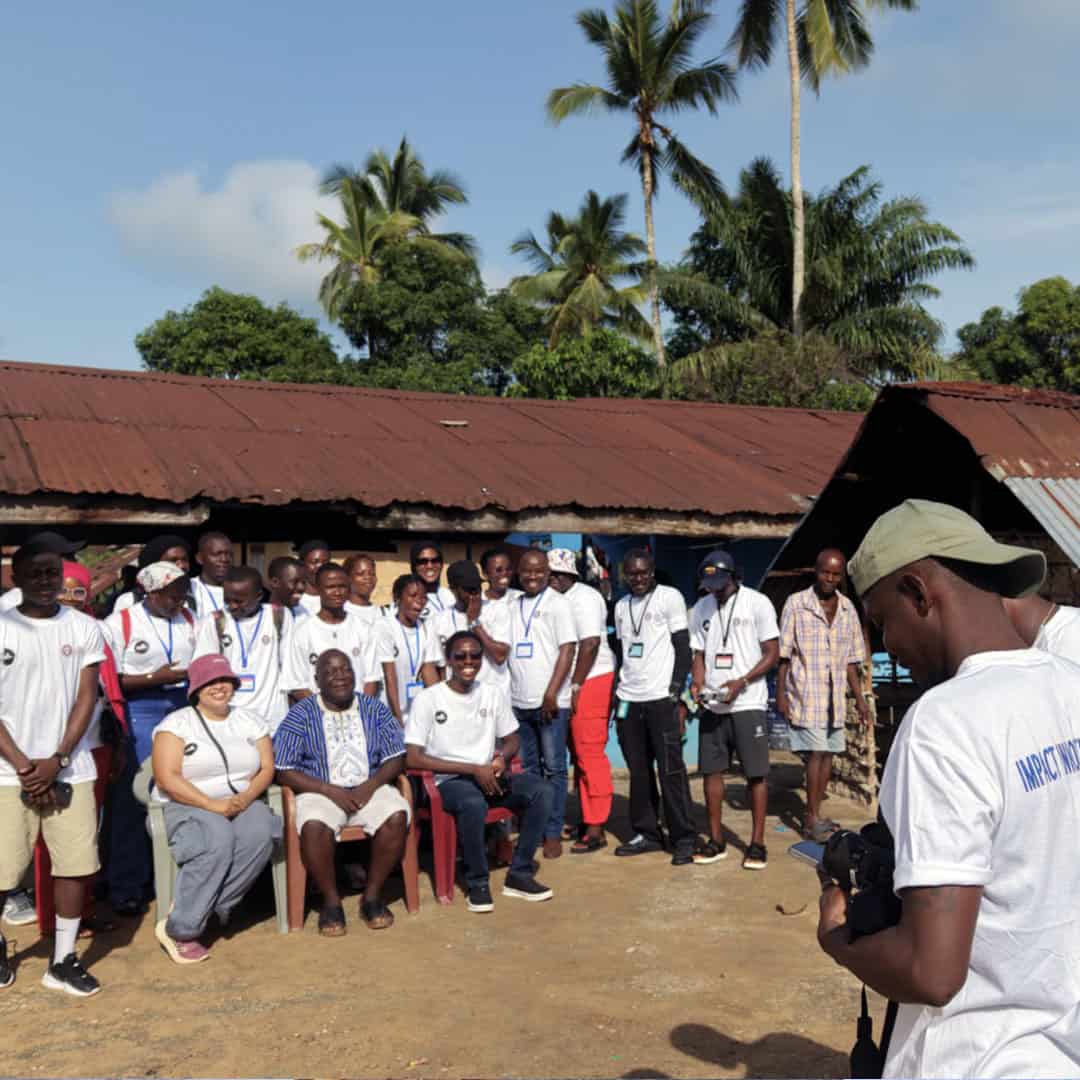
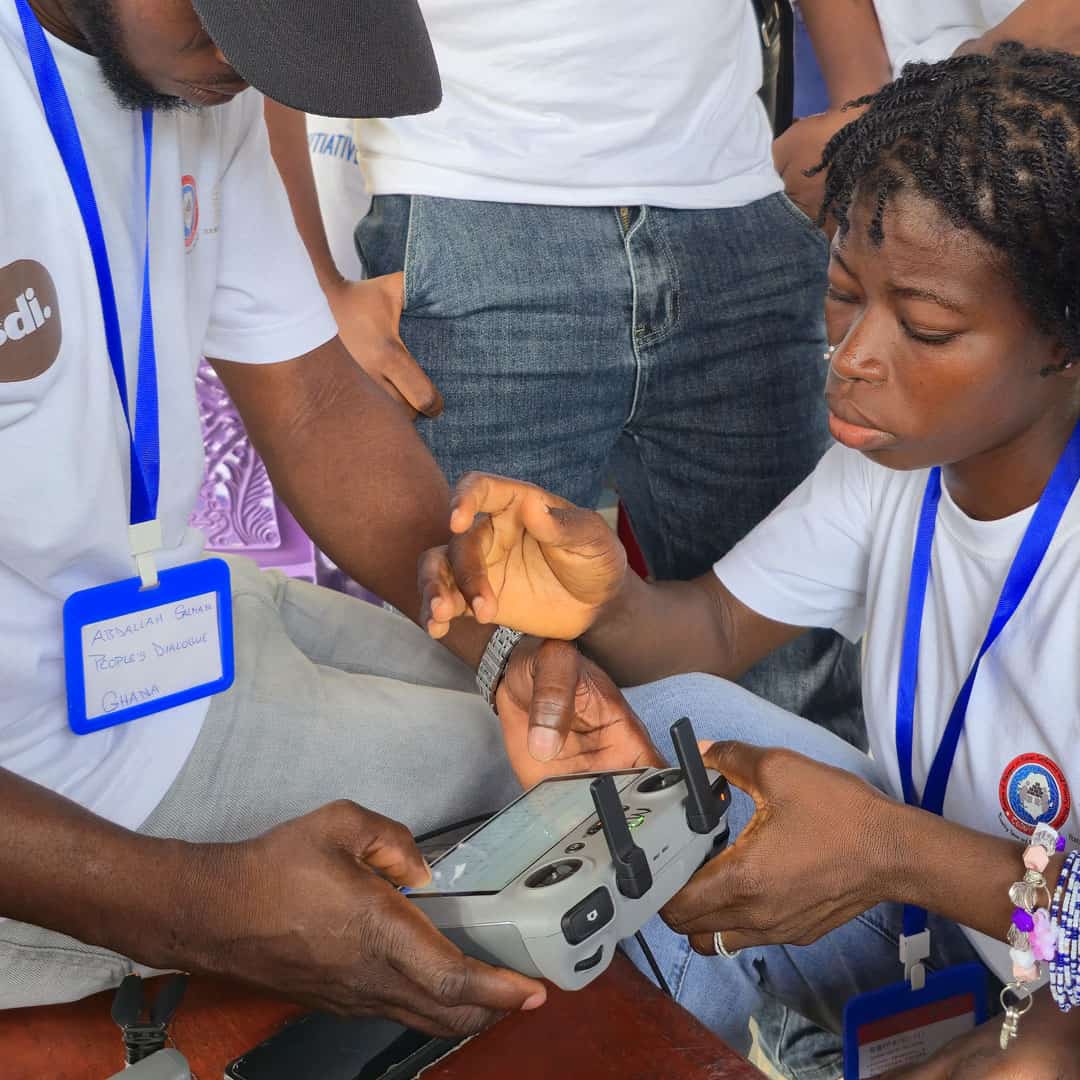
During our survey, we identified key strategic locations within the three communities, including schools, places of worship, livelihood centres and other important community facilities.
However, one major gap we discovered in these settlements was the absence of vocational institutions and training hubs.
As a result, there is an urgent need for youth-focused initiatives that provide skills training and income-generating opportunities to help young people build sustainable livelihoods.
Based on the data collected, we encourage the Government of Sierra Leone and development partners, including NGOs, to establish vocational training centres and youth learning hubs in these settlements. This will equip the youth with practical skills, improve their chances of securing employment or becoming self-employed and contribute to the overall development of their communities. Such interventions will also help reduce poverty, unemployment and crime while creating a brighter future for the youth.
Behind the collective achievements are individual journeys. Hear directly from some of the SDI youth who took part, sharing their experiences in their own words.
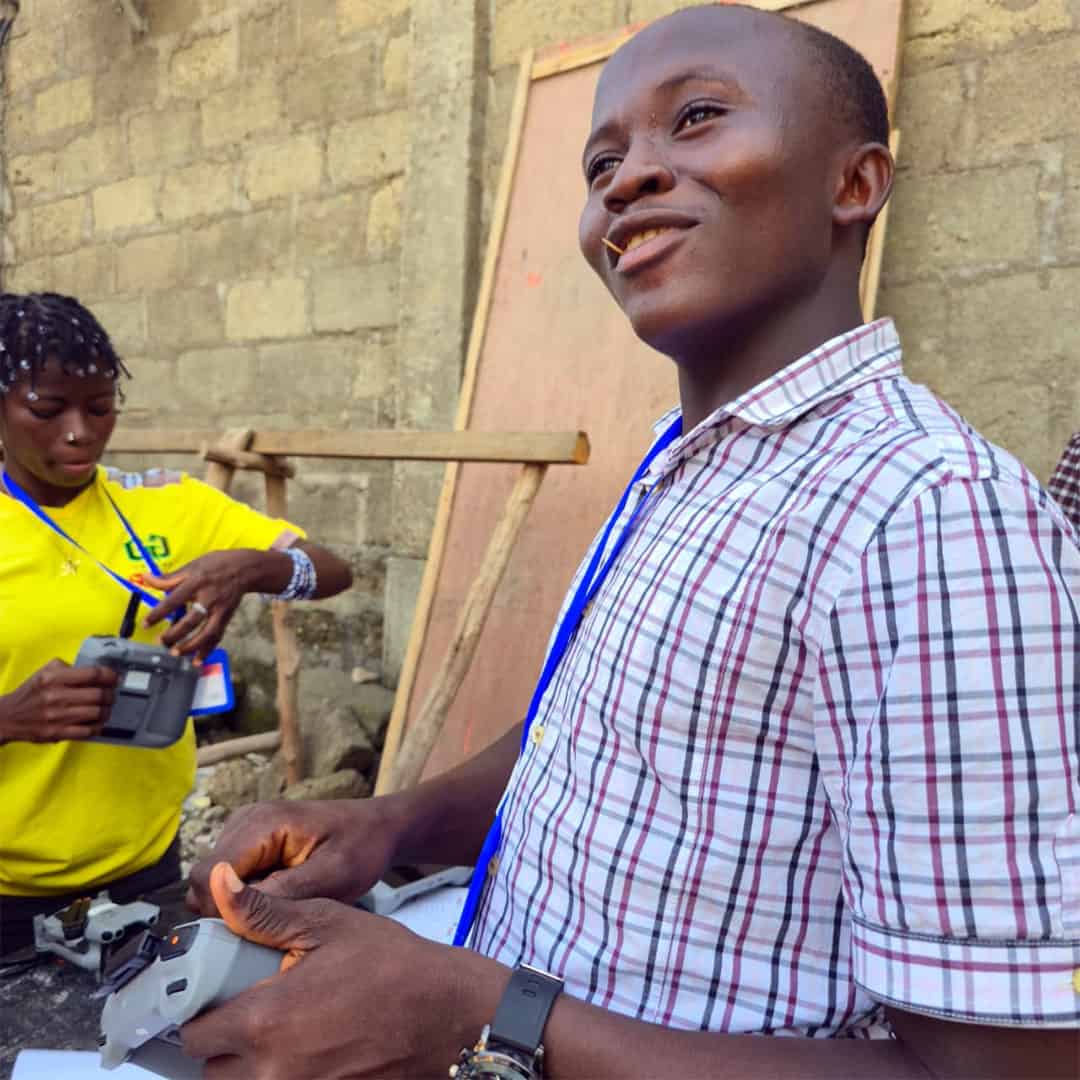
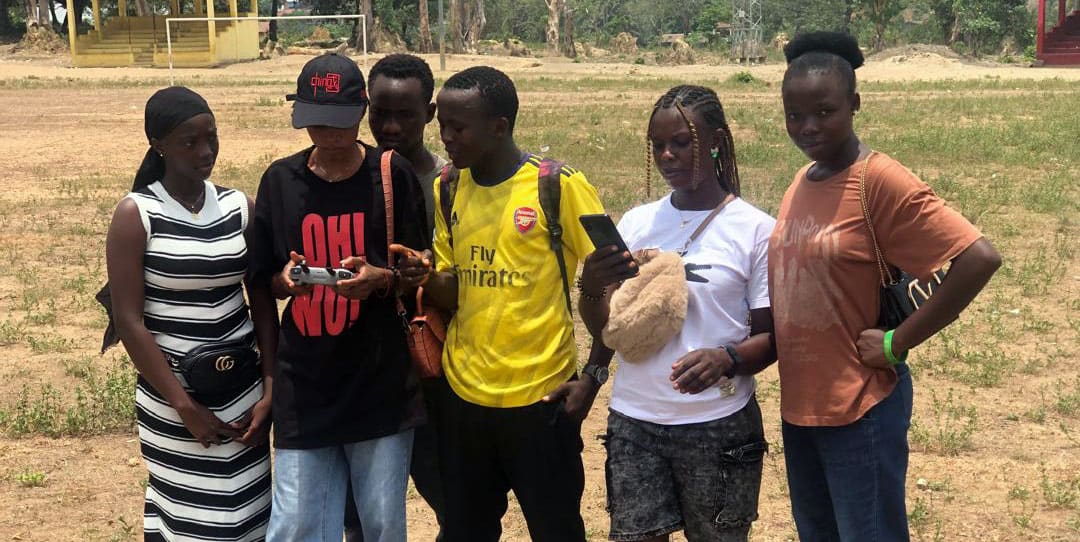
Gassimu Musa
I am Gassimu Musa from the Federation of Urban and Rural Poor (FEDURP). I am from the settlement of Mendewa in Bo Town in Sierra Leone. I am a member of the Gbotima Savings Group.
Regardless of their income or status, the women and men that form part of this group have the power to speak with one voice and bring about real change. Savings groups serve as building blocks for our settlement and community. In turn, this helps us to pool our resources and tackle issues that affect our entire community, going beyond just livelihoods.
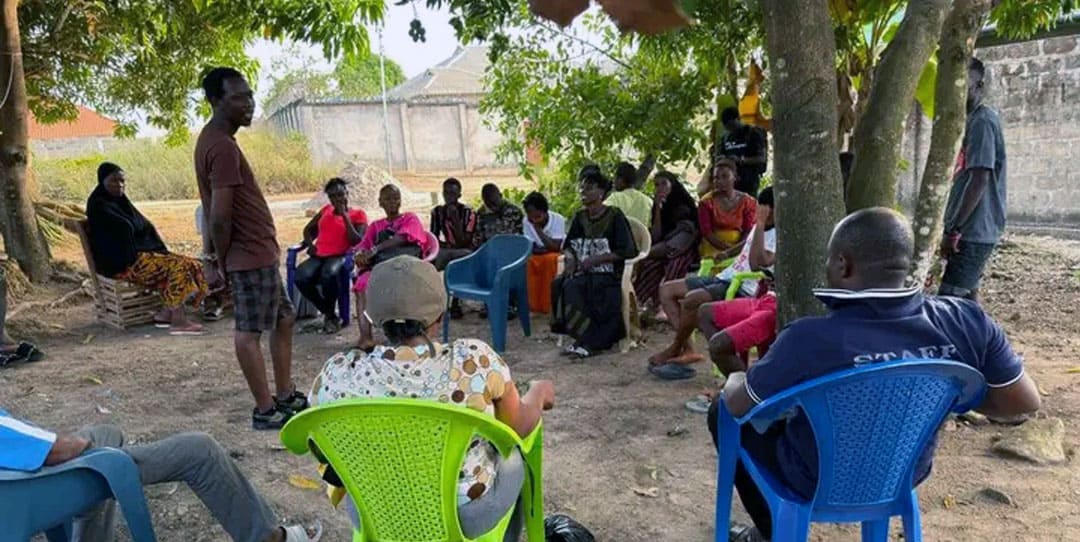
I am also participating in the SDI Impact Innovation Initiative project. Through this project, I learnt how to fly a drone to do settlement boundary mapping. I also facilitated focus group discussions with my community to help find solutions for our challenges.
Bo Town has a large and growing youth population, yet many young people struggle to get ahead. Unemployment is high, skills training is hard to access and poverty remains a daily reality. Many young people have ideas and want to contribute to their communities, but they lack the support, funding and opportunities to do so.
In my settlement, there is no training centre for youth. This is one of our biggest challenges. As part of this project, we will be building a skills and vocational centre in Bo Town where young people can learn practical skills, start small businesses and find work. I would like to see the youth from my community create their own opportunities and play an active role in building a better Bo Town.

Tenneh Conteh
My name is Tenneh Conteh, a resident of Torwama and a member of the Oneness Savings Group.
What excites me most about Slum Dwellers International (SDI) is seeing how people living in informal settlements come together to create solutions for their own communities. I am inspired by the way SDI mobilises local residents, especially women and youth, to lead change through savings groups, community mapping and collective action.
It is exciting to see communities gain a stronger voice and work with governments on housing, sanitation and other essential services. The idea that people can transform their own neighbourhoods through unity, leadership and shared learning gives me hope and motivation.
Ngozi Blessing Azuara
I am Ngozi Blessing Azuara, a member of the Federation of Urban and Rural Poor (FEDURP) in Gborbu Community, Sierra Leone, and a proud member of the One Hope Savings Group.
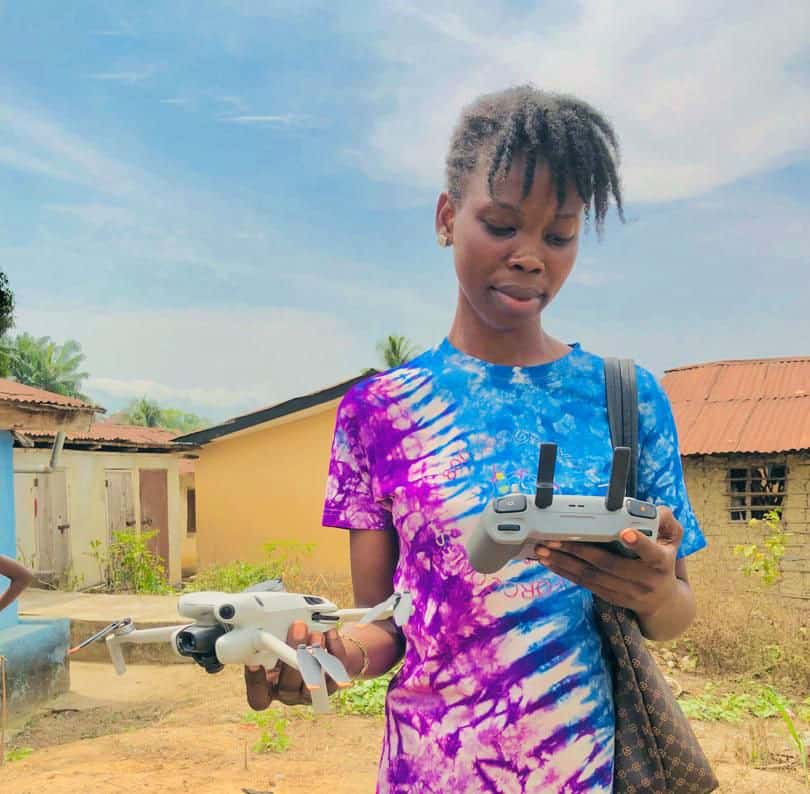
Being part of the SDI Impact Innovation Initiative has been a life-changing experience for me. One of the most exciting parts of the programme was the drone training. Before this training, I had never seen a drone being flown up close, let alone operated one myself. Learning how to fly a drone and understanding how it can be used for community development opened my eyes to new possibilities.
Through this training, I gained practical knowledge in drone flying and community mapping. I learned how drones can help capture accurate information about our settlements, identify social amenities, map community boundaries and collect data that can support planning and development. This knowledge has given me a new way of looking at the challenges and opportunities within my community.
In Gborbu Community, many residents face economic challenges and have limited financial resources.
Despite this, members of our One Hope Savings Group remain committed to saving regularly and supporting one another. With the little money they have, they continue to invest in a shared vision of improving our community and creating opportunities for future generations.
Their dedication shows that meaningful change does not always begin with wealth, it begins with unity, commitment and hope.
The drone training has equipped me with skills that I can use to support my community. Through mapping and data collection, I can help identify areas where services are lacking, document community needs and provide evidence that can strengthen our advocacy efforts. This information can be used to engage stakeholders, government institutions, and development partners in addressing challenges affecting our community.
For me, this training was more than just learning to fly a drone. It was about gaining a tool that can help amplify the voice of my community. I am grateful for this opportunity and excited to use the knowledge and skills I have gained to contribute to positive change, support community development and help build a better future for the people in our settlements.
Mamie Ruth Kamara
My name is Mamie Ruth Kamara, a resident of Kortibuma Section in Bo Town, Sierra Leone and a member of the Federation of Urban and Rural Poor (FEDURP).
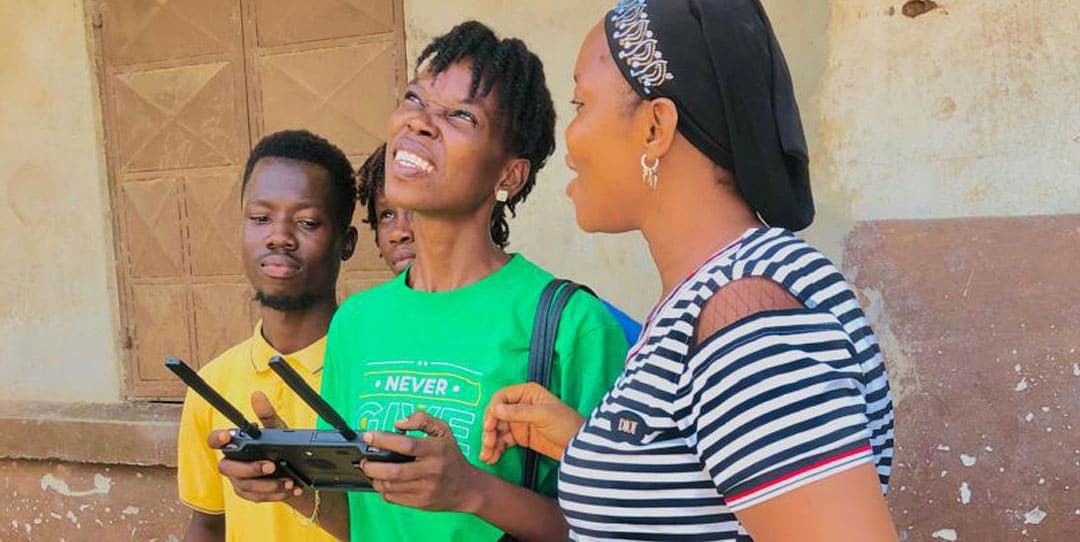
Over the past six months, we have undergone several trainings under the SDI Impact Innovation Initiative. Some of these trainings included drone training, service mapping, boundary mapping and community engagement.
Among all of them, I would especially like to talk about drone flying, which was the most interesting part for me. Before the training, I did not know how to fly a drone, but after the training sessions, I can now fly one confidently. The mapping helps me get accurate data about my community like the number of houses, schools, water points, services, marketplaces, hospitals, churches, toilets and hazardous points.
The training also helped me acquire skills that I never had before such as communication and facilitation skills. I am willing and eager to continue learning more.
I believe that all youth must be the change they want to see in their communities. We must not just be beneficiaries of projects, but we should be the change.

Chinedu Azuara
My name is Chinedu Azuara from Federation of Urban and Rural Poor (FEDURP) in Sierra Leone. During the Impact Innovation Initiative, I had the opportunity to participate in drone flying and community mapping training.
It was an eye-opening experience that showed me how technology can be used to better understand our communities and support development.
This experience has inspired me to think differently about the challenges facing our communities. As young people, we need more opportunities to learn innovative skills that can help us create lasting impact.
I encourage NGOs, development partners and institutions to invest in youth training. When young people are supported with knowledge and skills, they become part of the solution.
Donald S.C. Sombie
My name is Donald S.C. Sombie, a resident of Bo in Sierra Leone and a proud member of Federation of Urban and Rural Poor (FEDURP).
Thanks to this training, we are now able to apply our knowledge and skills to earn a living. We also encourage other young people who have recently joined or are just receiving this opportunity to take the training seriously and make the most of it.
At the same time, we appeal to the government and other stakeholders across the country to consider engaging us in drone mapping and related activities, as we are now equipped with the necessary skills and knowledge to operate drones.
Ziguinchor: When young people map their own neighbourhood
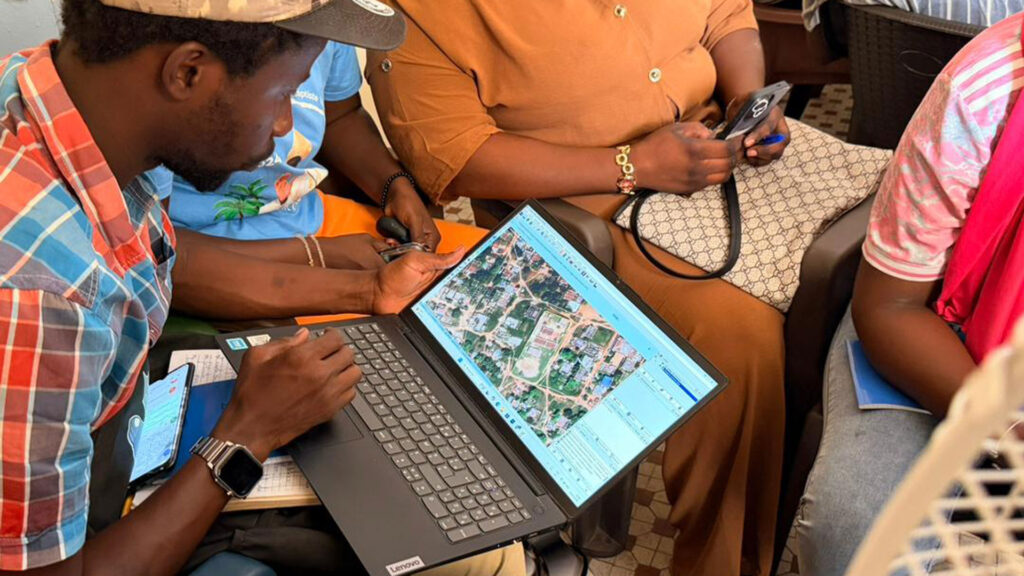


In Ziguinchor, in the neighbourhoods of Tilène, Kandialang Ouest, Néma 2, Kande Alassane, Cobitène, and Lyndiane 2, young people decided to stop waiting for others to change their living environment for them.
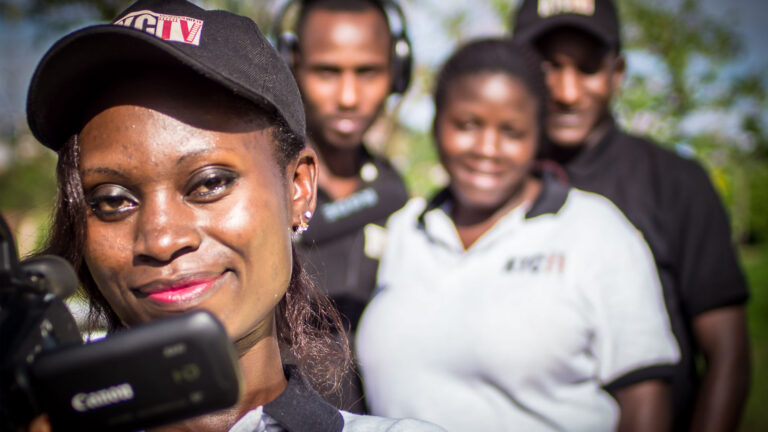
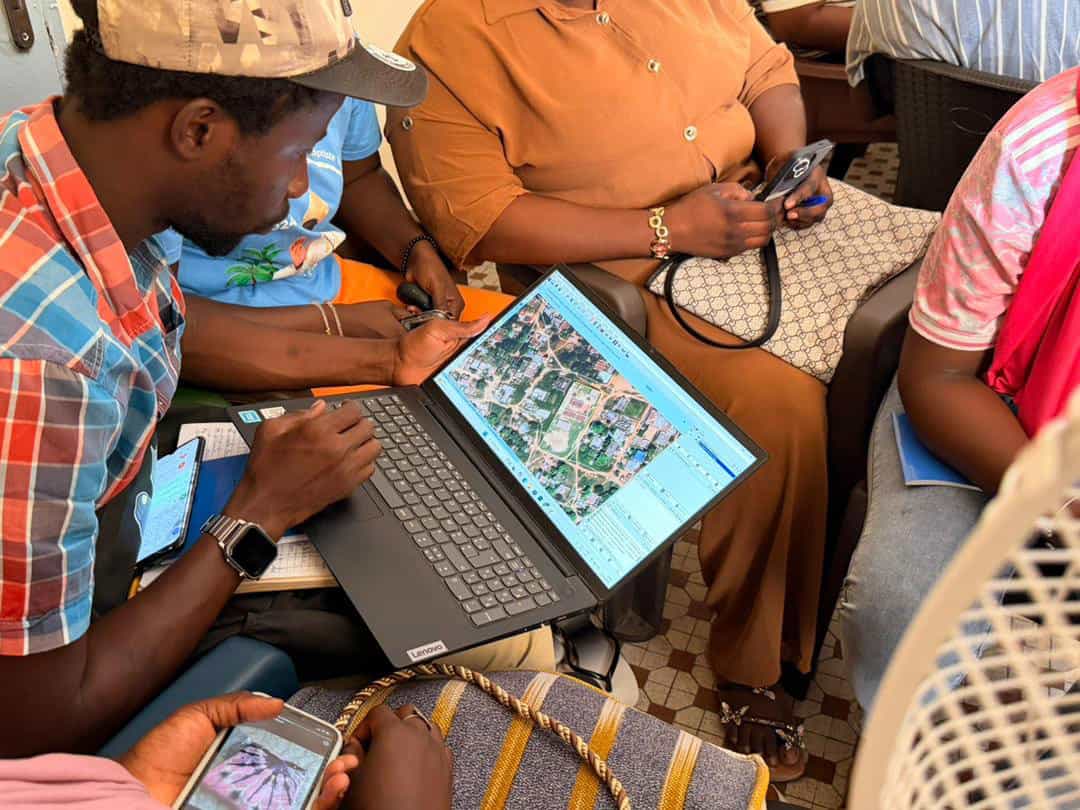
From October 2025 to June 2026, through the project “Transforming Vulnerable Neighbourhoods through Data, Youth Entrepreneurship, and Social Innovation,” led by urbaSEN and the Fédération Sénégalaise des Habitants (FSH), they learned to film, map, collect, manage and share data. And after the weeks of training came the most demanding part: going into the field.
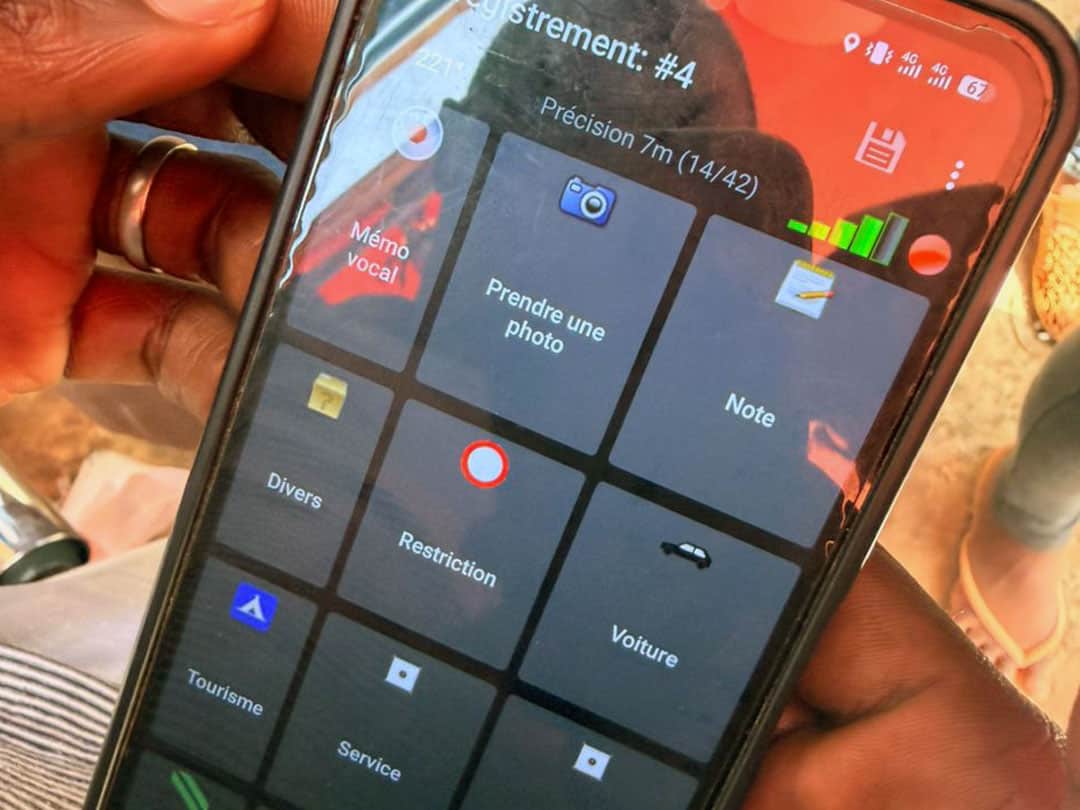
The data was collected door-to-door, using the Know Your City methodology, with KoboToolbox and ODK in hand. But behind this somewhat dry word “data,” there is a precise and concrete portrait of six neighbourhoods which official maps most often left in the dark.
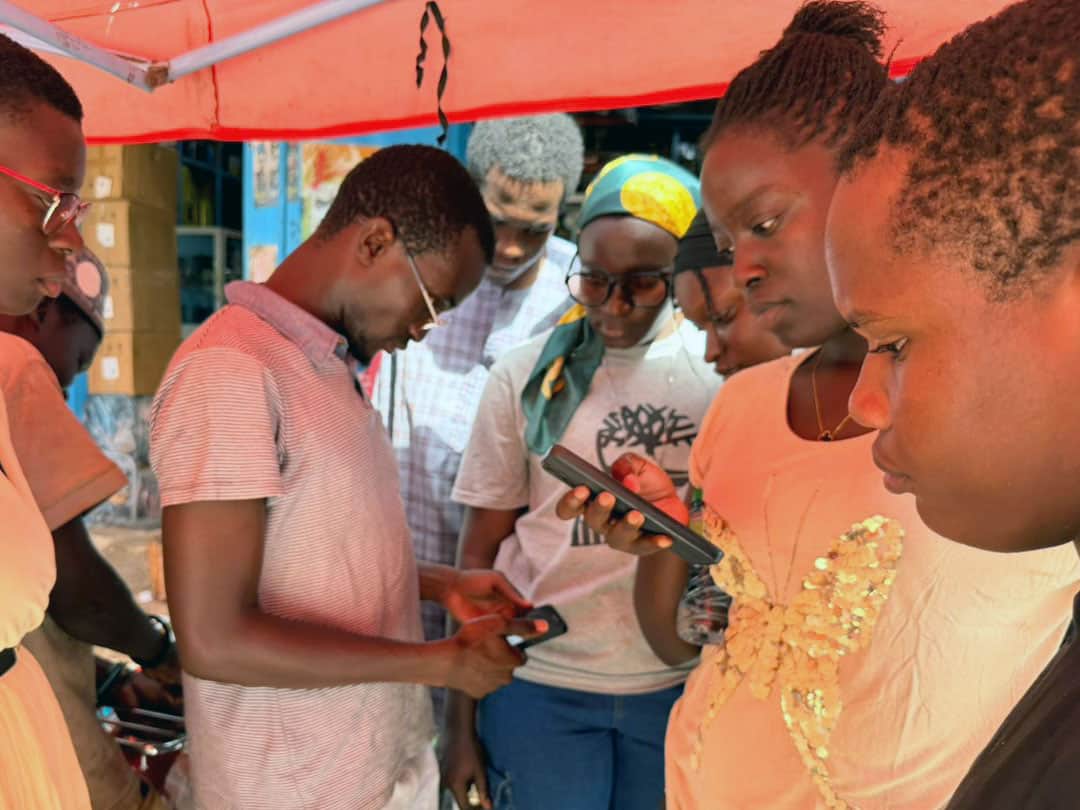
From October 2025 to June 2026, through the project “Transforming Vulnerable Neighbourhoods through Data, Youth Entrepreneurship, and Social Innovation,” led by urbaSEN and the Fédération Sénégalaise des Habitants (FSH), they learned to film, map, collect, manage and share data. And after the weeks of training came the most demanding part: going into the field.
The data was collected door-to-door, using the Know Your City methodology, with KoboToolbox and ODK in hand. But behind this somewhat dry word “data,” there is a precise and concrete portrait of six neighbourhoods which official maps most often left in the dark.
The young people began by cataloguing the infrastructure that structures daily life: schools, health centres, places of worship, markets and water points. For each facility, they noted its exact GPS location, the condition of the building, the level of use, and, most importantly, what was lacking. A map showing where there is no school or health centre is sometimes more useful than a map showing where they exist.
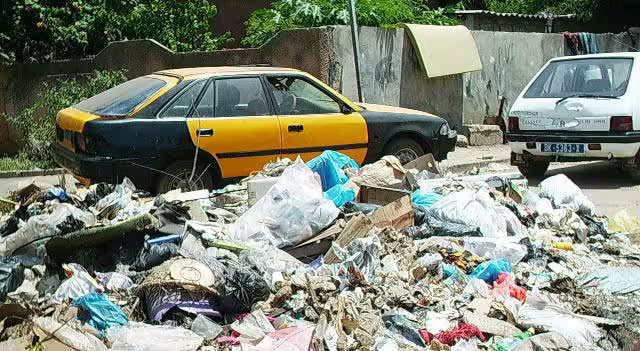
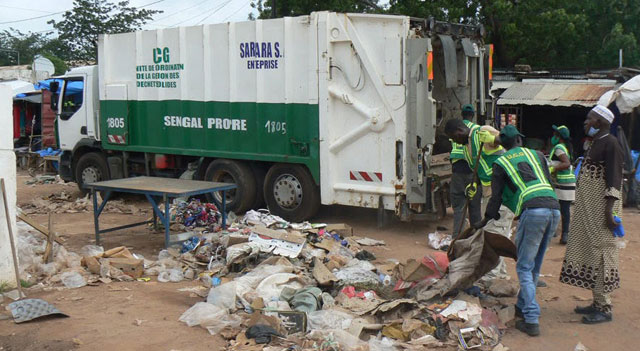
They then turned their attention to the roads. Which streets are paved, which become impassable with the first rain, and which don’t even have names? In neighbourhoods where an ambulance or fire truck can get stuck due to lack of access, mapping the roads is far from an abstract exercise: it’s about documenting who can be rescued and who cannot.
The infrastructure component completed this picture: street lighting, drinking fountains, community furniture and shared spaces. Here again, the survey helped distinguish what exists, what works and what has fallen into disrepair: three realities that are too often confused.
The issue of waste was a major focus, because it’s immediately apparent when walking through the neighbourhood. The young people located illegal dumpsites, followed informal collection routes and identified areas where garbage accumulates due to a lack of collection points. This data transforms a nuisance into a problem that can be solved and evidence to negotiate with the municipality for improved technical services.
Finally, sanitation: wastewater disposal, stormwater management, the condition of pipes and flood zones. This is undoubtedly the most sensitive issue, because it intersects with public health, housing and climate risk. By documenting where water stagnates and drains poorly, the young people have created a concrete basis for considering how to adapt their neighbourhoods.
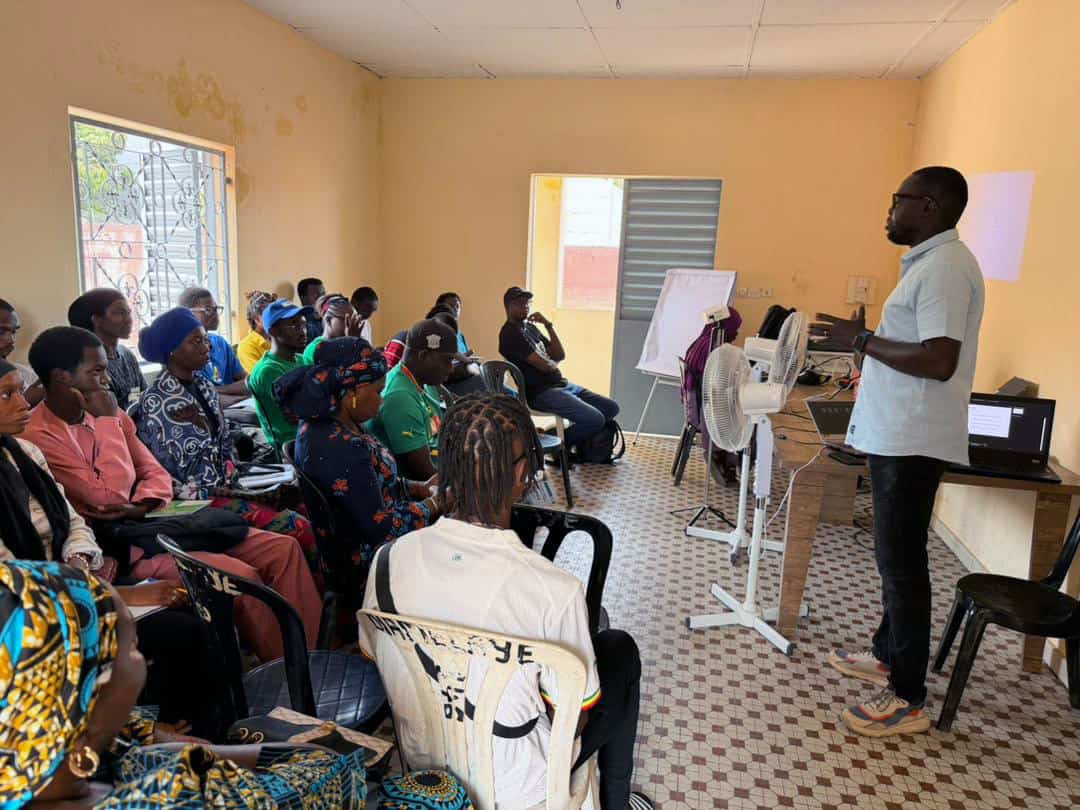
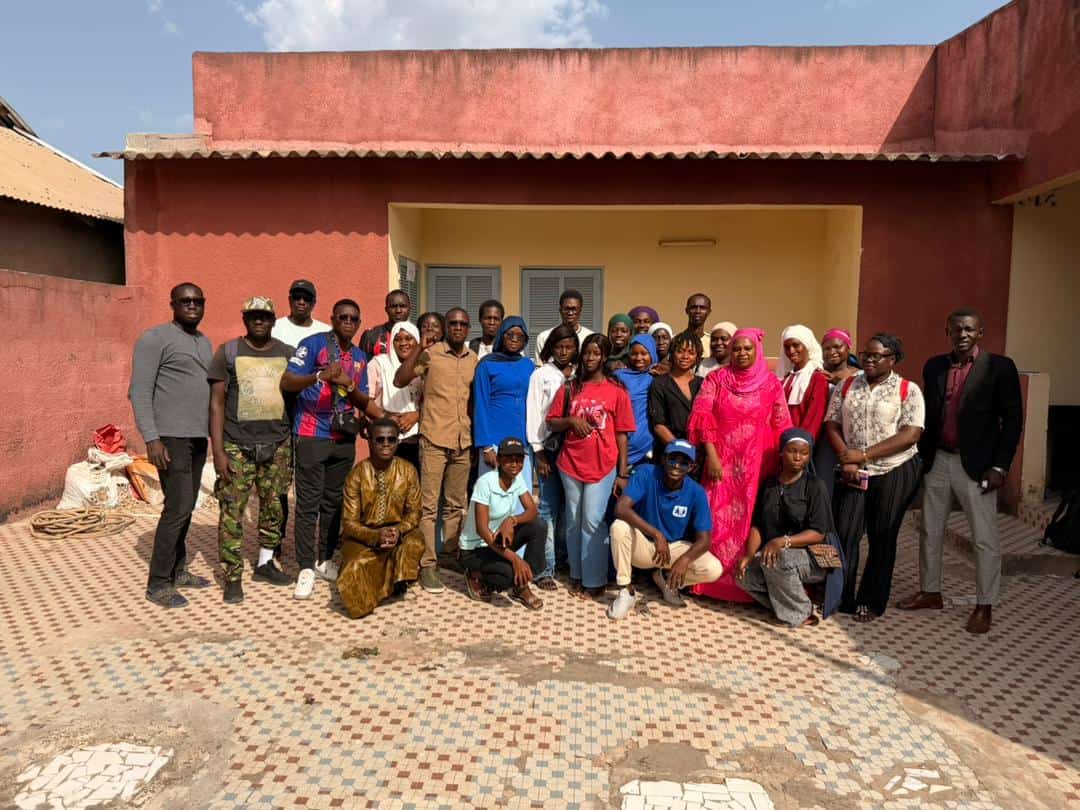
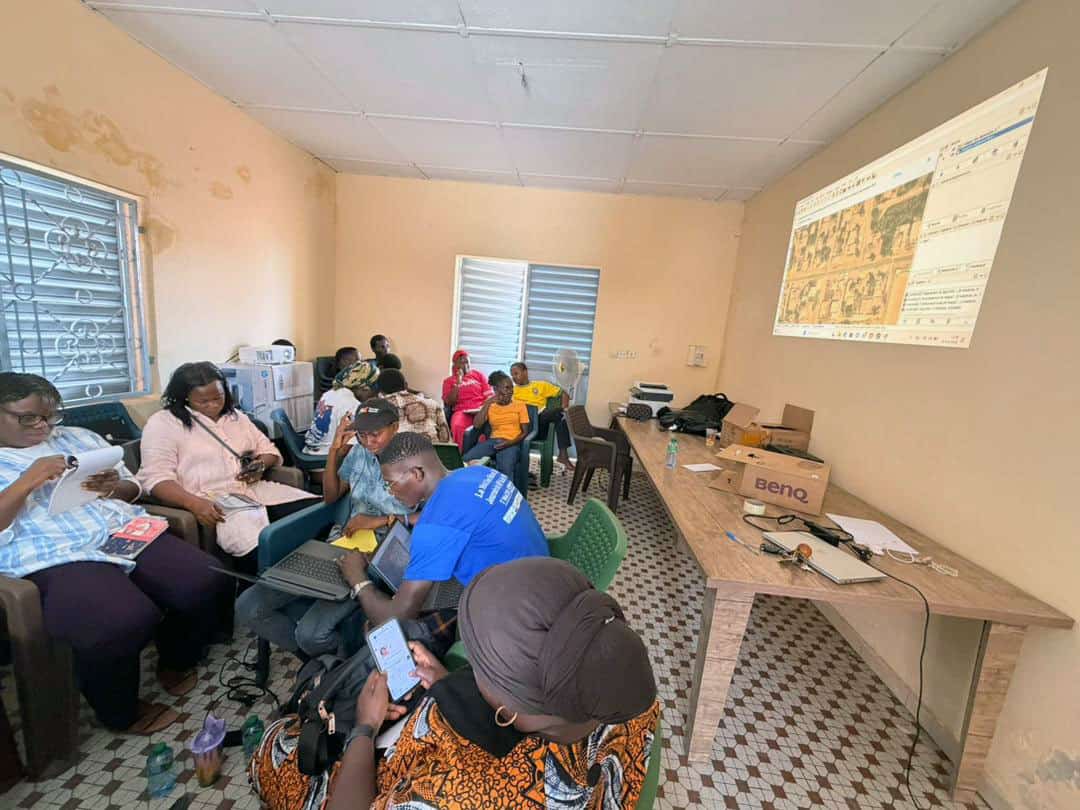
With participatory mapping on OpenStreetMap, all this information has come out of the invisible: areas previously absent from maps now exist, with their streets, their facilities and their deficiencies.
To conclude this first year, a peer-to-peer exchange hosted by Centre of Dialogue on Human Settlement and Poverty Alleviation (CODOHSAPA) and the Federation of the Urban and Rural Poor (FEDURP) was held in Bo, Sierra Leone, from June 15 to 19, 2026, bringing together SDI youth from Ghana, Sierra Leone and Senegal for mutual learning.
Filming, mapping, collecting, managing, sharing: at each stage, young people hold the tools. In Ziguinchor, data is no longer the domain of outside experts. It has become a lever for taking action, challenging local authorities, and sustainably transforming neighbourhoods based on what their own residents have seen, measured, and told.
Ziguinchor : quand les jeunes cartographient leur propre quartier
À Ziguinchor, dans les quartiers de Tilène, Kandialang Ouest, Néma 2, Kande Alassane, Cobitène et Lyndiane 2, des jeunes ont décidé de ne plus attendre que d’autres décrivent leur cadre de vie à leur place. D’octobre 2025 à juin 2026, à travers le projet « Transformation des quartiers vulnérables par les données, l’entrepreneuriat des jeunes et l’innovation sociale », porté par urbaSEN et la Fédération Sénégalaise des Habitants (FSH), ils ont appris à filmer, à cartographier, à collecter, à gérer et à partager. Et après les semaines de formation est venu le moment le plus exigeant : descendre sur le terrain.
La collecte s’est faite porte à porte, selon la méthodologie Know Your City, avec KoboToolbox et ODK dans les mains. Mais derrière ce mot un peu sec de « données », il y a en réalité le portrait précis et concret de six quartiers que les cartes officielles laissaient le plus souvent dans le flou.
Les jeunes ont d’abord recensé les infrastructures qui structurent la vie quotidienne : écoles, postes de santé, lieux de culte, marchés, points d’eau. Pour chaque équipement, ils ont noté la position exacte au GPS, l’état du bâti, le niveau de fréquentation, et surtout ce qui manquait. Une carte qui montre où il n’y a pas d’école ou pas de poste de santé est parfois plus utile qu’une carte qui montre où ils existent.
Ils se sont ensuite penchés sur la voirie. Quelles rues sont bitumées, lesquelles deviennent impraticables à la première pluie, lesquelles ne portent même pas de nom ? Dans des quartiers où une ambulance ou un camion de pompiers peut rester bloqué faute d’accès, cartographier la voirie n’a rien d’un exercice abstrait : c’est documenter qui peut être secouru et qui ne le peut pas.
Le volet équipements a complété ce tableau : éclairage public, bornes-fontaines, mobilier collectif, espaces communautaires. Là encore, l’enquête a permis de distinguer ce qui existe, ce qui fonctionne, et ce qui est tombé à l’abandon : trois réalités que l’on confond trop souvent.
La question des déchets a occupé une place importante, parce qu’elle saute aux yeux dès qu’on marche dans le quartier. Les jeunes ont localisé les dépôts sauvages, suivi les circuits informels de ramassage, repéré les zones où les ordures s’accumulent faute de point de collecte. Cette donnée transforme une nuisance subie en problème lisible, donc négociable avec la commune et les services techniques.
Enfin, l’assainissement : évacuation des eaux usées, gestion des eaux de pluie, état des canalisations, zones inondables. C’est sans doute le sujet le plus sensible, parce qu’il croise la santé publique, l’habitat et le risque climatique. En documentant où l’eau stagne et où elle s’écoule mal, les jeunes ont produit une base concrète pour penser l’adaptation de leurs quartiers.
Avec la cartographie participative sur OpenStreetMap, toutes ces informations sont sorties de l’invisible : des zones jusqu’ici absentes des cartes existent désormais, avec leurs rues, leurs équipements et leurs manques.
Pour clôturer cette première année, un échange entre pairs organisé par le Centre pour le dialogue sur l’habitat humain et la lutte contre la pauvreté (CODOHSAPA) et la Fédération des pauvres des zones urbaines et rurales (FEDURP) s’est tenu à Bo, en Sierra Leone, du 15 au 19 juin 2026, réunissant des jeunes du programme SDI venus du Ghana, de la Sierra Leone et du Sénégal dans un esprit d’apprentissage mutuel.
Filmer, cartographier, collecter, gérer, partager : à chaque étape, ce sont les jeunes qui tiennent les outils. À Ziguinchor, la donnée n’est plus une affaire d’experts venus de l’extérieur. Elle devient un levier pour entreprendre, interpeller les autorités locales et transformer durablement les quartiers à partir de ce que leurs propres habitants ont vu, mesuré et raconté.
Funding the Frontline
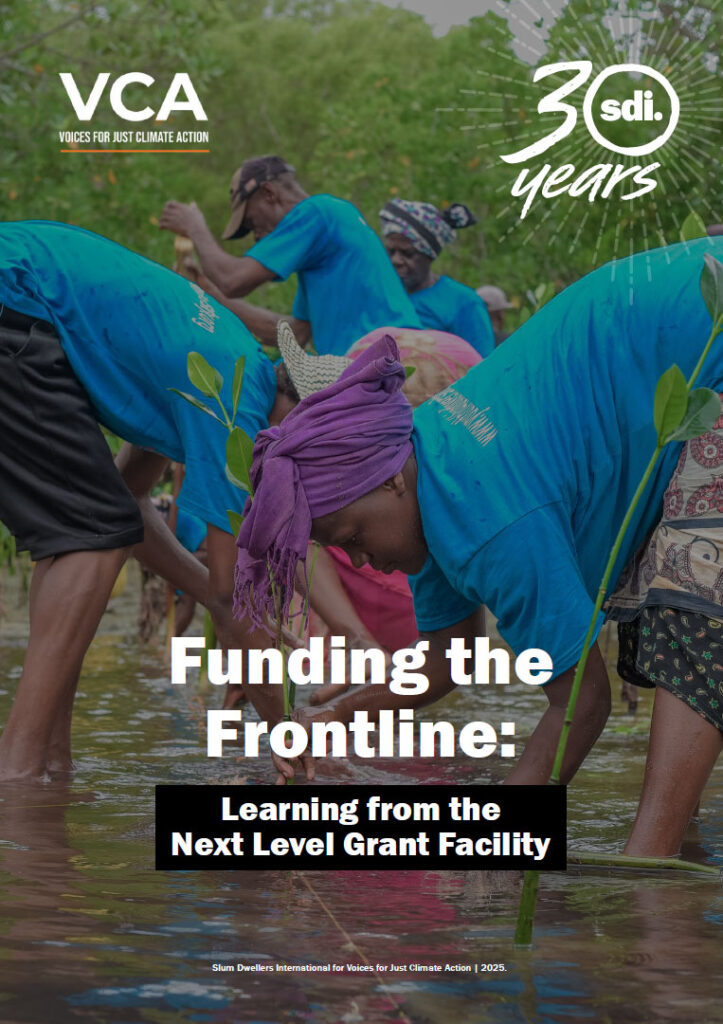
The recently published Funding the Frontline: Learning from the Next Level Grant Facility Learning Report conducts a deep, strategic synthesis of Slum Dwellers International’s (SDI) implementation of the Next Level Grant Facility (NLGF) within the Voices for Just Climate Action (VCA) programme.
The NLGF is a grant mechanism providing small, flexible resources to community networks, youth groups, and women’s organisations to support locally driven climate resilience. The Urban Poor Funds (UPFs) are SDI’s long-standing community-managed financial structures, built through collective savings and governance, which enable communities to finance their own priorities. The findings indicate that SDI’s grassroots organising model, combining UPFs and federated political leverage, offers a resilient and locally grounded approach to climate resilience that can complement or strengthen traditional grant mechanisms.
The experience shows how the two instruments influenced and reinforced one another: UPFs provided a trusted foundation for mobilising resources, while the NLGF introduced flexibility and experimentation that strengthened community systems. The NLGF experience serves as a powerful proof point, asserting that community agency is not a mere beneficiary of funding, but the optimal delivery vehicle that external financial mechanisms must align with, not impede. This necessitates a fundamental re-architecture of procurement, reporting, and timeline standards to match the localised rhythm and reality of informal settlements.


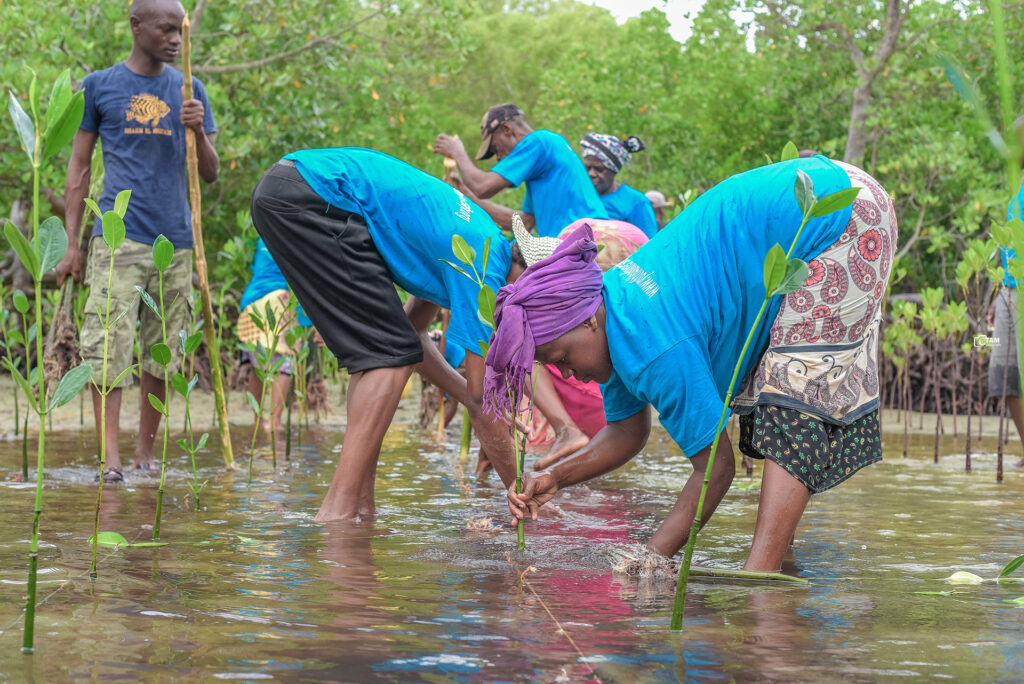
Installation of bee hives as part of sustainable beekeeping, sunflower farming, and planting of fruit and indigenous trees to combat drought, food insecurity, and climate change in Kenya
Key Learnings
Several important learnings emerge from the NLGF experience that are relevant for future climate finance interventions and community-led resilience work, and these are:
Communities demonstrated strong capacity to diagnose local climate stresses, using lived experience, local data, and simple evidence tools to link shocks such as drought, flooding, or heat to actionable solutions. Groups with more experience showed better alignment between their analysis and budgets, while newer groups required additional guidance to refine logic and costing.
Fund managers played a crucial role as intermediaries between community groups and formal funding mechanisms. They absorbed the bulk of formal reporting, documentation, and data collection, while also carrying the responsibility of capacitating groups to manage budgets, plan effectively, and meet basic reporting standards. Through consistent communication, structured feedback, and early identification of challenges, fund managers strengthened project designs and assisted groups gain confidence in navigating formal funding processes. This experience demonstrates that fund managers are an essential pillar of locally led financing systems, and their role must be recognised, resourced, and supported in future funding models to maintain both effectiveness and legitimacy.
Implementation progressed despite procurement delays, weather disruptions, and uneven partner responsiveness. Groups with clear internal organisation, defined roles, and task leadership adapted quickly and maintained momentum. Accessible monitoring practices, such as photos, site visits, WhatsApp reporting, and peer validation, enabled rapid course corrections where needed.
Stakeholder engagement proved decisive. Groups with established relationships with chiefs, councillors, or municipal authorities experienced smoother project progression and sometimes attracted additional support. In contrast, newer or less recognised groups highlighted the ongoing need to build legitimacy and establish effective local partnerships.
Internal capacity shaped outcomes. Groups familiar with SDI processes navigated planning, documentation, and small-budget management more effectively, while newer groups benefited from sustained coaching, templates, and regular check-ins rather than one-off training sessions.
The interaction between UPFs and the NLGF revealed both synergies and tensions. UPF practices, savings discipline, collective decision-making, and financial accountability provided a strong foundation for managing grant resources. At the same time, the NLGF introduced dynamics that occasionally disrupted established norms of contribution and entitlement, highlighting the importance of aligning new funding mechanisms with local financial cultures and expectations.
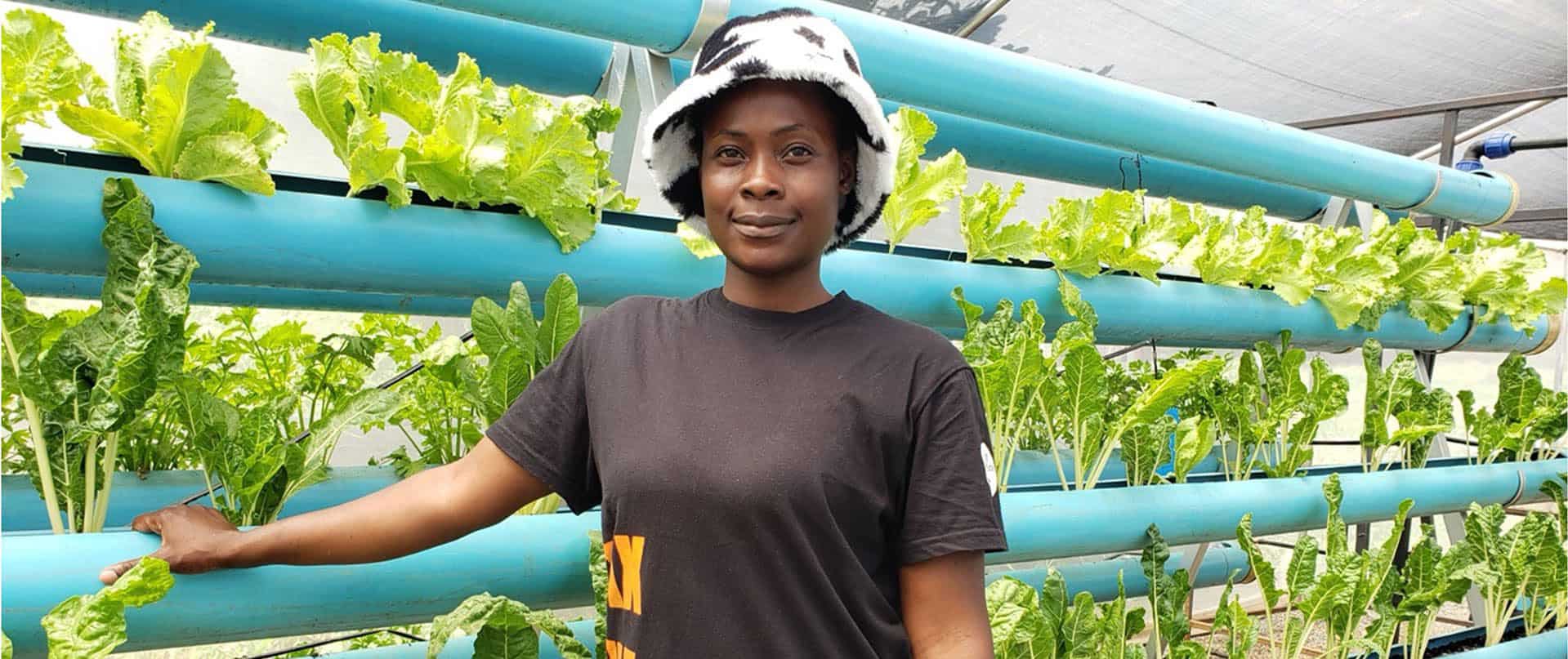
Zambia Community Group Member funded by the NLGF : Hydroponic farming
Building on the NLGF experience, SDI has integrated the same approach in the REDAA (Reversing Environmental Degradation in Africa and Asia) project, continuing to provide grants to local groups supported by fund managers. This demonstrates that the lessons learned were not theoretical but practical, influencing SDI’s operational model and ensuring that prior learning is applied in new contexts.
Overall, the NLGF experience, and its continuation through REDAA, serves as a proof point that community agency is not a mere recipient of funding, but the optimal delivery vehicle for external finance. It reinforces the need for procurement, reporting, and timelines that align with community rhythms and realities, strengthening the effectiveness and sustainability of locally led climate resilience initiatives.
To download and read the full report, please click here.
Zero Waste Begins with Communities: Reflections from the Global Zero Waste Forum Istanbul, Türkiye | 5–7 June 2026
By Celine Santos
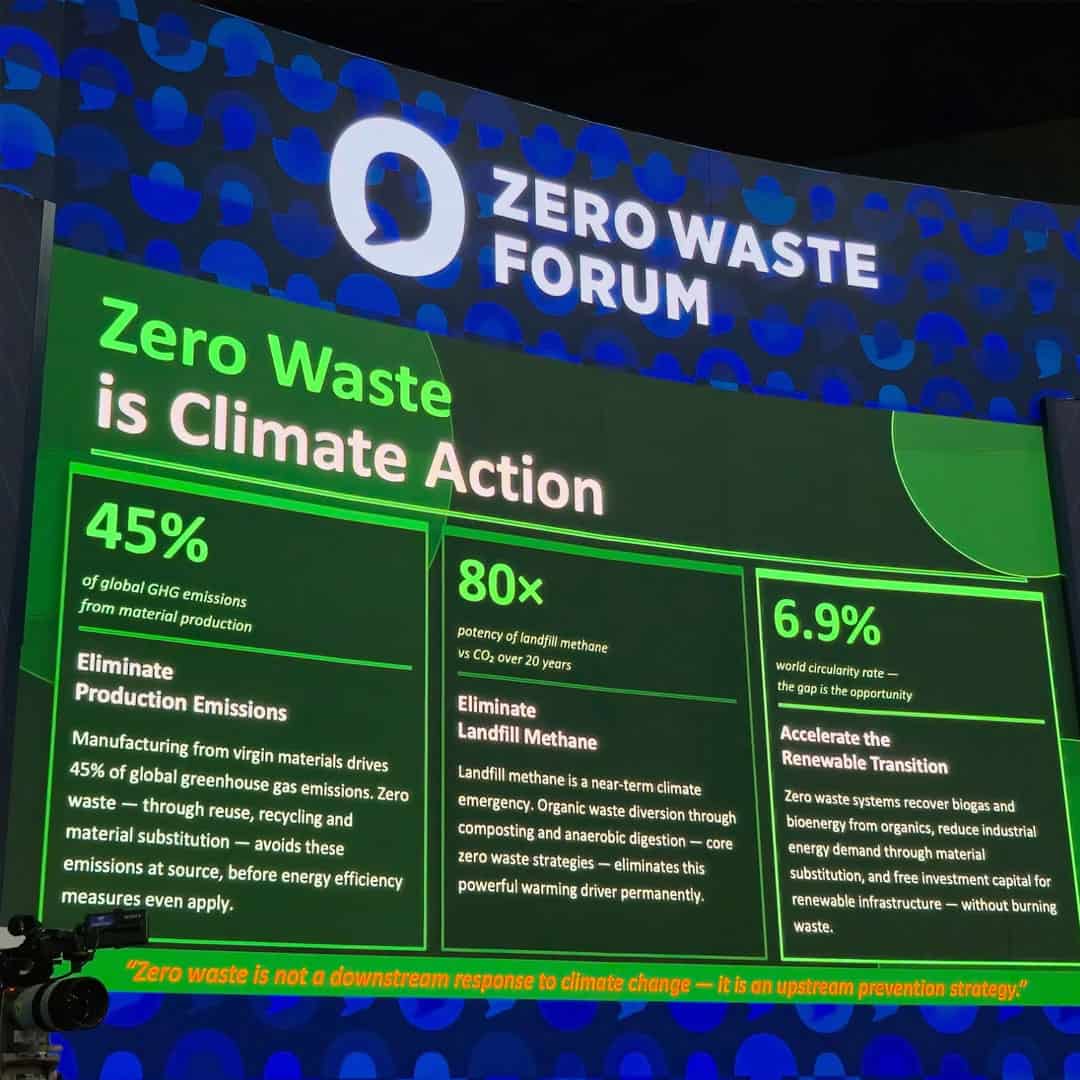
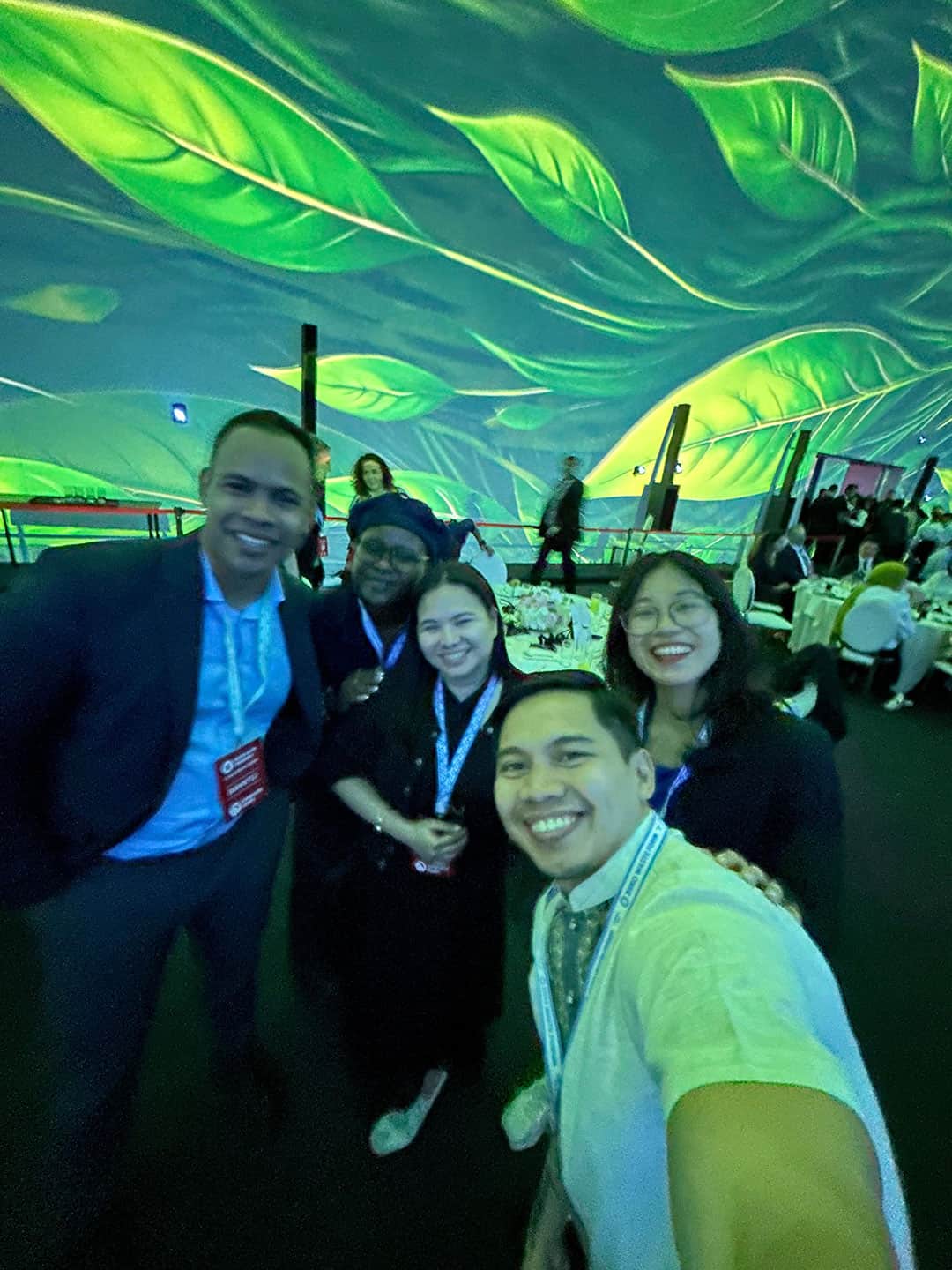
The Zero Waste Forum 2026: Road to Antalya brought together governments, civil society organizations, academia, the private sector, media and grassroots movements globally to advance Zero Waste as a key climate solution ahead of COP31 in Antalya, Türkiye. Held at Atatürk Airport in Istanbul, the three-day forum highlighted how Zero Waste is more than an environmental agenda; it is a pathway toward climate resilience, circular economies, healthier communities and social justice. The event featured First Lady Emine Erdoğan, whose global advocacy has positioned Türkiye at the forefront of the Zero Waste movement. The forum concluded with a gala dinner hosted by President Recep Tayyip Erdoğan, reaffirming Türkiye’s commitment to championing Zero Waste as a national and global priority.
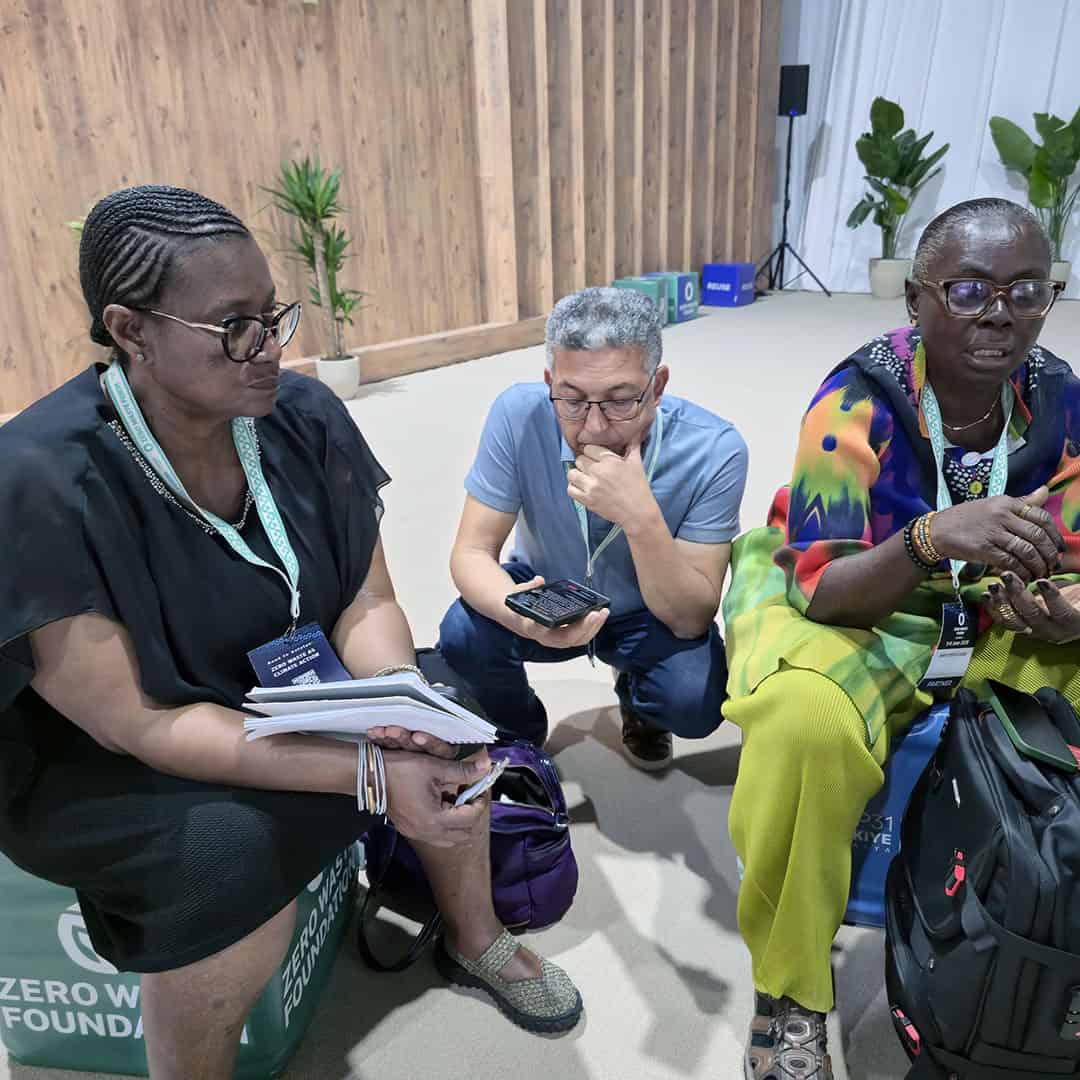

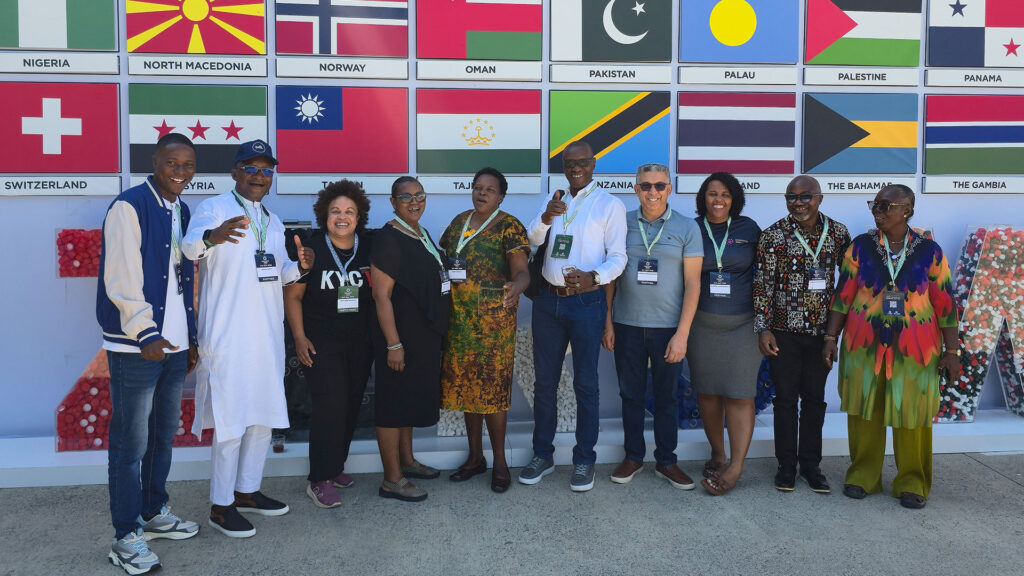
Among the participants was a strong delegation from Slum Dwellers International (SDI), representing urban poor communities across Africa, Asia, and Latin America. SDI’s participation underscored an important message: communities living on the frontlines of climate change are not merely beneficiaries of Zero Waste but the innovators, practitioners, and essential partners in building sustainable cities.
The SDI delegation brought together community leaders and practitioners actively working on community-led waste management, environmental justice, and climate resilience:
Benin
Antoine Agossou: Fédération d’Habitants des Zones de Taudis / Bidonvilles du Bénin
Brazil
Ana Mirtes Ferreira da Silva: SDI Brazil Federation
Altemir Antonio de Almeida: Rede Interação
South Africa
Esley Philander: SDI Secretariat
Nigeria
Bimbo Oshobe: Nigeria Slum/Informal Settlement Federation
Rasheed Shittu: Shantytown Empowerment Foundation
Philippines
Maria Celine Santos: Philippine Action for Community-Led Shelter Initiatives (PACSII)
Senegal
Papa Ameth Keita: UrbaSEN
Sierra Leone
Francis Anthony Reffell: Centre of Dialogue on Human Settlement and Poverty Alleviation
South Africa
Rose Molokoane: Federation of the Urban Poor (FEDUP)
Togo
Gerard Atohoun: Young Men’s Christian Association (YMCA) Togo
Uganda
Sarah Nandudu: National Slum Dwellers Federation of Uganda
Throughout the forum, SDI delegates exchanged experiences with practitioners, local governments, development partners, and civil society organizations, exploring how community-led Zero Waste systems can strengthen climate adaptation, improve public health and create more inclusive cities.
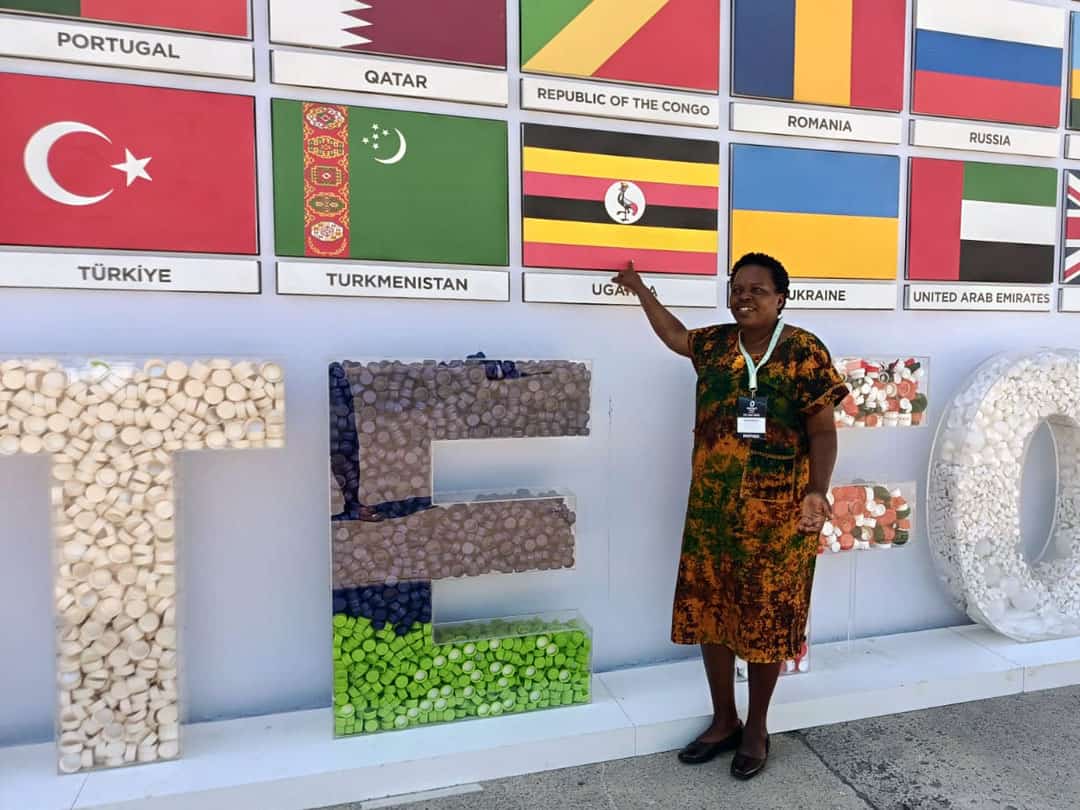
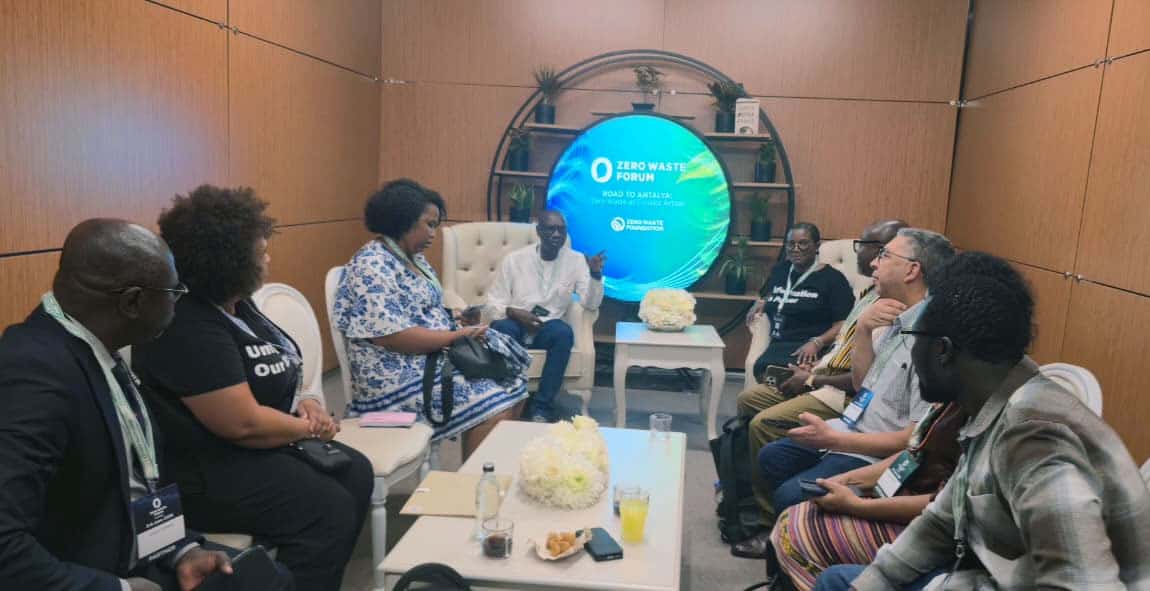
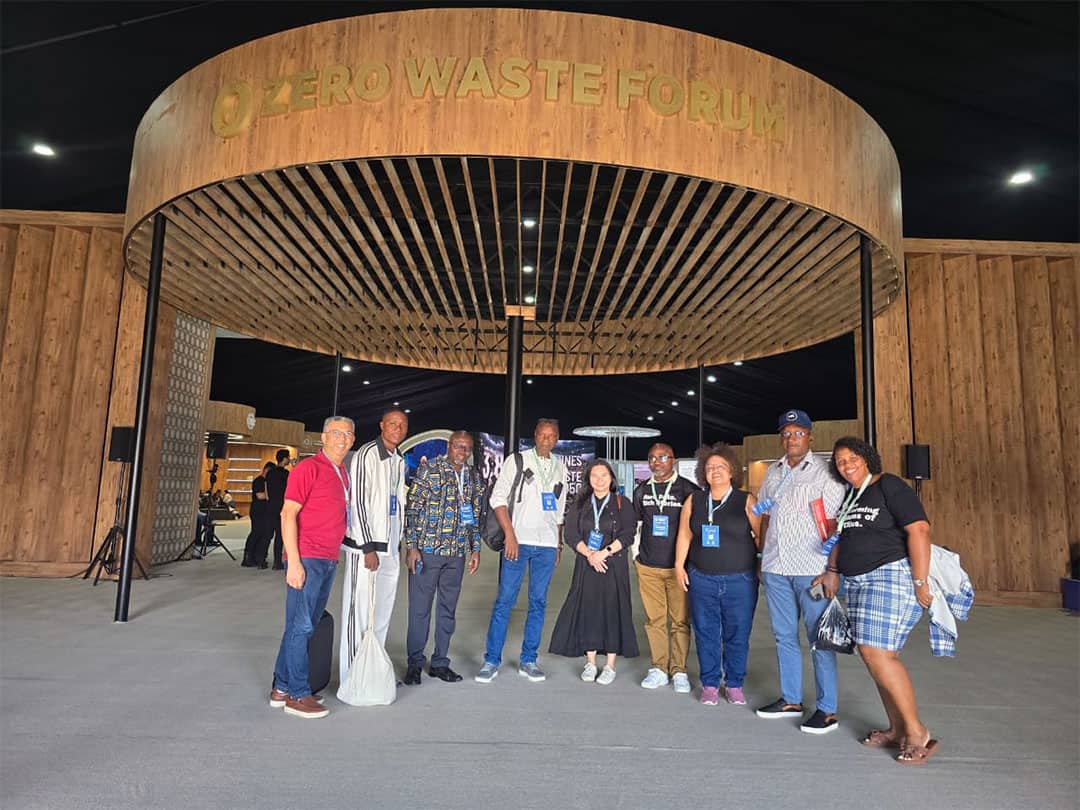
Learning from Community-Led Zero Waste Champions
The forum opened with discussions emphasizing the urgent need to transition from linear waste management systems toward circular and climate-responsive approaches. Several sessions showcased inspiring examples from the Philippines, demonstrating how local governments and communities can work together to achieve transformative environmental outcomes.
One of the sessions highlighted how communities work with the local government, the “Mayors Implementing Zero Waste,” featured the City of San Fernando, Pampanga, represented by Mayor Vilma Caluag through Mr. Froilan Grate, Executive Director of GAIA Philippines. The city is recognized by the United Nations as one of the world’s leading Zero Waste Cities. San Fernando demonstrated how strong political leadership, community participation and consistent implementation of ecological solid waste management policies have transformed its waste management system. The city now operates functional Materials Recovery Facilities (MRFs) across all 35 barangays, achieving over 80% waste diversion, 93% waste segregation and significantly reducing waste collection costs through resource recovery and citizen participation. Practical initiatives such as the Plastic-Free Ordinance, refill-and-reuse systems, and the “No Segregation, No Collection” policy illustrated how local governments can successfully combine policy reform with community action.
Communities at the Center of Climate Solutions
The second day expanded discussions beyond waste collection, focusing on waste reduction, financing, methane mitigation, and circular economy approaches. Specific attention was given to organic waste, one of the largest contributors to methane emissions globally.
By the third day, conversations shifted toward people-centered approaches, highlighting the critical roles of youth, women, informal workers and grassroots organizations in advancing Zero Waste systems.
Resonating SDI’s work was “Informal Sector as Infrastructure for Cities.” The discussion challenged conventional perceptions of informal waste workers by recognizing them as essential contributors to urban sustainability rather than marginal actors. The session reinforced the importance of integrating community-led waste systems into formal city planning while advancing a Just Transition that leaves no one behind. The forum also featured Mr. Rap Villavicencio, Program Director of the Mother Earth Foundation, who shared successful experiences from the Philippines on building inclusive and decentralized Zero Waste systems. Drawing from years of community practice, he emphasized that lasting transformation happens only when communities are involved from the very beginning through data collection, stakeholder engagement, planning, implementation, and continuous monitoring. His message resonated strongly with SDI’s own philosophy, “Sustainable Zero Waste systems must be built with communities, not merely for communities.”

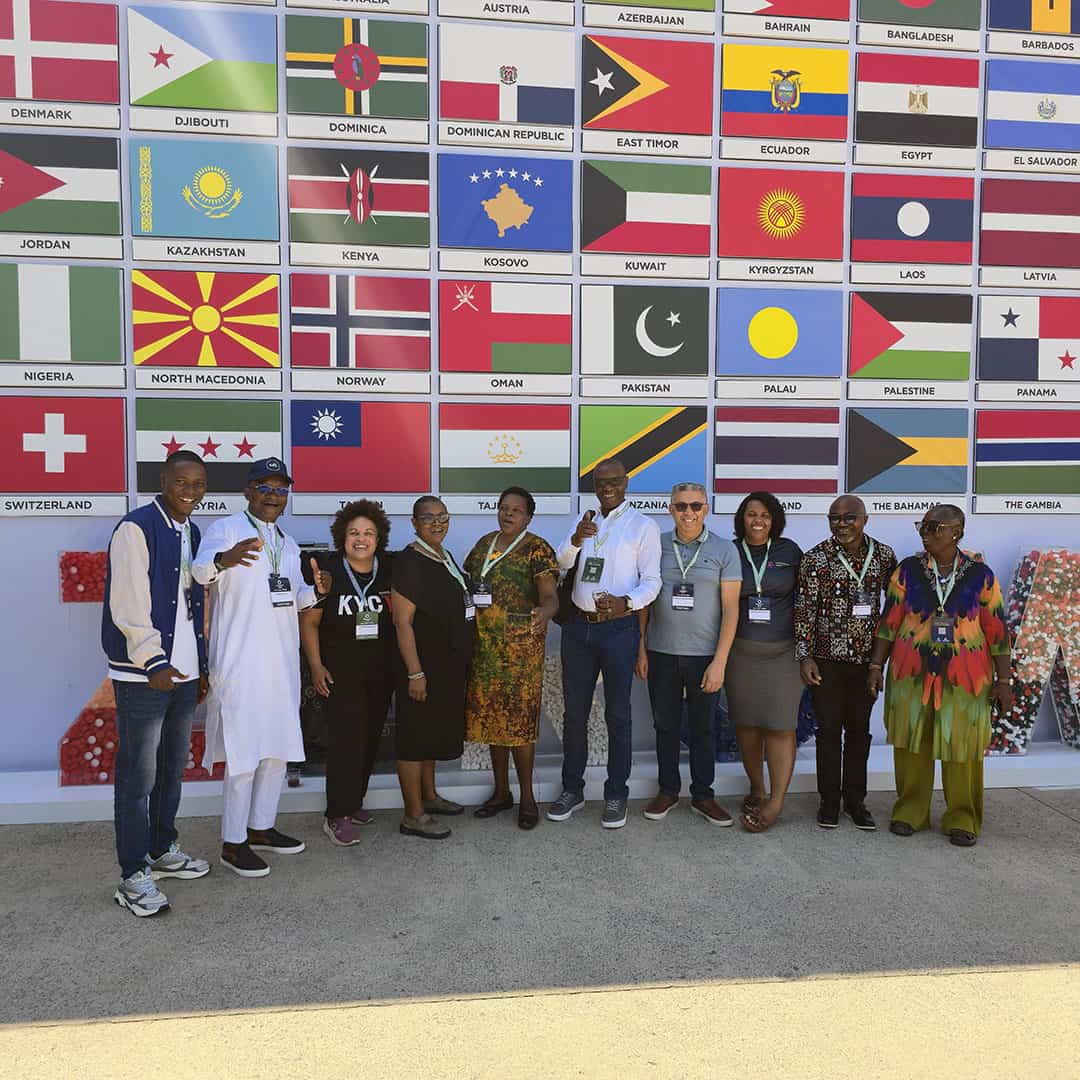
Strengthening Community-Led Climate Action
For the SDI delegation, the forum was more than an opportunity to exchange technical knowledge. It is a platform for strengthening relationships among federations, learning from best practices and exploring how community-led Zero Waste systems can be adapted within informal settlements. Across many SDI affiliates, communities already practice forms of resource recovery, recycling, savings-led collective action, and neighborhood organizing. The discussions in Istanbul reinforced that these existing community structures provide a strong foundation for advancing more comprehensive Zero Waste systems that improve environmental conditions while strengthening climate resilience and local livelihoods.
The Zero Waste Forum demonstrated that achieving Zero Waste requires partnerships across governments, civil society, academia and grassroots organizations. Most importantly, it reaffirmed that urban poor communities are not passive recipients of environmental programs but are active leaders in designing practical, locally driven climate solutions.
As the global community looks toward COP31 in Antalya, the experiences shared in Istanbul provide a powerful reminder that community-led action will be indispensable in building more resilient, inclusive, and sustainable cities for the future.
Zero Waste for Better Spaces: From Waste Management to Community Development
By Celine Santos
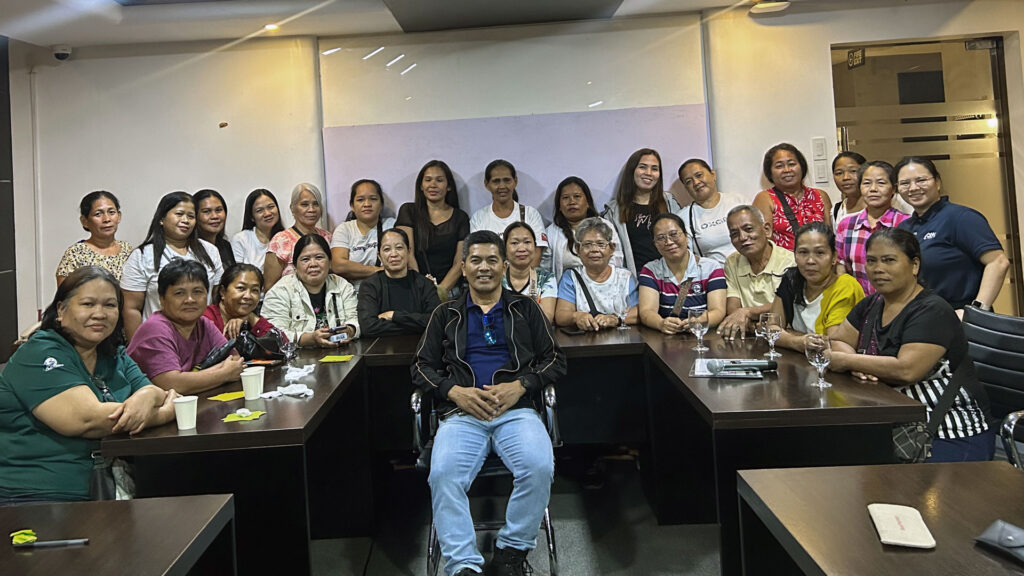
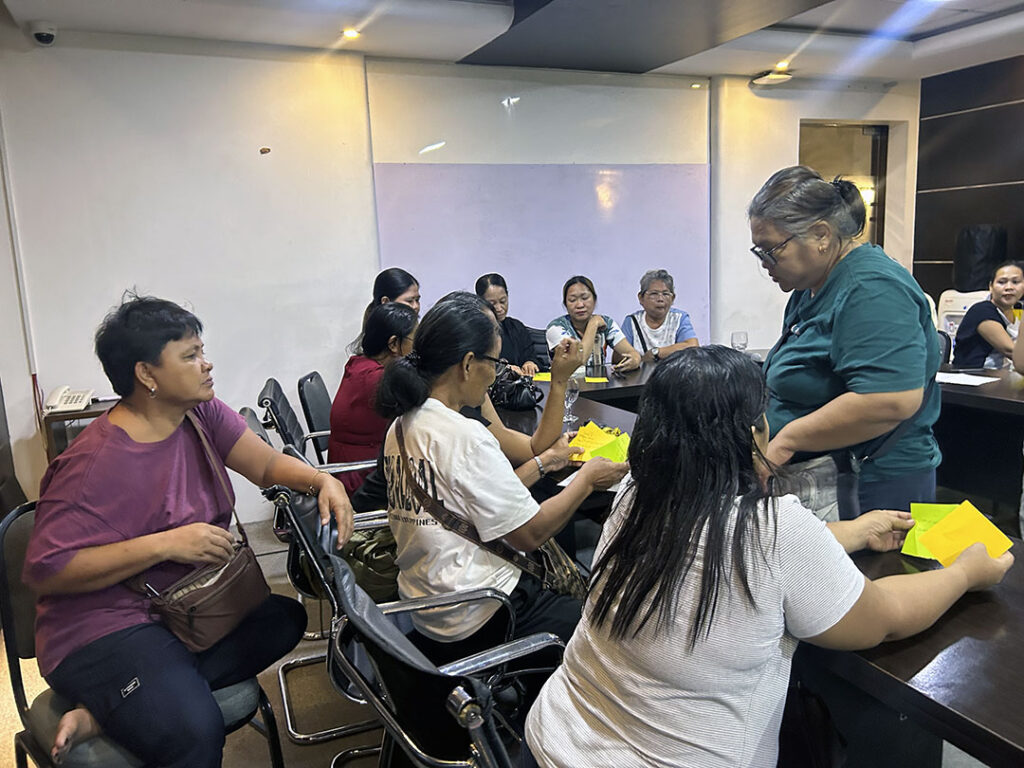
Effective waste management in urban poor communities requires more than technical solutions; it demands shared understanding, local ownership, and sustained participation. As part of the Zero Waste for Better Spaces campaign, a series of community-centered listening and co-creation sessions aims to assess the current waste management issues in the pilot community of Homeless People’s Federation Philippines Inc. (HPFPI), in Sitio Mahayag Alliance of Structure Homeowners (SMASH) Association, Incorporated, Pakna-an, Mandaue City, Cebu.
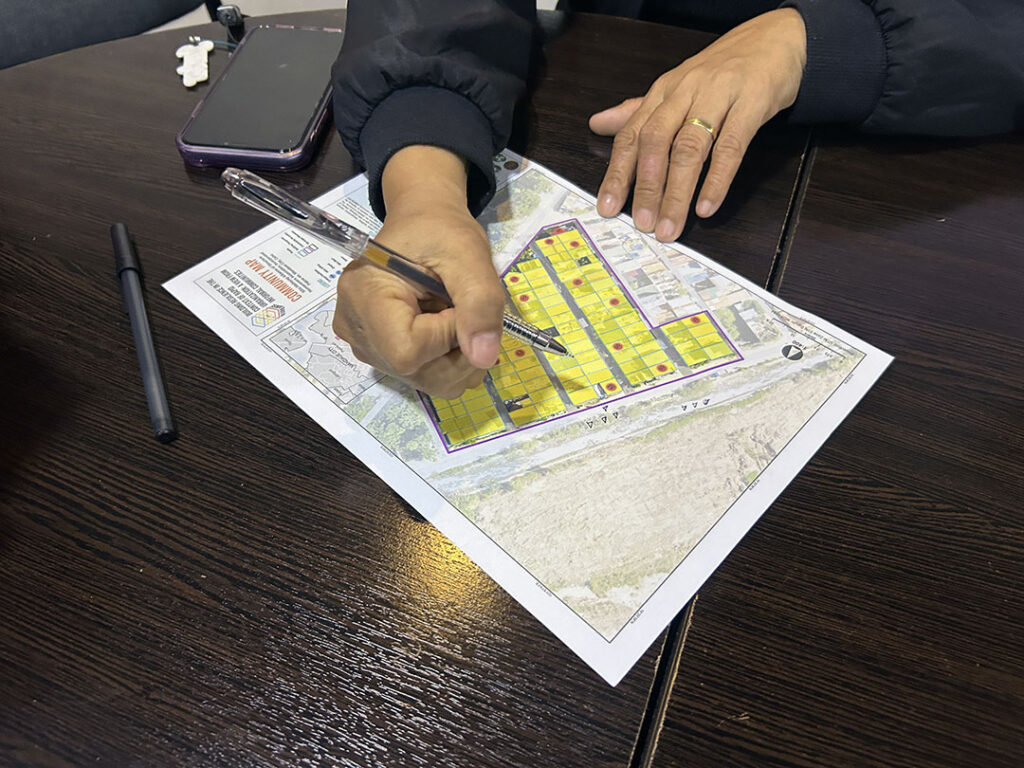
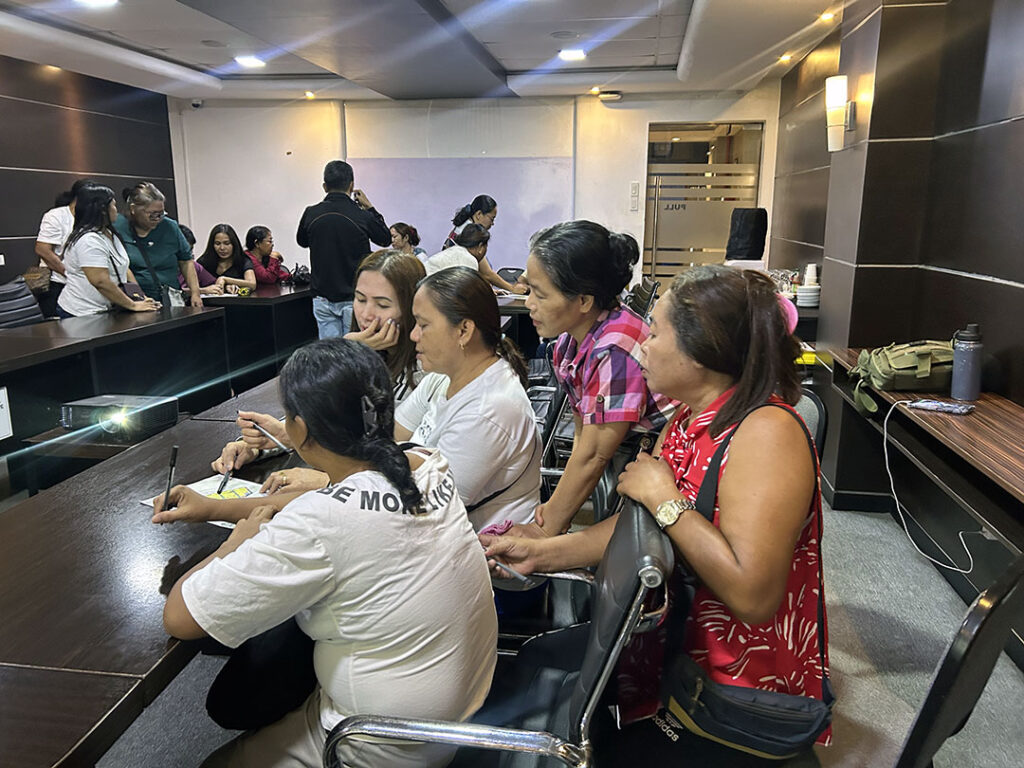
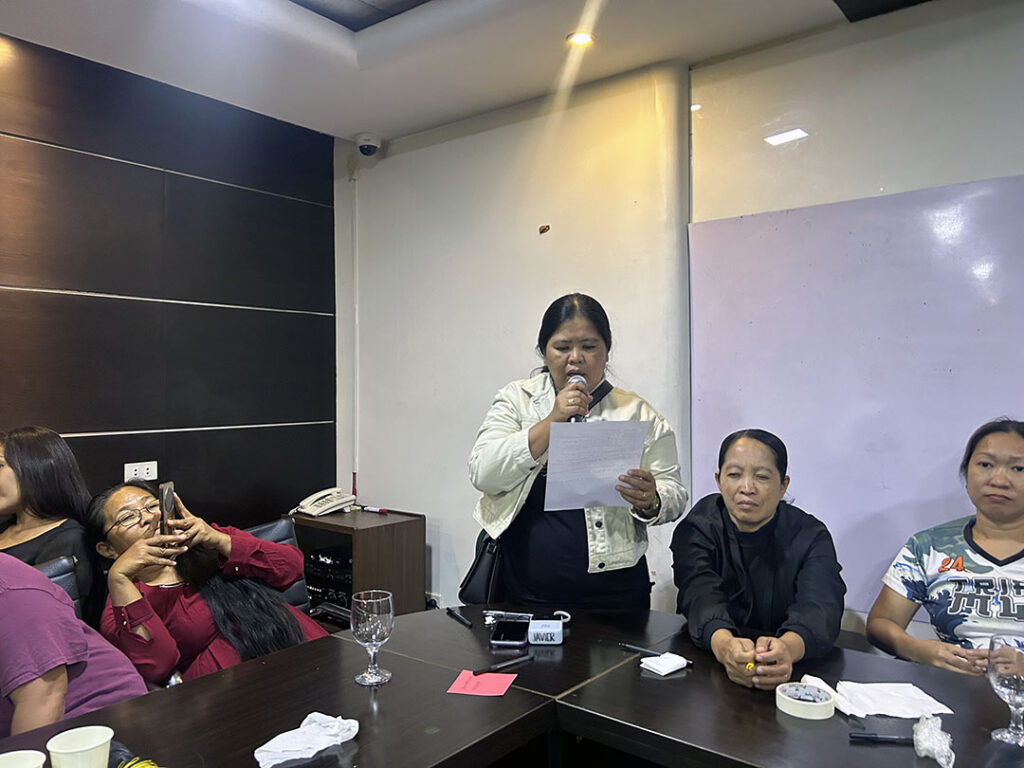
The Zero Waste for Better Spaces: Community Listening and Co-Design Session in SMASH focused on assessing and co-designing the community’s waste management situation and identifying gaps that will enable us to find solutions toward a Zero Waste system through community participation and capacity building. Through inclusive dialogue and hands-on activities, participating community members are not only informed but actively involved in shaping practical, locally relevant strategies. towards a more resilient, functional and sustainable waste management system in SMASH.
Community members engaged head-on in mapping and identifying waste management issues and gaps in their area. They discussed major issues such as garbage accumulation in creeks and roads, clogged drainage causing flooding, irregular waste collection, illegal dumping, foul odors, and septic tank overflow. Existing efforts like household waste segregation and monthly clean-up drives were recognized, but composting, recycling and gardening programs were not sustained due to limited space, lack of training, insufficient resources and weak policy enforcement.
Through the session, the participants were able to emphasize the need for training in segregation, composting, recycling, MRF operations and continuous environmental education while promoting the long-term vision of a cleaner, organized and resilient community. The co-creation session was also able to produce a strategy on Zero Waste for Urban Poor Communities (UPC) and Informal Settler Families (ISF). Overall, the meeting concluded that stronger coordination with government agencies, better systems, and gradual community-led actions are necessary to achieve a sustainable Zero Waste future.
Processing Waste into Opportunities for UPC and ISF Communities transforms waste management from a daily challenge into a pathway for community development and resilience. Through collective action and community-led initiatives, recyclable and reusable materials are processed to support savings programs, create sustainable livelihood opportunities, strengthen social security mechanisms and promote environmental responsibility. The initiative also highlights the vital role of youth empowerment by engaging young people in climate action, leadership, innovation and community organizing. By turning “Waste with Purpose and Opportunities,” communities can build cleaner, safer and more inclusive spaces while generating opportunities that improve everyday life and long-term sustainability.
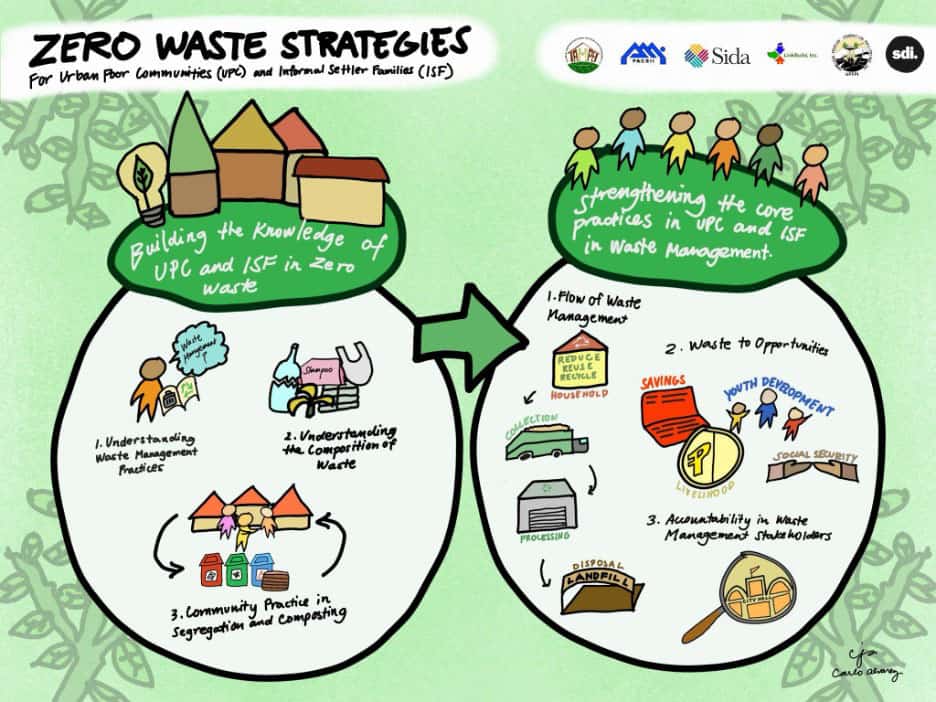
Strategies for Zero Waste:
- Understanding the overall Zero Waste concept for urban poor and informal settlement communities (Building the Knowledge of the UPC and ISF communities in ZW) (Individual and Interpersonal Level)
- Understanding the day-to-day waste management practices of informal settlements and urban poor communities (Knowledge and Capacity Building of Waste Management at the Household Level)
- Basic knowledge and understanding of available waste management practices, principles, concepts, laws and projects
- Understanding of the Status Quo of the overall Waste Management; Composition of Waste (e.g., toxic waste, food waste, plastic waste, etc.) in the community
- Understanding the behavioral patterns of the community in waste management (e.g., community practices in waste segregation, composting, etc.)
- Understanding the day-to-day waste management practices of informal settlements and urban poor communities (Knowledge and Capacity Building of Waste Management at the Household Level)
- Strengthening the core practices of UPC and IS communities in understanding the waste management concepts, together with the existing practices, laws, and ordinances in waste management
- Practical waste management training and understanding the best practices of different communities in other island groups, regions, municipalities, and cities.
- Flow of waste management in the community from households, MRF, landfills, etc.
- Household management (3 Rs; Generation/Segregation (sorting at the source))
- Collection/Transportation (gathering and moving waste),
- Processing/Treatment (recycling, composting, or recovering energy), and
- Disposal (final placement, often in landfills)
- Processing of wastes for opportunities of UPC and ISF communities
- Savings Programs
- Livelihood
- Social security
- Youth Empowerment
- Accountability and responsibility mechanisms of stakeholders in waste management systems.
- Accessibility of the facilities from private and public institutions (e.g., barangay, NGOs, etc.)
- Flow of waste management in the community from households, MRF, landfills, etc.
- Practical waste management training and understanding the best practices of different communities in other island groups, regions, municipalities, and cities.
The Active Effects of Passive Cooling in Davao City, Philippines

By Celine Santos and Carlo Alvarez
In the neighborhood of the SAMAHAN ng Matute at Soliman Homeowners Association Inc. (SAMASOL Homeowners Association) in Davao City, three households stand out for their unique construction. The Agot, Cubio and Tuyco residences were retrofitted with a series of targeted heat intervention measures to improve the climate adaptiveness of the household. This included replacing dilapidated walls with fiber-cement board on metal stud systems, installing ceilings to reduce heat exposure in kitchens and living areas, roof repairs and repainting and installing roof gutters and rainwater catchment basins made from recycled materials.
Davao City is in the southern part of the Philippines. Much like the whole archipelago, it experiences extreme weather conditions such as typhoons, which cause flooding and extreme heat that reaches up to 39.7°C (103.46°F).
The retrofitting process is spearheaded by the Technical Assistance Movement for People and Environment, Inc. (TAMPEI), and LinkBuild Inc., two organizations that, in part, make up the Philippine Alliance (PA). The PA is composed of four organizations, including the Homeless Peoples’ Federation Philippines, Inc. (HPFPI), Philippine Action for Community-led Shelter Initiatives, Inc. (PACSII), TAMPEI, and LinkBuild Incorporated. The PA is an alliance of organizations that aims to capacitate Urban Poor Communities (UPC) and Informal Settler Families (ISFs) with savings, technical, and organizational assistance towards secure and context-adaptive housing in the Philippines.

Together with PACSII, TAMPEI implemented the first batch of passive cooling infrastructure retrofits across three households in SAMASOL HOA. The retrofitting process was grounded in a participatory and co-design approach. Beginning with household assessments and data gathering with applicants and SAMASOL HOA members, followed by design development and recommendations and a formal partnership agreement between TAMPEI and the association to ensure proper management of material procurement, labor hiring and construction. The approach reinforces community ownership and accountability from the project’s initial phases and capitalizes on community-led actions for climate adaptation.
A series of innovations on passive cooling and infrastructure was incorporated in this project, one of which is the Interlocking Compressed Earth Blocks (ICEB), which are made from a formula of compacted soil, stone and water. In this case, the locally sourced limesoil material enables air to pass through better than traditional hollow blocks. ICEB was also used in the SAMASOL HOA retrofitting project to ease the construction process as the blocks adhere like playing blocks.


Additionally, innovations addressed thermal comfort, energy efficiency and safety simultaneously, including the use of lightweight pre-painted metal sheet roof for new space extensions, repaint of existing roofs with white reflective paint, installation of window grilles with screen net to improve ventilation while addressing security risks and mosquito concerns, solar lights and rainwater catchment installation for a nature-based resource system, demonstrating that passive cooling retrofits can address multiple vulnerabilities within a single intervention.
In an era of accelerated climate change, SAMASOL HOA stands as an example of how genuine co-creation and acceptance of innovation can lead to locally-led climate adaptation in the context of the urban poor and informal settlements.
The Philippine Alliance is currently planning capacity-building activities for SAMASOL HOA and its neighboring communities to showcase innovative, climate-resilient approaches in the context of urban poor and informal housing communities in the Philippines.

Zero Waste Through the Eyes of the Youth in Visayas
By Celine Santos
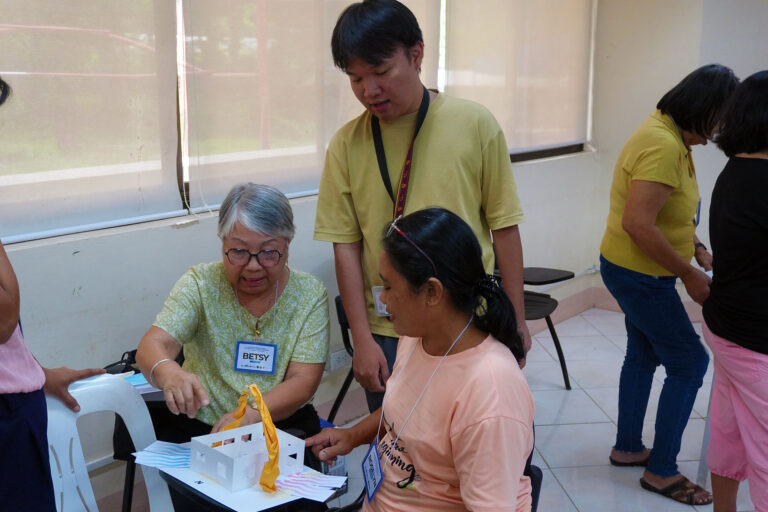
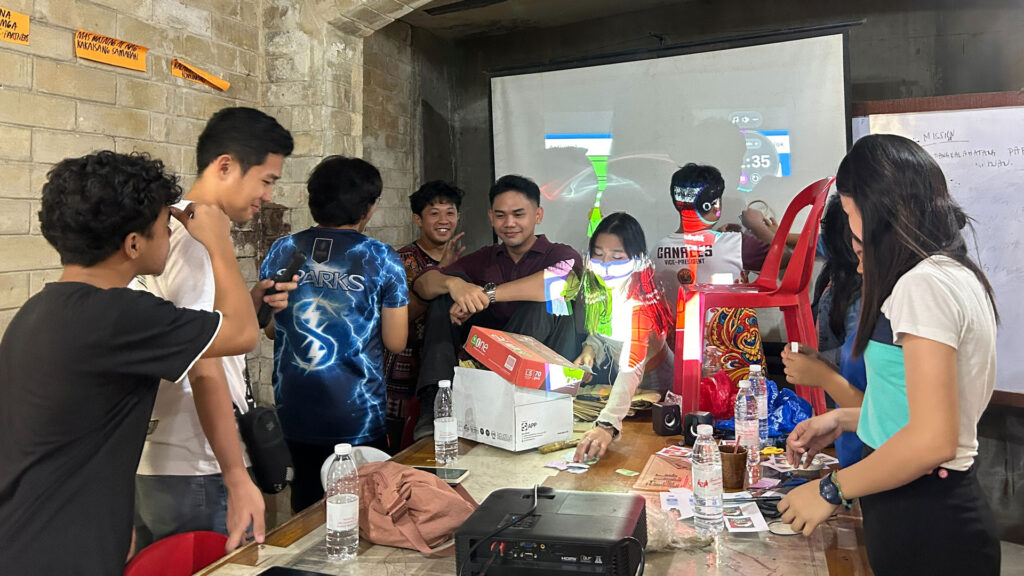
Young people’s creativity and vision know no bounds. This was on full display at a mini Zero Waste Youth workshop, which brought together young people to share their perspectives on waste, climate, and the everyday challenges facing communities in informal settlements. The workshop forms part of the Accelerating Locally-Led Responses to Climate Change in Informal Settlements and Slums programme, implemented by the Philippine Alliance and led by the Philippine Action for Community-Led Shelter Initiatives, Inc. (PACSII), in collaboration with the Homeless People’s Federation Philippines, Inc. (HPFPI).
Youth participants from Visayas reimagined how everyday waste materials can be reused and upcycled. Among their outputs: bags, ornaments, seedling trays, stuffed toys, rags, and plant displays, each a practical transformation of what might otherwise be discarded. They also recognised that waste segregation must begin at the household level, and that young people have a role to play through leadership, role modelling, and community education.
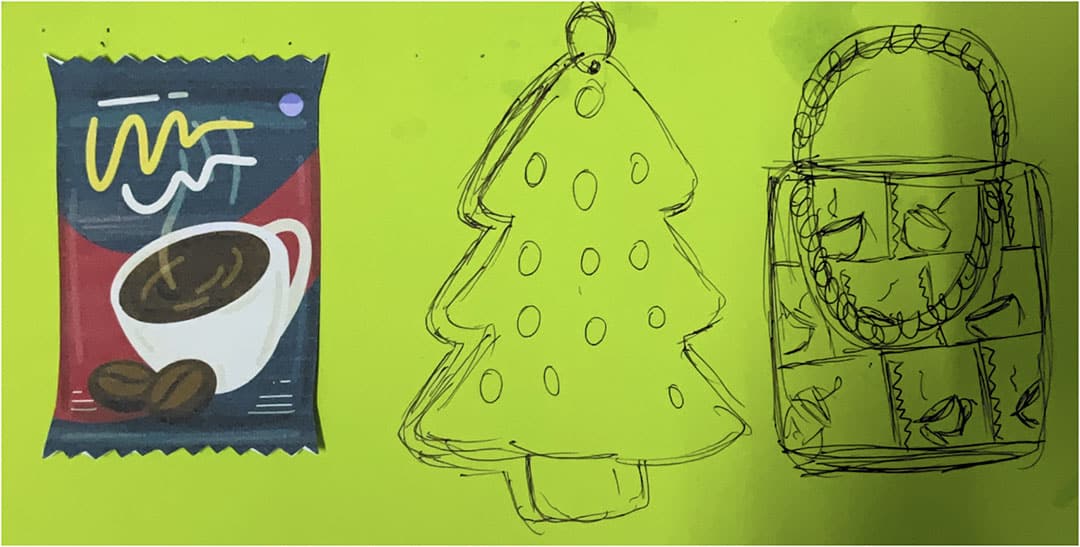
Christmas Ornaments from Paper and Plastic
Felt paper and shredded plastic can be reused to create Christmas decorations by stuffing the shredded plastic into felt paper-shaped ornaments. Examples include stockings, ornaments, and other festive items. This promotes creativity while giving waste materials a new purpose.
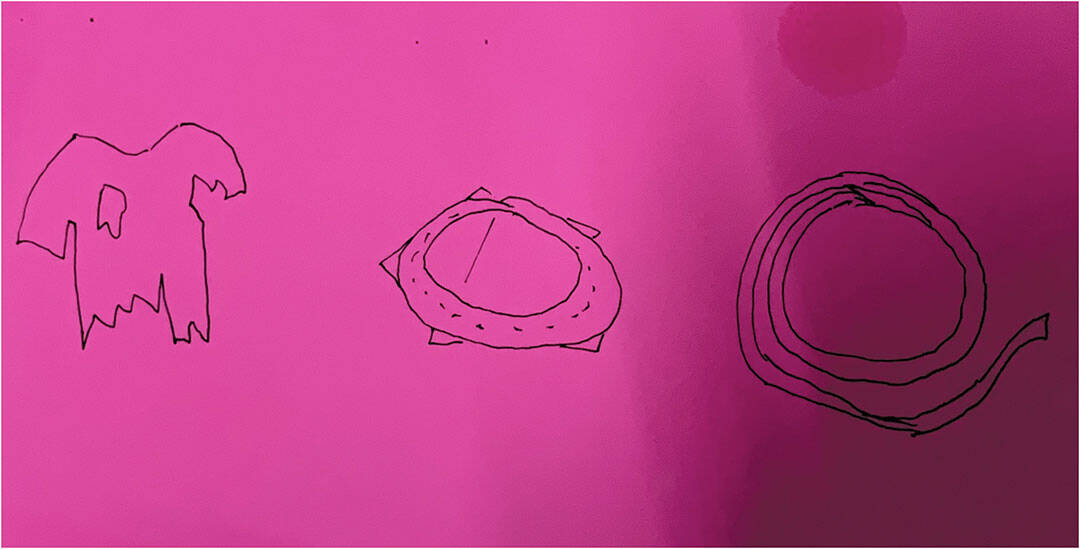
Rags or Cleaning Materials from Old Cloth
Old clothes and fabric scraps can be cut and reused as rags. The upcycled old fabrics and clothes are turned into household cleaning and maintenance products. This reduces textile waste while providing practical cleaning materials.
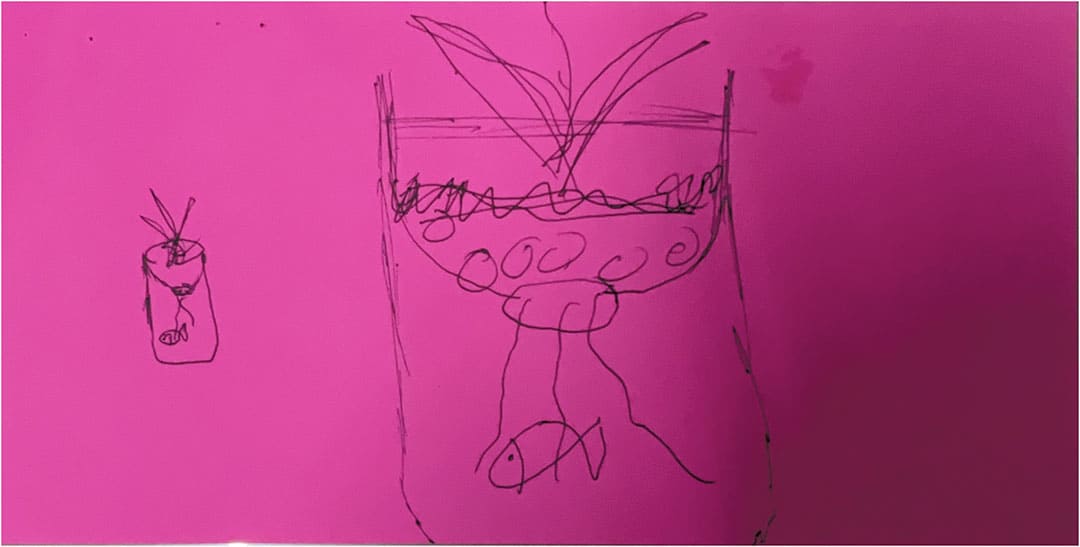
Seedling Trays from Waste Materials
Discarded containers, cartons, and other reusable materials can be repurposed into seedling trays for planting, providing a practical and low-cost alternative to commercially available trays while promoting recycling, gardening, and urban farming activities within the community.
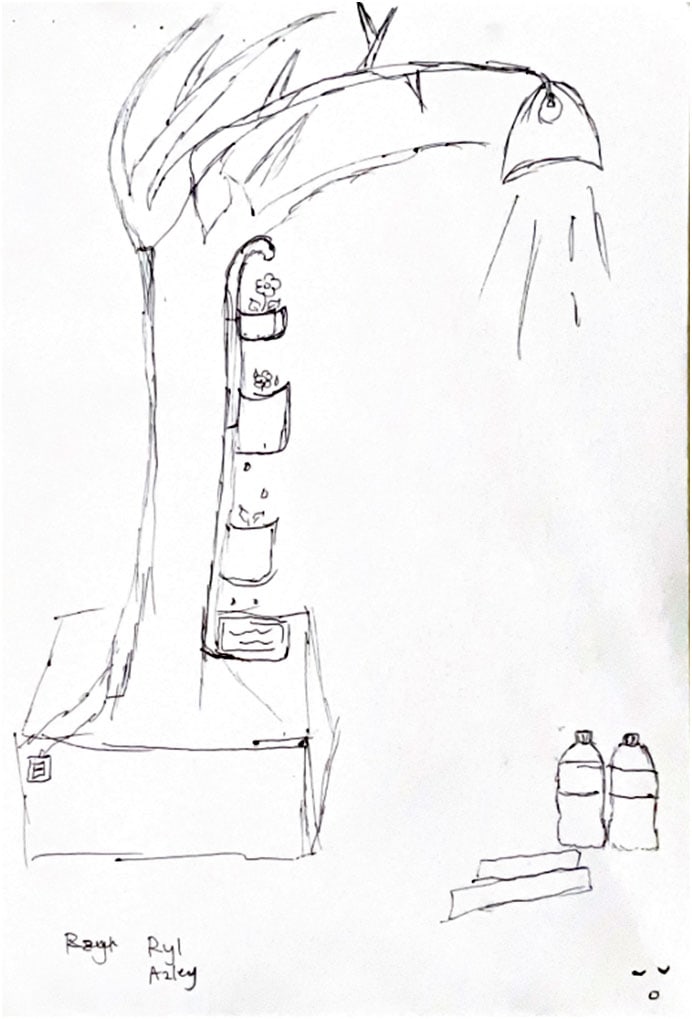
Vertical Garden or Decorative Plant Display
Old log scraps can be repurposed into a decorative lamp post integrated with hanging plastic bottles reused as plant containers. These can be arranged to create a vertical garden or decorative plant display. Additional ideas include incorporating a small water pump system and lighting to enhance both the structure’s appearance and functionality.
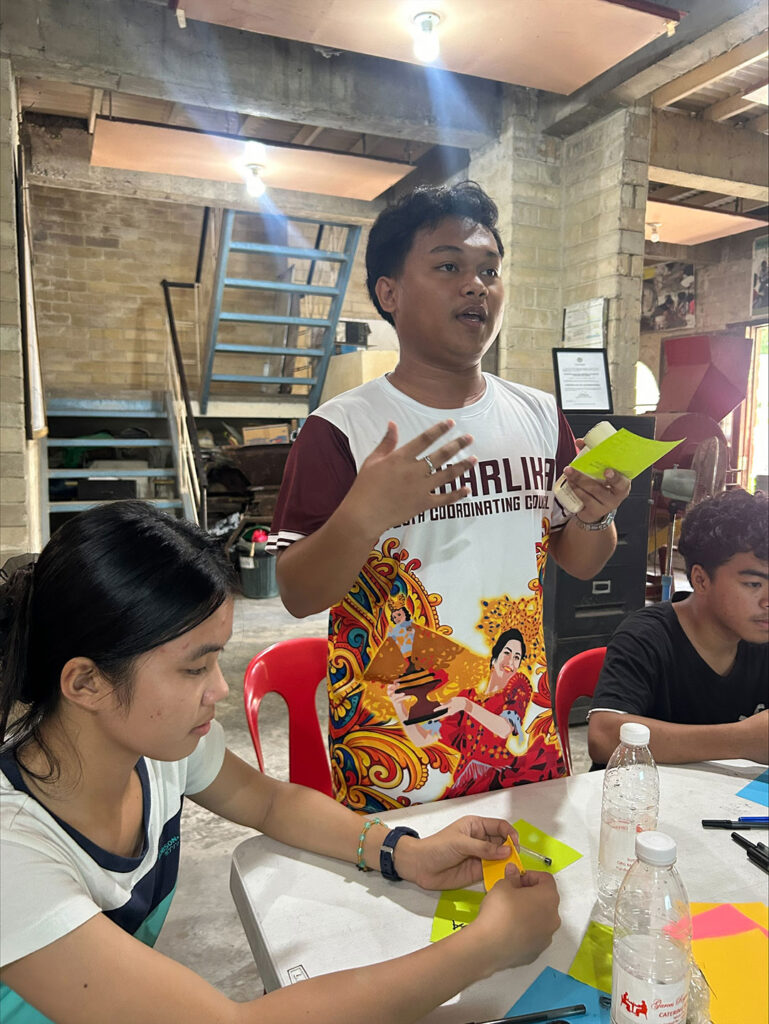
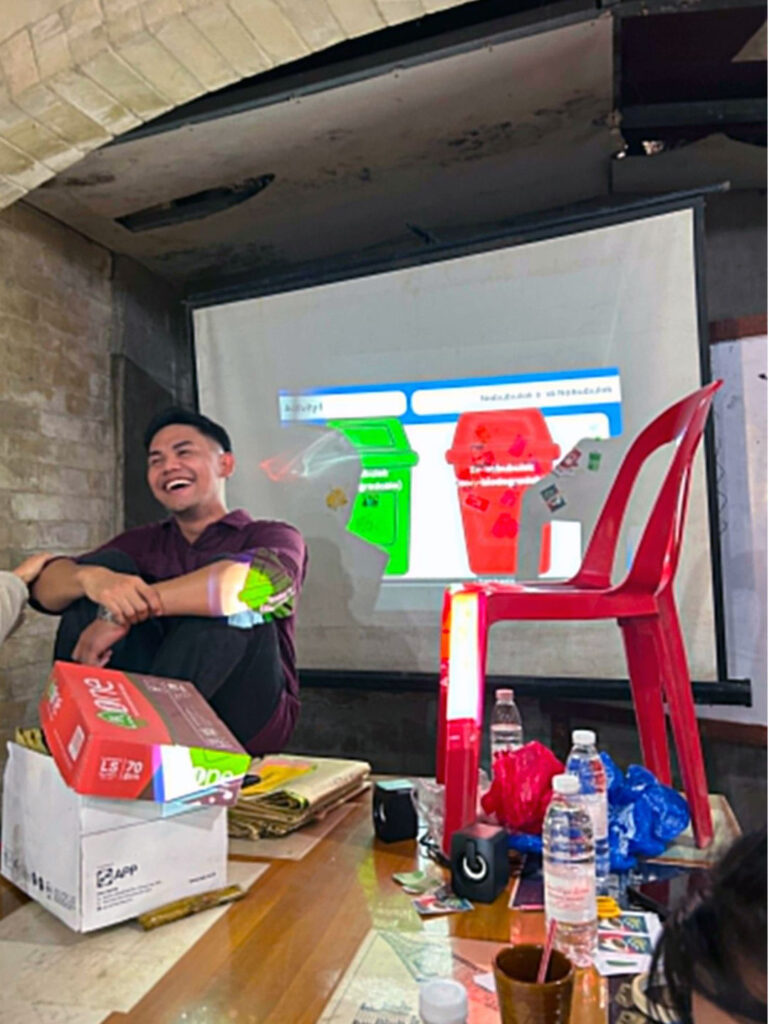
The overall workshop showed that youth are aware of waste issues in their communities, identifying critical challenges brought by plastics, sachets, bottles, paper, and mixed household waste (Biodegradable and Non-biodegradable). They emphasized how improper waste disposal can lead to flooding, health risks, foul odors, and dirty surroundings, which affect health and other underlying issues connected to waste. While some community systems already exist, stronger enforcement, active participation, and more learning on segregation, composting, recycling, and zero-waste practices are still needed.
SDI at the 13th World Urban Forum
Join Slum Dwellers International at the World Urban Forum 13
Find us at the Favela Hub, the Habitat Village or email esley@sdinet.org to connect.
skip render: ucaddon_event_list
skip render: ucaddon_event_list
skip render: ucaddon_event_list
skip render: ucaddon_event_list
skip render: ucaddon_event_list
skip render: ucaddon_event_list
skip render: ucaddon_event_list
20th International Conference on Community-Based Adaptation to Climate Change (CBA20)
11-14 May 2026 | Manila, Philippines
For over 30 years, the SDI Network has demonstrated that organised communities, in partnership with local government and with the right resources placed directly in their hands, can lead their own settlement upgrading.
This is the foundation of locally-led Climate Adaptation.
https://www.youtube.com/watch?v=AzuNCKMdGOw
Slum upgrading is Climate Action
Upgrading informal settlements, through sustainable housing, resilient infrastructure, and tenure security, directly addresses structural conditions which make us disproportionately vulnerable to extreme heat, flooding, water scarcity and severe weather.
In-situ upgrading avoids the harms of forced evictions and displacement, while providing affordable, context-specific solutions already being demonstrated across our networks. Climate resilience and local adaptation begins with secure tenure. Donors must educate themselves of our realities and recognize that upgrading is climate action, before prescribing solutions.
Work with informality, not against it
Resilient cities, inclusive development and adaptation goals cannot be achieved without engaging the realities of informal settlements. Governing officials must recognize that slum dwellers are not a barrier to achieving adaptation goals, we are integral to its success!
Agreed metrics to track the Global Goal on Adaptation must include informal settlements as priority sites of climate intervention and must respect the agency and leadership of local residents.
Institutionalise community knowledge and data
Our data and experience are valid and necessary inputs for better climate models and climate action planning, as well as scientific processes such as IPCC assessments. Our slum dweller federations gather detailed co-produced data and evidence on risks, vulnerabilities and solutions, mapping climate impacts while addressing critical data gaps overlooked by formal systems. This knowledge must be institutionalised in adaptation planning, early warning systems and global monitoring processes.
Channel climate finance directly to the ground
Climate finance must be flexible, accessible to community led organisations and aligned with local development priorities. Current restrictions and topdown mechanisms prevent resources from reaching marginalised communities such as women, the youth and people living with disabilities who are already taking action with their own scarce resources.
International actors also overlook the impact of local savings and loans schemes, such as SDI’s Urban Poor Funds and savings groups, and other community managed funds which play a critical role in supporting resilience and climate action in informal settlements. Finance must support fundamentals such as dignified housing, basic services, and tenure security while applying the principles of locally led adaptation to scale solutions and strengthen resilience. The costs of inaction are far higher than the costs of proactive investment.
We demand recognition that slum dwellers are not marginal to climate adaptation, but central to its sustainability and impact!
Devolve finance to communities
Direct, unbroken funding to community-managed funds such as the Urban Poor Funds — not through intermediary-heavy mechanisms that consume resources before they reach the ground.
Recognise citizen data
Accept community-generated evidence — VRATs, savings records, community risk maps — as credible input in national climate plans, GCF applications and adaptation finance decisions.
Count slum upgrading as adaptation
The same infrastructure such as drainage, secure tenure, resilient housing, which reduces vulnerability to floods and heat must be eligible for adaptation finance.
“We live with problems, so we must lead solutions.”
The most effective climate solutions are not imported, they are born and led by the people who live in and understand their own settlements.
Halala Federation, halala!
The SDI Network will be represented at CBA20 by affiliates from Ghana, Kenya, Senegal, South Africa, Tanzania, the Philippines, Uganda, Zambia, Zimbabwe and the SDI Secretariat.
A special thank you to the SDI Philippines Alliance, the Homeless Peoples’ Federation Philippines, Inc. (HPFPI), a national federation of the urban poor in the Philippines , and the Philippine Action for Community-Led Shelter Initiatives, Inc. (PACSII), the federation support NGO, for co-hosting CBA20.
11 May, 2026
Between data and doorsteps: bridging global science and local reality for urban climate resilience
10:30am – 11:30am (PST)
Monet ballroom 1 (2nd Floor)
Accountability roundtables: Lessons from the Generating Ambition for Locally Led Adaptation programme
11:30am – 12:30pm (PST)
Renoir (3rd Floor)
Nature-based Urban Solutions for Urban Resilience
3:30pm – 5:00pm (PST)
Monet ballroom 1 (2nd Floor)
12 May, 2026
Bridging the acceptability and accessibility gap to clean cooking in informal settlements
11:00am – 12:30pm (PST)
Versailles tent (7th Floor)
Heat, health and dignity: urban heat stress as a systemic risk amplifier
1:30pm – 3:00pm (PST)
Monet ballroom 1 (2nd Floor)
Download pdfs below:


SDI public tenders: KnowYourCity Data Platform Development AND Network Organisational Strengthening Support
To scale and deepen the impact of our work SDI is investing in our tools and our national affiliate organisations.
We have just launched two open tenders that together represent a significant commitment to scaling what we know works: community-led data and strong and grassroot-led organisation building. For nearly three decades SDI has demonstrated that urban poor communities can drive transformative change in their neighbourhoods and cities. Scaling and deepening the impact of our work requires sustained investments in the organisational infrastructure of our affiliates and the tools and data they use. These two tenders reflect that commitment.
Tender 1: Network Organisational Development Manager.
A 12-month part-time contract to provide hands-on support to SDI’s national affiliates to identify, prioritise and operationalise organisational strengthening measures.
Deadline: 8 May 2026
Tender 2: KnowYourCity Data Platform Development.
Technical consultancy to support the building of the first 7 city-level KYC data platforms together with 7 SDI affiliates (in Kenya, Uganda, Malawi, Zambia, Senegal, Sierra Leone and Ghana), the SDI Secretariat and key partners to the KYC initiative. The assignment also includes support to design a cross city dashboard providing an overview and entry point to SDI community generated data. The city level platforms will integrate community-generated data, maps, and stories into actionable tools for advocacy, collaborative planning and monitoring — designed for use by non-specialist community members and local government officials alike.
Deadline: 12 May 2026